




Antique Fluted Column Sculpture
These antique fluted column sculpture pieces elevate display furniture into classical architecture, bringing stately presence and period proportion into a room.
Antique Fluted Column Sculpture
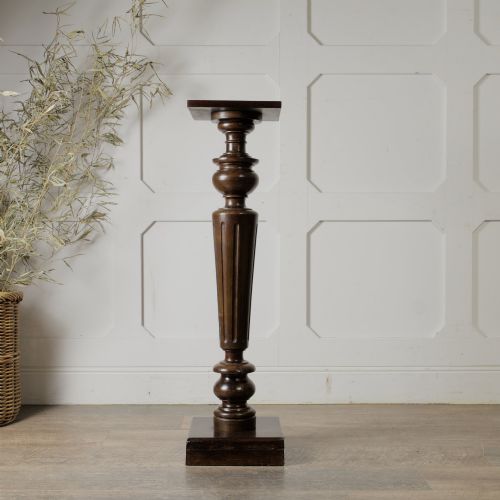
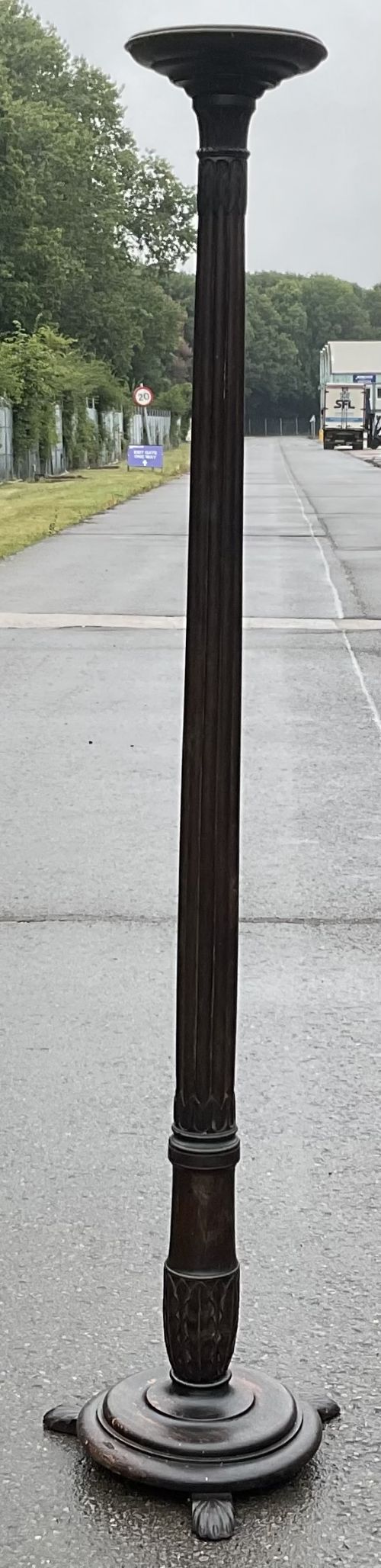
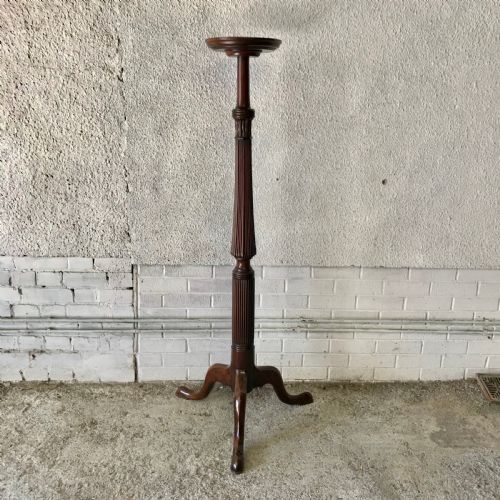
When you search for an antique fluted column sculpture, you are looking at architectural supports and display stands shaped by classical design. These pieces take the form of tall columns, pedestals, and torcheres designed to elevate urns, figures, and decorative objects.
The versions you are most likely to meet on this page span the nineteenth century and early twentieth century. They appear in styles such as Regency, Victorian, and Neoclassical, reflecting a long European fascination with ancient architectural forms.
Many of these stands take the form of wooden or marble columns with vertical channelling, while others support carved figures, grand tour bronzes, or garden statuary. They serve equally as functional plant stands and as sculptural centrepieces in their own right.
Materials and construction
The makers of these columns relied on traditional cabinetmaking and masonry techniques, utilising dense timbers such as mahogany and satinwood alongside natural stone and marble. Wood columns often feature turned shafts and detailed carving, while stone examples showcase polished surfaces and classical capitals.
Bronze casting and plaster work also appear among these pieces, particularly for sculptural figures and decorative mounts. Some later garden examples utilise concrete and reconstituted stone to withstand external weathering.
The listings here include nineteenth-century French marble columns alongside Victorian mahogany tall stands and early twentieth-century Scandinavian gilt pedestals.
Evaluating quality and craftsmanship
Quality in these architectural pieces lies in the crispness of the fluting and the selection of materials, whether a figured mahogany grain or a rich vert de patricia marble. Superior examples show careful proportion in the capital and base, matching the strict canons of classical design.
Humphrey Hopper·Eduardo Giolli
The Antique Fluted Column Sculpture Glossary
- Torchere
- A tall ornamental stand designed to hold a light or a decorative object. These slender supports often feature circular tops and decorative columns.
- Plinth
- The heavy base supporting a statue, vase, or column. It provides stability and visual weight to the architectural arrangement.
- Capital
- The topmost member of a column, situated directly above the shaft. It often displays classical decorative carving such as acanthus leaves or scrolls.
- Grand Tour
- A cultural journey of Europe undertaken by wealthy young men in the eighteenth and nineteenth centuries. It generated a market for small sculptures and architectural models bought as souvenirs.
Antique Fluted Column Sculpture: Frequently Asked Questions
What is the difference between a torchere and a pedestal?
A torchere is typically a taller, more slender stand historically designed to hold a light source or candelabrum. A pedestal is generally broader and heavier, built to support a weighty marble bust or bronze sculpture.
Both serve to elevate display items, but pedestals often emphasise architectural column designs while torcheres lean towards decorative turned wood.
Where should I place a column stand at home?
These columns work best in corners, hallways, or flanking doorways where their vertical lines can draw the eye upward. They provide a focal point for displaying art objects, urns, or trailing plants without crowding floor space.
Ensure the base sits level on the floor, especially when supporting heavy marble or bronze sculptures.
How do I identify a Neoclassical revival piece?
Neoclassical revival pieces borrow directly from ancient Greek and Roman architecture, featuring strict symmetry, fluted columns, and classical capitals. They often date from the nineteenth century when classical motifs returned to fashion.
Look for formal proportions and traditional materials like mahogany, satinwood, and marble.