





Carved Wood Ecclesiastical Statue
A carved wood ecclesiastical statue brings centuries of devotion, ritual and masterly woodworking into a room.
Carved Wood Ecclesiastical Statue
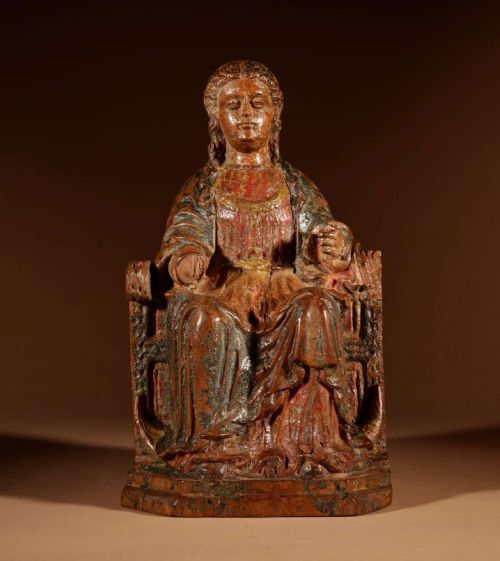
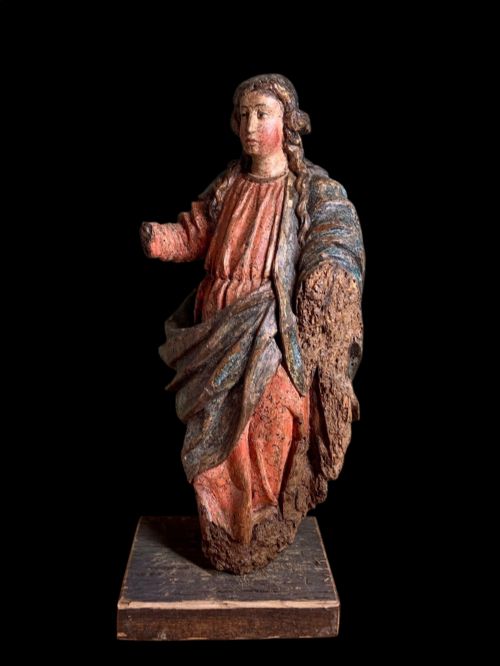
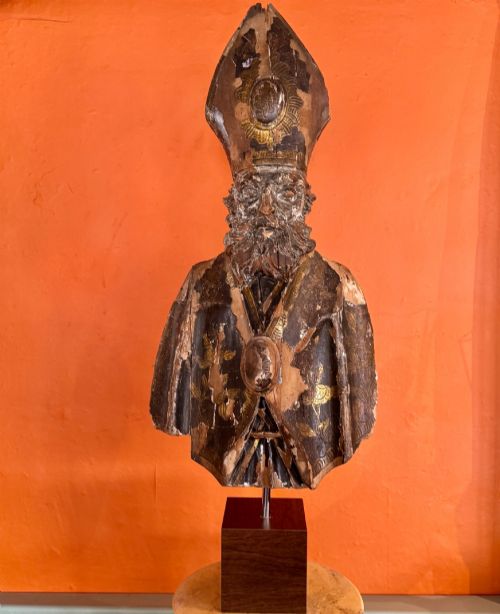
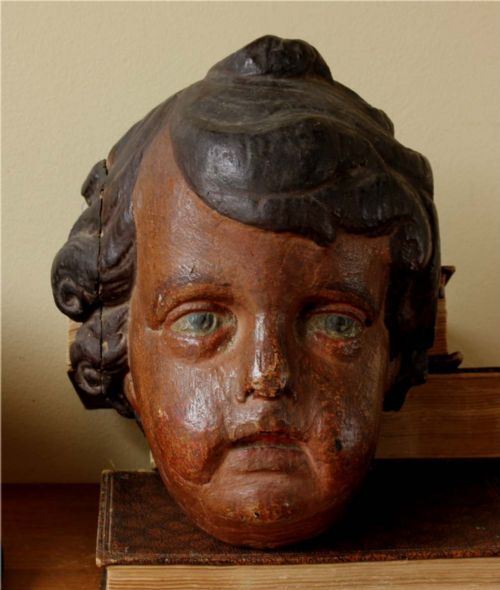
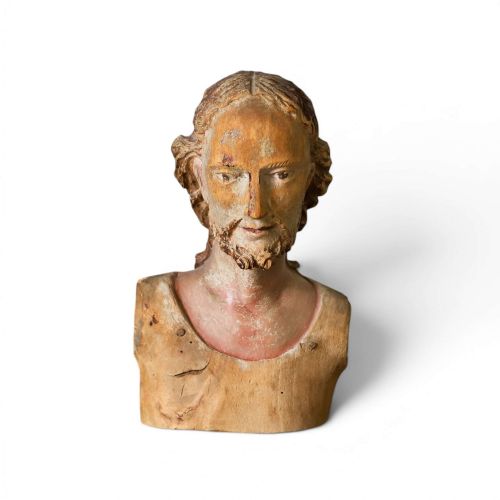
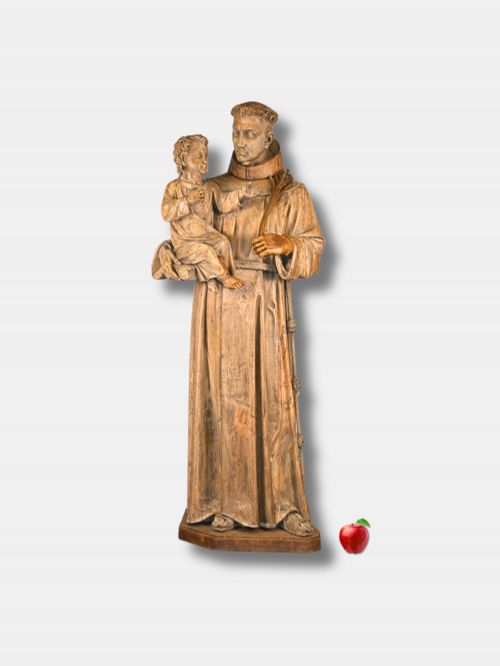
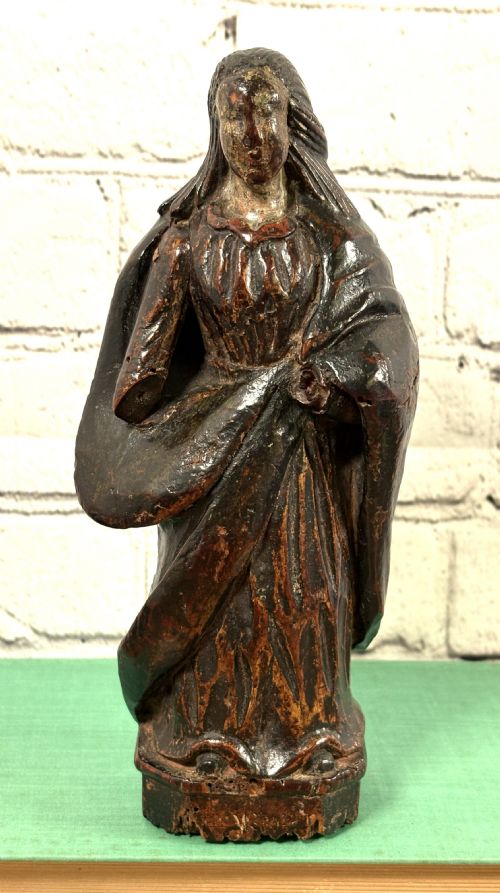
A carved wood ecclesiastical statue represents saints, holy figures and religious scenes produced for churches, chapels and private devotional spaces across Europe. These pieces range from small devotional busts and cherub heads to life-size figures of Mary, Christ and various saints.
The selections available span multiple centuries, from late medieval and Pre-16th century works to Renaissance, Baroque and 19th-century Gothic Revival interpretations. Oak, walnut, limewood and olive wood frequently form the primary medium for these expressive devotional works.
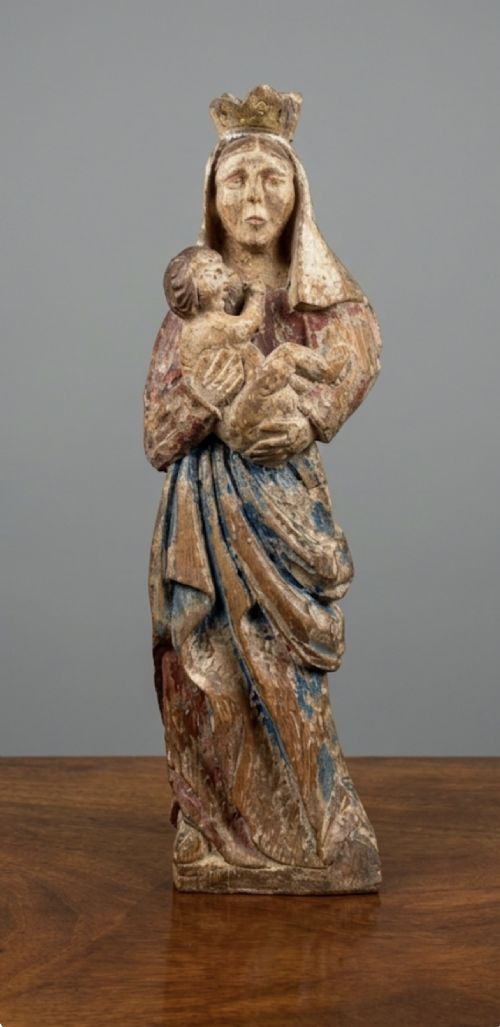
Continental European origins dominate the selection, with Italian, French and German workshops producing the majority of figures. Buyers encounter single saints, grouped family scenes like the Madonna and Child, and pairs of angels intended for altars.
Materials and Carving Techniques
Carpenters and sculptors selected dense hardwoods such as oak, walnut, limewood, applewood and olive wood to carve intricate drapery, facial expressions and anatomical details. These timbers provided the structural stability necessary for large figures and intricate multi-figure groups.
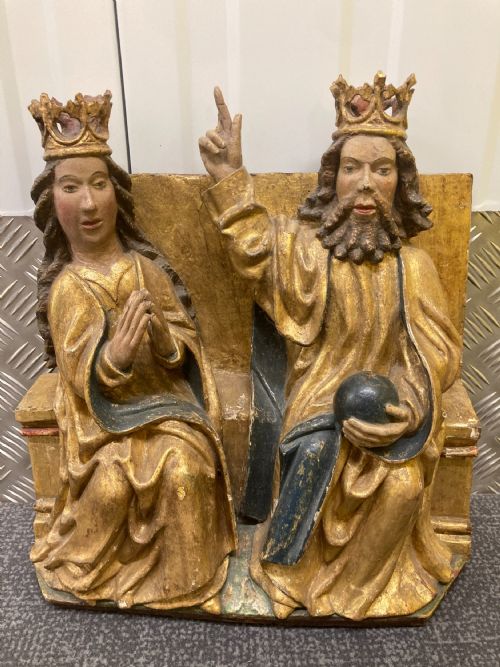
Many surfaces received a preparation layer of gesso before painters applied polychrome paint or gold leaf to enhance the visual impact of the garments and flesh. Guilders and painters worked closely with woodcarvers to finish figures meant for dim church interiors where light reflected off gilded surfaces.
Watch for cherub heads gazing downward from overhead, keeping a permanent wooden eye on the room.
Evaluating Sculptural Merit
The preservation of original polychrome paint and gold leaf significantly influences the character of a piece. Traces of ancient gesso and pigment reveal the original artistic intent, while later overpainting alters the surface texture and historical integrity.
The Carved Wood Ecclesiastical Statue Glossary
- Polychrome
- Painted in several colours. This surface treatment was applied to wood sculptures to make holy figures appear lifelike in religious settings.
- Gesso
- A plaster mix applied to wood before gilding or painting. It provided a smooth white surface for gold leaf and pigments to adhere to.
- Giltwood
- Wood decorated with gold leaf or gold paint. This finish caught the candlelight in dim ecclesiastical interiors.
- Putti
- Depictions of chubby male infants, often winged. They appear frequently in Baroque religious art as cherubs or angels.
- Santos
- A carved figure of a saint. These devotional statues are common in Southern European and Latin traditions.
Carved Wood Ecclesiastical Statue: Frequently Asked Questions
What is an ecclesiastical statue?
An ecclesiastical statue is a religious sculpture created for placement inside a church, monastery or private chapel. These pieces typically depict saints, biblical figures, angels or moments from sacred narratives.
Carvers produced them to inspire devotion, instruct congregations and decorate sacred architecture. Over time, many left their original religious settings to enter private collections.
How do I date a wooden statue?
Dating relies on stylistic clues, tool marks and the choice of wood species. Late medieval and Renaissance figures often display Gothic drapery folds, while Baroque and 19th-century pieces show greater theatricality and naturalism.
Examining the base wood, preparation layers and surface pigments helps confirm the period of creation. Tool marks left by adzes and chisels further indicate the manufacturing era.
Were these figures always painted?
Many medieval and Renaissance wooden sculptures received full polychrome paint finishes or gilding to heighten their realism and majesty. Over centuries, some statues lost their paint through cleaning or wear, leaving bare wood.
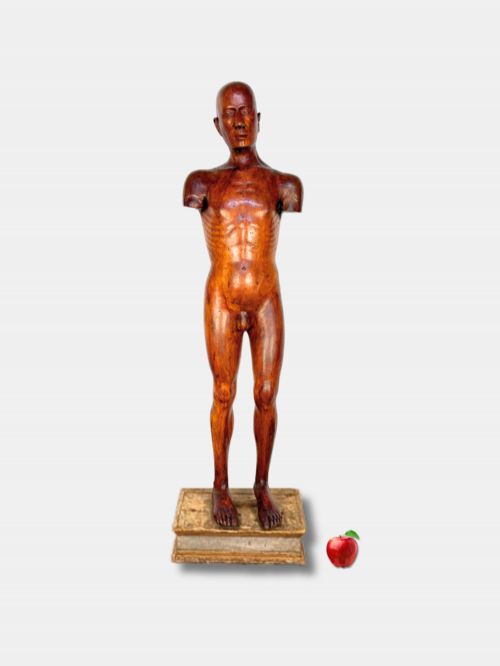
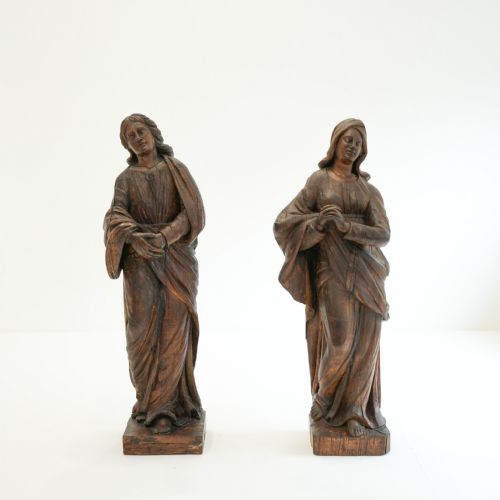
Unpainted wooden studies also existed, particularly in specific regional traditions or later revival periods where the natural grain was appreciated. Both painted and unpainted examples carry distinct aesthetic histories.
How should I display an antique statue?
Displaying an antique wooden figure requires stable environmental conditions away from direct sunlight and sudden temperature shifts. Excessive heat or dryness can cause old timber to split and fragile gesso to flake.
Placing statues on sturdy surfaces, plinths or within secure architectural niches ensures they remain safe. Proper placement protects both the carved timber and any remaining historic surface pigments.