
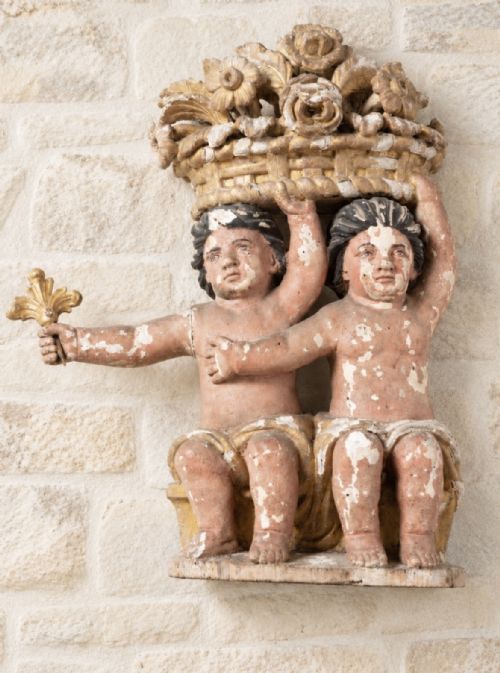


Continental Polychrome Wood Carving
Continental polychrome wood carving brings devotional depth and aged pigment into a room, spanning figures of saints and baroque altarpieces.
Continental Polychrome Wood Carving
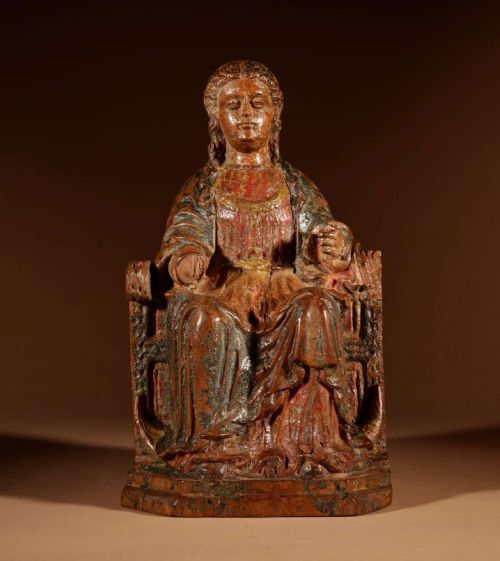
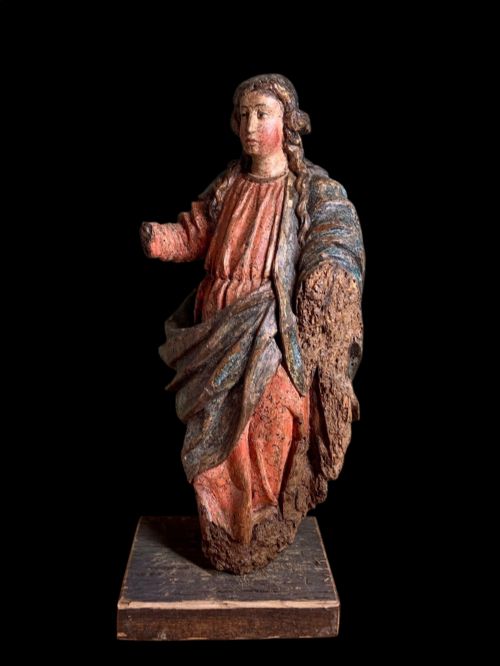
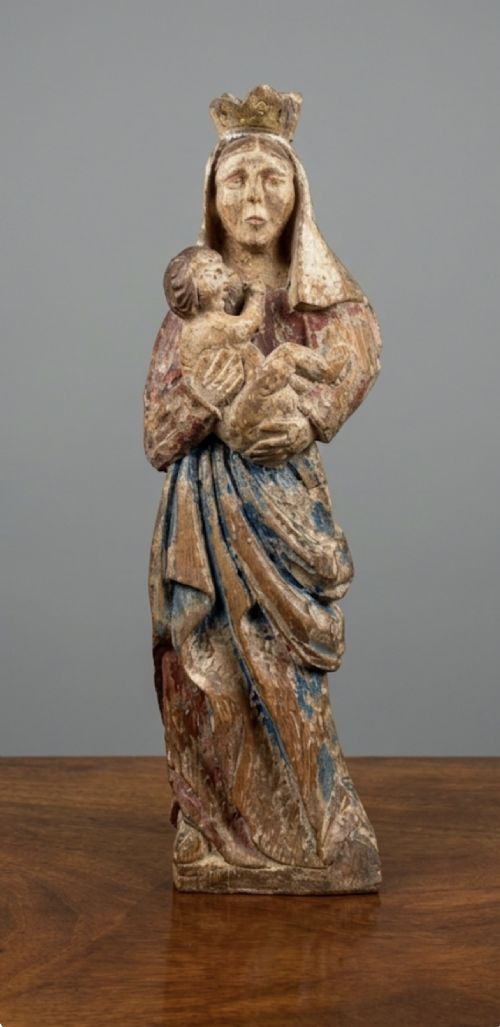
When you search for continental polychrome wood carving, you encounter historical figures and ecclesiastical pieces originating from across Europe. These works primarily take the form of statues, religious sculptures, and decorative carvings shaped from timber.
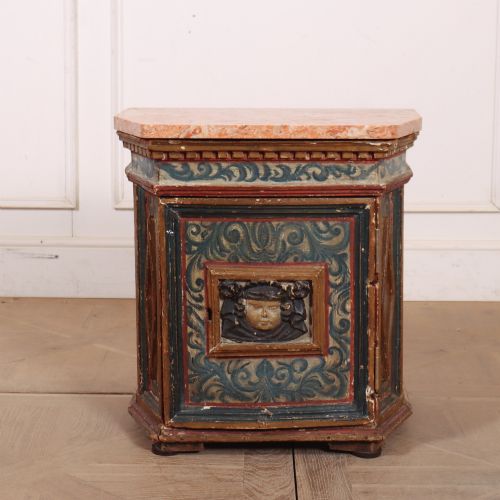
The selections you meet most often on this page date from the seventeenth and eighteenth centuries, frequently manifesting as saints, madonnas, or putti. Alongside devotional figures, the category encompasses architectural elements like wall sconces and cabinets decorated with painted surfaces.
Pieces span a broad chronological timeline, incorporating works from the sixteenth century through to the nineteenth century and the Regency period. They reflect distinct regional aesthetics, particularly Italian and German baroque traditions.
Distinctions in quality and execution
Quality rests upon the sculptural confidence of the carving and the preservation of the original surface layers. Masterful articulation of drapery and facial expression separates finer workshop output from simpler vernacular production.
The relationship between the underlying carved wood and the extant polychrome paint determines the visual integrity of the piece. Surviving pigment with authentic patination contributes substantially to the character of a work.
Materials documented across the listings include walnut, pine, gesso, gold leaf, and painted surfaces deployed across sculptural and architectural forms.
The Continental Polychrome Wood Carving Glossary
- Polychrome
- Decorated in multiple colours. This technique is typical of historic religious statues and architectural elements.
- Gesso
- A plaster mix applied to wood to prepare a surface for painting or gilding. It creates a smooth base for fine detail work.
- Giltwood
- Wood carved and coated with gold leaf or metallic powder. It provides a luminous finish common in baroque decorative arts.
- Putto
- A figure of a small chubby boy, often winged. These decorative motifs appear frequently in pairs on seventeenth and eighteenth century items.
- Baroque
- An ornate artistic style emphasising drama and exuberant detail. This aesthetic influences many altar pieces and large figures in the collection.
Continental Polychrome Wood Carving: Frequently Asked Questions
How were these carvings used originally?
Many of these objects functioned as focal points for private devotion or ecclesiastical settings, inhabiting churches, chapels, and domestic shrines. Figures of saints and madonnas guided prayer and marked sacred spaces.
Other items, such as wall sconces and altar-type candle-holders, provided functional illumination paired with ornate decoration. Cabinets and architectural fragments integrated religious artistry into daily domestic environments.
How do I live with antique wood carvings?
Display these works in stable environments away from direct sunlight and sudden temperature shifts to protect aged wood and delicate pigments. Wall-mounted pieces require secure fixings suited to their substantial weight.
Allow the natural patination and historic wear to remain visible within your interior space. They pair effectively with minimalist modern surroundings or traditional period rooms.
How can I tell the period of a carving?
Examine the style of the carving and the treatment of the garments, which often reflect the prevailing aesthetic of the seventeenth or eighteenth century. Baroque curves differ noticeably from earlier gothic or renaissance rigidity.
Inspect the wood types and the nature of the underlying gesso beneath the paint layers. Structural construction methods and tool marks also offer clues to the approximate date of creation.