



Carved Wood Cherub Panel
A carved wood cherub panel brings the theatrical drama of seventeenth and eighteenth-century architectural decoration straight into a modern interior.
Carved Wood Cherub Panel
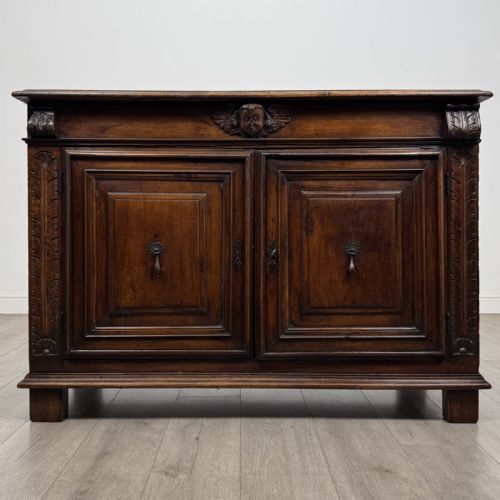
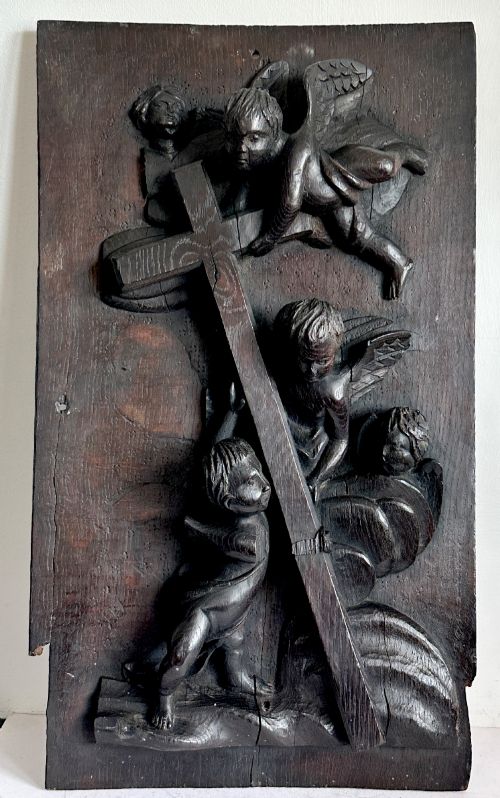
When you search for a carved wood cherub panel, you are looking at architectural salvage, wall reliefs, and overdoor carvings that incorporate putti, angels, and winged heads. The pieces on this page span from the seventeenth century through to the nineteenth century, reflecting periods such as the English Baroque, Italian Baroque, and Renaissance Revival.
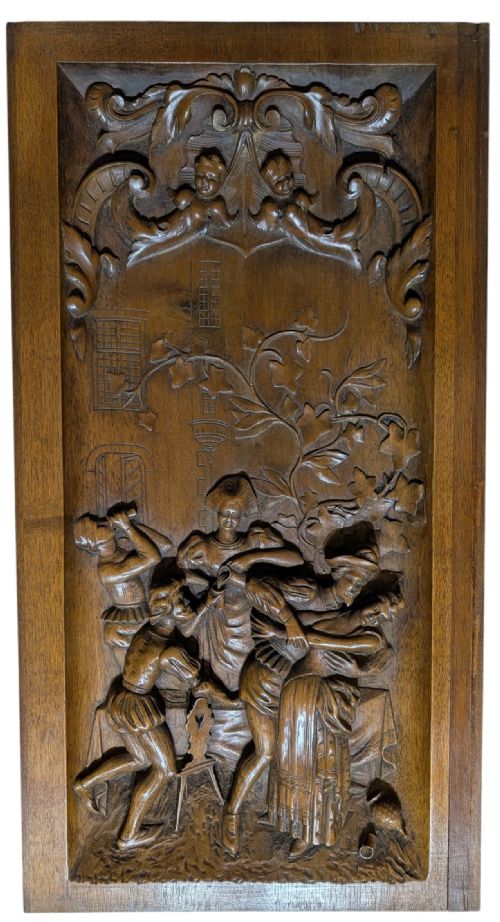
You are most likely to meet substantial oak overdoor panels, staircase panels, and architectural fragments made from timber, oak, and walnut. Many examples originate from ecclesiastical settings or grand domestic interiors, manifesting as high-relief wall sculptures and pediments.
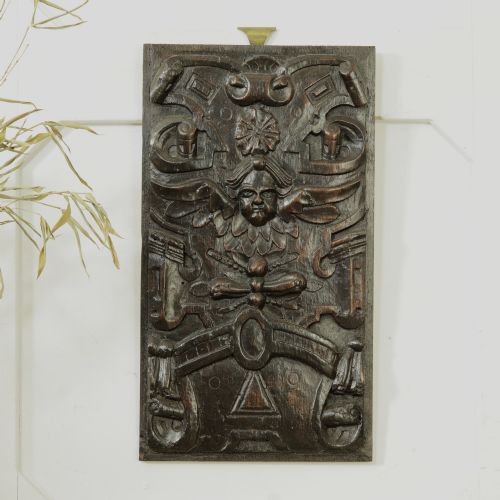
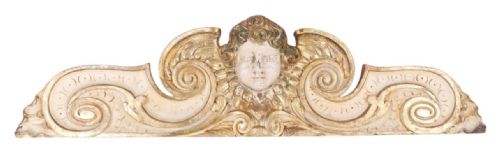
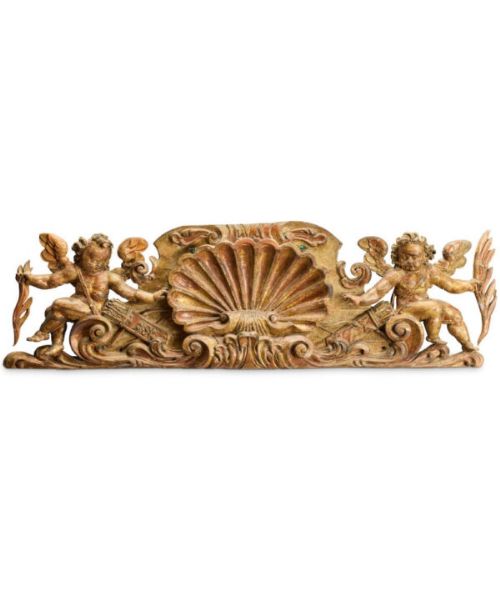
The sculptural focus centres on cherubs, putti, and winged angelic heads, frequently accompanied by carved acanthus leaves, armorial details, and parcel gilt finishes. These items function primarily as wall panels and architectural decorations designed to command attention within a room.
Materials and construction
The carvers worked predominantly in solid timber, using oak and walnut for structural integrity and deep relief work. Artisans executed the sculptures using high-relief carving and pierced carving techniques to achieve dramatic depth and shadow across the acanthus leaves and cherub faces.
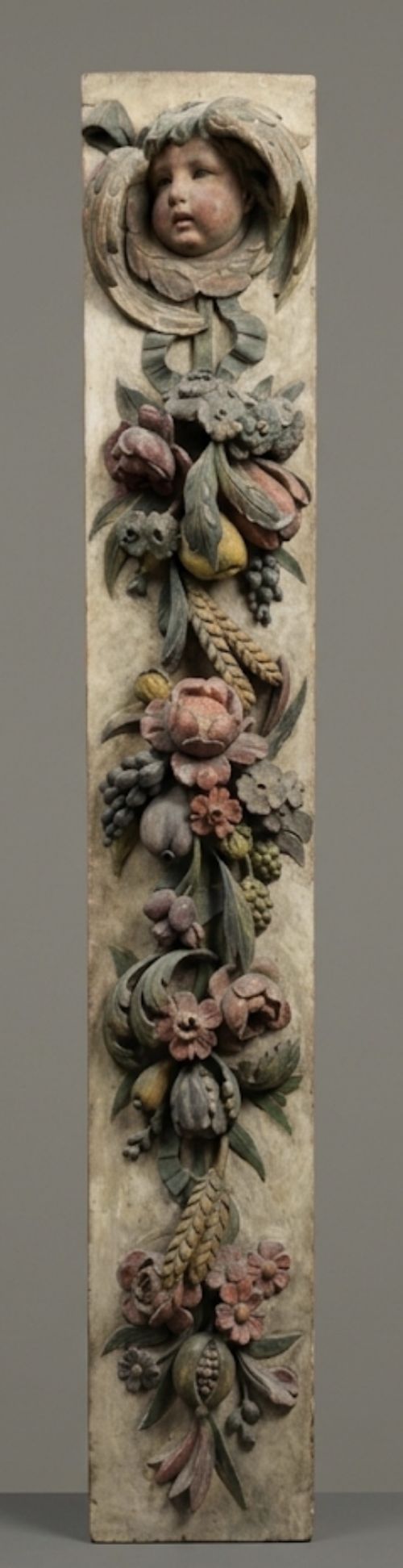
Surface treatments included gesso and gold leaf to create parcel gilt highlights, alongside polychrome wood finishes that added colour to the figures. Some architectural decorations also utilised leathermaché to mould intricate relief details for interior panels.
Carved Wood Cherub Panel Retail Price Guide 2026
Typical asking prices for carved wood cherub panel among the pieces listed under this phrase on Sellingantiques today, from the lower quarter to the upper quarter. They describe what is for sale here now, not the wider market.
Listings feature oak, walnut, and leathermaché pieces spanning seventeenth-century Baroque to nineteenth-century Gothic and Renaissance Revival styles.
Distinctions in quality
The standard of carving defines the upper tier of these pieces, separating confident anatomical rendering in the cherub faces from stiffer, more generic workshop production. Depth of relief and the ambition of the composition, such as pierced acanthus foliage combined with figures, indicate the carver's skill.
Original surface treatments also dictate distinction, with surviving traces of polychrome paint, gesso, and gold leaf holding greater visual presence than stripped timber. The integration of architectural context, whether an overdoor pediment or staircase panel, marks out the more substantial examples.
Edward Pearce
The Carved Wood Cherub Panel Glossary
- Putto
- A figure of a small infant, frequently winged, depicted in classical and baroque art. These figures form the primary subject of a carved wood cherub panel.
- High-Relief
- A sculptural technique where the figures project significantly from the background plane. This method creates strong shadows and a three-dimensional presence on architectural panels.
- Parcel Gilt
- A decorative treatment where parts of an object are gilded with gold leaf while other areas remain unsealed. This technique highlights specific motifs such as cherub wings or acanthus scrolls.
- Architectural Salvage
- Building components and decorative elements removed from historical structures for reuse. Panels and overdoors rescued from buildings often find new life as wall art.
- Acanthus
- A Mediterranean plant whose spiky leaves inspired classical ornament. Carved acanthus foliage frequently frames the cherubs and putti on baroque panels.
Carved Wood Cherub Panel: Frequently Asked Questions
Where were these panels originally placed?
These carvings originated as architectural elements in grand domestic or ecclesiastical buildings, positioned over doorways, along staircases, or within wall paneling to project status and theological or classical themes.
Over time, many of these architectural fragments were salvaged and converted into standalone wall sculptures and decorative panels for interior display.
How do I hang a heavy wood panel?
Due to the substantial weight of solid oak and walnut carvings, secure wall mounting requires direct attachment to wall studs or the use of heavy-duty metal z-clips fixed to the back of the timber.
Professional installation is recommended to support the load safely without damaging the historic wood or risking the structural integrity of the relief.
How can I tell the seventeenth-century panels apart?
Seventeenth-century pieces typically exhibit deep hand-carved oak with vigorous Baroque or Jacobean acanthus scrolls, heavy timber weight, and signs of age-related shrinkage in the grain.
Later nineteenth-century revivals often display different tool marks, cleaner timber joints, or interpretations of Renaissance styles influenced by Victorian taste.
How do I care for antique carved wood?
Maintenance requires keeping the timber away from direct heat sources and dramatic humidity fluctuations to prevent the old wood from splitting or warping.
Dusting gently with a dry, soft cloth preserves the surface finish, avoiding harsh cleaning agents that could strip remaining gesso, gold leaf, or polychrome paint.