





Georgian Carved Wood Panel
A georgian carved wood panel brings tactile depth and rich timber grain to an interior.
Georgian Carved Wood Panel
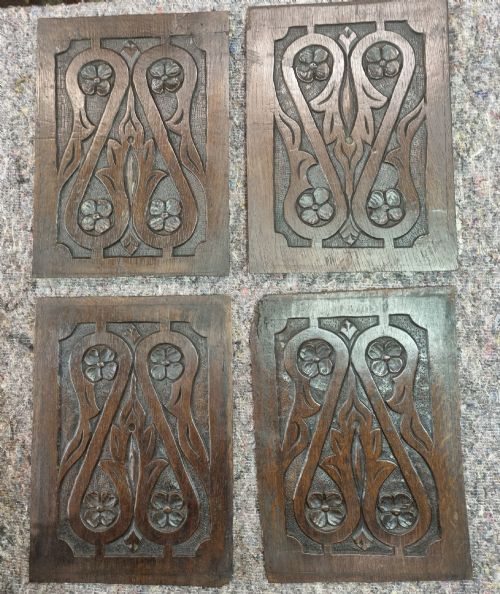
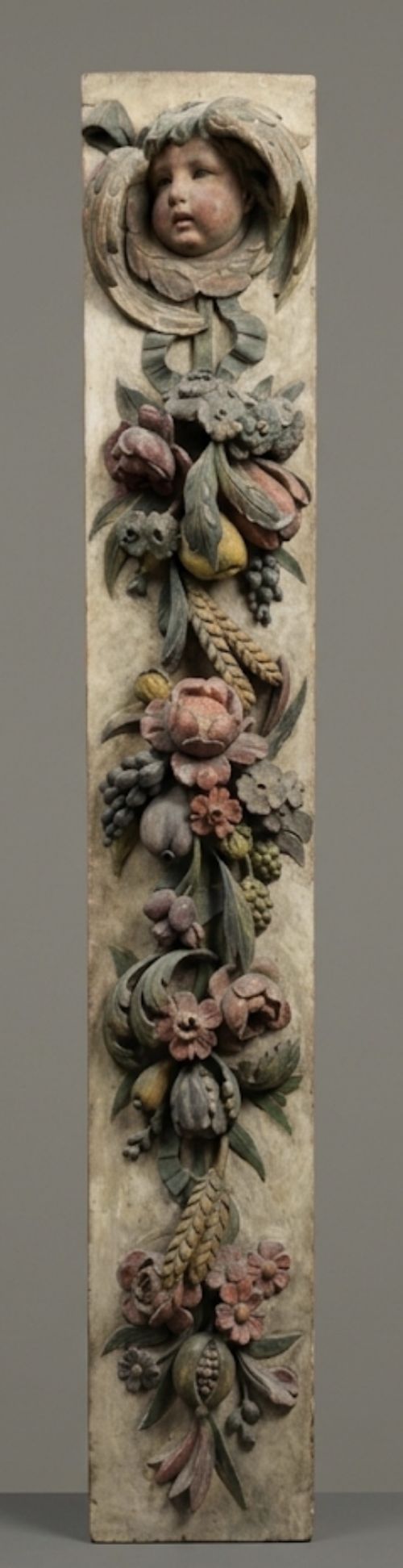
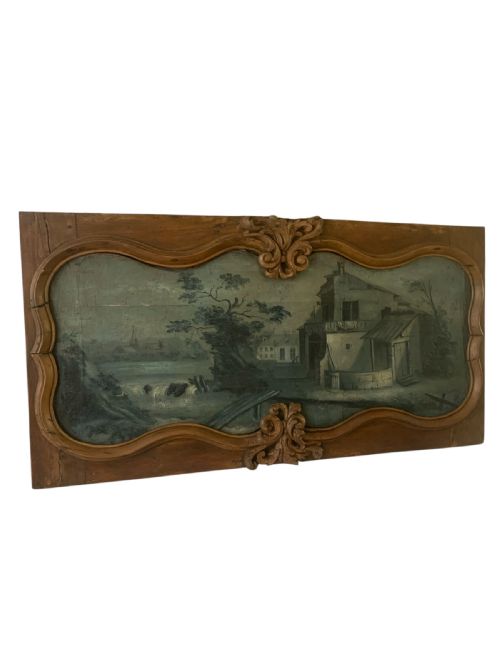
When searching for a georgian carved wood panel, buyers encounter architectural salvage, wall plaques, and architectural elements originating from the eighteenth and nineteenth centuries. These pieces reflect the periods of Georgian, Regency, and Victorian design, alongside styles such as English Country and Baroque.
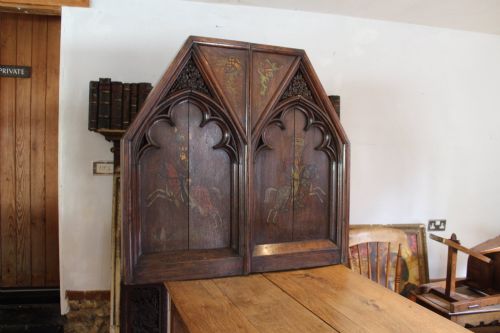
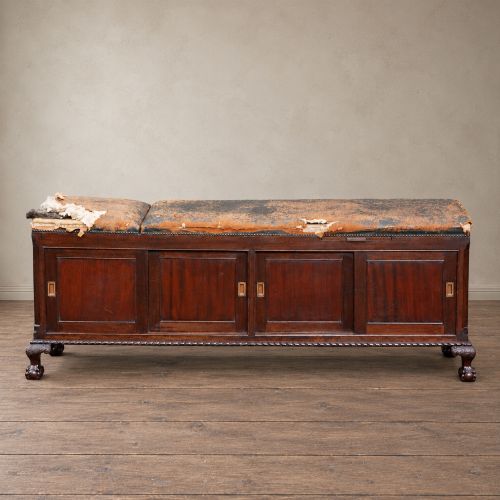
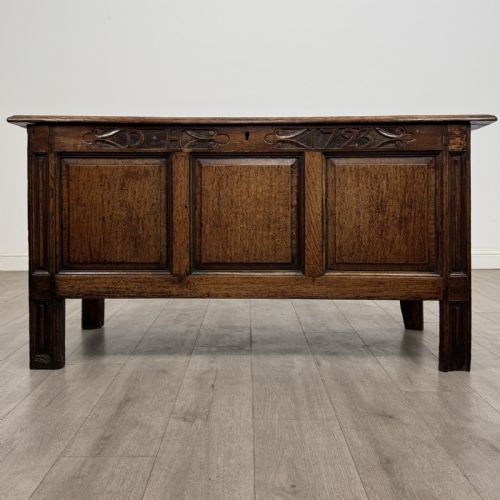
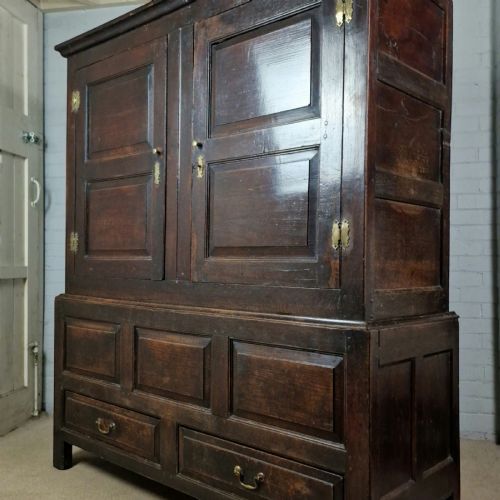
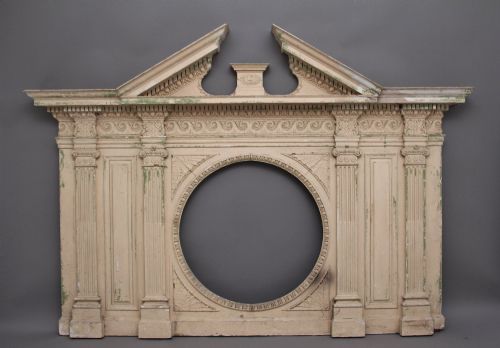
The inventory on this page spans solid timber coffers, storage chests, overmantles, and architectural ceiling bosses rather than flat decorative boards alone. Oak predominates as the primary timber, appearing alongside pine, limewood, and elm in various domestic and decorative contexts.
Materials and Technique
Carpenters and carvers utilised native hardwoods like oak, elm, and limewood, shaping panels through hand carving and joinery techniques appropriate to the period. Surfaces frequently show the texture of chisel work, deep relief carving, and panel construction.
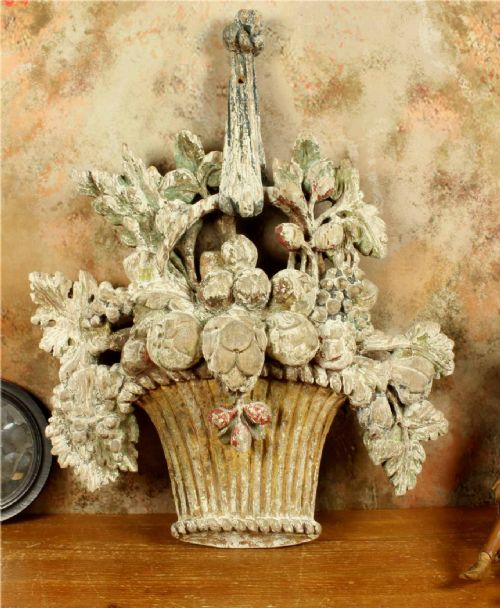
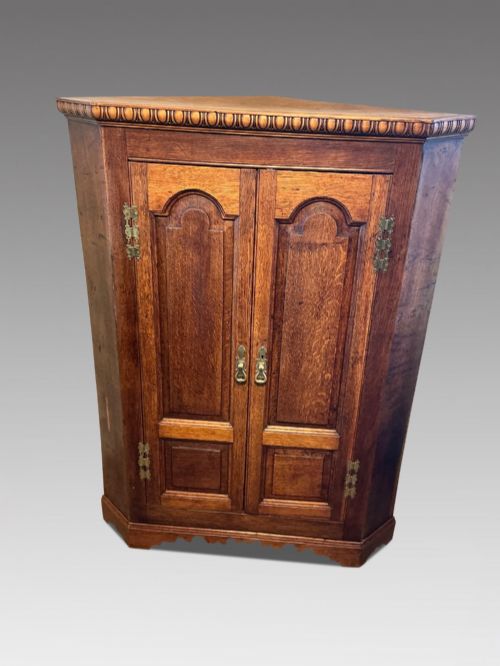
Finishes range from raw timber grain to applied paint, gesso, and polychrome decoration. Brass and iron hardware appear on storage pieces associated with the panel work, while gilt framing occurs on mirrors and wall plaques from later phases.
Georgian Carved Wood Panel Retail Price Guide 2026
Typical asking prices for georgian carved wood panel among the pieces listed under this phrase on Sellingantiques today, from the lower quarter to the upper quarter. They describe what is for sale here now, not the wider market.
Several panels feature squirrels and birds hiding quietly among the carved wooden leaves and foliage.
Craftsmanship and Depth
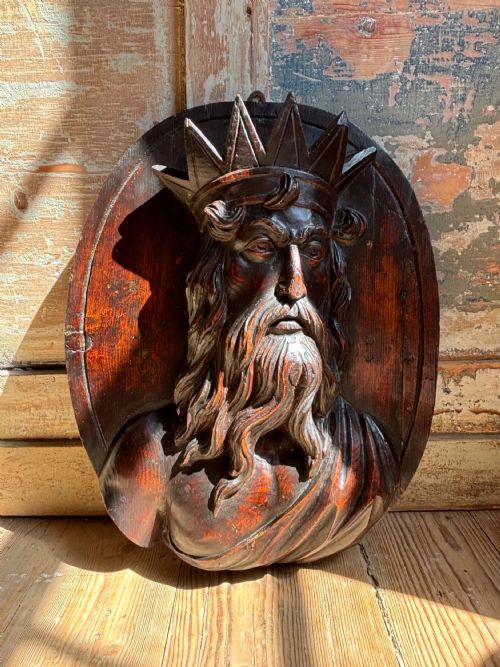
Quality rests in the crispness and depth of the hand carving, particularly in figurative, floral, or classical motifs executed in oak or limewood. Smoother execution and well-defined relief separate finer architectural plaques and ceiling roses from simpler vernacular work.
The integrity of the timber and the retention of original surface treatments, such as early paint layers or polychrome pigment, dictate the visual authority of the piece. Superior examples maintain balanced proportions and harmonious integration within their architectural or furniture context.
The Georgian Carved Wood Panel Glossary
- Coffer
- A large wooden chest used historically for storage, often featuring panelled construction and carved fronts.
- Ceiling Boss
- A projecting block of carved wood placed at the intersection of ceiling ribs, frequently decorated with foliage.
- Overmantel
- A decorative panel, mirror, or painting fitted to the wall directly above a fireplace mantelpiece.
- Mule Chest
- A storage chest equipped with one or more drawers beneath the main internal compartment.
- Polychrome
- Decoration executed in multiple colours, often found on historic wooden panels and architectural carvings.
Georgian Carved Wood Panel: Frequently Asked Questions
How were carved wood panels used?
These pieces functioned as architectural salvage, wall decoration, or integrated components of larger furniture items like cupboards and coffers.
Craftsmen built them to adorn domestic interiors, overmantels, and ceilings, adding texture and sculptural interest to rooms.
What timber is most common?
Oak is the predominant wood seen across these listings, valued for its durability and suitability for deep relief carving.
Other materials like pine, limewood, and elm also appear depending on the specific regional style and period.
How do I date a panel?
Dating relies on examining the tool marks, timber species, joinery methods, and stylistic motifs present in the carving.
Eighteenth-century examples often display robust oak construction and hand-chiselled details aligned with Georgian or Baroque aesthetics.
Where should I place a panel?
These pieces suit wall placement in living spaces, hallways, or above fireplaces where their relief work can catch the light.
Heavier items like coffers function well as functional storage furniture doubling as display surfaces.