

Baroque Wooden Wall Carving
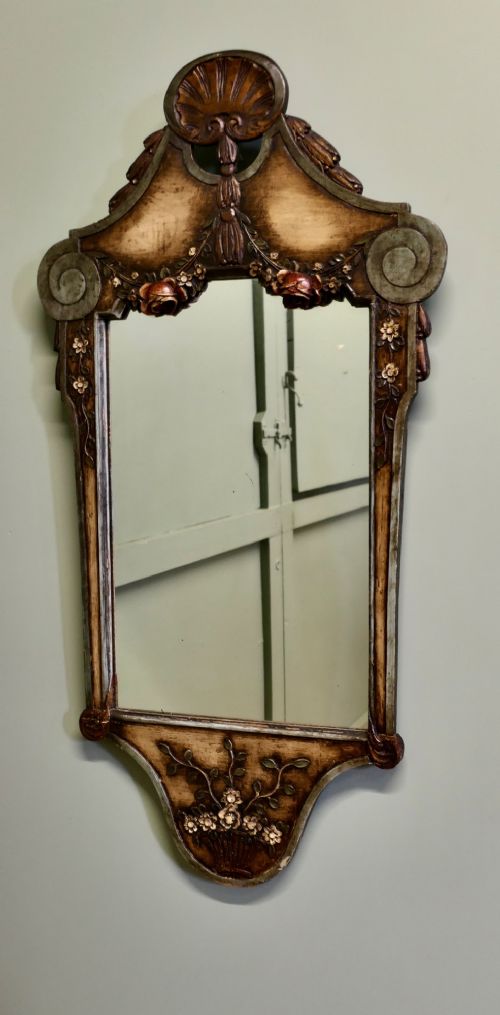
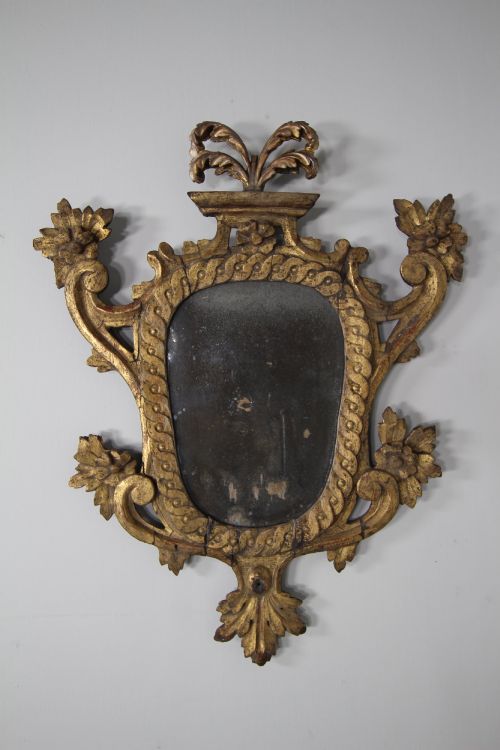
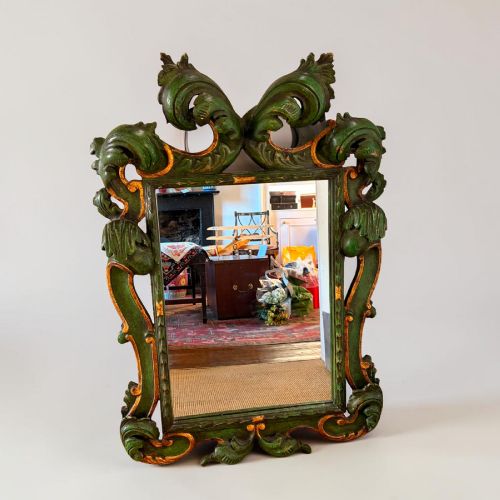
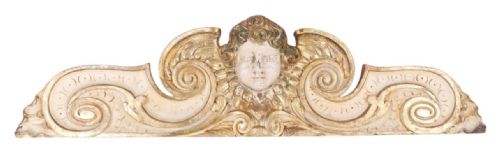
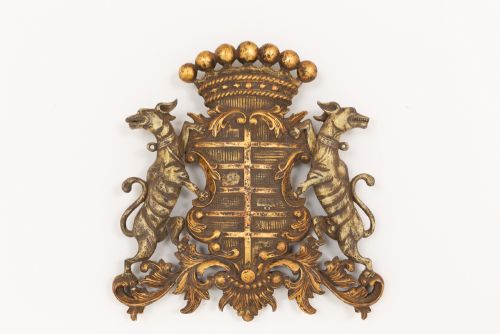
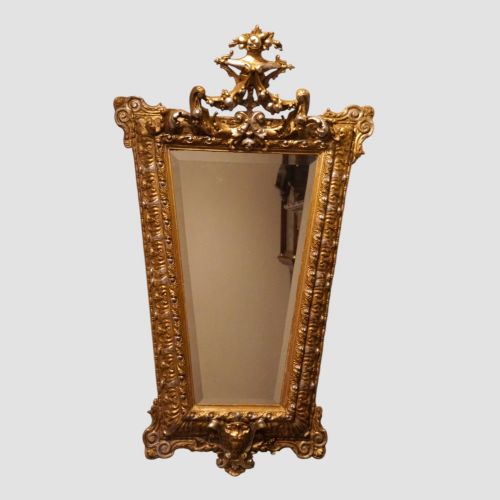
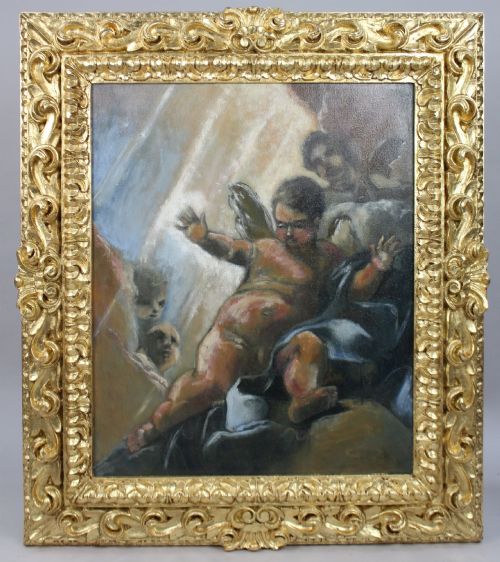
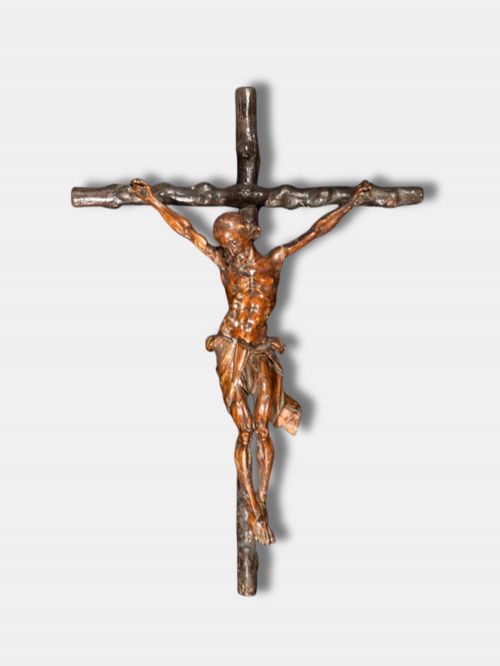
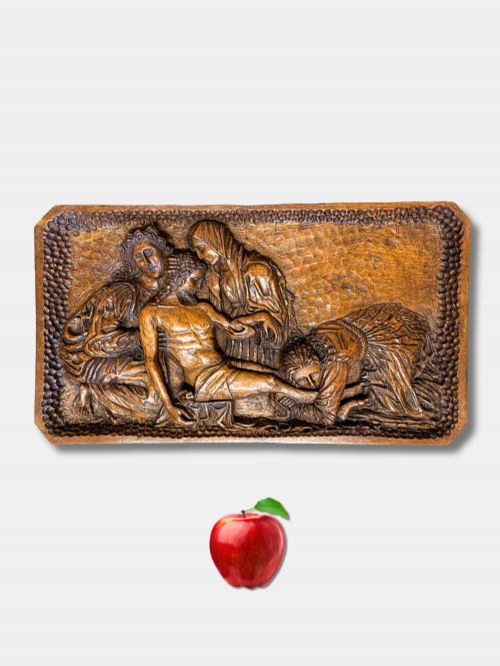
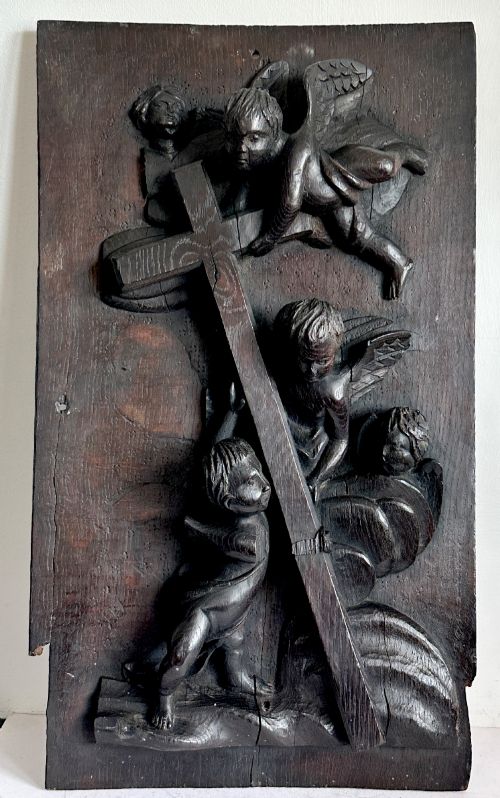
These pieces of baroque wooden wall carving span centuries of European craftsmanship, bringing rich relief and dynamic ornament into any interior.
Baroque Wooden Wall Carving
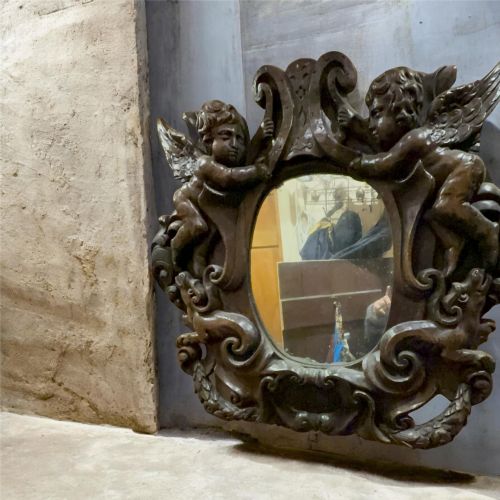
A baroque wooden wall carving encompasses architectural salvage, devotional panels, and decorative fixtures designed to enrich domestic and ecclesiastical spaces. These items range from sturdy 17th century oak panels and armorial shields to later mirrors and wall lights.
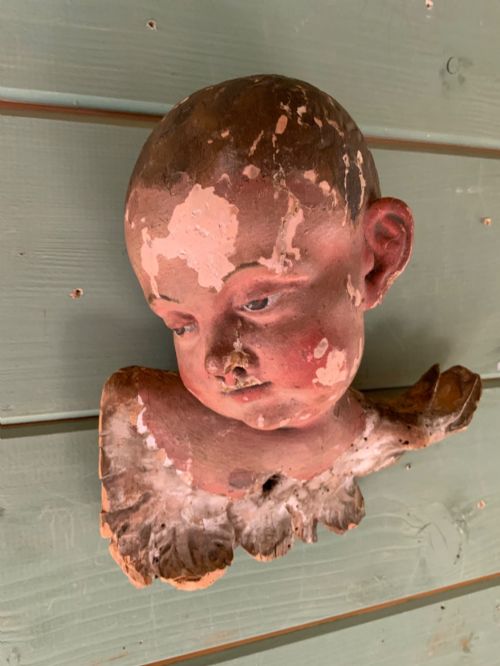
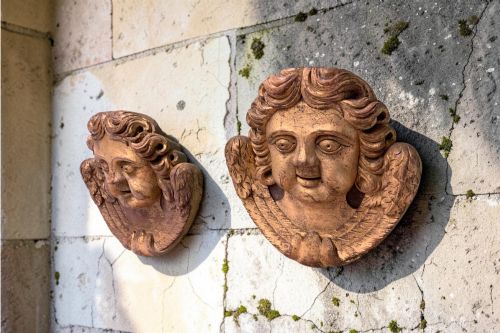
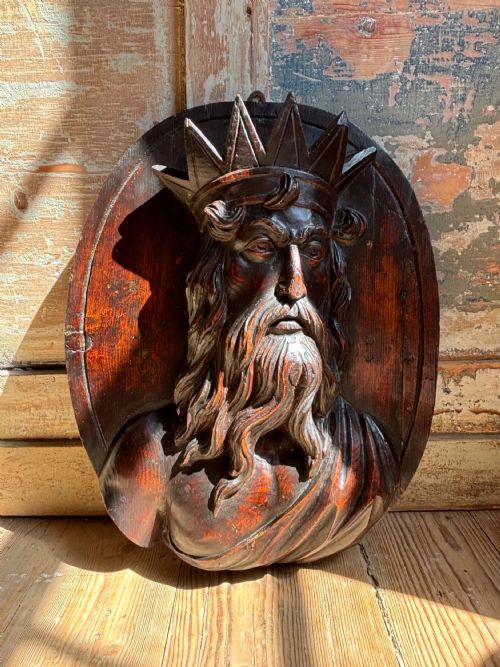
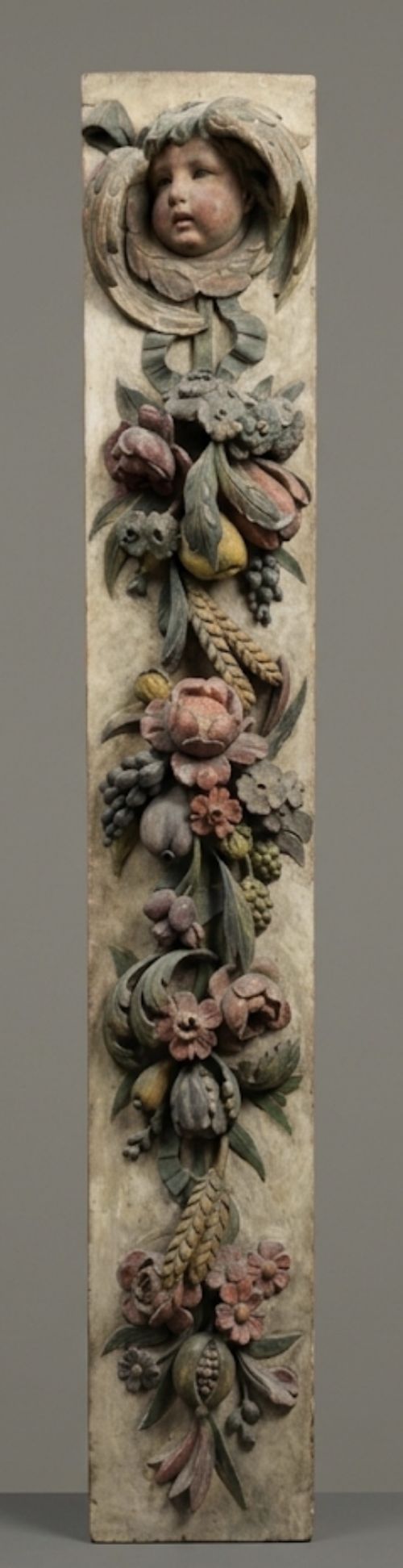
The selection includes robust walnut plaques depicting mythological figures alongside delicate limewood cherubs and giltwood brackets. Many examples originate from Italian, French, and Flemish workshops working within distinct regional traditions.
Buyers will encounter both genuine period carvings from the 17th and 18th centuries and revival interpretations dating from the 19th and early 20th centuries. Oak, walnut, and chestnut provide the primary structural foundation for these sculptural wall elements.
Materials and technique
Artisans carved dense hardwoods such as oak, walnut, chestnut, and limewood using specialised gouges and chisels to achieve deep undercut reliefs and naturalistic forms. These durable timbers allowed craftsmen to render intricate acanthus leaves, figures, and heraldic motifs without splintering.
Surfaces frequently received preparation with gesso before application of gold leaf, silver leaf, or polychrome paint to catch candlelight within grand rooms. This layered finish protected the timber while providing the theatrical sheen characteristic of the period.
Baroque Wooden Wall Carving Retail Price Guide 2026
Typical asking prices for baroque wooden wall carving among the pieces listed under this phrase on Sellingantiques today, from the lower quarter to the upper quarter. They describe what is for sale here now, not the wider market.
Listings feature structural oak panels, gilded limewood cherubs, and walnut console tables spanning the seventeenth to the twentieth centuries.
Assessing the work
The integrity of the original surface finish, whether aged gilding, polychrome pigment, or raw timber patination, dictates the visual authority of the piece. Masterworks retain harmonious proportions that integrate the carved motif seamlessly with its architectural function.
Edward Pearce
The Baroque Wooden Wall Carving Glossary
- Gesso
- A plaster mixture applied to wood surfaces to prepare them for gilding or painting. It creates a smooth base that holds fine detail.
- Acanthus
- A stylized leaf ornament derived from Mediterranean flora and widely utilised in classical and baroque architectural decoration.
- Corbel
- A structural bracket projecting from a wall to support a weight above. Sculpted versions often display figurative or floral motifs.
- Polychrome
- The practice of decorating architectural elements and sculptures in multiple colours. This technique enhances realism on wooden religious figures.
Baroque Wooden Wall Carving: Frequently Asked Questions
How were wooden wall carvings used historically?
These carvings adorned panelled rooms, overmantels, and ecclesiastical interiors to project status and piety. They functioned as structural supports, devotional focal points, or decorative frames for mirrors and paintings.
Larger reliefs often anchored the decorative scheme of a salon or chapel, integrating architecture with figurative sculpture.
How do I distinguish 17th century panels from revival pieces?
Early period pieces exhibit tool marks consistent with hand chisels and dense timber patination acquired through centuries of oxidation. Revival works from later periods often show mechanical precision and different framing techniques.
Examining the reverse of the panel reveals construction methods and wood shrinkage that indicate true age.
How should I hang a heavy carved panel?
Heavy wooden carvings require secure attachment directly into wall studs or masonry using appropriate brackets rated for the weight of the timber. Professional installation prevents strain on the ancient joints and prevents accidental damage.
Ensure the hanging hardware accommodates the specific protrusion of brackets or sconces.
How do I care for gilded and painted wood?
Maintain stable humidity and temperature to prevent the timber from warping and the gesso ground from cracking. Dust gently with a soft dry brush without using liquid cleaners or chemical polishes.
Keep pieces away from direct sunlight to preserve the integrity of historic leaf and pigment.