


18th Century Wall Panel
An 18th century wall panel brings centuries of architectural character and narrative texture into a modern interior through carved wood, painted canvas, or woven textile.
18th Century Wall Panel
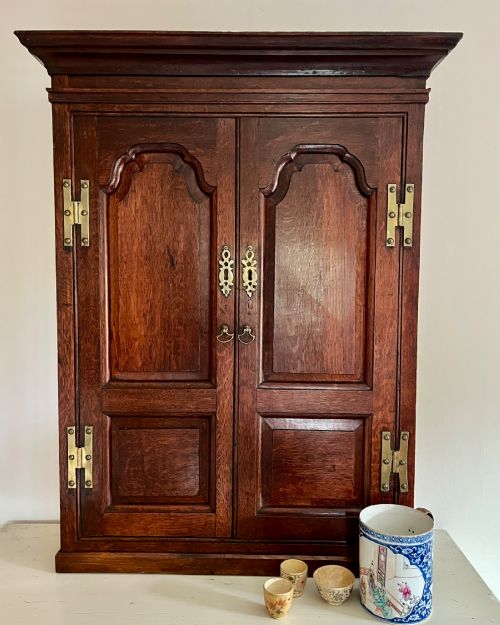
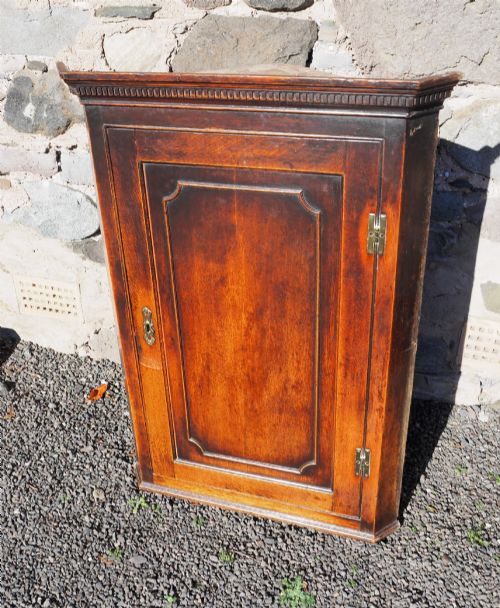
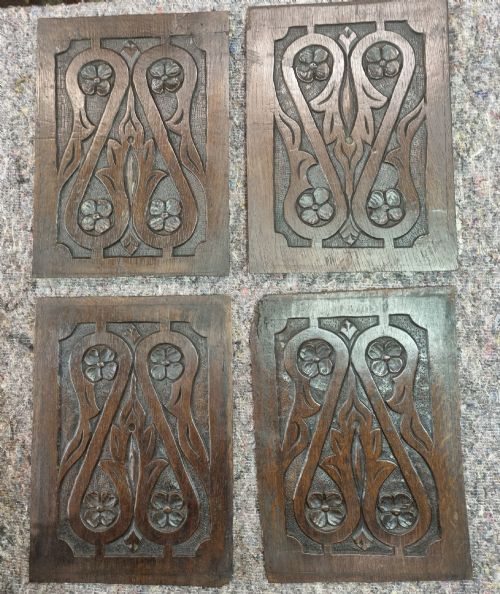
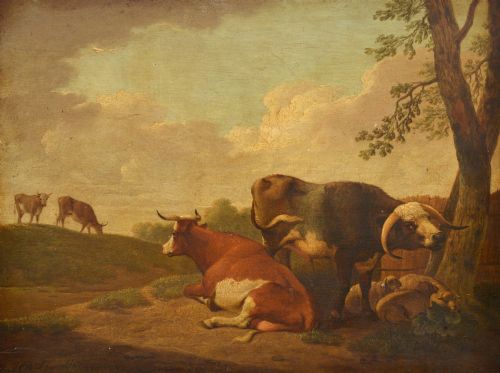
When you search for an 18th century wall panel, you encounter a diverse group of architectural fragments, textiles, and paintings originally designed to adorn domestic interiors. The selection spans carved oak and pine panels, architectural cupboard doors, painted overmantels, and large needlework tapestries.
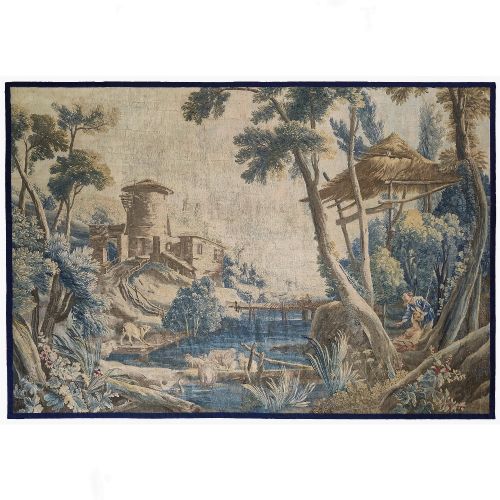
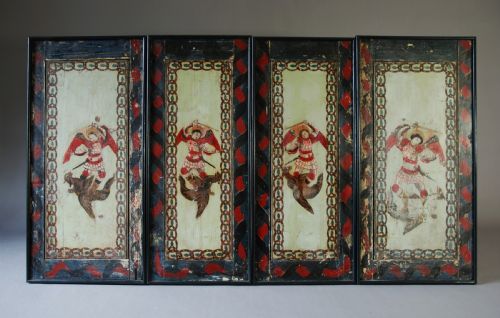
You are most likely to meet wooden panels and framed textile pieces from the Georgian and 18th century periods. These range from naive painted pine depictions of saints to elaborate Flemish verdure tapestries and carved heraldic panels.
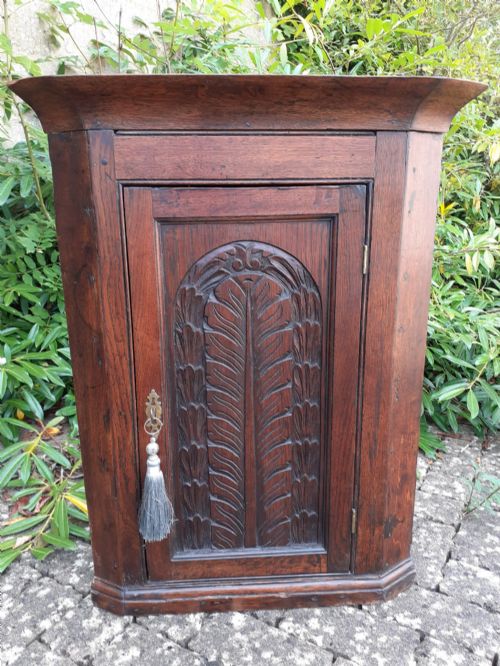
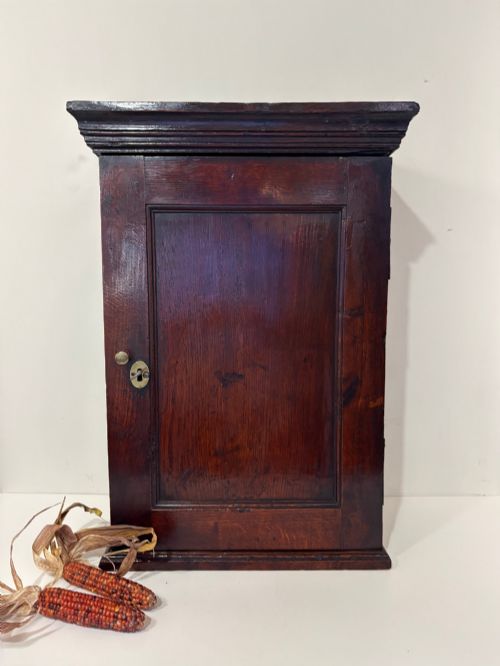
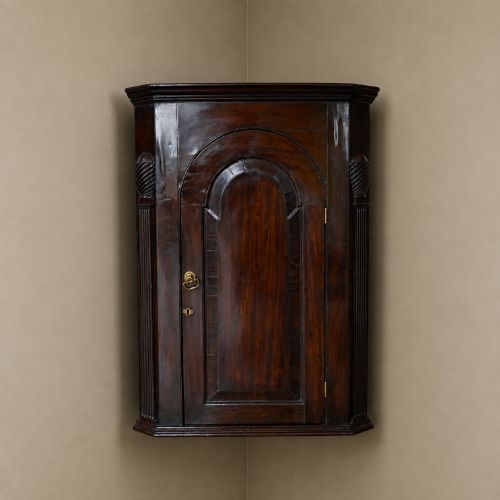
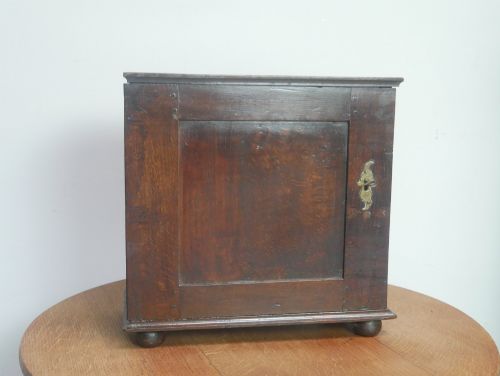
The category also encompasses specialised domestic elements such as spice cupboards, corner cabinets, and painted coach panels functioning as wall displays. Each piece reflects the interior ornamentation preferences of the 1700s, whether British, French, or Italian.
How they were made
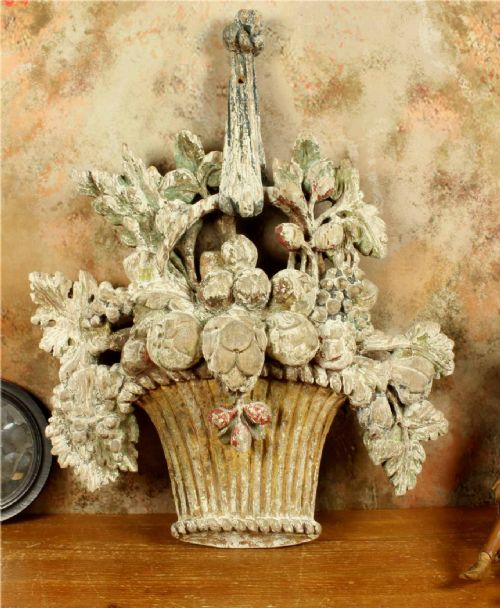
Makers utilised solid timbers such as oak, pine, elm, and walnut, shaping them through hand-carving and joinery to create architectural reliefs and cupboard doors. Surfaces were frequently embellished with polychrome paint, oil paint, or gilding to enhance the visual depth of figures and floral motifs.
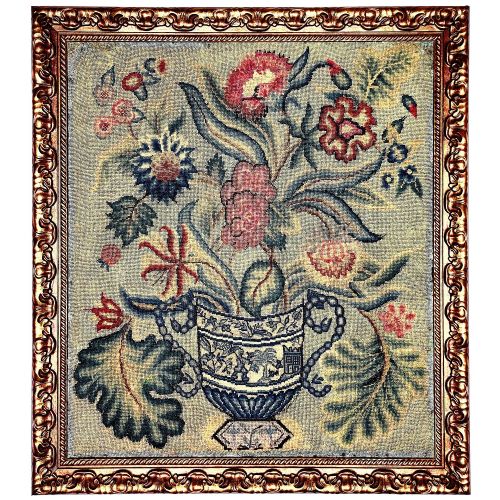
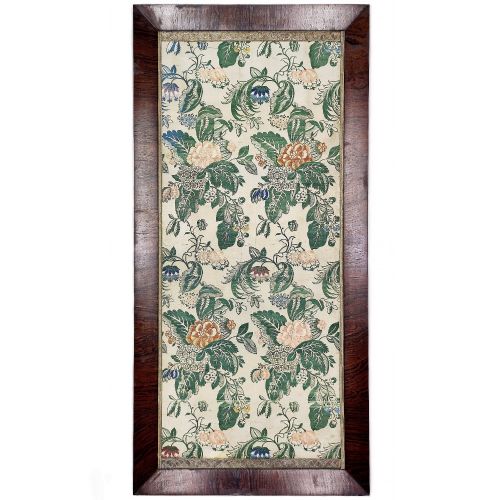
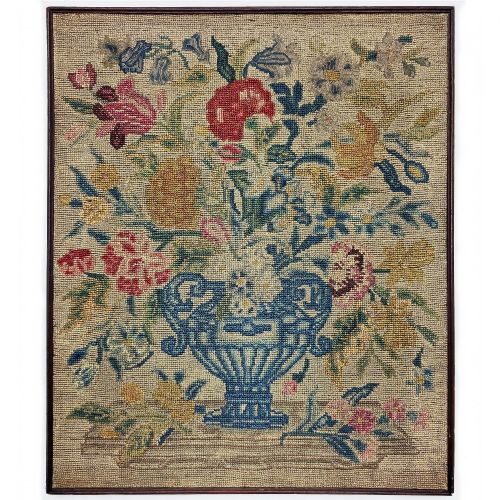
Textile variants rely on needlework, silk floss, and wool, often worked on linen backings to form samplers, pastoral pictures, and large hanging tapestries. Enamel and ceramic materials also appear, notably in Limoges plaques and manganese Delft tiles mounted for display.
18th Century Wall Panel Retail Price Guide 2026
Typical asking prices for 18th century wall panel among the pieces listed under this phrase on Sellingantiques today, from the lower quarter to the upper quarter. They describe what is for sale here now, not the wider market.
Materials recorded across the inventory include silk, wool, linen, oak, pine, elm, walnut, glass, brass, and oil paint.
What varies in quality
The distinction between ordinary and exceptional pieces rests upon the crispness of the hand-carving and the sophistication of the painted or woven composition. Masterful proportions and expressive detail in figural subjects set finer works apart from simpler, provincial items.
Preservation of original surface finishes, such as historic polychrome pigment or untouched oak patina, dictates the desirability of wooden and painted panels. Intact textile borders and minimal intervention in needlework pictures also elevate the standing of a piece.
Hendrik Willem Schweickhardt·Benjamin Eugene Fichel
The 18th Century Wall Panel Glossary
- Overmantel
- A decorative panel, painting, or mirror frame designed specifically to sit above a fireplace mantelpiece. These often feature pastoral landscapes or mythological scenes suited to domestic reception rooms.
- Verdure tapestry
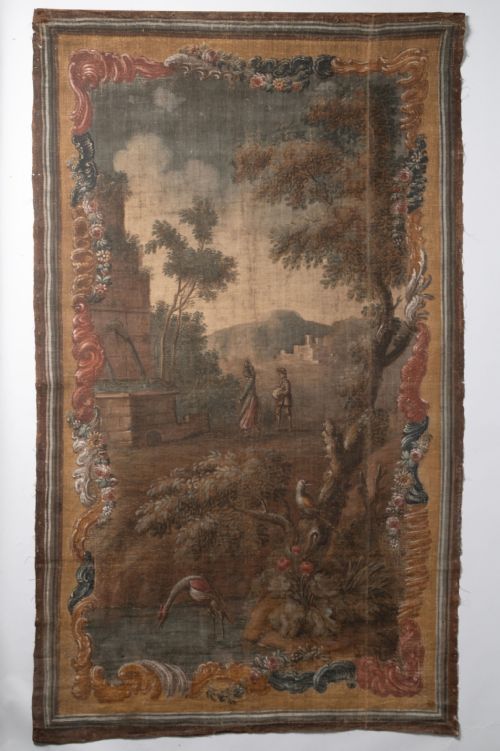
- A woven wall hanging dominated by lush foliage, trees, and often animals or birds, typically originating from Flemish or French workshops. They served both to insulate stone walls and to bring garden scenery indoors.
- Needlework picture
- A decorative textile composition worked in silk, wool, or metal thread on a linen ground. These framed pieces frequently depict pastoral scenes, portraits, or allegorical figures.
- Polychrome
- Decorated in multiple colours, particularly applied to wood or plaster carvings. This technique brought dimensional architectural reliefs to life with realistic skin tones and garment hues.
- Spice cupboard
- A small wall-mounted wooden cabinet with internal small drawers or shelving, used in 18th century kitchens or parlours. They often feature fielded panel doors and brass hardware.
18th Century Wall Panel: Frequently Asked Questions
How were these panels used originally?
Eighteenth-century panels were integrated directly into room panelling, mounted above fireplaces as overmantels, or hung as standalone textile artworks. They served both an aesthetic purpose and a practical one, helping to insulate draughty stone rooms.
Larger woven tapestries and painted canvases covered entire walls of reception rooms to display wealth and narrative scenes. Smaller carved wooden panels and architectural cupboard doors functioned as functional storage fronts or decorative wall reliefs within domestic spaces.
How do I tell a Georgian panel from a later copy?
Examining the construction marks, tool impressions, and timber shrinkage helps determine the age of wooden panels. Eighteenth-century joinery typically displays hand-cut joinery and signs of period hand tools rather than modern machine precision.
For painted and textile panels, the chemical composition of the pigments, the weave of the backing linen, and natural ageing of the materials provide key indicators of period authenticity. Comparing the style of carving or painting to verified 18th century examples confirms the timeline.
How should I clean an antique painted panel?
Dusting gently with a soft, dry, lint-free cloth is the safest method for maintaining antique painted or carved wooden panels. Moisture and modern chemical cleaning agents can damage fragile historic oil paint, gilt, and aged wood surfaces.
If deeper conservation is required, professional restoration is recommended to avoid stripping away original patinas and pigment layers. Keeping the panel away from direct heat sources prevents the timber from warping and the paint from cracking.