


Carved Wood Chair
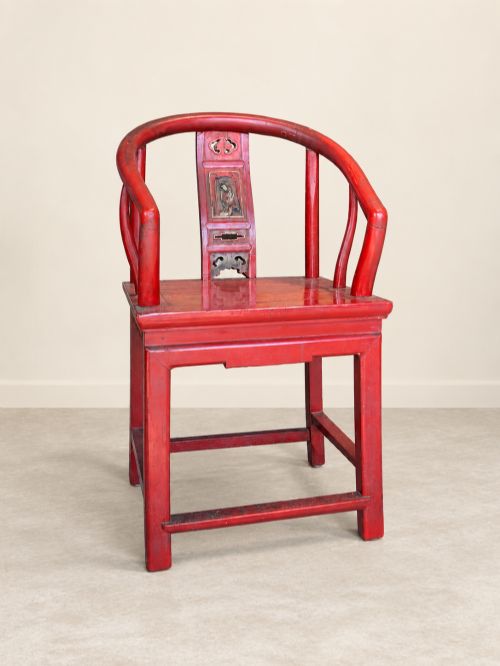
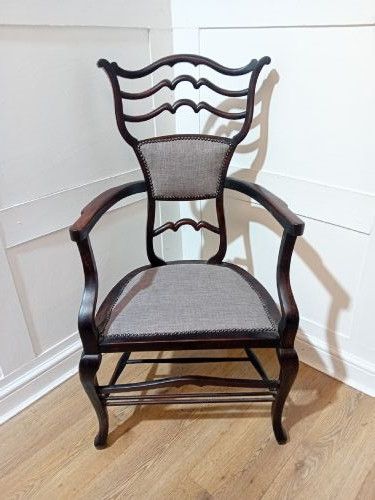
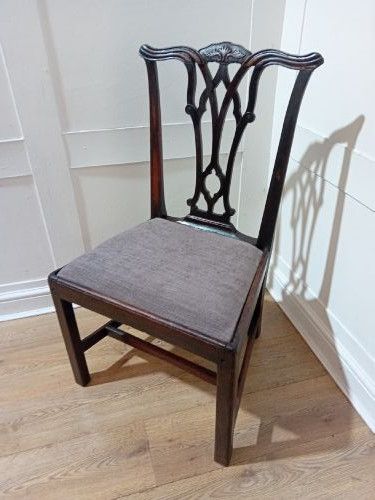
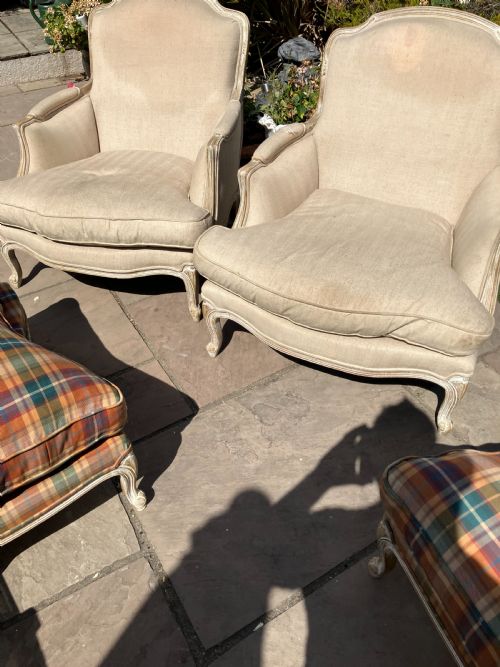
A carved wood chair brings tactile warmth and historical presence into a room, spanning rustic Windsor forms to formal Regency dining seats.
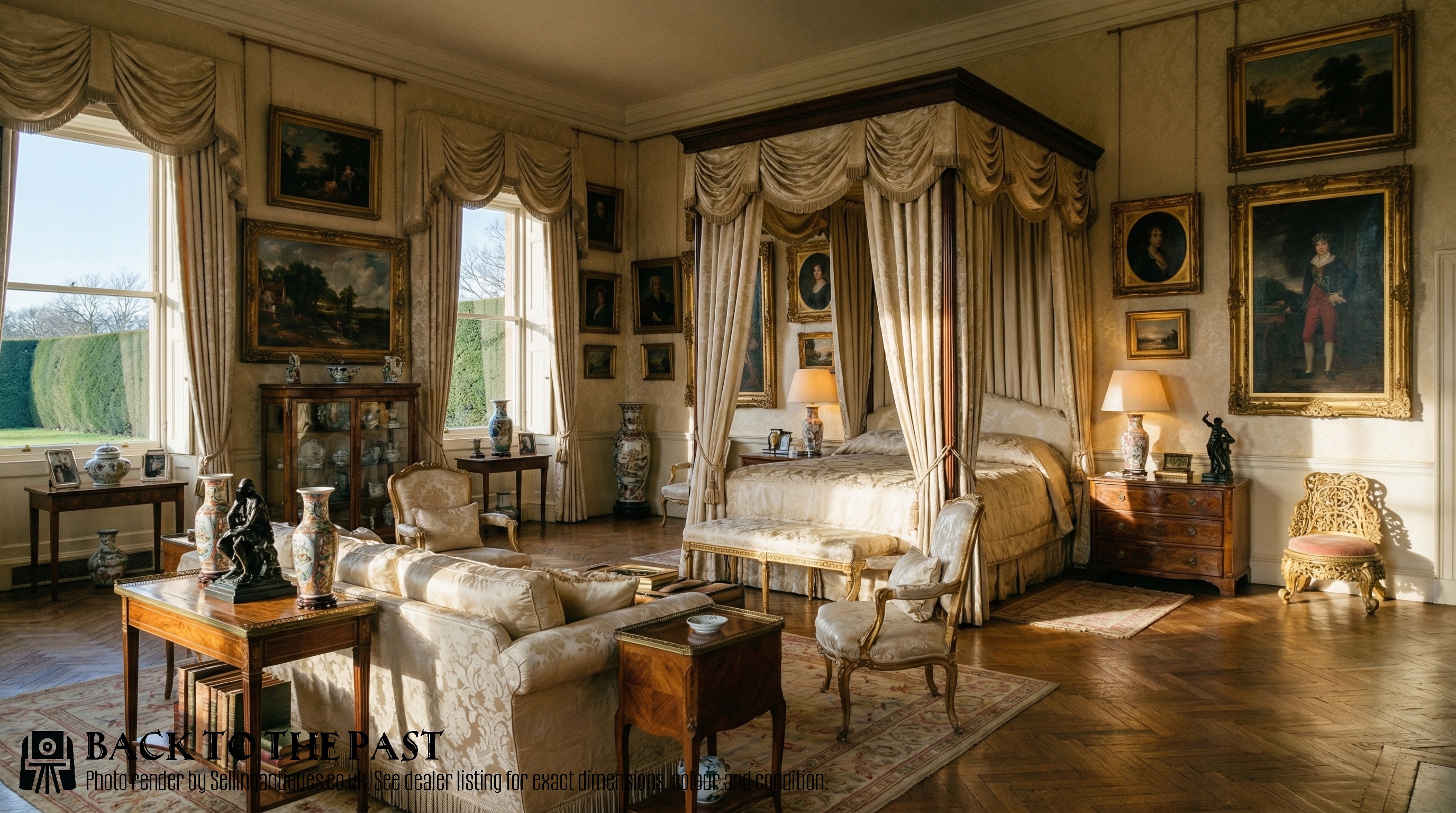
Carved Wood Chair
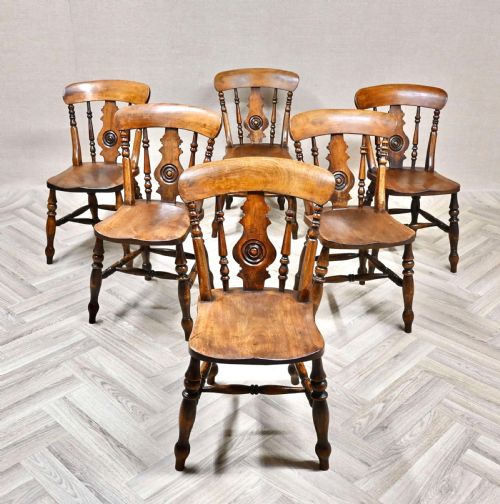
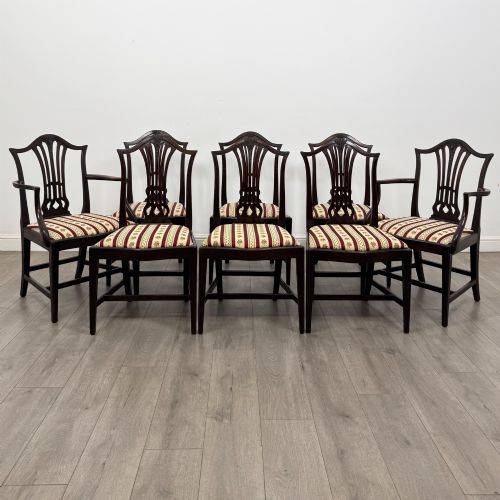
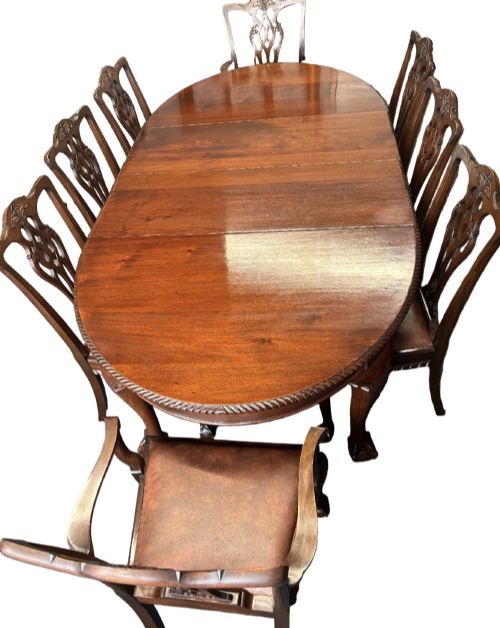
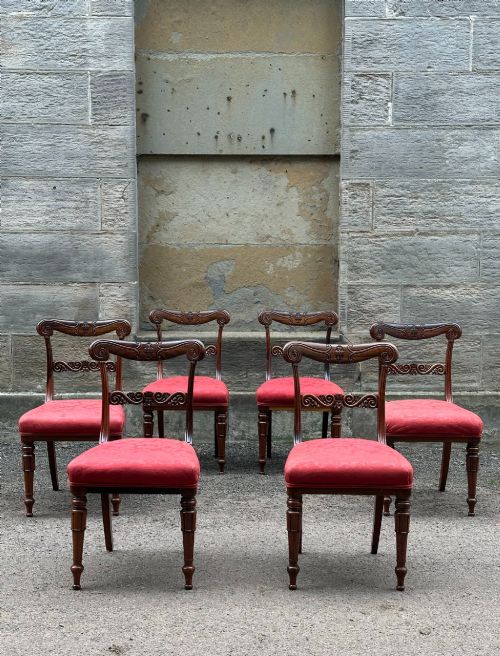
A carved wood chair encompasses seating forms ranging from robust kitchen dining sets and hall chairs to ornate salon armchairs and library desks seats. When exploring a carved wood chair selection, buyers frequently encounter 19th-century Victorian examples alongside 18th-century pieces rooted in Georgian or Baroque traditions.
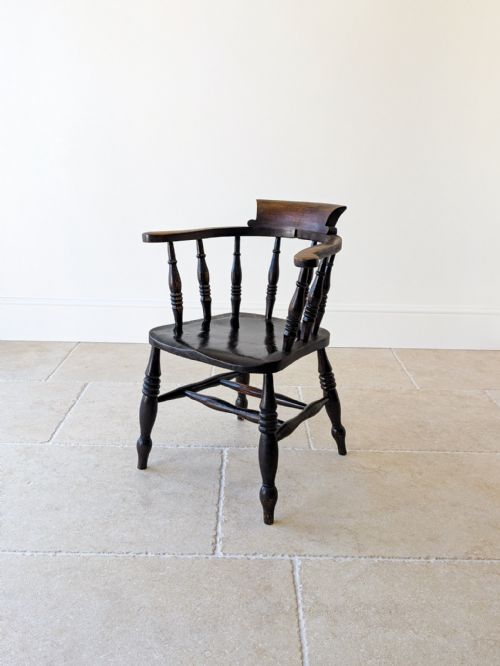
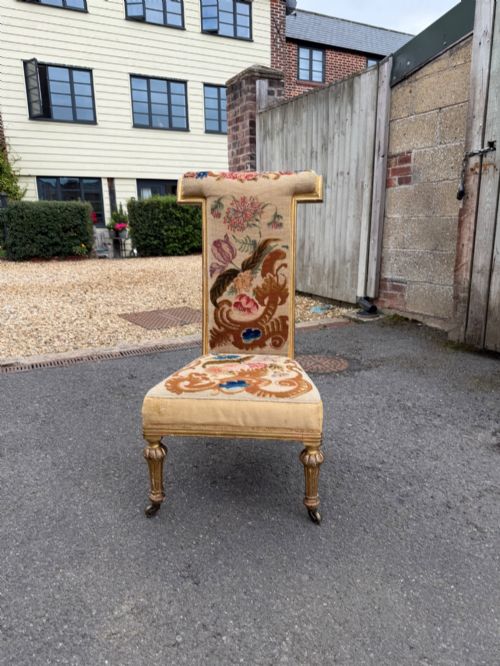
The assortment includes specialised forms like Captain's chairs, rocking chairs, and prie-dieu alongside complete dining sets. Woods span native timbers like oak, elm, and beech to dense imported hardwoods including mahogany, rosewood, and walnut.
Regional variations extend from English Windsor styles to French Louis revival models, Anglo-Indian craftsmanship, and Chinese hardwood seating. Each piece reflects the functional demands of its era, whether designed for formal reception rooms, studies, or daily dining.
Materials and construction methods
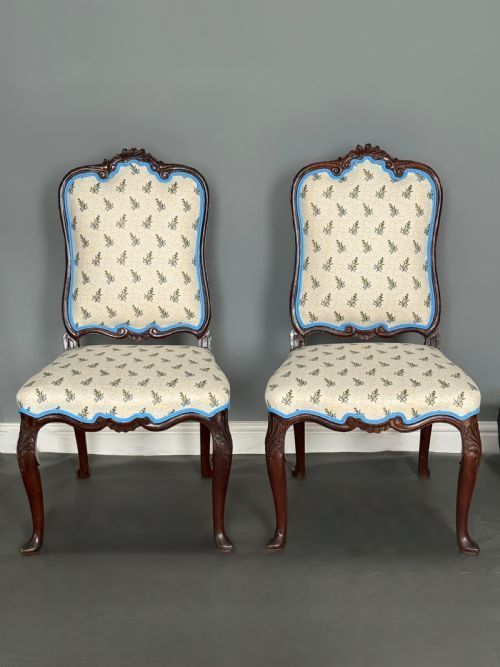
Cabinetmakers utilised solid timbers such as mahogany, oak, walnut, and rosewood, selecting specific woods for their structural strength and grain patterns. Dense hardwoods allowed carvers to execute intricate scrolling foliage, gadrooning, and figurative details along splats, crest rails, and cabriole legs.
Traditional joinery methods, including mortise and tenon joints, ensured structural integrity across dining sets and heavy armchairs. Upholstered variants integrated supportive webbing, horsehair stuffing, and springs beneath coverings of silk, velvet, brocade, or leather.
Carved Wood Chair Retail Price Guide 2026
Typical asking prices for carved wood chair among the pieces listed under this phrase on Sellingantiques today, from the lower quarter to the upper quarter. They describe what is for sale here now, not the wider market.
Some carved wooden seats incorporate whimsical animal motifs, including elaborate ram heads and full-bodied carved elephants.
Assessing craftsmanship and design
The distinction between standard utility seating and exceptional examples lies in the depth and crispness of the carving work. Superior pieces display fluid, hand-carved ornamentation where details remain sharp and well-proportioned across the frame.
Material selection and structural retention heavily influence overall excellence. Prime specimens maintain original timber surfaces with minimal replacement components, robust joinery, and well-balanced proportions that withstand centuries of use.
Gillows·Jennens and Bettridge·Colefax and Fowler
The Carved Wood Chair Glossary
- Carver
- An armchair designed en suite with a set of smaller dining side chairs, usually featuring scrolled or outward-curving elbow rests.
- Splat
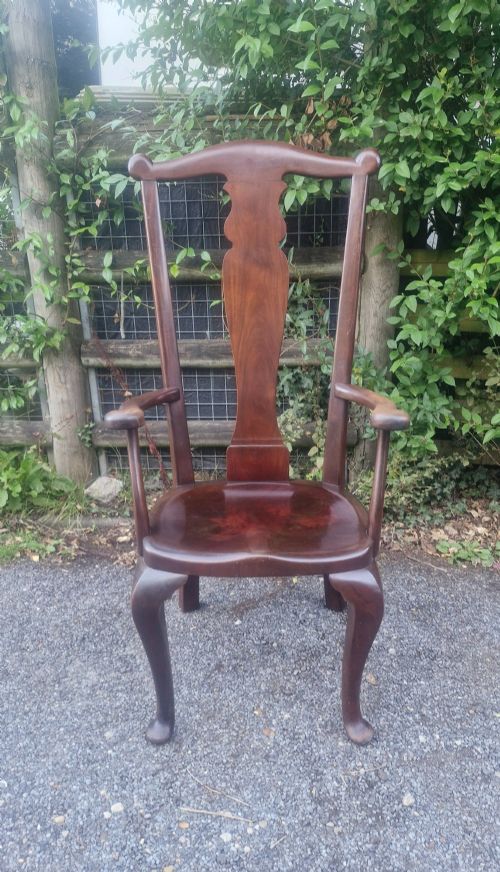
- The upright wooden slat positioned centrally within the back of a chair, often shaped, pierced, or carved in styles like the ladderback or shield back.
- Cabriole leg
- A furniture leg that curves outward at the knee and tapers inward toward the foot, frequently terminating in pad, claw-and-ball, or scroll feet.
- Bergere
- An enclosed upholstered armchair featuring wooden framing around the back and sides, commonly paired with cane panels or padded cushions.
- Gadrooning
- A decorative carved moulding consisting of convex curves or fluting, frequently applied to the seat rails or edges of formal tables and chairs.
Carved Wood Chair: Frequently Asked Questions
How do I care for an antique carved chair?
Maintain wooden surfaces by applying appropriate furniture wax sparingly to nourish the grain without building up heavy residues. Protect delicate textiles and upholstered seating from direct sunlight to prevent fabric degradation and fading.
Keep antique chairs away from direct heat sources such as radiators to avoid timber shrinkage and cracking. Period joints benefit from stable indoor humidity levels and regular checks for loose connections.
Can I use antique dining chairs daily?
Many solid wood dining chairs remain robust enough for regular daily use provided their structural joinery is secure. Inspect the frame periodically to ensure legs and stretcher joints maintain their original stability under weight.
Heavily carved or delicate giltwood salon chairs suit lighter decorative use rather than rigorous daily seating. Matching vintage sets can be integrated into modern dining spaces when paired with compatible table heights.
How do I identify the period of a wooden chair?
Examine the timber species, construction techniques, and decorative motifs to establish a baseline era. Georgian and Regency pieces often feature distinct carved back splats and leg profiles characteristic of 18th and early 19th-century design.
Compare the overall silhouette against documented furniture styles such as Victorian balloon backs or Louis revival frameworks. Tool marks, joinery methods, and wear patterns further confirm the age of the timber.
What is the difference between a side chair and a carver?
Side chairs are armless seats traditionally manufactured in sets to surround a dining table. Their compact frame allows them to slide neatly beneath table edges when not in use.
Carvers feature integrated armrests designed for the head of the table or as standalone accent seating. They require additional space around a dining arrangement due to their wider wooden framework.