
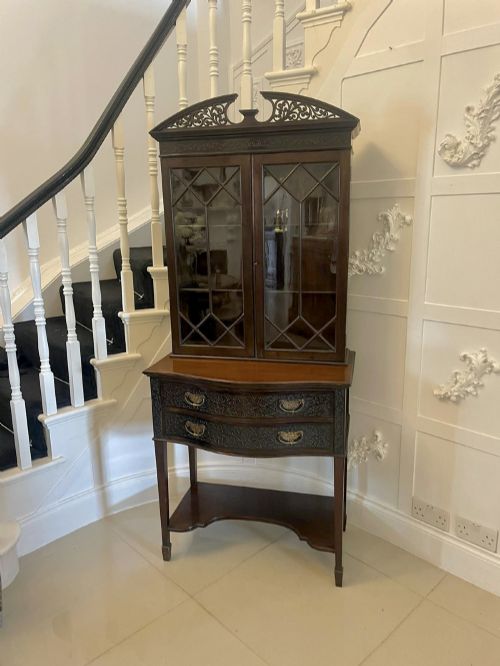
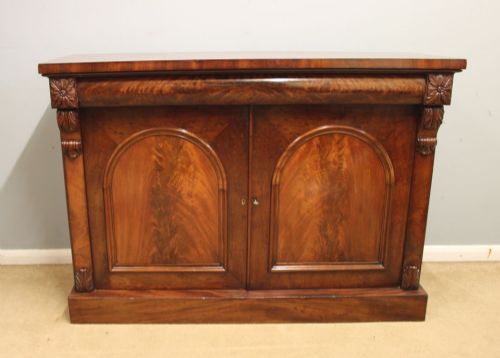
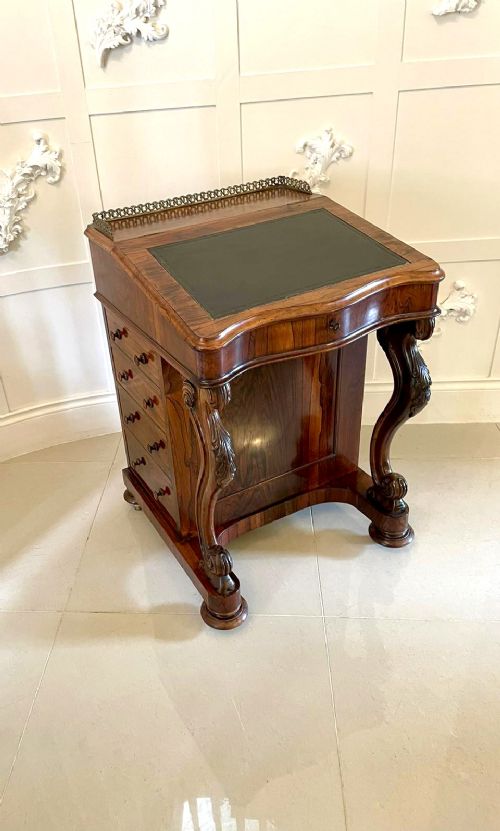
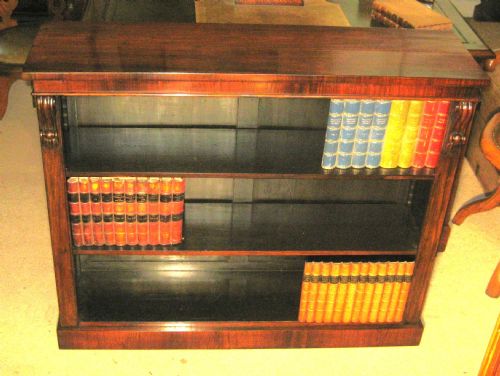
Carved Wood Cabinets
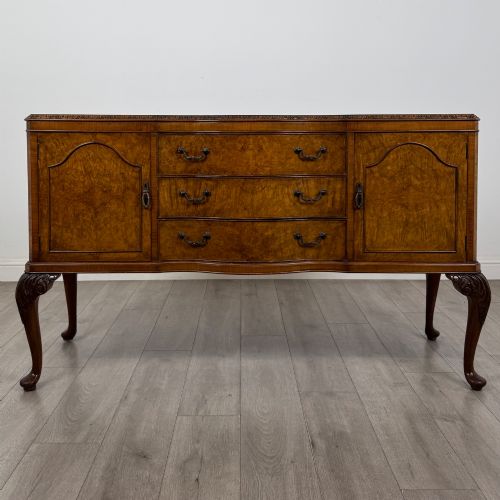
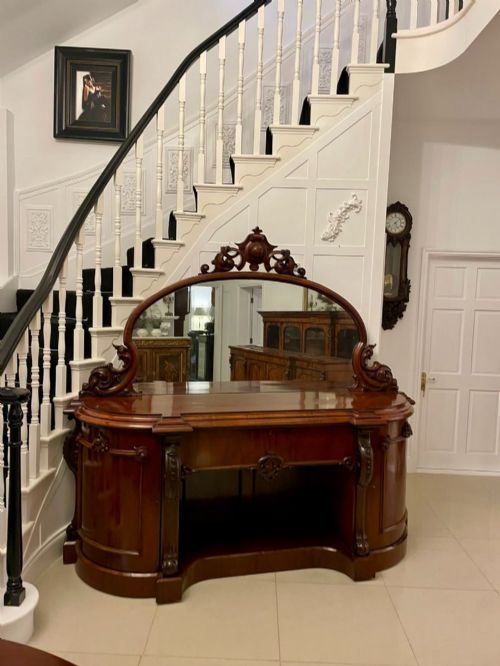
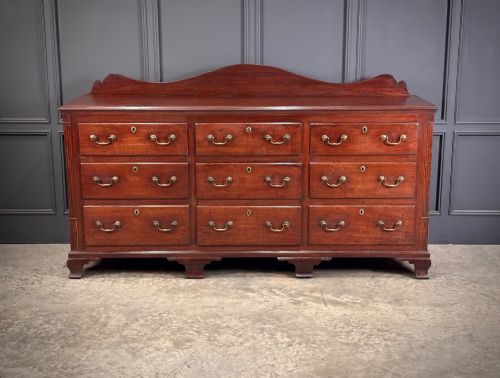
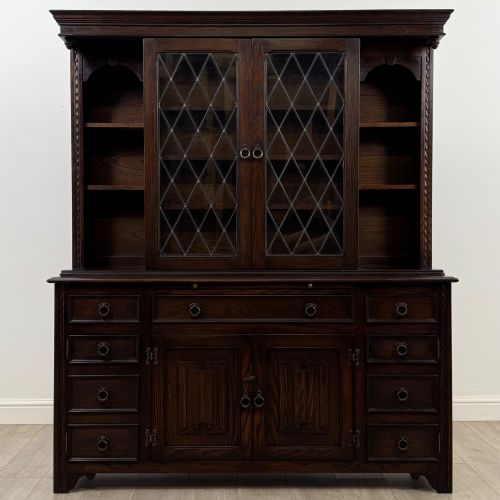
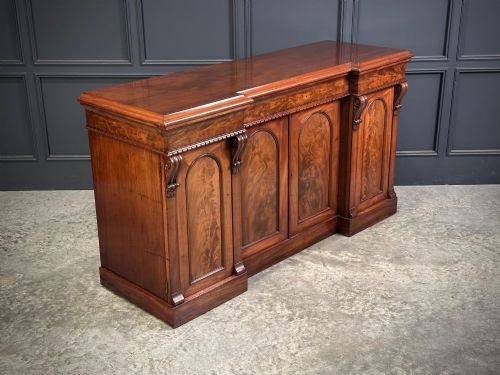
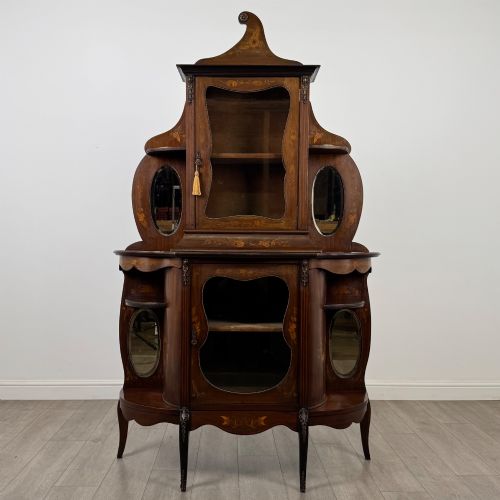
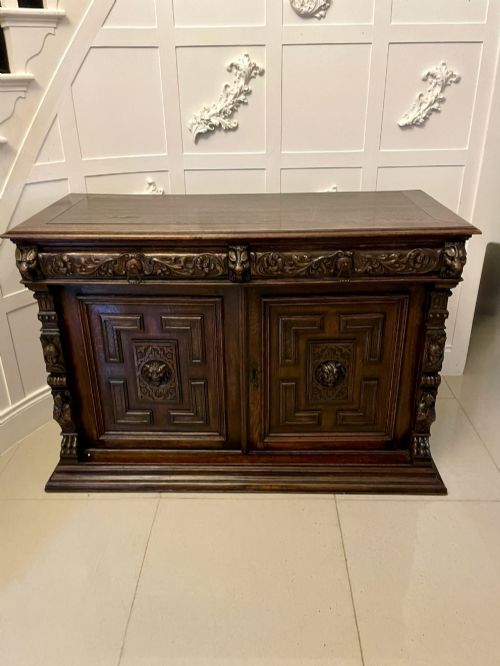
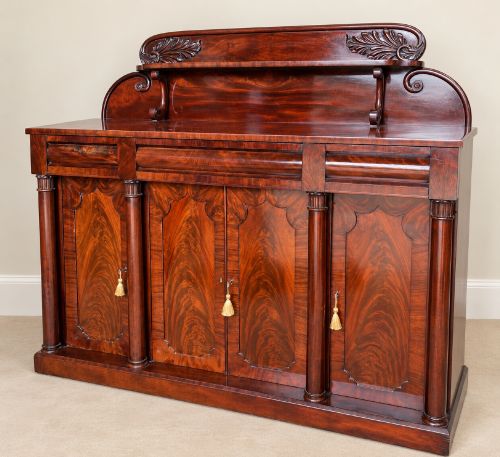
These carved wood cabinets bring weight and presence to a room, offering practical storage disguised in rich period timber.
Carved Wood Cabinets
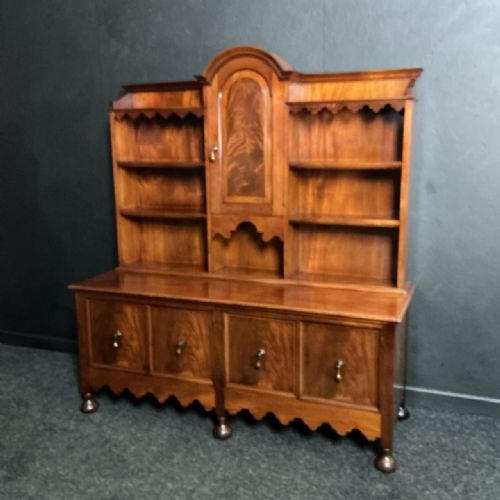
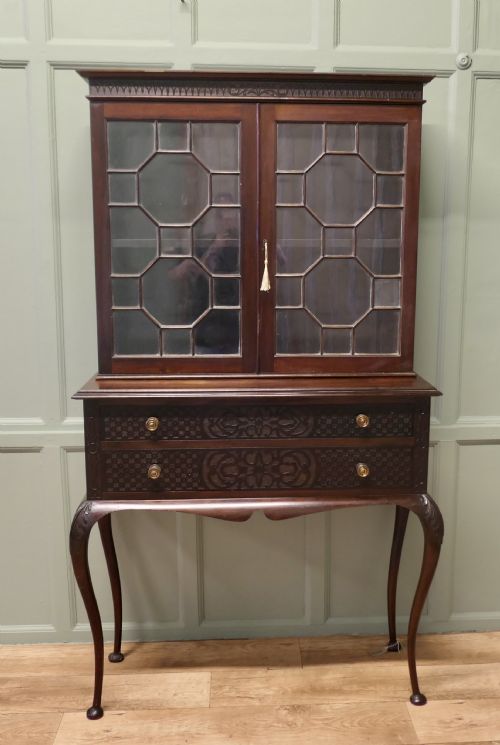
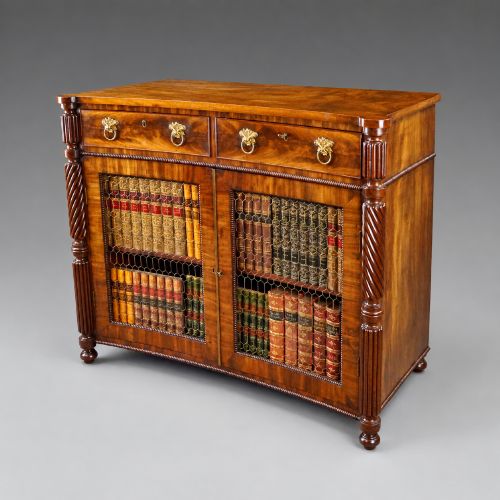
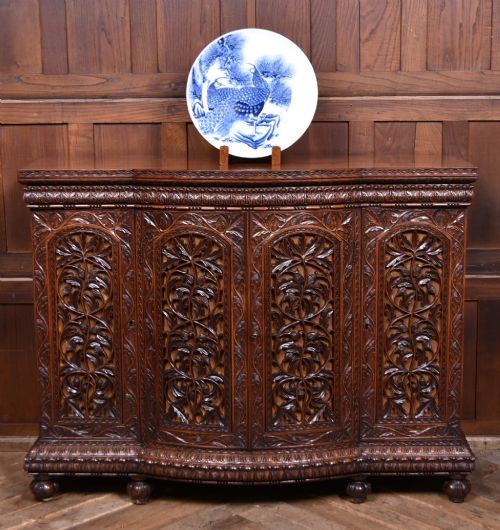
Carved wood cabinets encompass a broad variety of storage furniture designed to display, conceal, or organise household items across different interior traditions. When exploring this selection, buyers frequently encounter substantial sideboards, display cabinets, and bookcases originating from the nineteenth and early twentieth centuries.
The objects span multiple stylistic revivals, including Jacobean Revival, Gothic Revival, and French Renaissance influences, reflecting the diverse tastes of Victorian and Edwardian makers. Oak and mahogany dominate the offerings, appearing alongside walnut, rosewood, and padouk in forms ranging from wall-hanging cupboards to large freestanding sideboards.
Materials and Construction Methods
Cabinet makers utilised dense hardwoods such as oak, mahogany, and walnut to ensure structural stability and provide a suitable foundation for intricate hand-carving. Flame mahogany veneers and burr walnut surfaces added visual depth to drawer fronts and door panels, while solid timbers framed the core structure.
Secondary elements such as brass hinges, locks, and glass panes for glazed display doors completed the construction. Joinery techniques relied on traditional mortise and tenon joints, dovetail drawers, and pegged frames that allowed the timber to expand and contract naturally.
Defining Quality in Period Cabinetry
The standard of a carved wood cabinet rests upon the depth, sharpness, and execution of its carved ornamentation. Pieces displaying crisp, deeply undercut relief work executed directly into solid timber sit far above those with shallow machine mouldings or applied composition ornaments.
Selection of timber grain and the integrity of the underlying joinery further separate superior examples from standard production. Cabinets that retain original brass hardware, unblemished glass, and well-fitted doors demonstrate a higher degree of initial craftsmanship and careful preservation.
Gabriel Viardot
The Carved Wood Cabinets Glossary
- Chiffonier
- A low sideboard or cabinet equipped with drawers and enclosed shelving below, frequently topped with a mirrored or shelved superstructure.
- Davenport
- A compact writing desk featuring a sloping top and drawers accessed from the side, popular during the nineteenth century.
- Linenfold
- A style of carved wooden panelling that resembles folded fabric, commonly seen on oak furniture from revival periods.
- Serpentine
- A curved furniture front characterised by a convex centre flanked by concave ends, creating a flowing wave effect.
- Astral glazing
- Cabinet door glass divided into small panes by narrow wooden glazing bars, often arranged in intricate geometric patterns.
Carved Wood Cabinets: Frequently Asked Questions
How do I date a carved oak cabinet?
Dating relies on examining the timber preparation, tool marks, and stylistic revival cues visible in the carving.
Hardware placement, joint construction, and secondary woods inside drawers also provide reliable clues to the decade of manufacture.
Where should I place a display cabinet?
Display cabinets with glass doors suit principal reception rooms or dining spaces where they protect items from dust while remaining visible.
Avoid positioning antique timber pieces in direct sunlight or beside active heat sources to prevent timber splitting.
What is the difference between a sideboard and a chiffonier?
Sideboards are typically larger dining room pieces designed for serving food and storing heavy tableware within deep cupboards and drawers.
Chiffoniers are smaller, lower variants often found in sitting rooms, serving as multifunctional storage units with display surfaces.
How do I care for antique rosewood and mahogany?
Maintain timber surfaces by dusting gently with a dry, soft cloth and applying a quality beeswax sparingly when the wood appears dry.
Keep polishing compounds containing silicone away from antique finishes to preserve the original polish and patina.