


Carved Walnut Tilt Table
A carved walnut tilt table balances practicality with decorative presence, offering a clever mechanism to save space when folded.
Carved Walnut Tilt Table
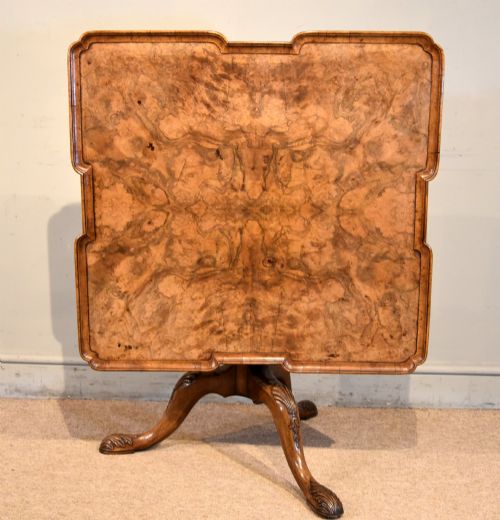
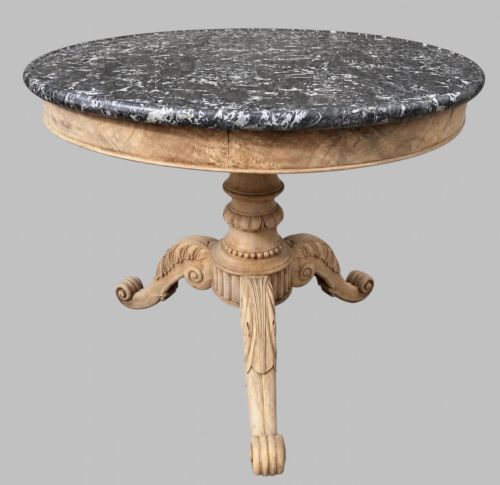
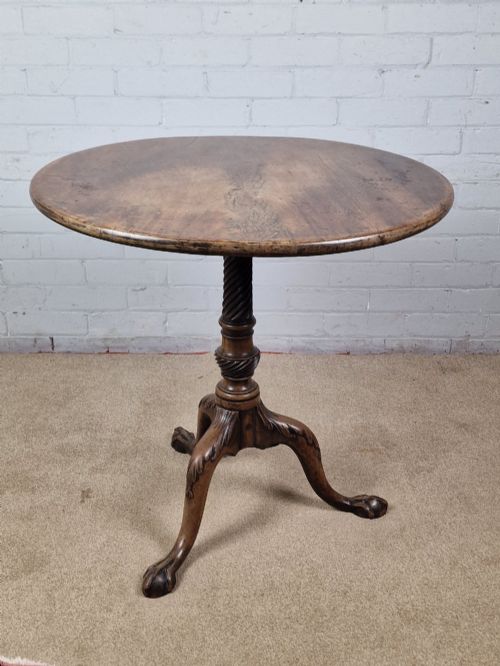
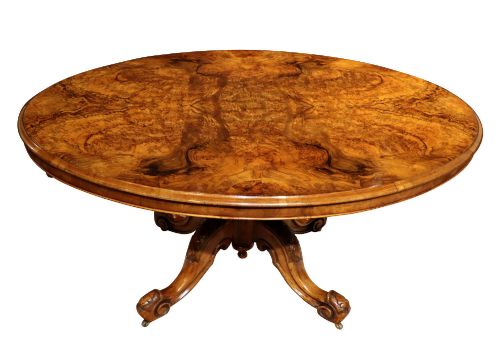
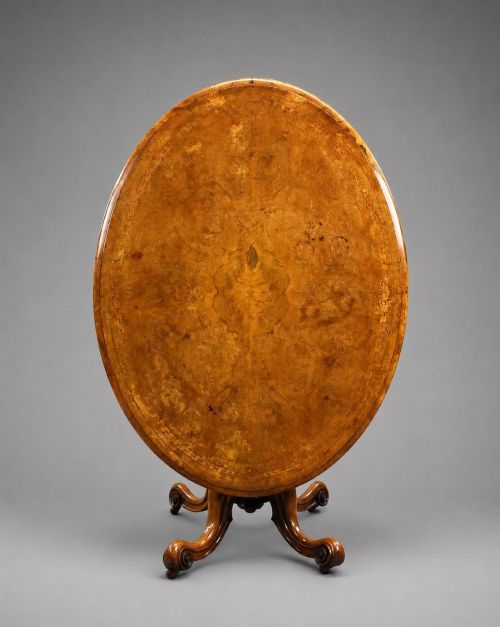
A carved walnut tilt table brings together rich timber and versatile furniture design, appearing frequently in Victorian iterations alongside earlier eighteenth-century examples. Buyers searching for a carved walnut tilt table encounter round, oval, and scalloped tops resting on pedestals designed to pivot upright when not in service.
The assortment spans intimate wine tables and smaller lamp or occasional pieces up to substantial six-seater centre and loo tables. Most survivors originate from the nineteenth century, utilising figured timbers and elaborate pedestal bases to anchor the tilting mechanism.
Materials and construction methods
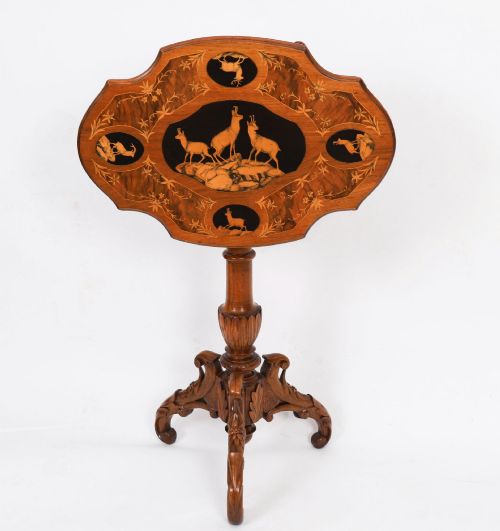
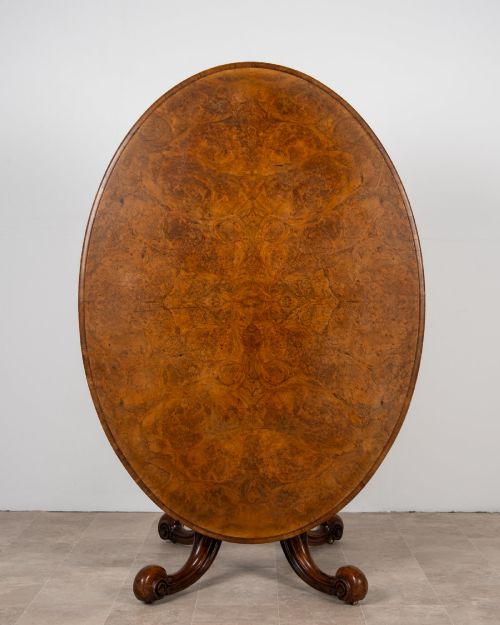
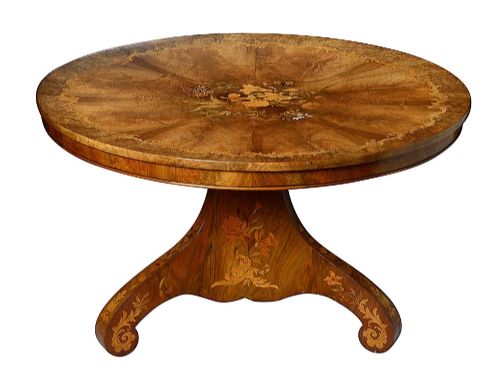
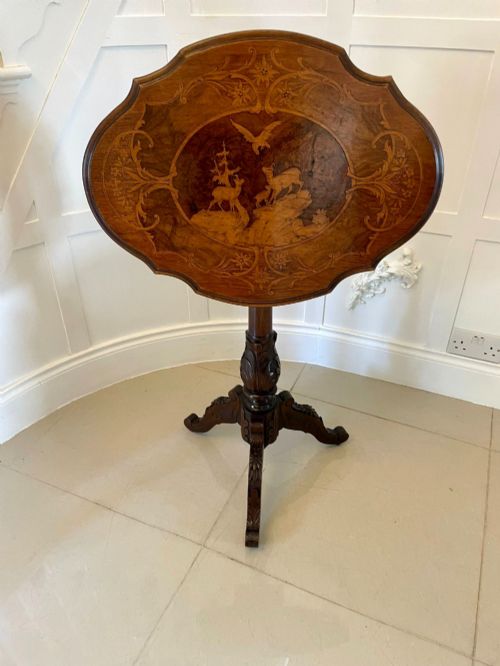
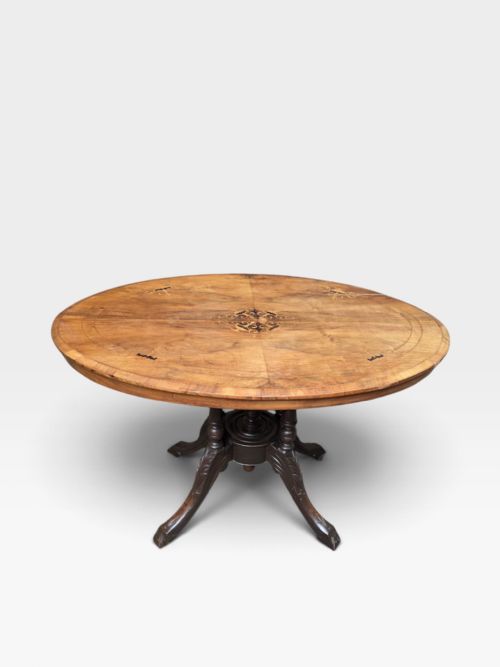
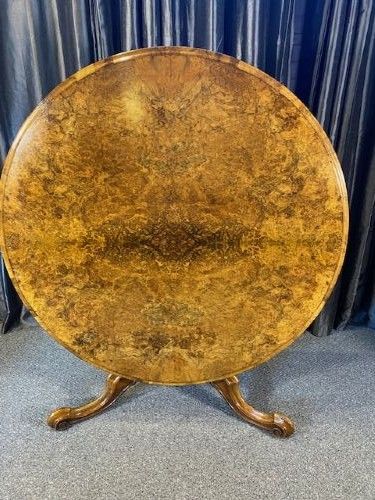
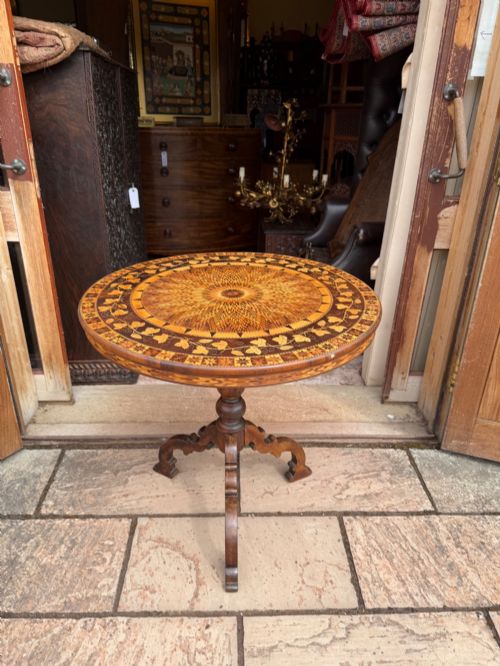
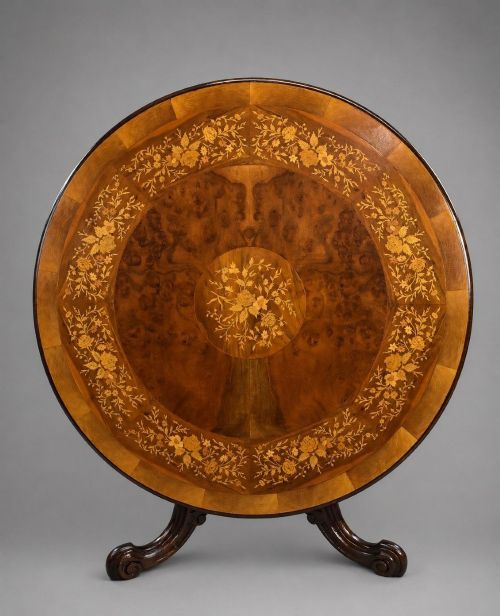
Cabinetmakers built these tables using solid walnut frameworks combined with highly figured burr walnut veneers across the table tops. Marquetry, boxwood, and general wood inlay frequently embellish the surfaces, contrasting sharply against the dark grain of the primary timber.
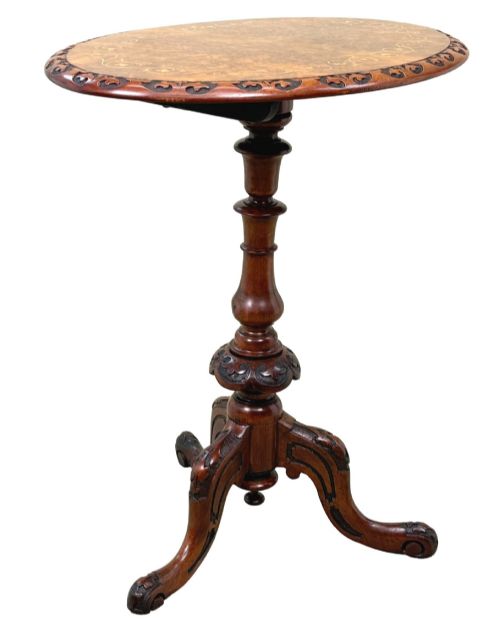
Brass fittings often secure the internal tilt mechanisms and secret drawers within the pedestals. Tripod, quadrapod, and pillar supports are carved robustly from walnut and mahogany to sustain the weight of the tilting top.
Carved Walnut Tilt Table Retail Price Guide 2026
Typical asking prices for carved walnut tilt table among the pieces listed under this phrase on Sellingantiques today, from the lower quarter to the upper quarter. They describe what is for sale here now, not the wider market.
Some clever nineteenth-century tables hide secret drawers within their pedestals to store clandestine love letters or spare playing cards.
Evaluating craftsmanship and execution
The sophistication of the timber selection distinguishes standard pieces from superior examples, particularly in the symmetry and depth of the burr walnut veneers. Marquetry details executed with crisp boxwood inlay demonstrate a higher level of artisan skill than simpler, unadorned surfaces.
The integrity of the tilting mechanism and the stability of the carved quadrapod or tripod base dictate structural merit. Superior tables maintain a tight fit at the pivot point without wobble, ensuring the top locks securely in both horizontal and vertical positions.
The Carved Walnut Tilt Table Glossary
- Burr walnut
- Timber taken from the warted growths on walnut trees, yielding intricate, swirling grain patterns. Cabinetmakers prize this figured wood for veneering prominent table surfaces.
- Tilt top
- A tabletop hinged to a central pillar, allowing the surface to swivel ninety degrees into a vertical position. This clever adaptation saved floor space in period drawing rooms.
- Marquetry
- Decorative patterns formed by fitting together small pieces of tinted woods, veneers, and boxwood. Artisans apply this intricate technique to enrich table tops with floral or geometric designs.
- Loo table
- A large round or oval card table adapted for nineteenth-century parlour games. These tables frequently feature the tilting mechanism to facilitate storage against the wall.
- Quadrapod
- A four-legged pedestal base supporting the central column of heavier tables. Carved scroll or claw feet typically anchor the extremities of these sturdy supports.
Carved Walnut Tilt Table: Frequently Asked Questions
What is a tilt top table used for?
These tables served multiple functions in nineteenth-century drawing rooms, operating as dining surfaces, lamp stands, or breakfast tables when horizontal. The tilting mechanism allowed servants to fold the top flat against a wall to clear the room for dancing or entertaining.
Today, they function effectively as occasional centre pieces or coffee tables while retaining their original mechanical capability. Their dual nature makes them practical for modern spaces requiring adaptable furniture.
How do you date a walnut table?
Dating relies upon examining the timber preparation, secondary woods, inlay styles, and base construction details. Nineteenth-century examples often display rich burr veneers and elaborate pedestal carvings, whereas eighteenth-century pieces exhibit simpler, heavier structural proportions.
Hardware inspection also provides clues, as brass catches and pivot hinges evolved across the Georgian and Victorian periods. Comparing the carving style against known regional traits helps narrow down the decade of manufacture.
Are tilt top tables stable?
A well-constructed pedestal base with three or four carved legs provides a stable foundation for everyday use. The central hinge block and locking catch must fit tightly to prevent any lateral movement when the surface rests horizontally.
Tables fitted with robust quadrapod bases handle larger oval tops securely without tipping under pressure. Regular maintenance of the brass pivot pin ensures the mechanism continues to operate smoothly.
What is burr walnut?
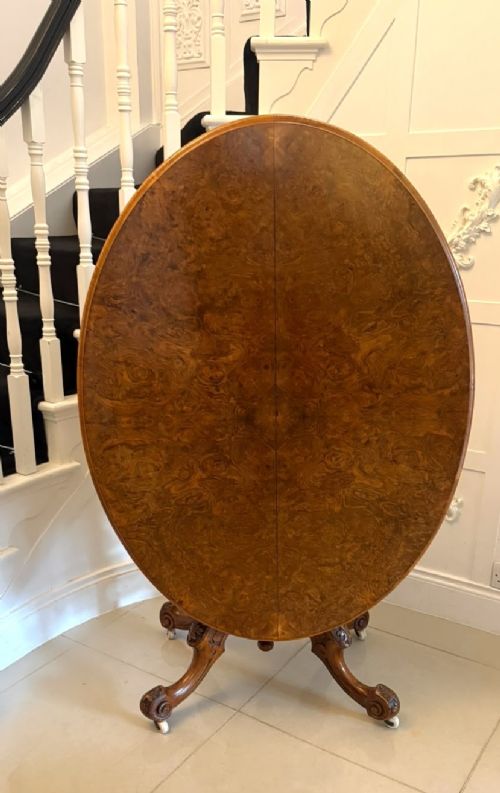
Burr walnut is a specialised veneer sliced from abnormal growths on walnut trees, characterised by dense clusters of swirling knots and rings. This highly decorative grain creates a dramatic visual texture that defines high-end Victorian cabinet making.
Because the timber is difficult to work and prone to splitting, artisans applied it carefully over stable secondary woods. Its rich golden-brown hue darkens gracefully over centuries of exposure to light.