
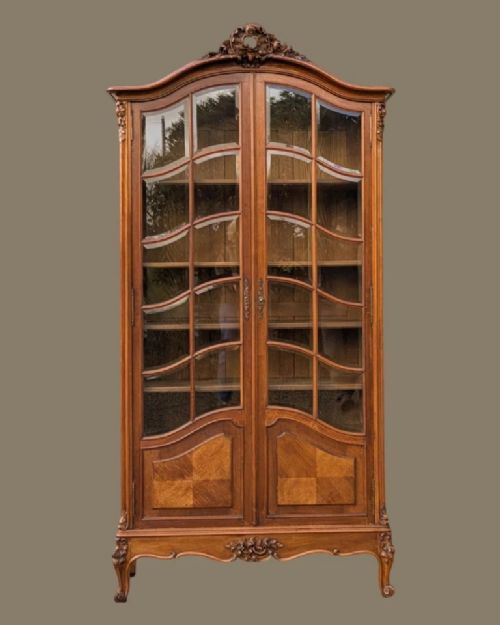
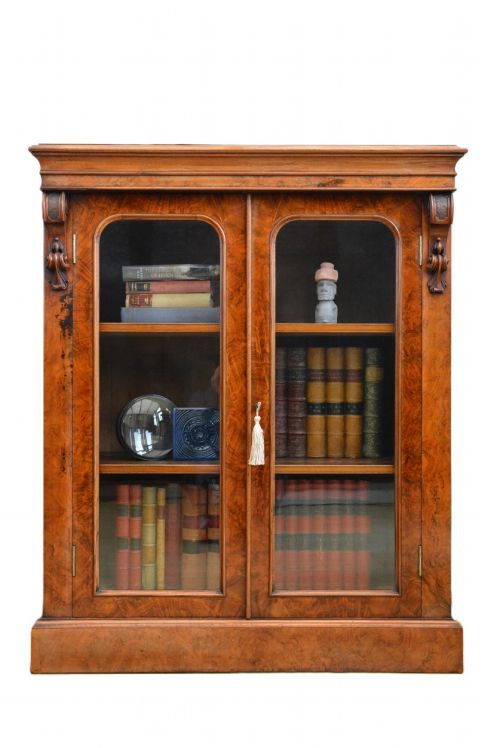
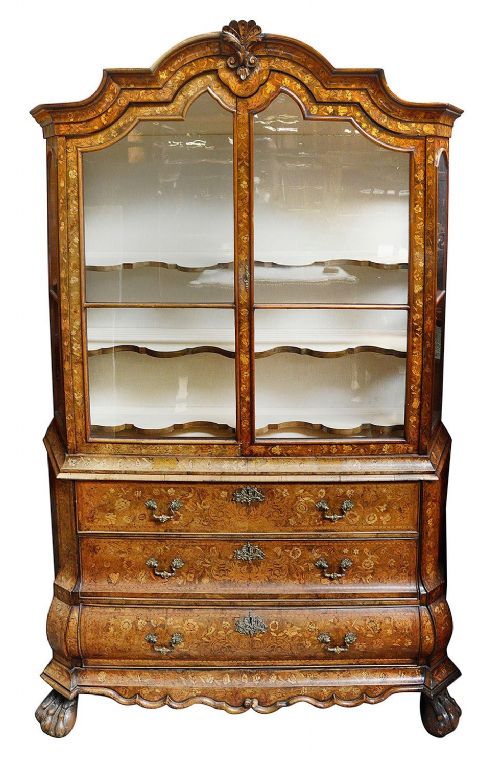
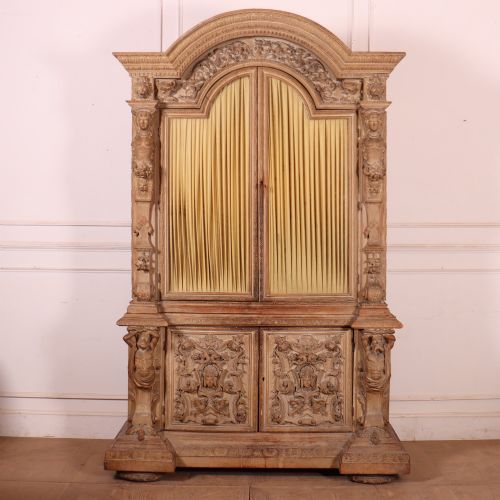


Carved Walnut Glazed Bookcase
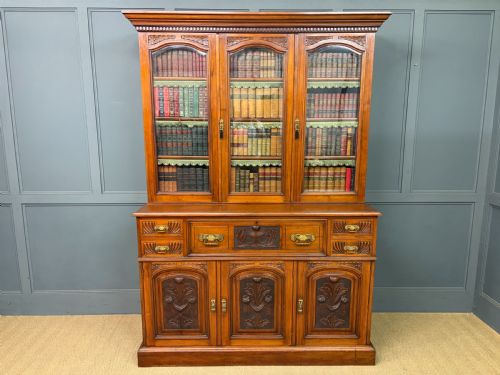
These pieces of carved walnut glazed bookcase engineering offer sturdy timber frames paired with clear glass to protect libraries.
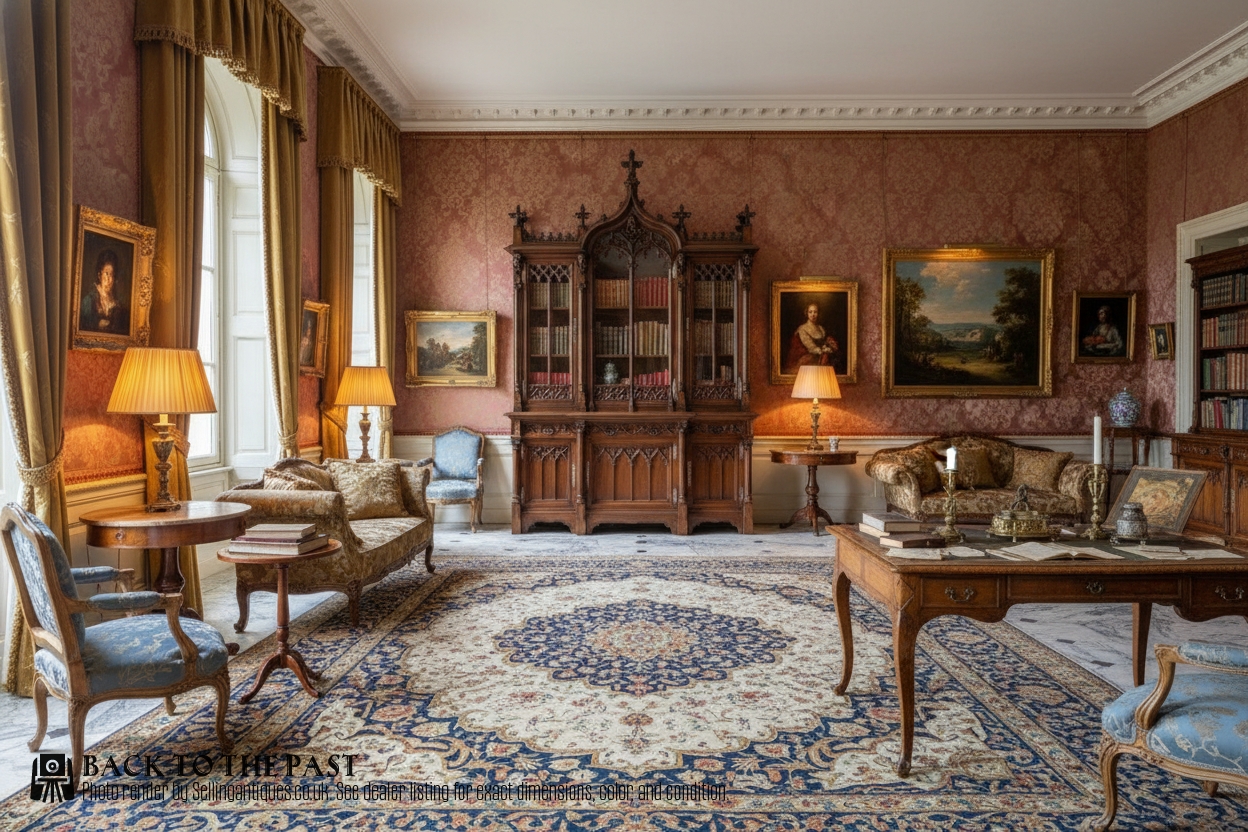
Carved Walnut Glazed Bookcase
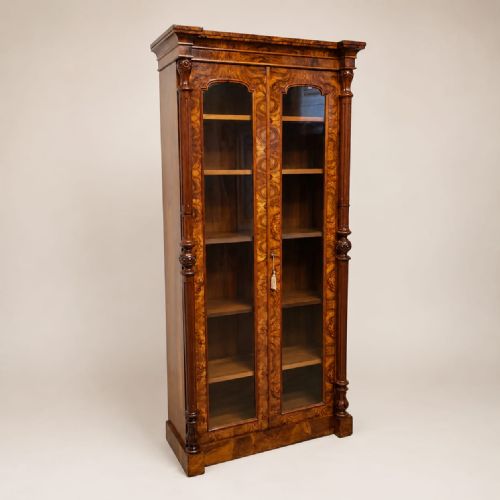
A carved walnut glazed bookcase brings together rich timber surfaces and clear glass door panels to form functional storage furniture. When you search for this phrase, you meet tall cabinets, narrow display pieces, and breakfront designs built across several centuries.
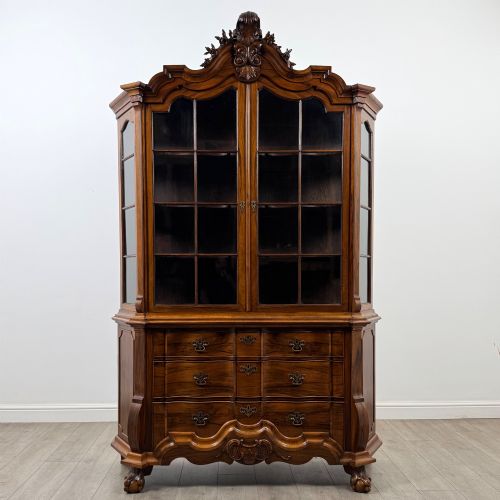
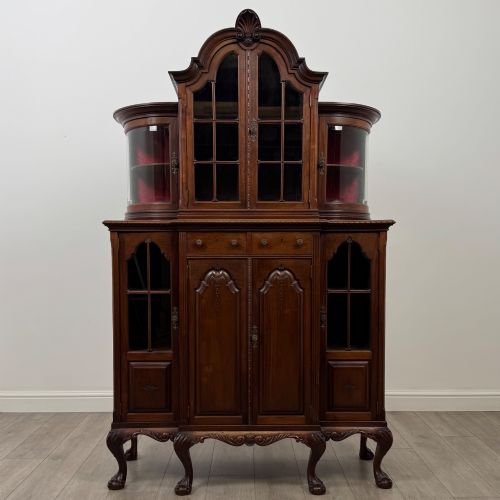
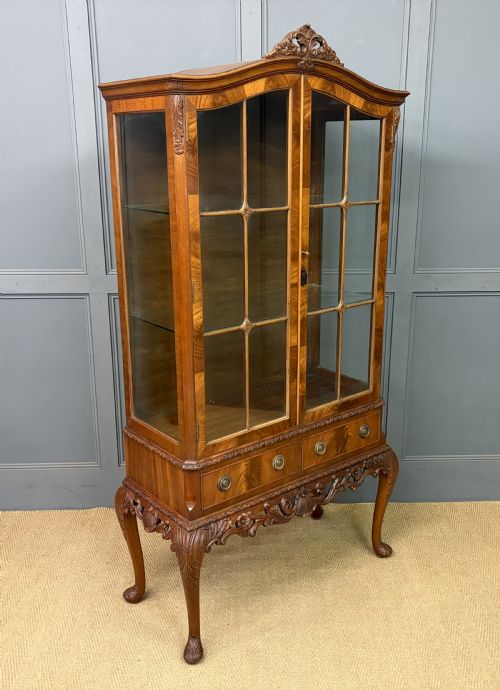
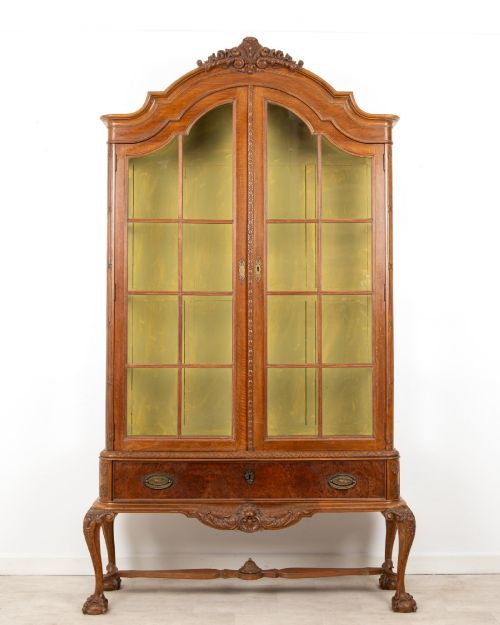
The material range spans from straight-grained timber to figured burr surfaces and contrasting amboyna. Common manifestations on this page include Victorian iterations, Queen Anne revival forms, and Dutch marquetry pieces.
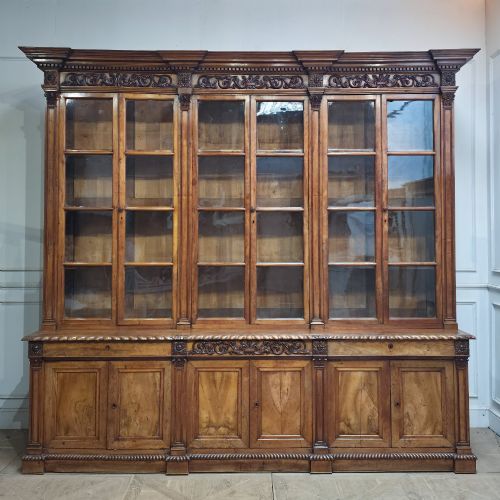
Makers shaped these items for formal parlours, morning rooms, and home libraries to keep valuable volumes free from dust while remaining fully visible. Structural formats range from simple two-door units up to grand breakfront assemblages and fitted secretaire versions.
What varies in quality
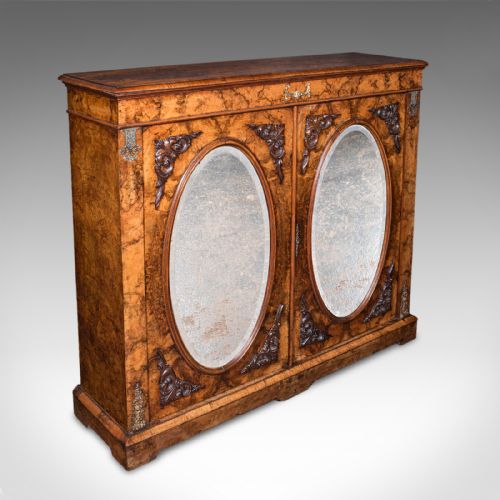
The depth of carving and the selection of veneer figure determine the visual weight of each cabinet. Finer examples display symmetrical burr walnut grain running continuously across drawer fronts and door panels.
Proportion and structural joinery separate standard utility items from exhibition standard pieces. Superior cabinets feature refined glazing bar arrangements, well-chosen brass mounts, and clean interior timber linings.
Several cabinets conceal clever drop-down writing desks behind their grand book-lined facades.
Maple & Co.·Holland & Sons·Arthur Reynolds Of Ludlow
The Carved Walnut Glazed Bookcase Glossary
- Burr walnut
- A figured timber harvested from the irregular growth knots of the walnut tree, prized for its swirling patterns. Cabinet makers sliced this wood into thin veneers for decorative door fronts.
- Breakfront
- A cabinet design where the central section projects forward from the flanking wings. This architectural arrangement creates shadow and depth across large bookcases.
- Marquetry
- The craft of applying small pieces of veneer to form intricate pictorial patterns on a wooden surface. Dutch pieces often employ this technique with floral and bird motifs.
- Secretaire
- A desk component integrated into a larger cabinet featuring a drop-down writing flap. This feature hides small drawers and pigeonholes behind a polished timber fall front.
- Vitrine
- A glass-fronted display cabinet originally designed to showcase porcelain and decorative objects. These tall glazed units share many structural traits with fine bookcases.
Carved Walnut Glazed Bookcase: Frequently Asked Questions
How do I date a walnut bookcase?
Examine the timber construction, interior secondary woods, and decorative styles to determine the period of origin. Victorian and Georgian revivals often incorporate specific design cues from earlier centuries.
Look closely at the hardware, hinge types, and glass clarity for additional chronological indicators.
What is burr walnut timber?
Burr walnut comes from a tree growth deformity that produces highly figured, swirling grain patterns. Cabinet makers reserved these prized sections for prominent exterior surfaces.
Because the grain moves in multiple directions, it requires expert veneering techniques to stabilise the wood over time.
Are these bookcases suitable for modern homes?
These cabinets provide practical enclosed storage for books and display items while adding rich timber warmth to a room. Their glass doors protect contents from dust while keeping collections visible.
Measure available wall space carefully, as period pieces often feature deep cornices and projecting plinths.
What distinguishes Queen Anne revival pieces?
Queen Anne revival furniture borrows curved cabriole legs, pad feet, and shaped pediments from the early eighteenth century. Makers revived these elegant silhouettes during the Victorian and Edwardian eras.
These cabinets often feature restrained walnut veneers rather than heavy carved ornamentation.