


19th Century Gothic Bookcase
A 19th century gothic bookcase combines architectural severity with practical storage, offering collectors a striking focal point for library interiors.
19th Century Gothic Bookcase
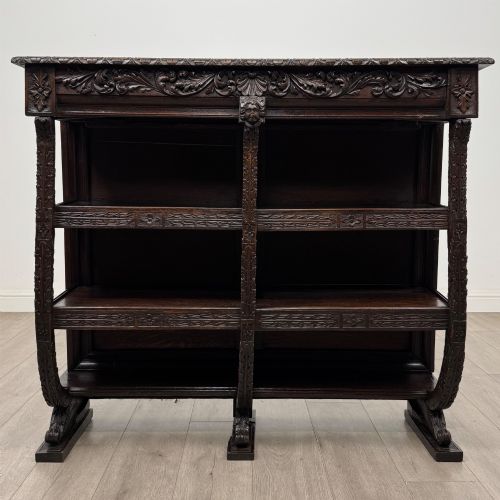
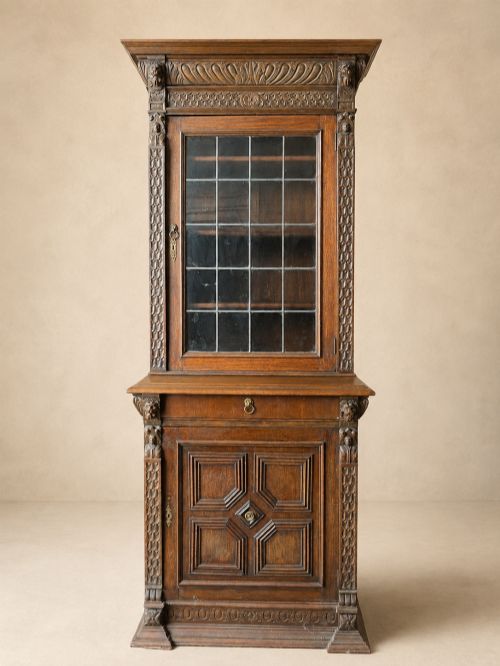
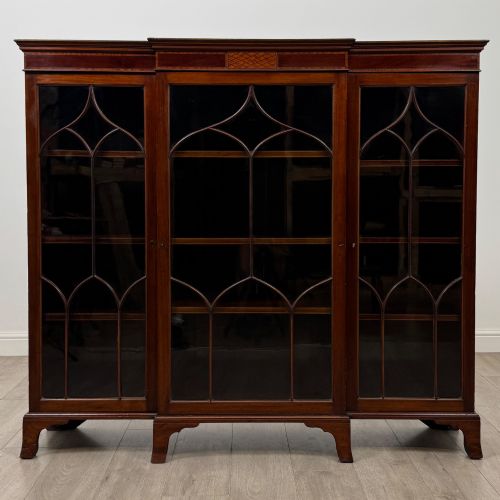
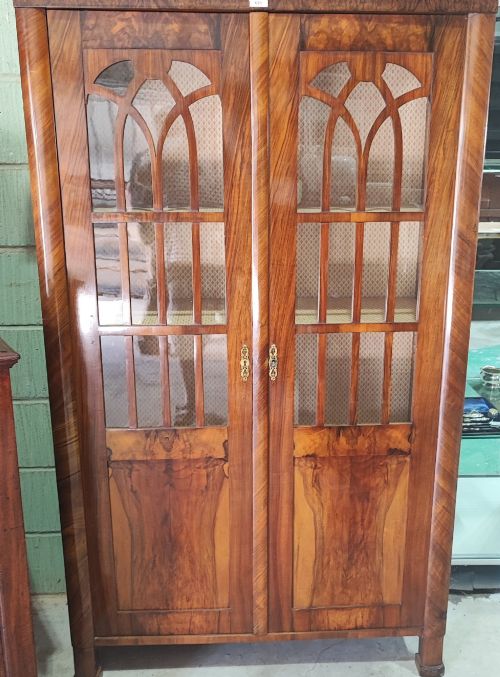
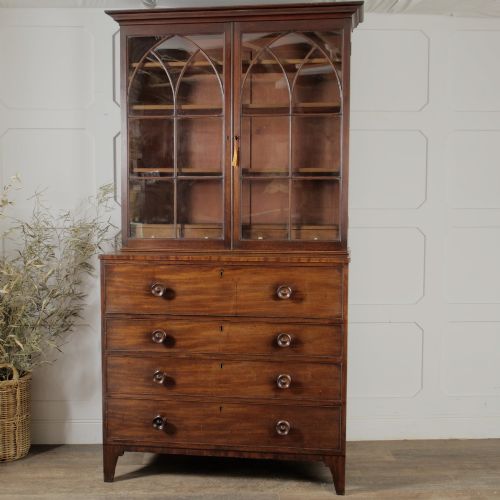
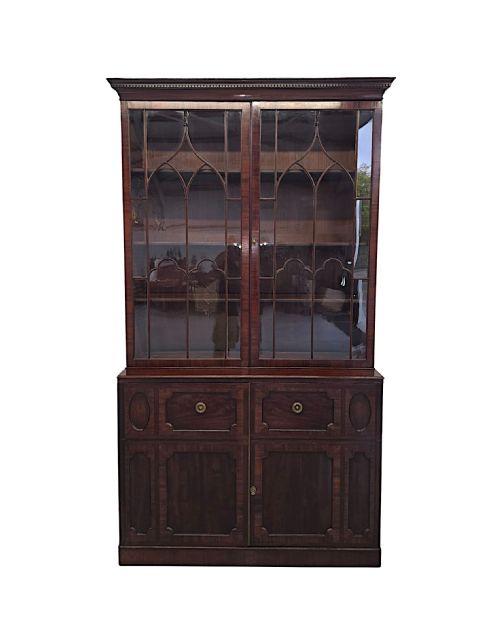
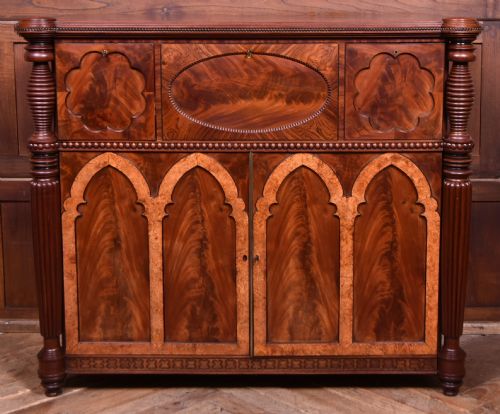
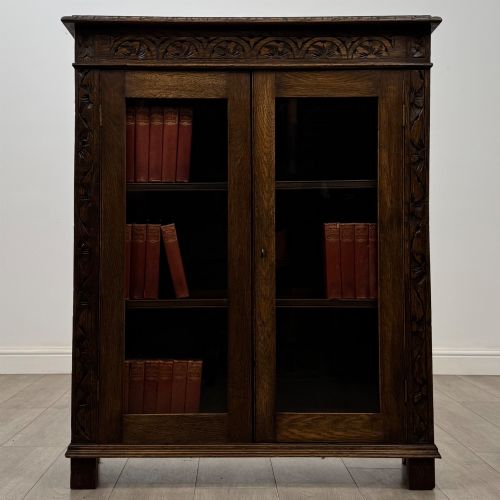
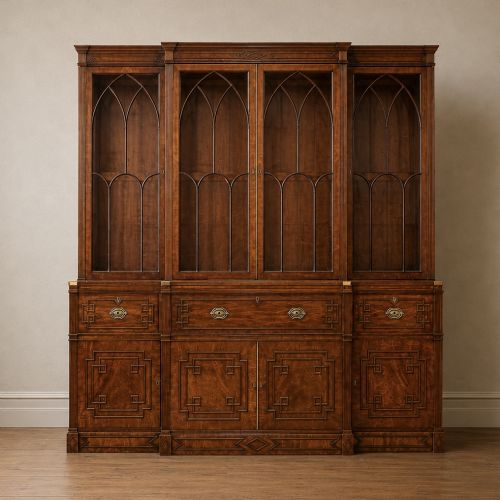
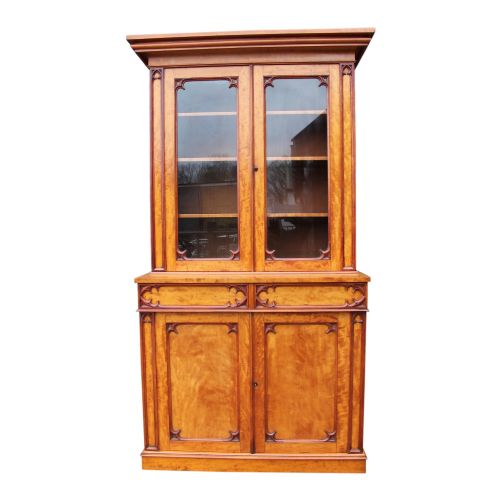
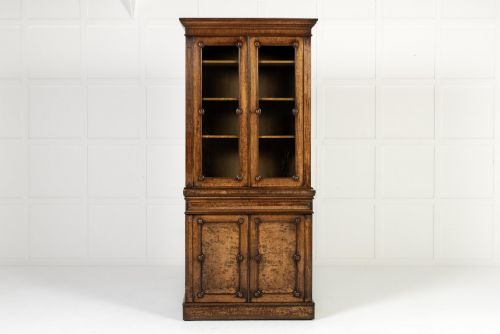
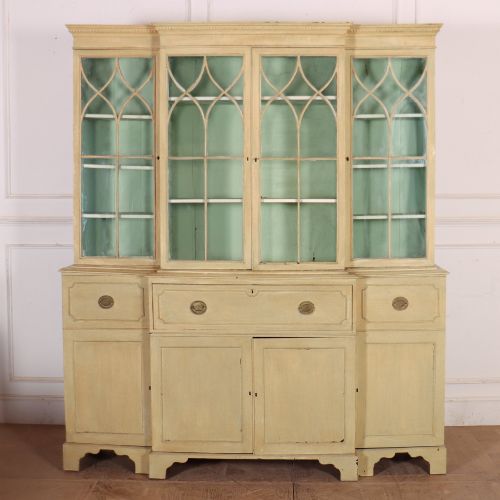
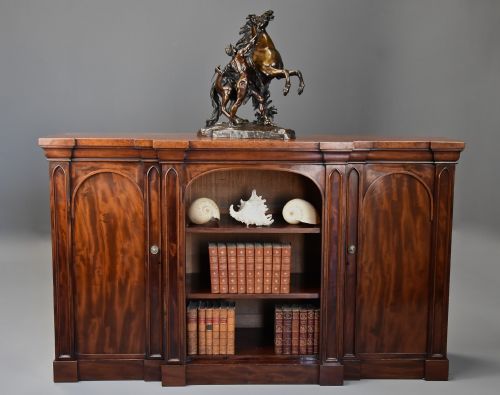
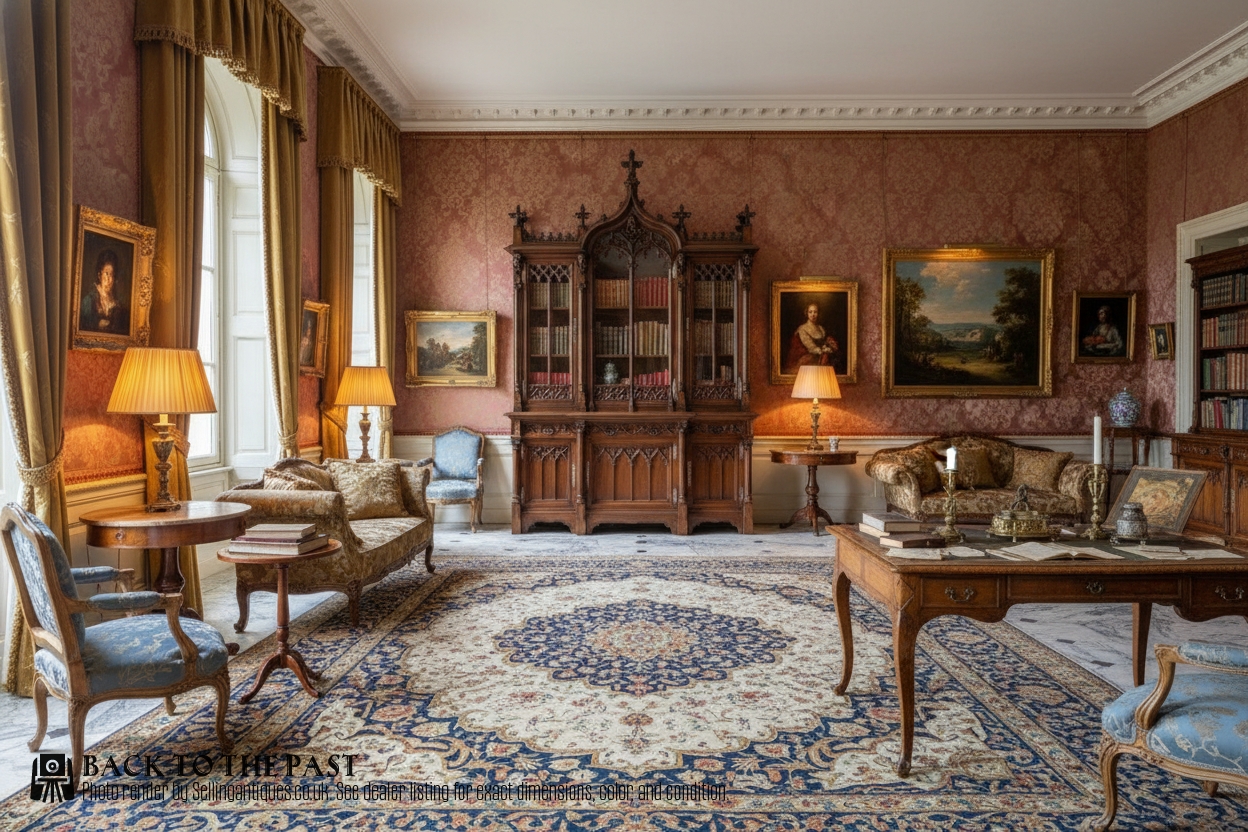
A 19th century gothic bookcase takes many structural forms across this selection, ranging from tall breakfront library units to compact open shelves and secretaire cabinets. Buyers searching this phrase most frequently encounter substantial oak or mahogany pieces displaying architectural ornament such as pointed arches and traceried panels.
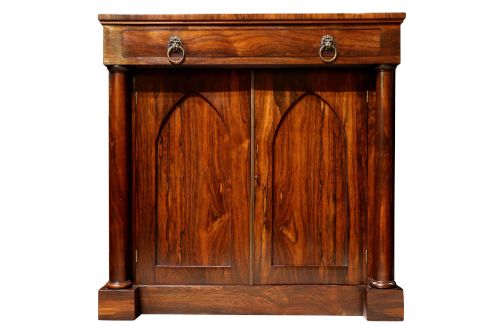
The objects span several decades of the nineteenth century, reflecting stylistic shifts from Regency interpretations through to Victorian Gothic Revival and Arts and Crafts iterations. Alongside standard bookcases, related forms like display cabinets, chiffoniers and kitchen dressers occasionally appear with distinct gothic influence.
Origins vary between English country house library pieces and continental European workshops, with specific regional timbers helping to identify where a cabinet was made. Whether built as a two-part breakfront or a low open shelf, each item serves to house volumes while displaying period decorative ambition.
What varies in quality
The refinement of carved architectural detail separates standard production from exceptional library furniture, particularly in the crispness of lancet arches, trefoils and applied mouldings. Superior examples demonstrate confident proportion across large breakfront carcasses and balanced integration of secondary timbers.
Material selection dictates the upper tier of the range, where figured pollard oak, flame mahogany or solid rosewood receive meticulous polishing. Lesser pieces rely on simpler pine or plain oak carcases with minimal decorative carving.
Listings feature oak, mahogany, walnut, rosewood, satinwood, and pitch pine across various gothic furniture forms.
Jas Shoolbred·Gillows
The 19th Century Gothic Bookcase Glossary
- Breakfront
- A large cabinet design where the central section projects forward from the flanking wings. This configuration provides depth variation across large library pieces.
- Secretaire
- A cabinet incorporating a pull-down writing drawer fitted with small drawers and pigeonholes. It combines desk functionality with enclosed bookshelf storage.
- Tracery
- Openwork ornamentation in stone or wood, mimicking the Gothic window patterns seen on cabinet doors. It defines the stylistic period of the carved panels.
- Glazed
- Fitted with glass panes, typically held within wooden lattice or brass framework. This protects books from dust while maintaining visual access to the shelf contents.
- Chiffonier
- A low sideboard or cabinet with shelves or drawers above, used traditionally for storing tableware or volumes. It represents a more compact alternative to the full-height bookcase.
19th Century Gothic Bookcase: Frequently Asked Questions
What defines a gothic bookcase?
A gothic bookcase uses architectural motifs derived from medieval buildings, including pointed arches, quatrefoils and heavy carved mouldings. These elements distinguish it from standard classical furniture.
Cabinetmakers applied these details to both grand breakfront library pieces and smaller domestic display units throughout the nineteenth century.
How do I distinguish Regency gothic from Victorian gothic?
Regency pieces often display restrained neoclassical lines combined with early gothic pointed panels, utilising rosewood or mahogany timbers. Victorian examples tend to be heavier in proportion and carved more deeply in oak.
Later nineteenth-century iterations also incorporate Arts and Crafts influences and adjustable shelving mechanisms.
Can I adjust the shelves?
Many nineteenth-century examples feature fixed wooden shelving integrated into the original carcass construction. Later Victorian iterations occasionally introduce adjustable shelf mechanisms.
Buyers should inspect the interior cabinet walls for traditional peg holes or ratchets if shelf flexibility is required.
Where were these bookcases placed?
Original locations included grand country house libraries, formal studies and rectories where substantial book collections required secure housing. Larger breakfront library units stood against principal walls.
Smaller open bookcases and chiffoniers suited domestic parlours and private sitting rooms.