
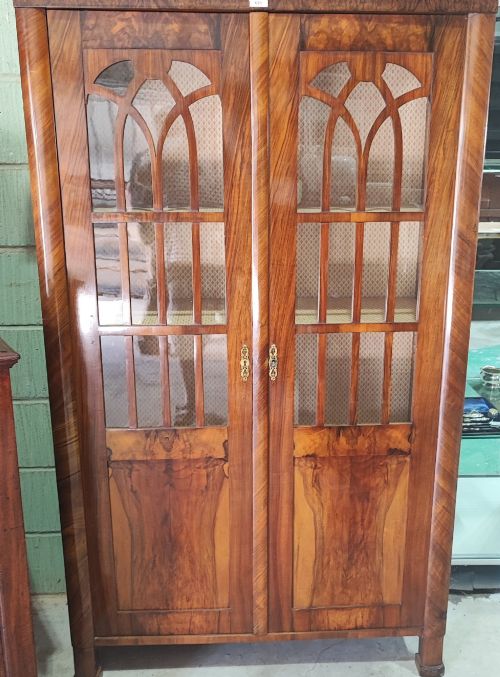
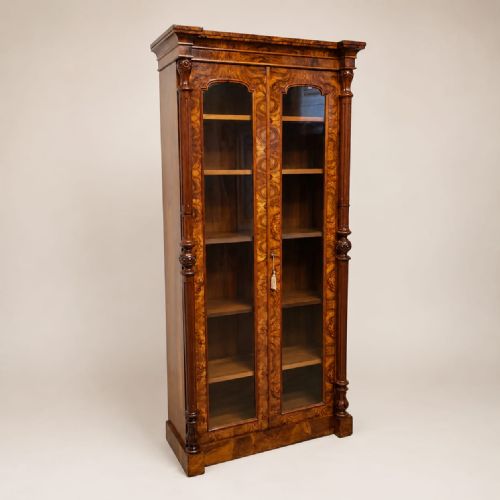
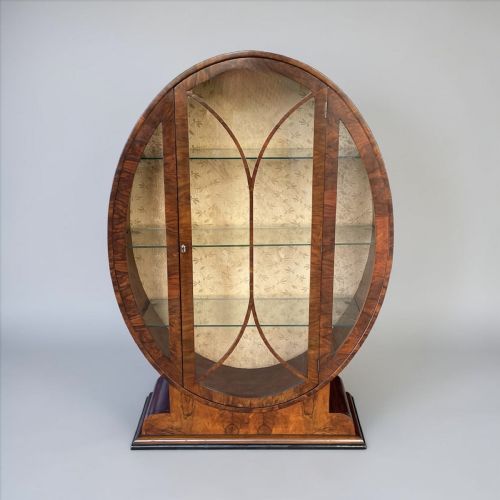
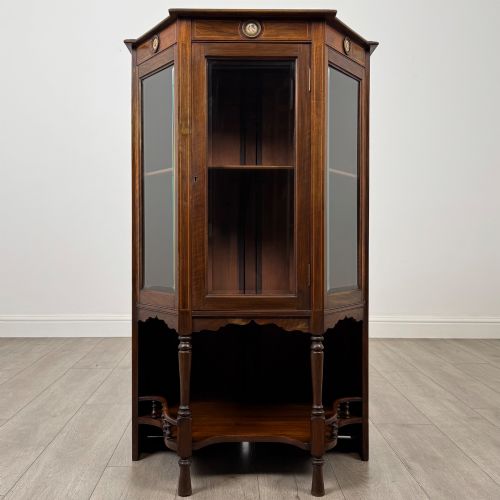
Walnut Glazed Display Cupboard
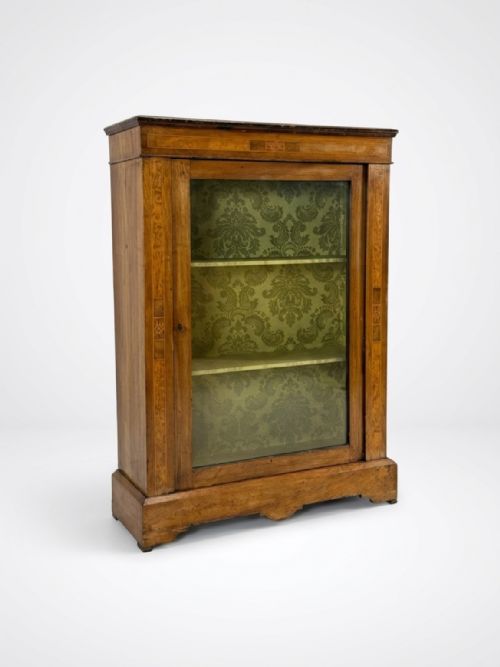
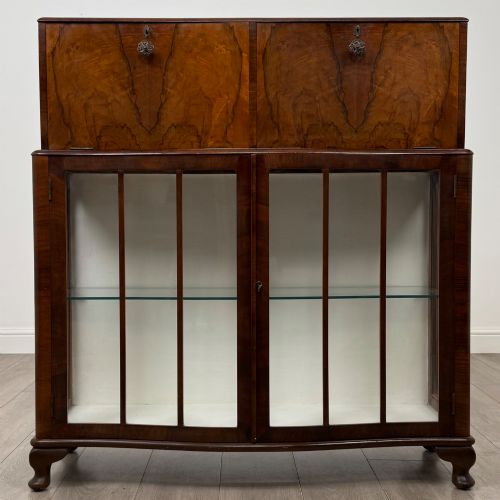
A walnut glazed display cupboard holds porcelain and books behind glass, combining figured timber with clear views of what sits inside.
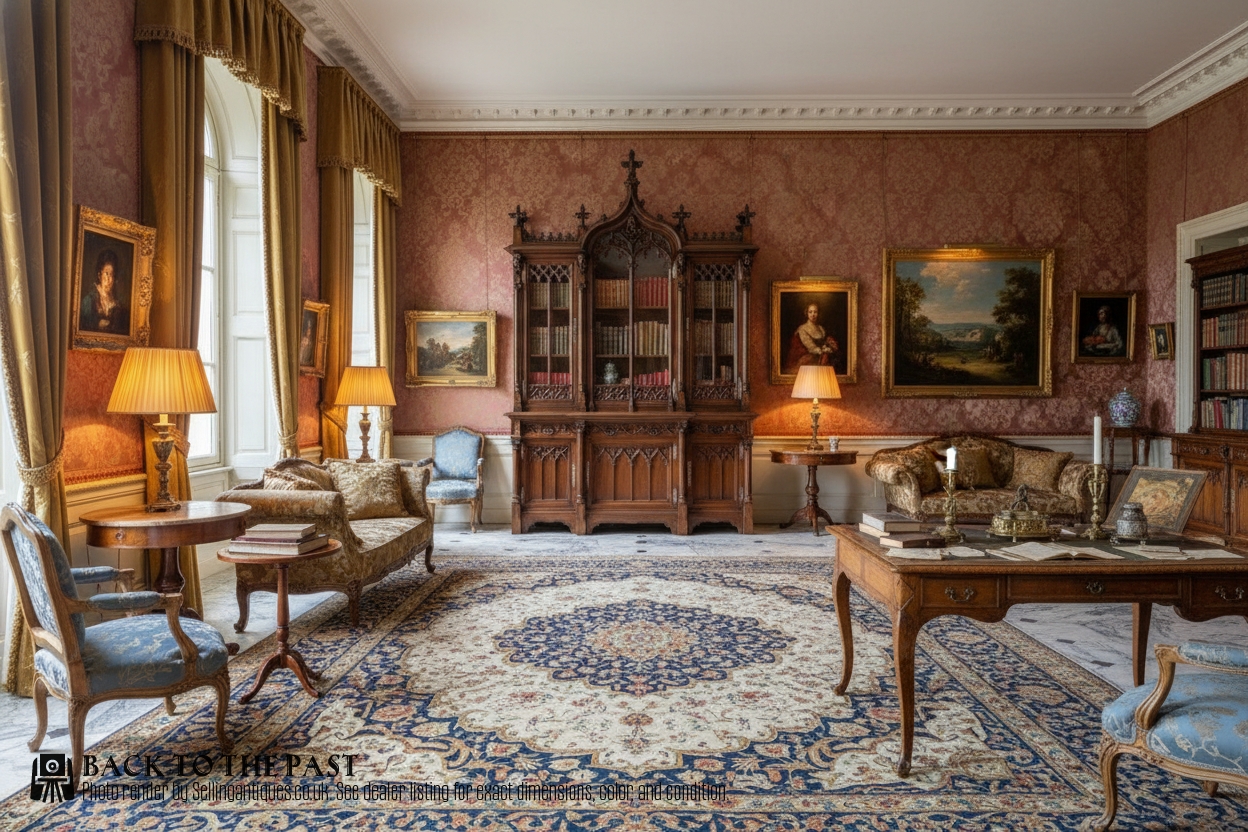
Walnut Glazed Display Cupboard
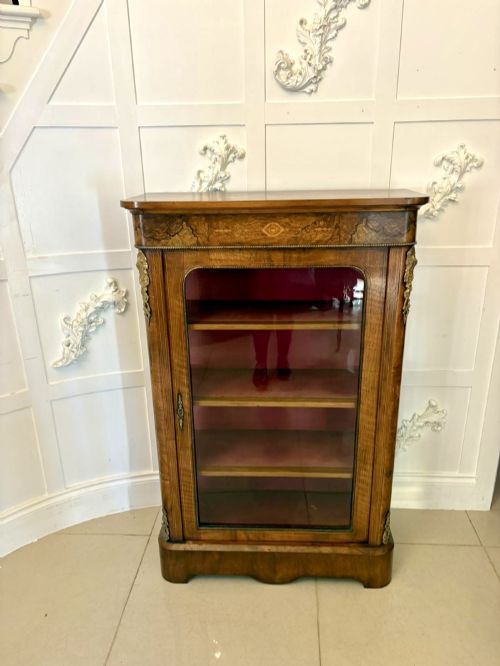
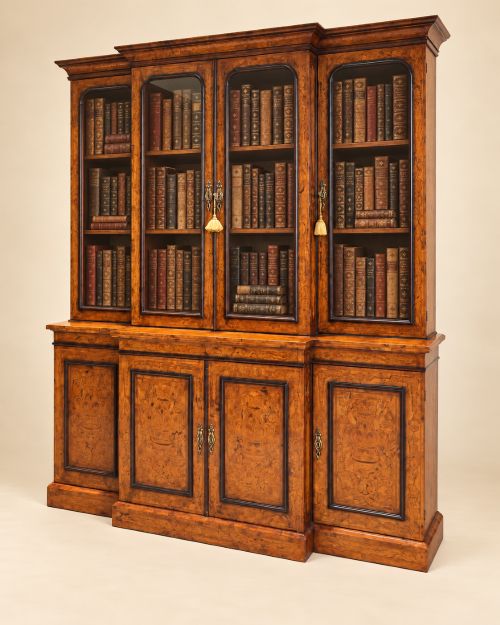
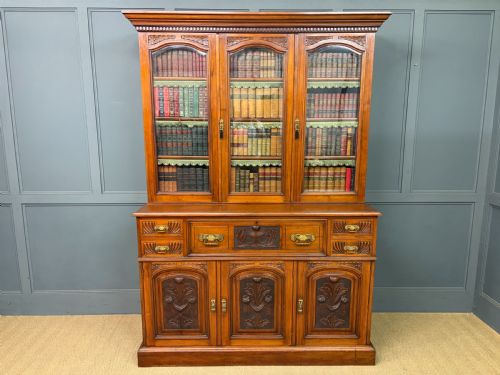
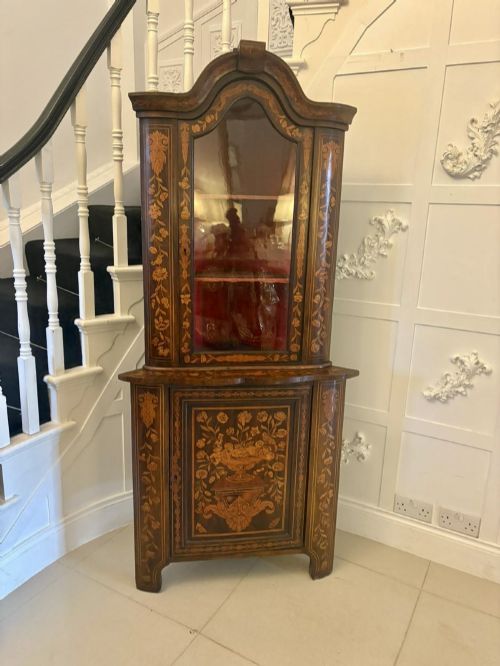
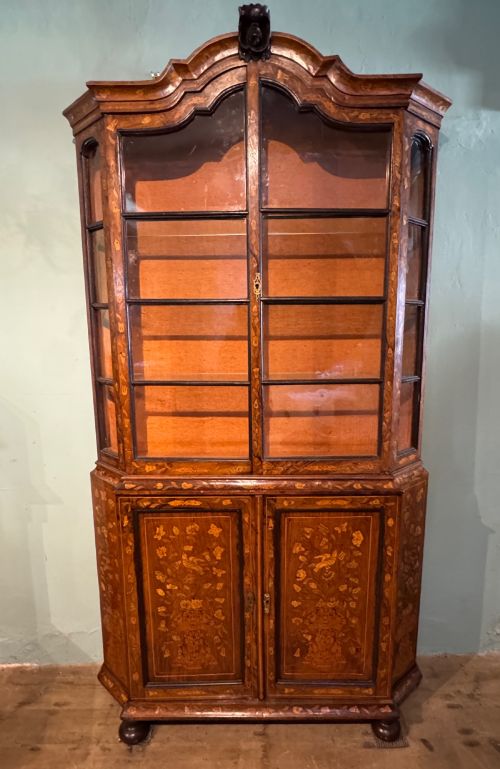
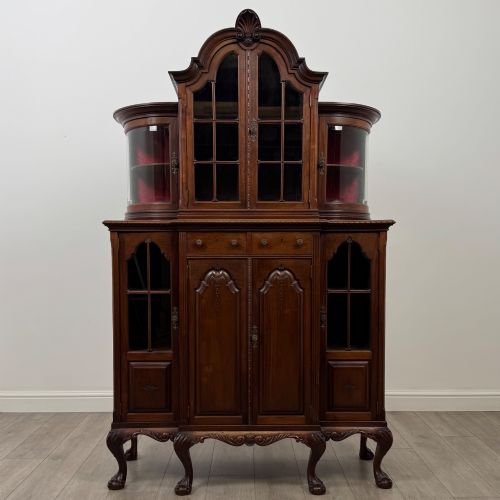
A walnut glazed display cupboard serves to exhibit precious collections while protecting them from dust and handling. When searching for a walnut glazed display cupboard, buyers encounter forms ranging from compact Victorian pier cabinets to tall Edwardian bookcases and Dutch marquetry corner units.
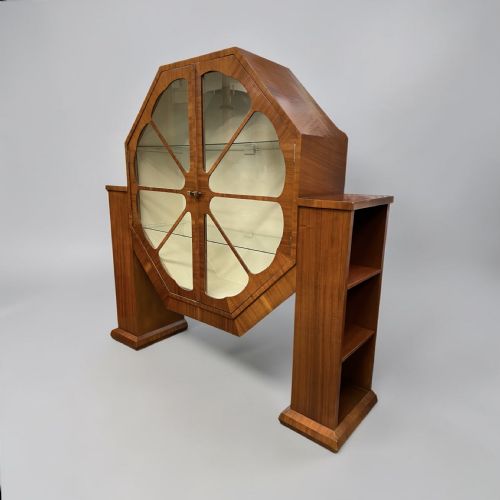
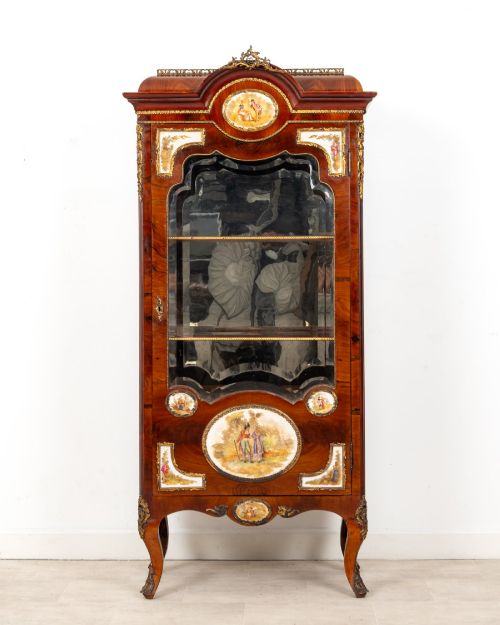
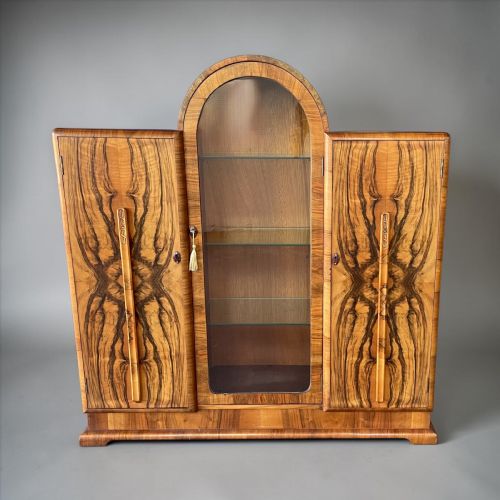
The material palette shifts from the figured grain of nineteenth century burr walnut to the clean geometric lines of nineteen-thirty Art Deco pieces. Regional variations include Dutch marquetry cabinets inlaid with floral designs and French vitrines mounted in ormolu.
These items function as focal points in reception rooms, libraries and drawing rooms. Their interiors often feature adjustable shelving and fabric linings designed to showcase ceramics and glassware.
How they were made
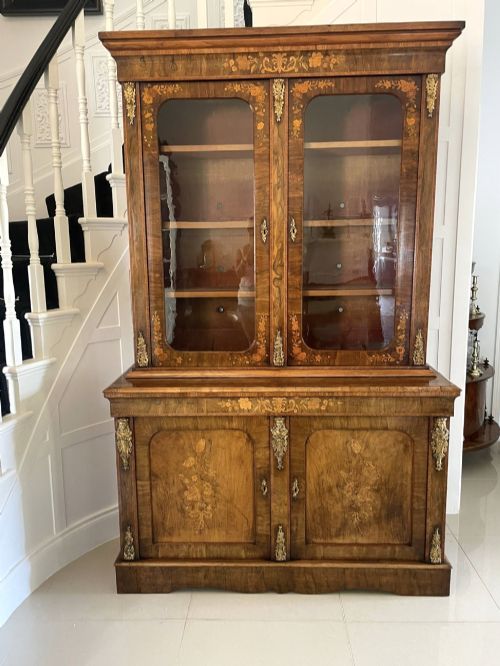
Cabinet makers utilised walnut veneers, particularly burr and figured variations, laid over secondary timbers to create rich patterned surfaces on the exterior carcase. Inlaid details in lighter fruitwoods or brass stringing often define the panel borders and door frames.
Glazing techniques involve leaded or wooden tracery holding individual panes of glass to form large viewing windows. Ormolu mounts, cast brass fittings and fabric linings complete the construction of nineteenth and early twentieth century examples.
One Art Deco piece takes a clove shape, proving cabinet makers occasionally abandoned straight lines for spice.
What varies in quality
The grade of timber selection dictates the visual impact, with carefully matched burr walnut veneers commanding greater attention than plain stock. Crispness in carved wooden details, marquetry precision and the weight of cast brass or ormolu mounts signal higher workshop standards.
Structural integrity depends on original glass panes, smoothly operating doors and sound veneering without lifting. Finer examples retain fitted interiors with original velvet or fabric linings and working locks with matching keys.
Rurka
The Walnut Glazed Display Cupboard Glossary
- Pier cabinet
- A low freestanding display piece designed to stand against the wall space between windows. These Victorian examples frequently feature glazed doors and gilt bronze mounts.
- Marquetry
- The art of forming decorative patterns by fitting together veneer trimmings of different coloured woods. Dutch cabinets often display elaborate floral motifs executed in this technique.
- Burr walnut
- Timber taken from the warted growths on walnut trees, yielding highly figured and swirly grain patterns. Cabinet makers prized this wood for principal display surfaces.
- Ormolu
- Gilded bronze ornamentation applied to furniture carcases. This finish adds metallic contrast to dark walnut timber.
- Vitrine
- A glass-fronted display cabinet intended specifically for porcelain and small curiosities. These pieces often incorporate glazed side panels for maximum light penetration.
Walnut Glazed Display Cupboard: Frequently Asked Questions
Where should I place a display cupboard?
These cabinets suit drawing rooms, dining spaces and libraries where natural light highlights the wood grain and glass panels.
Keep them away from direct sunlight and strong heat sources to protect the walnut veneer and historic timber from drying out.
How do I clean the glass and wood?
Use a soft, dry cloth for dusting the polished walnut surfaces and avoid standard silicone sprays. Clean the glass panes with a mild vinegar solution applied to a cloth rather than sprayed directly onto the timber.
Are the shelves adjustable?
Many nineteenth and twentieth century cabinets feature adjustable wooden shelving supported by rack-and-pinion systems or traditional wooden brackets. This allows owners to alter shelf heights for varying display items.