


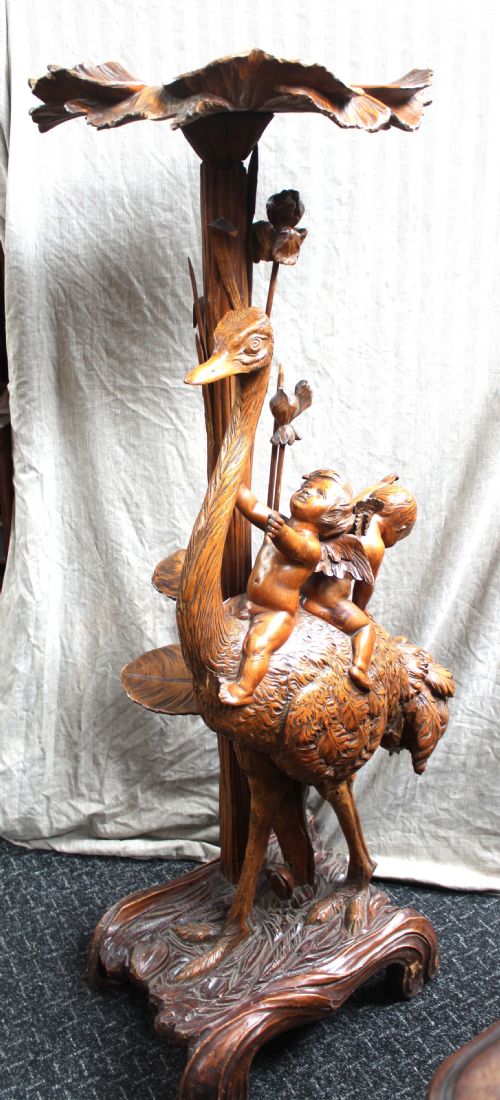

Carved Walnut Display Stand
A carved walnut display stand holds objects with presence, bringing warmth and raised focus to ceramics, bronzes or plants in a room.
Carved Walnut Display Stand
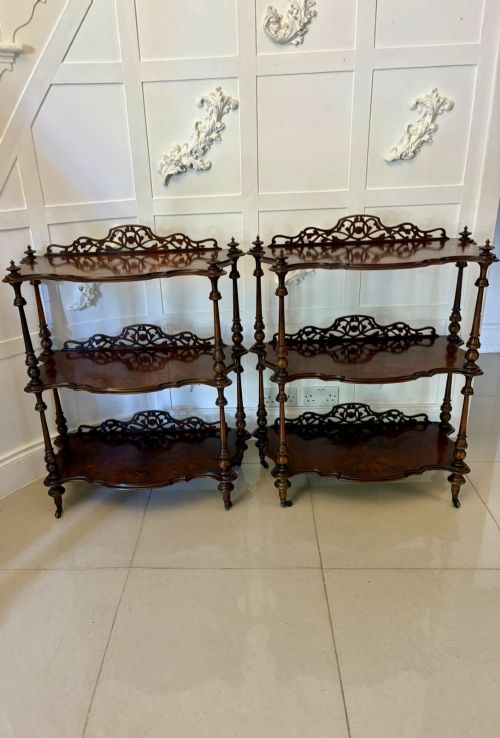
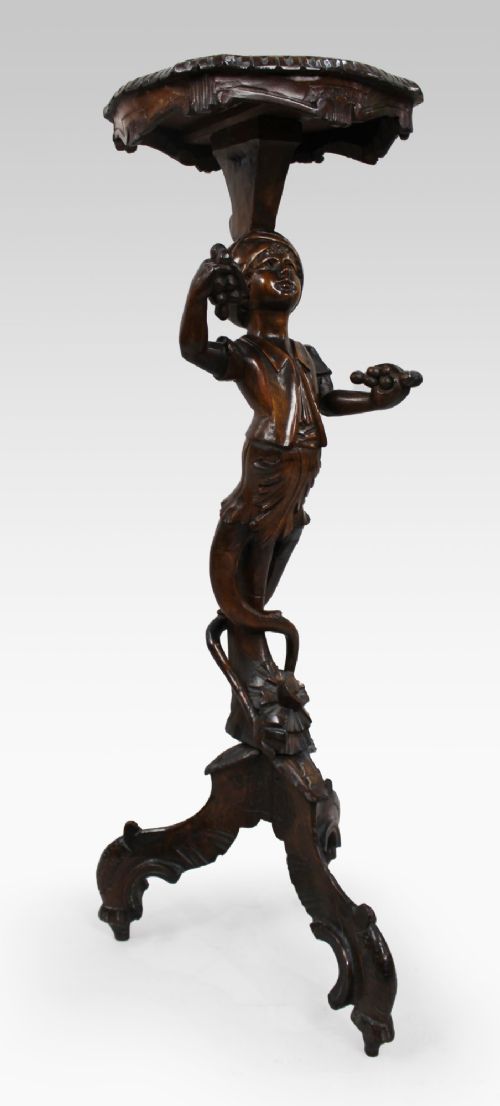
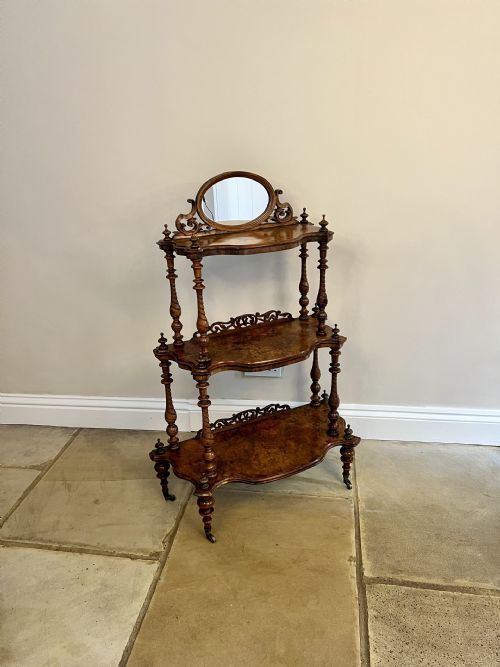
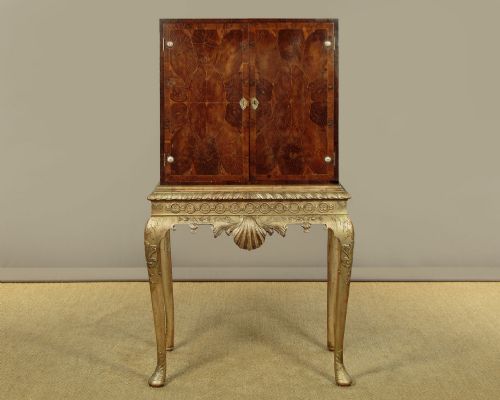
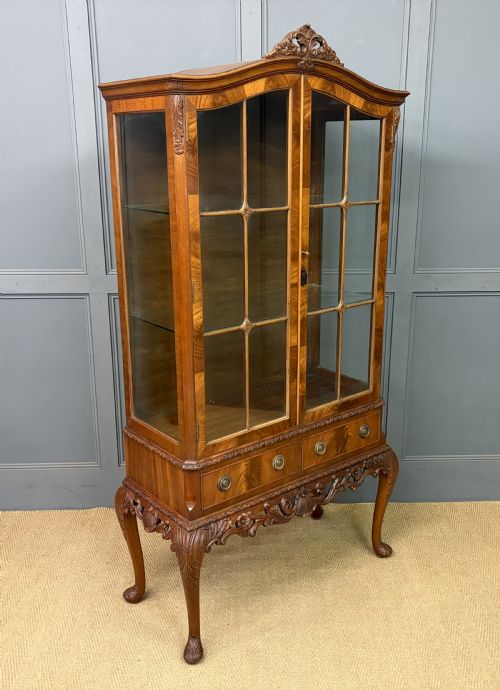
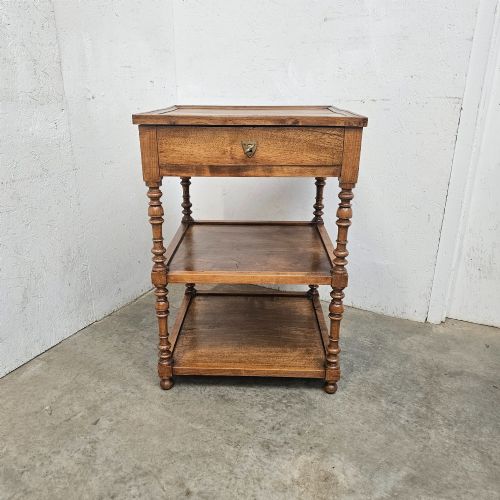
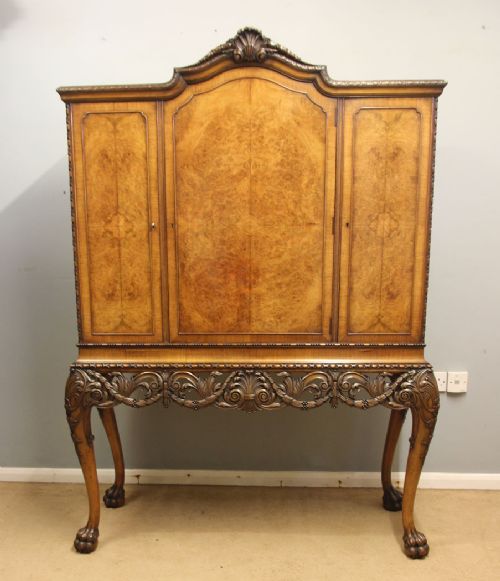
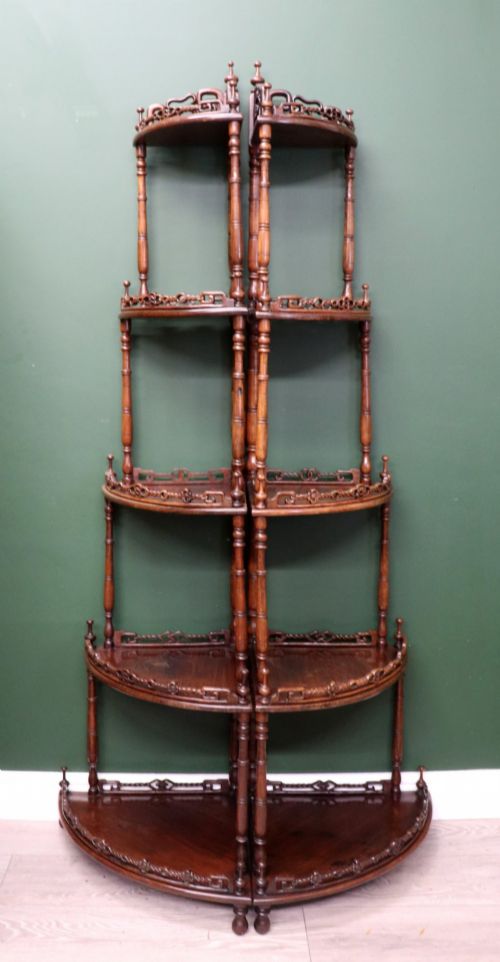
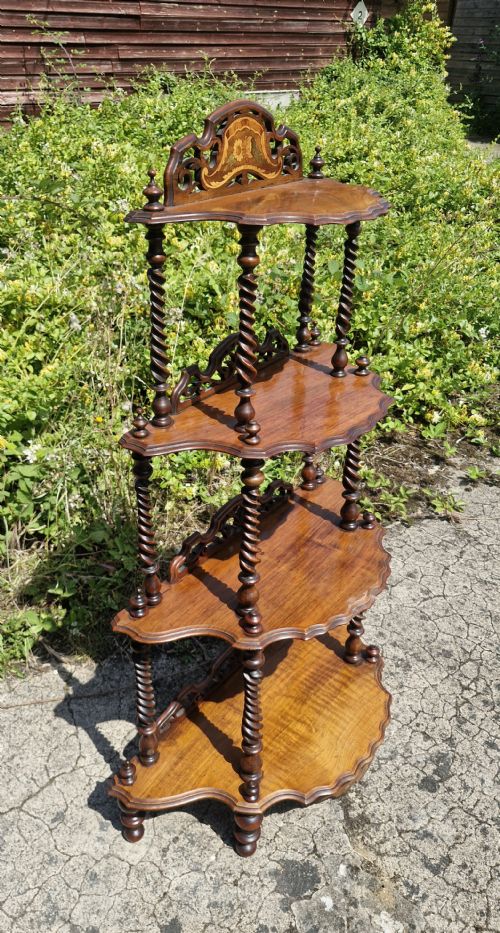
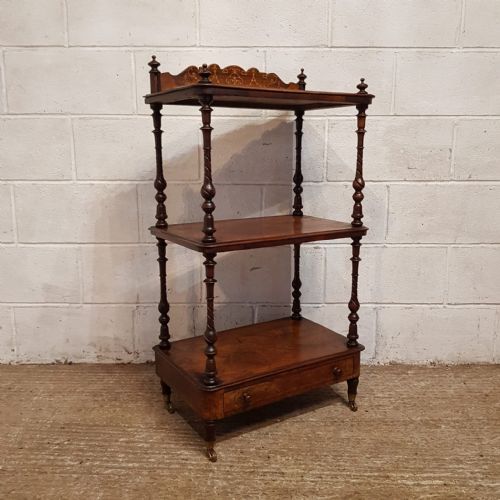
A carved walnut display stand appears in multiple forms across this selection, most commonly as tiered whatnots, etageres, corner shelves and architectural pedestals. These pieces originate across the nineteenth and early twentieth centuries, spanning Victorian, Edwardian and revival periods.
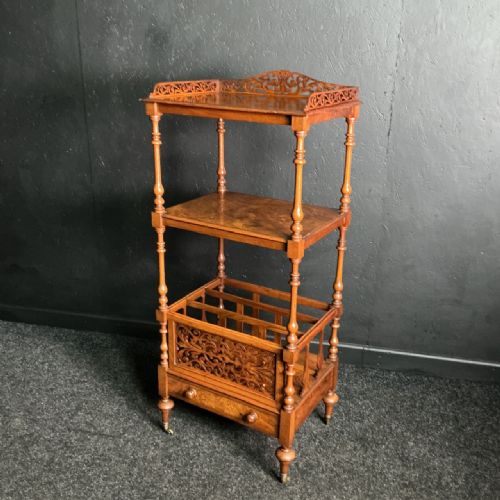
Buyers meet tiered shelf units most frequently on this page, designed originally to utilise corner spaces or stand freely against panelled walls. Alongside these shelves sit tall plant stands, jardiniere tables and music cabinets constructed from dense timbers.
English and continental workshops dominate the origins of these items, showing varied regional tastes from French rococo curves to strict Italian Renaissance revival carving. The grouping reflects domestic utility combined with formal display traditions across several decades.
Materials and Technique
Makers utilised solid walnut and decorative burr walnut veneers over secondary timbers, applying french polish to bring out the natural grain patterns and rich brown tones. Cabinetmakers selected burr sections for prominent surfaces like tabletop panels and door fronts to create dynamic, swirling visual movement.
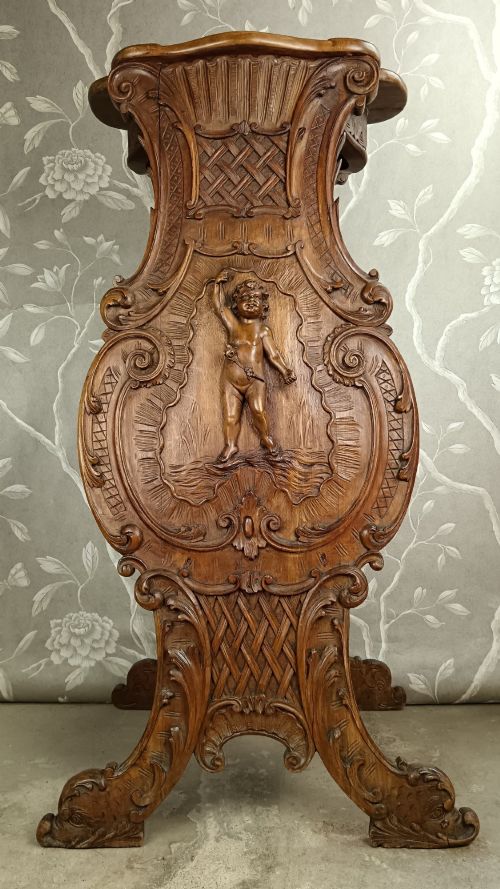
Carving and turning formed the primary decorative techniques, using hand chisels to shape acanthus leaves, figures and fluted columns along structural supports. Brass fittings, marquetry inlay, marble inserts and ormolu mounts supplemented the timber construction on finer examples.
Form variations range from tiered whatnots and corner shelves to music cabinets, pedestals, plant stands and etageres.
Judging the Workmanship
Quality separates through the depth and crispness of the hand-carved detail on structural elements like legs, pedestals and gallery rails. Superior pieces display undercut carving where foliage and figures stand free from the background timber, rather than relying on shallow mouldings.
The choice of veneer figures and the precision of the joinery mark the division between standard production and exhibition grade furniture. Tight joints on multi-tiered whatnots and carefully matched burr walnut grains indicate a maker who prioritised structural integrity alongside visual impact.
Gabriel Viardot·Maple and Co·Gillows
The Carved Walnut Display Stand Glossary
- Whatnot
- A piece of furniture consisting of several open shelves for displaying small objects. These tiered stands date largely from the Victorian era and occupy corners or freestanding positions.
- Burr walnut
- A figured wood grain obtained from walnut tree growths containing numerous dormant buds. Cabinetmakers sliced this timber into decorative veneers for table tops and cabinet doors.
- Etagere
- A set of open shelves for displaying ornaments, similar in function to a whatnot. The form originated in France and often incorporates slender turned supports.
- Pedestal
- A tall, freestanding architectural support designed to elevate a sculpture, vase or plant. Examples in this category utilise turned walnut shafts and carved figural bases.
- Jardiniere stand
- A specialised table or pedestal designed to hold indoor plant pots. These stands frequently incorporate waterproof liners or marble tops to handle moisture.
Carved Walnut Display Stand: Frequently Asked Questions
What is a carved walnut display stand used for?
These pieces serve as elevated stages for ornaments, bronzes, ceramics and indoor plants within domestic interiors. Multiple tiers allow collectors to group smaller items together vertically without cluttering floor space.
Historically, they occupied drawing rooms and parlours where hosts displayed prized possessions to visiting guests. Today, they perform the exact same function while adding warmth through the dark walnut timber.
How do I tell a Victorian whatnot apart from later revival pieces?
Victorian examples generally exhibit denser timber selection, heavier gauge walnut and hand-carved details specific to mid-nineteenth century revivals. The construction methods rely on traditional pegged joints and hand-turned spindle supports.
Later pieces from the twentieth century often adopt cleaner revival lines or lighter proportions. Examining the secondary woods underneath and the wear patterns on the feet helps confirm the manufacturing period.
Are corner shelves stable enough for heavy items?
Corner units distribute weight effectively across three points of contact against the wall and floor. The structural geometry of a corner whatnot provides inherent stability even when loaded with ceramics.
Heavier objects belong on the lower fixed shelves, while lighter porcelain and glass sit safely on the upper tiers. Securing tall pedestals to a wall prevents tipping in busy household environments.
How do I care for burr walnut furniture?
Burr walnut requires stable indoor humidity away from direct sunlight and heat sources to prevent veneer splitting. Gentle dusting with a dry, soft cloth maintains the surface without stripping the traditional french polish.
Occasional application of pure beeswax feeds the timber and protects the grain from drying out. Avoid silicone sprays and abrasive cleaners that damage antique polish.