
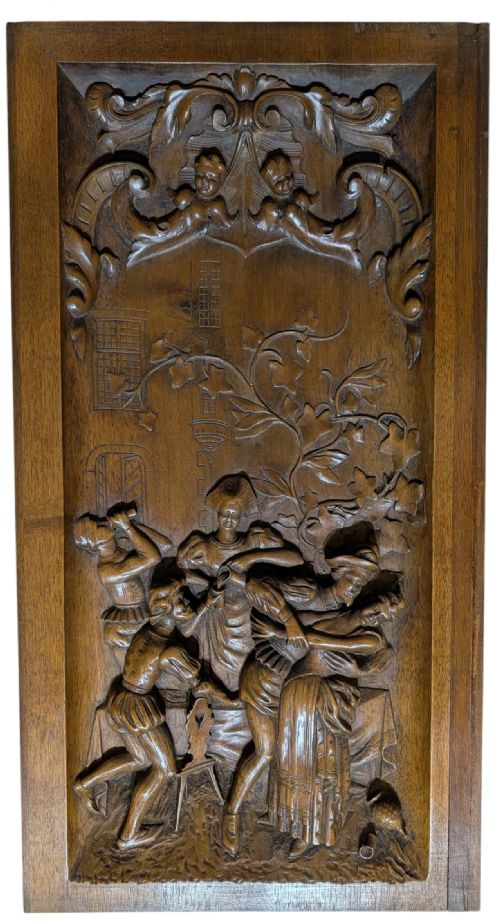

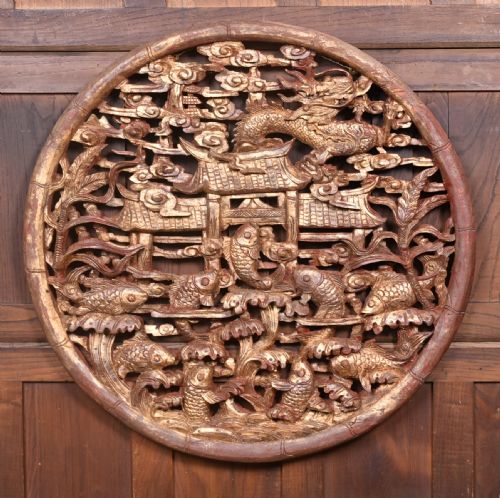

Carved Timber Relief Plaque
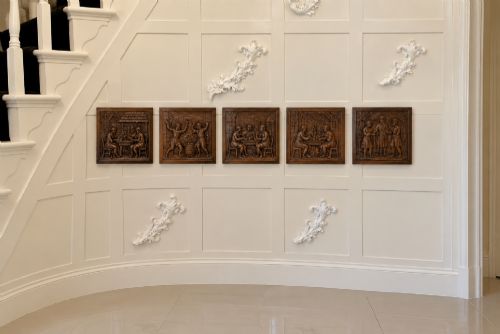
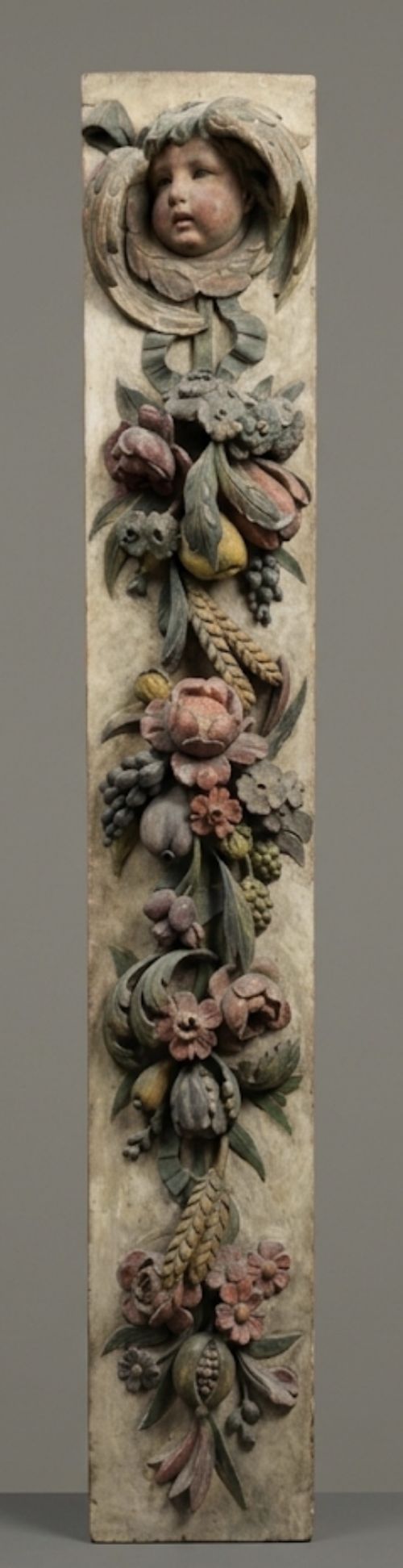
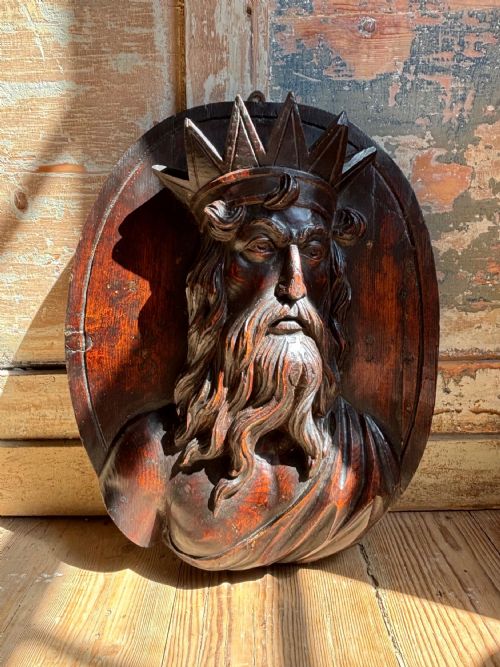
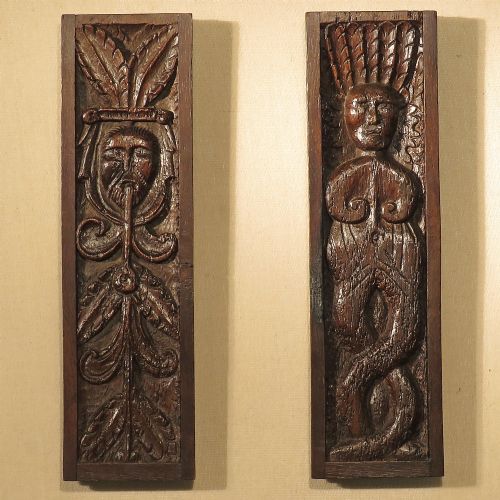
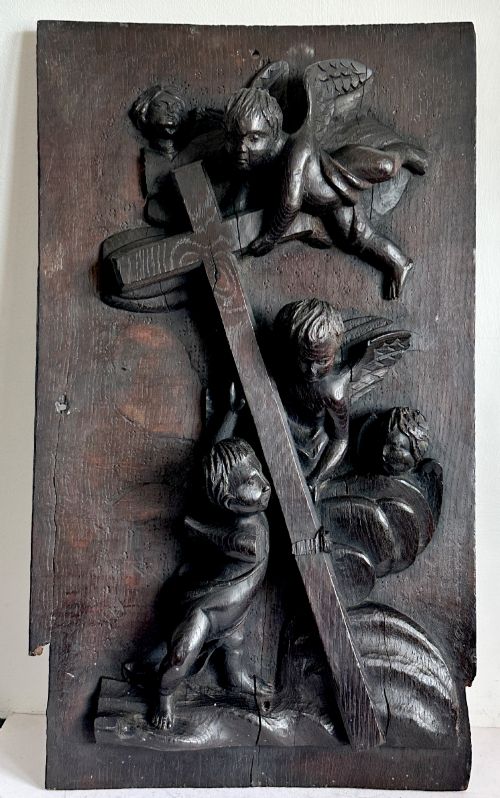
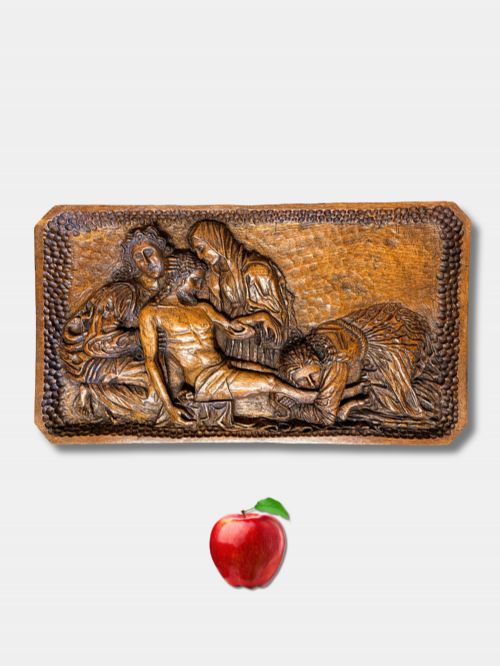
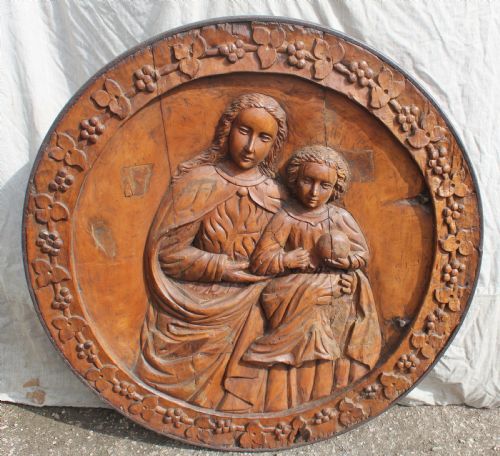
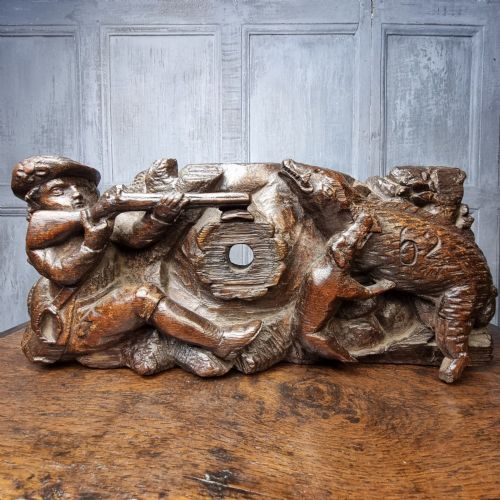
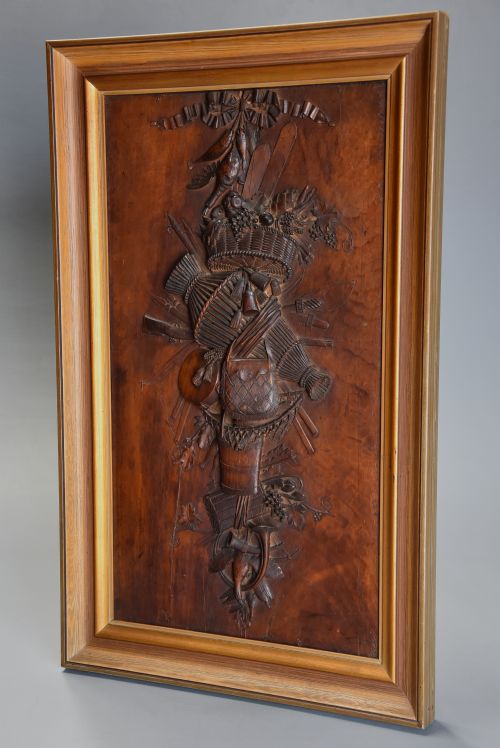
These carved timber relief plaque examples bring deep historical texture to a room, ranging from small Flemish panels to large hunting trophies.
Carved Timber Relief Plaque
A carved timber relief plaque is a wall-mounted wooden carving projecting from a flat background, encompassing wall panels, architectural salvage, and figurative artwork. When you search this phrase, you find items spanning from the sixteenth century through the Victorian era, representing diverse global origins including Britain, continental Europe, China, and India.
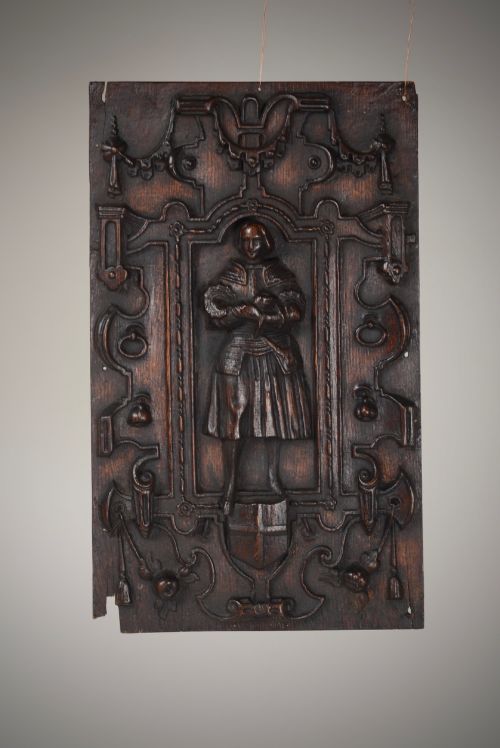
The version you are most likely to meet on this page is the seventeenth-century oak panel, often featuring deep baroque acanthus leaves or figural scenes. Alongside these, nineteenth-century Black Forest animal trophies and continental fruitwood carvings appear frequently in various sizes.
How they were made
Carvers shaped these pieces primarily from domestic hardwoods such as oak, walnut, and chestnut, while specific regional pieces utilise teak or fruitwood. Artisans employed gouges and chisels to create varying depths of relief, sometimes finishing the timber with paint, polychrome, or dark lacquer.
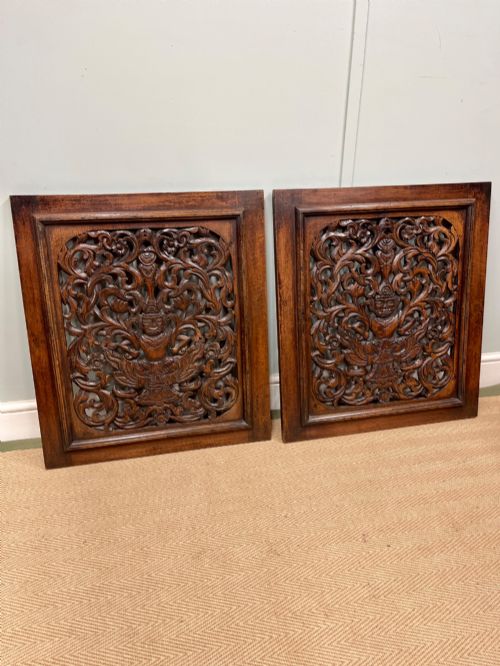
Many items originated as architectural elements from doors, walls, or furniture before conversion into wall plaques. Pierced carving techniques removed the background entirely in certain baroque examples to create openwork foliage.
Listings span from the 16th Century to the Victorian era, utilising oak, walnut, teak, chestnut, and fruitwood.
What varies in quality
The integrity of the timber and the retention of original surface treatments also govern worth. Pieces retaining their initial polychrome or unblemished patination stand apart from those altered or overly stripped by later hands.
The Carved Timber Relief Plaque Glossary
- Relief carving
- A sculpture technique where figures or designs project from a flat background plane. High relief projects significantly, whilst low relief stays close to the surface.
- Baroque
- An ornate European style spanning the seventeenth and early eighteenth centuries, noted for dynamic movement and dramatic acanthus foliage.
- Black Forest
- A nineteenth-century German style associated with realistic animal carvings, particularly hunting trophies and forest fauna.
- Architectural salvage
- Elements rescued from buildings, such as door panels or wall fragments, subsequently adapted for display as standalone art.
- Polychrome
- The practice of decorating timber surfaces with multiple colours of paint.
Carved Timber Relief Plaque: Frequently Asked Questions
How were these plaques originally displayed?
Many items functioned as integral components of larger architectural schemes, built directly into walls, overmantels, or church interiors. Others served as decorative panels on heavy oak furniture or served as trade signs.
Over time, many of these architectural fragments were removed and mounted independently as wall art for domestic display.
How do I clean wooden relief plaques?
Dust these carvings gently with a soft, dry brush to prevent dirt accumulation within the recessed carved details. Avoid using water, modern polishes, or chemical cleaners that can strip historic wax or damage old paint.
Maintaining a stable indoor humidity helps protect the timber from splitting or warping over the years.
How can I tell a seventeenth-century panel from a later copy?
Early pieces display tool marks left by hand chisels and show natural timber shrinkage consistent with age. Oak panels from this era often exhibit distinct medullary rays and heavy surface patination from centuries of exposure.
Later revival copies frequently present machine-cut precision or lack the deep, dry lustre of genuinely old wood.
What subjects are most common on these plaques?
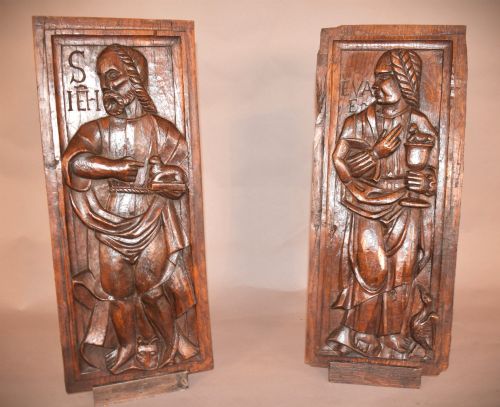
Religious narratives, classical mythology, and allegorical figures dominate the earlier European examples, including depictions of saints and classical deities. Later nineteenth-century pieces frequently portray hunting scenes, wildlife, or portraiture.
Asian and Middle Eastern works in the selection typically feature traditional regional flora, fauna, or intricate calligraphy.