


Decorative Wood Wall Carving
Decorative wood wall carving brings together centuries of skilled handiwork, transforming plain timber and giltwood into mirrors, brackets, and architectural panels.
Decorative Wood Wall Carving
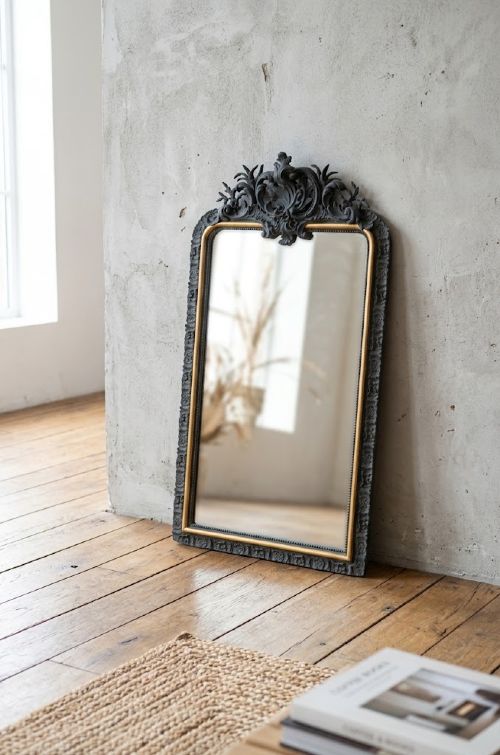
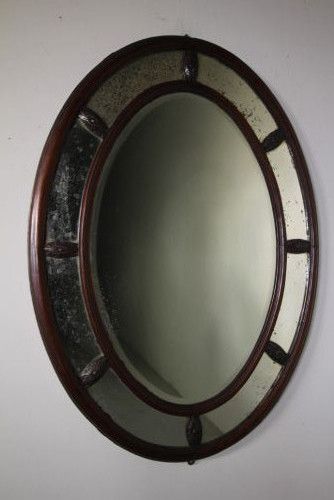
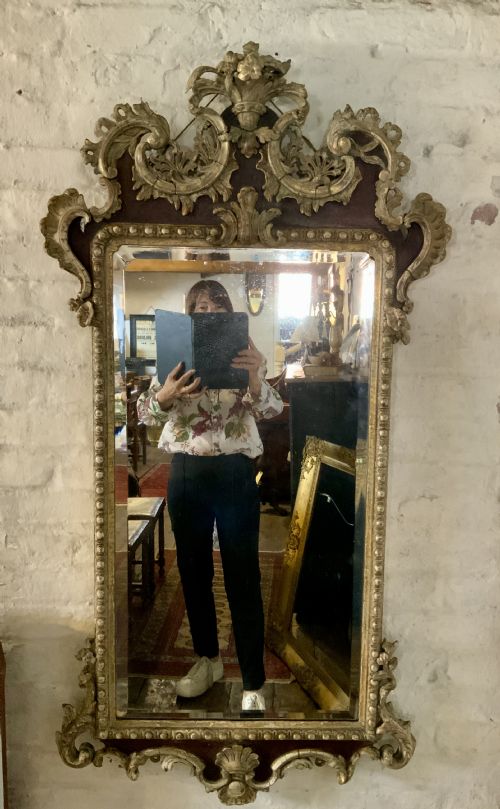
When you search for decorative wood wall carving, you encounter a diverse array of items ranging from 18th century walnut mirrors to Victorian display brackets and carved panels. These pieces span multiple styles, including Rococo, Neoclassical, and Renaissance Revival, reflecting the ornamental tastes of their respective periods.
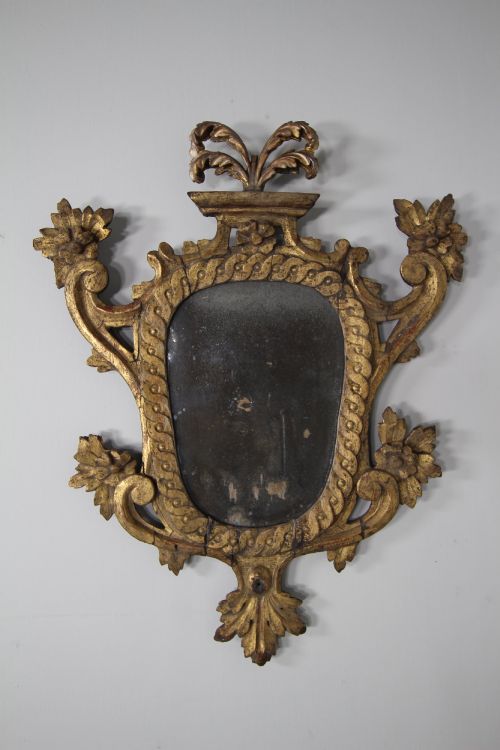
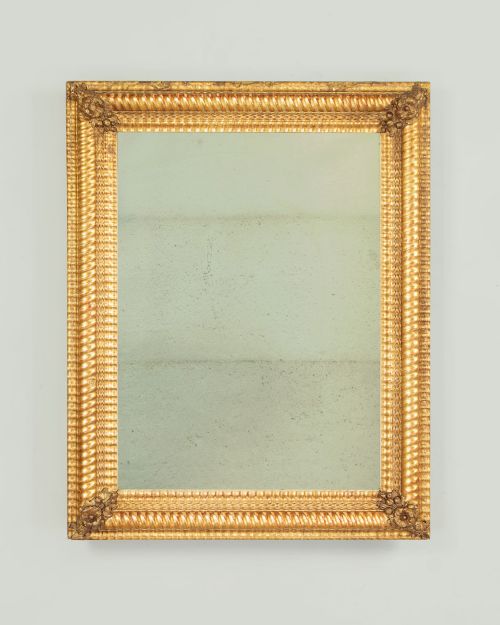
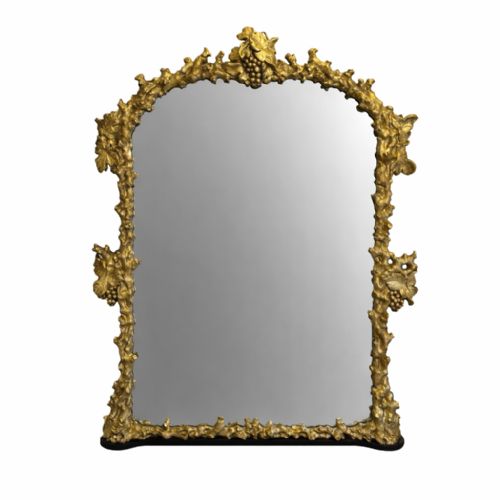
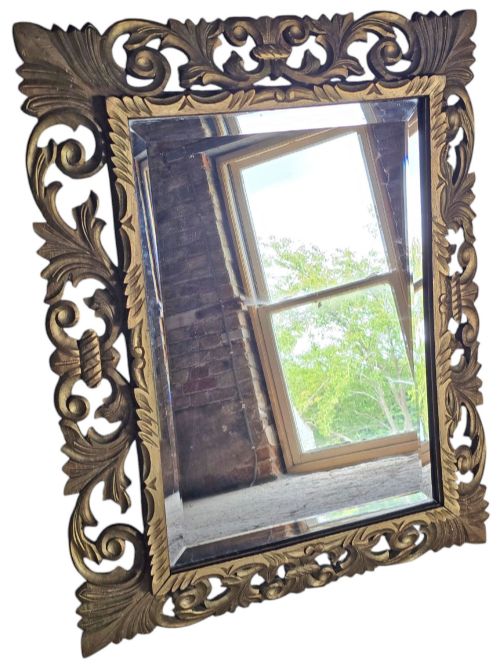
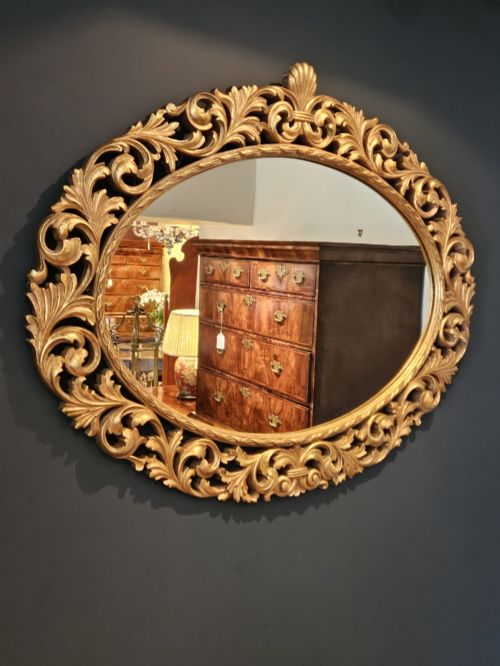
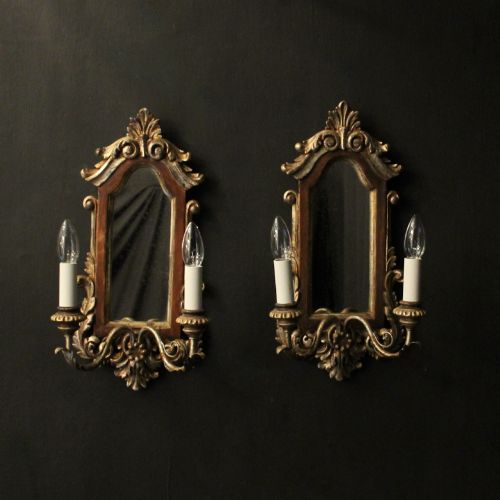
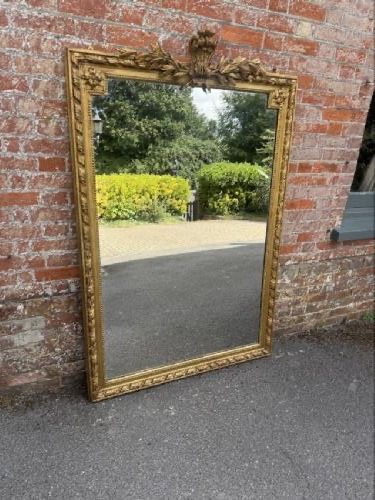
The selection on this page relies heavily on mirrors and architectural elements, particularly Florentine giltwood frames, overmantles, and wall sconces. You will frequently find pieces originating from English, French, and Italian workshops dating from the 18th century through to the early 20th century.
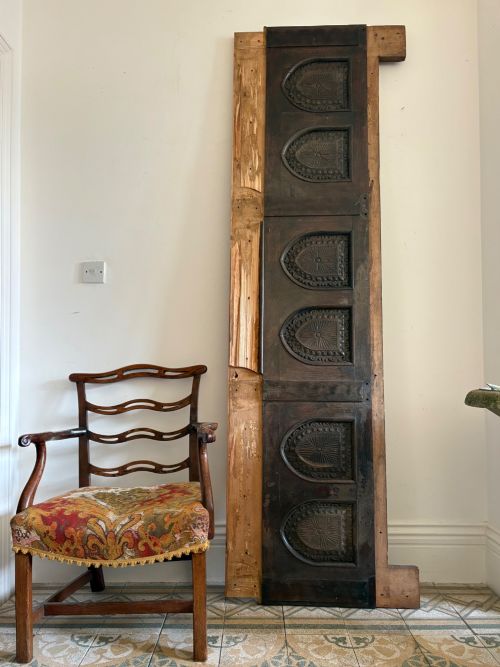
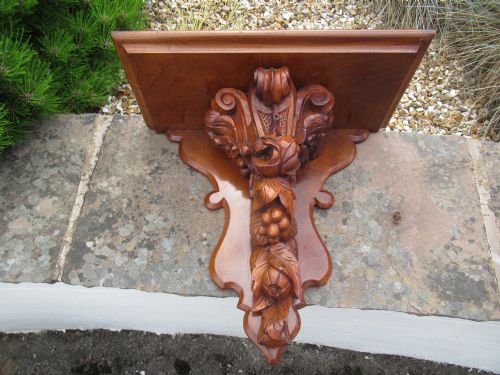
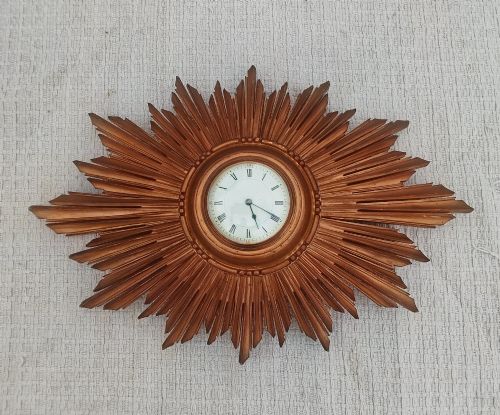
Beyond mirrors, the category encompasses specific architectural fragments such as carved oak panels, corbels, and wooden brackets designed to accent an interior space. These items show how functional supports and decorative reliefs were integrated into historic domestic architecture.
Materials and construction methods
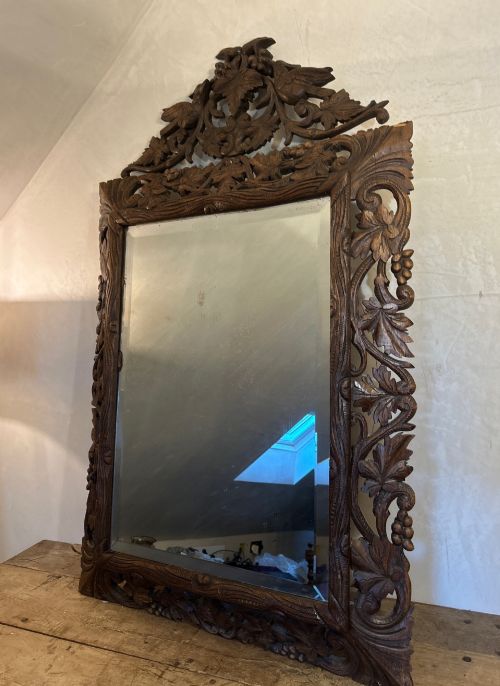
Makers utilised solid timbers such as oak, mahogany, and walnut as the foundational base for substantial carving work. These woods provided the necessary structural integrity for deep relief and applied ornamentation.
Many surfaces received layers of gesso before being gilded with gold leaf or painted, a technique that created smooth grounds for intricate scrollwork and acanthus leaf details. This combination of wood, gesso, and gilding defines the opulent finish seen on numerous Italian and French mirrors.
Listings feature items spanning the 16th to the early 20th century, encompassing materials such as oak, giltwood, gesso, and red lacquer.
Assessing craftsmanship and finish
Quality in these pieces depends on the crispness and depth of the hand-carved detail within the wood or gesso layers. Skilled carvers achieved sharp undercut foliage and balanced symmetry, whereas lesser examples show softer, more generalised moulding.
The application of the gilt finish also distinguishes finer examples, where burnished gold leaf interacts with light differently than flat painted gold surfaces. Original mirror plates, period glass bevels, and intact structural joinery further elevate the standing of a carved wall piece.
The Decorative Wood Wall Carving Glossary
- Giltwood
- Timber that has been coated with gold leaf over a prepared gesso base. This finish is characteristic of many ornate mirrors and brackets from the 18th and 19th centuries.
- Gesso
- A plaster-like mixture applied to wood surfaces to create a smooth layer for subsequent gilding or painting. It allows carvers to achieve fine decorative relief details.
- Overmantel mirror
- A large mirror designed specifically to hang on the wall above a fireplace mantelpiece. They often feature arched tops and extensive carved wooden frames.
- Girandole
- A branched wall bracket fitted with candle holders, typically placed in front of a mirror to reflect and amplify candlelight. They are frequently carved in the Rococo style.
- Parcel-gilt
- A decorative finish where only specific portions of a wooden object are gilded, leaving the underlying wood grain visible elsewhere. This technique highlights particular carved motifs.
Decorative Wood Wall Carving: Frequently Asked Questions
How do I date an antique carved mirror?
Dating relies on examining the timber species, the composition of the gesso, and the style of the carving. Secondary characteristics like backboards and fixings provide additional clues.
For instance, 18th century examples often utilise different construction joints compared to Victorian or early 20th century pieces.
Were these carvings always gilded?
Not all carved wall pieces were gilded, as many relied on the natural grain of oak, mahogany, or walnut. English country house pieces frequently celebrated the raw timber.
Conversely, Italian and French salon pieces frequently employed gesso and gold leaf to catch the light.
How should I hang a heavy wooden wall carving?
Due to the combined weight of solid timber, gesso, and glass, secure wall fixings into masonry or studwork are essential. Professional mirror hangers utilise heavy-duty D-rings and steel wire rated for the specific weight.
Checking the structural integrity of the wooden frame before hanging ensures the piece remains secure.