



Edwardian Carved Wood Panel
An edwardian carved wood panel brings tactile relief and rich timber grain to an interior, often emerging from wardrobes, settles, and architectural salvage.
Edwardian Carved Wood Panel
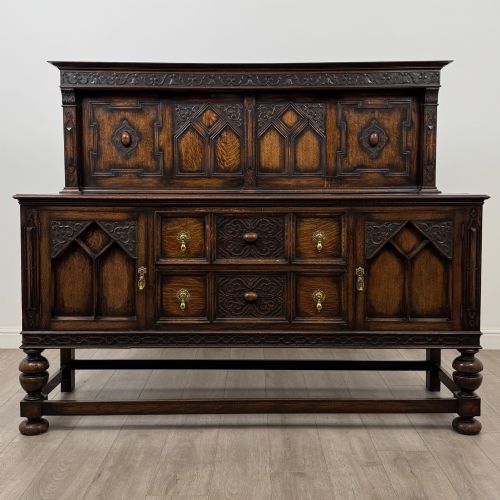
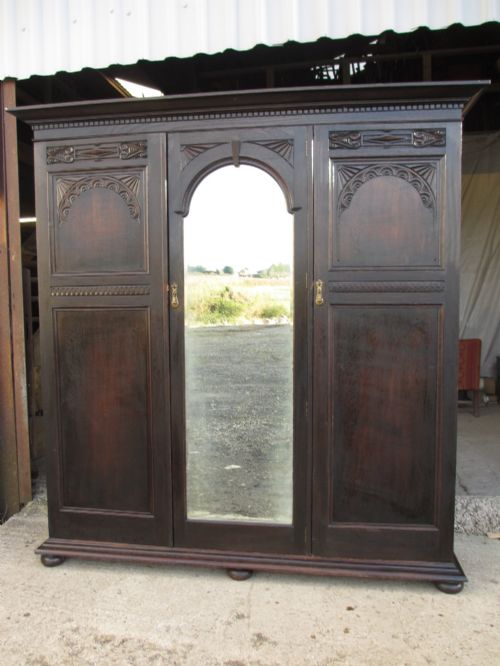
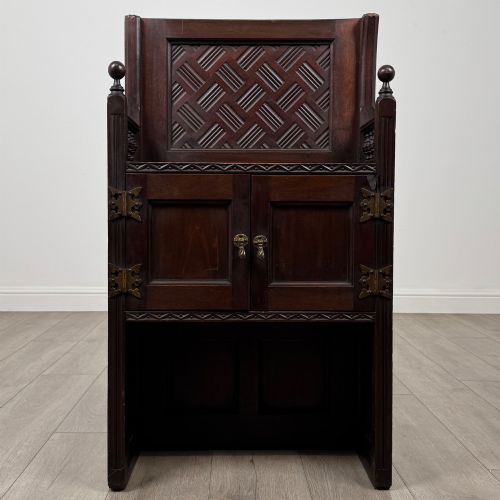
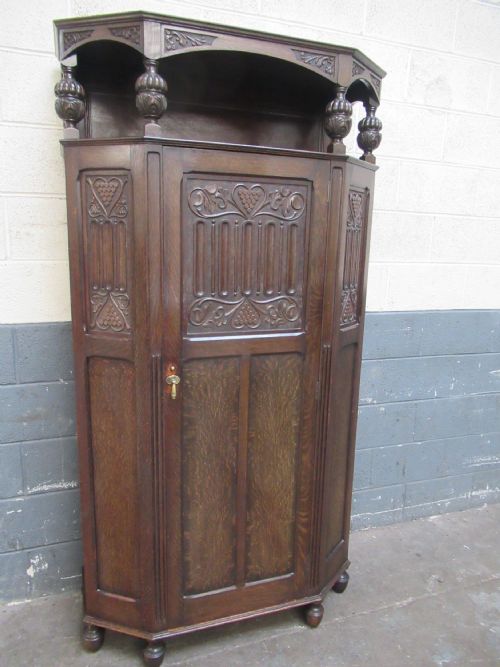
When you search for an edwardian carved wood panel, you encounter architectural fragments, furniture components, and decorative carvings shaped during the early twentieth century. Many examples emerge from larger oak and walnut pieces such as wardrobes, hall settles, and overmantel mirrors.
The selections span the Edwardian era alongside adjacent periods like the Victorian age and the nineteen-twenties, encompassing stylistic revivals including Jacobean and Arts and Crafts designs. These items function as wall art, architectural salvage, and standalone decorative plaques.
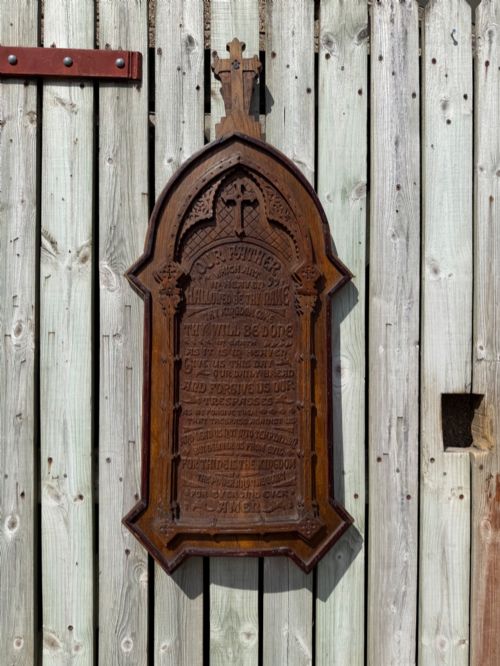
While some pieces originate from domestic furniture, others represent distinct sculptural works, such as fairground carousel panels and framed wall plaques bearing carved inscriptions or pictorial scenes.
Materials and Techniques
Makers predominantly utilised solid timbers such as oak, mahogany, walnut, and ash to shape these panels. The wood is frequently deeply carved, utilising relief techniques to create pictorial depth and architectural presence.
Surfaces display natural finishes that highlight the grain of the timber, occasionally paired with painted elements or structural framing in brass. Joinery methods reflect the cabinet-making standards of the period, securing durability across large wall plaques and furniture doors.
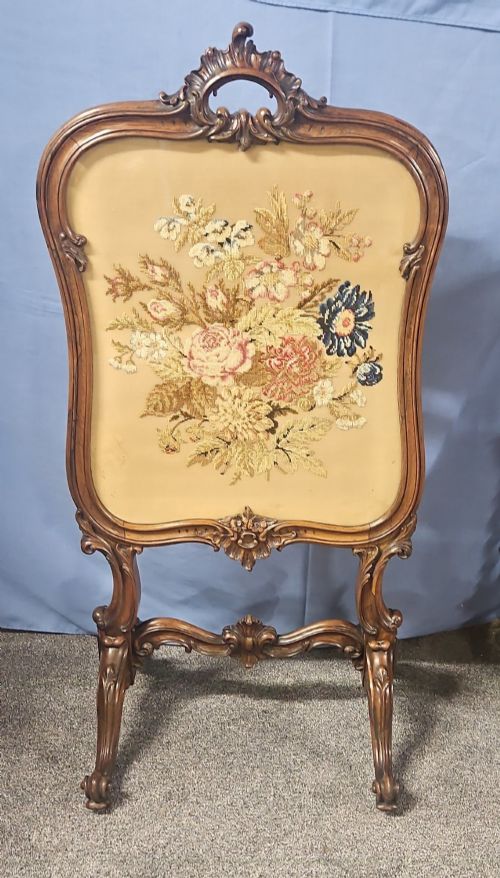
The inventory combines domestic furniture elements with fairground carousel panels and framed needlework pictures.
Judging Quality
Quality rests upon the crispness of the carving and the selection of the timber. Deep, deliberate chisel work separates master carvers from routine commercial production.
The integrity of the wood grain and the preservation of the original surface finish dictate the desirability of a panel. Well-figured oak and rich walnut command greater attention than plain secondary timbers.
The Edwardian Carved Wood Panel Glossary
- Relief carving
- A sculptural technique where figures or patterns project from a flat background. This method creates shadow and depth across timber surfaces.
- Arts and Crafts
- A design movement prioritising traditional craftsmanship and natural materials. Pieces from this era often display hand-worked surfaces and vernacular motifs.
- Architectural salvage
- Building components rescued from demolition or alteration. These elements are frequently repurposed as decorative wall art.
- Overmantel mirror
- A large looking glass designed to hang above a fireplace mantel. They often incorporate carved wooden frames and integrated panels.
Edwardian Carved Wood Panel: Frequently Asked Questions
What is an edwardian carved wood panel?
It is a decorative wooden element carved during the early twentieth century, either as an independent plaque or as a removed component from larger furniture like wardrobes and settles.
These pieces showcase the woodwork techniques and stylistic revivals popular during the period.
How were these panels used originally?
Many served as structural or decorative parts of domestic furniture, forming doors, headboards, and backsplashes for sideboards.
Others functioned purely as wall art, architectural ornaments, or pictorial fairground boards.
How do I hang a wooden panel?
Due to their weight and solid timber construction, panels require secure wall fixings suited to the specific weight of the wood.
Battens or heavy-duty picture wire attached to the structural frame provide stable support for display.
How do I date an edwardian carved wood panel?
Dating relies on identifying timber species, tool marks, style, and construction methods associated with the early twentieth century.
Comparing the carving motifs to documented Arts and Crafts or revival patterns helps narrow the period of origin.