




Vintage Carved Wood Plaque
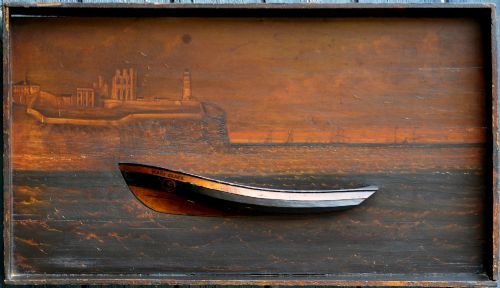
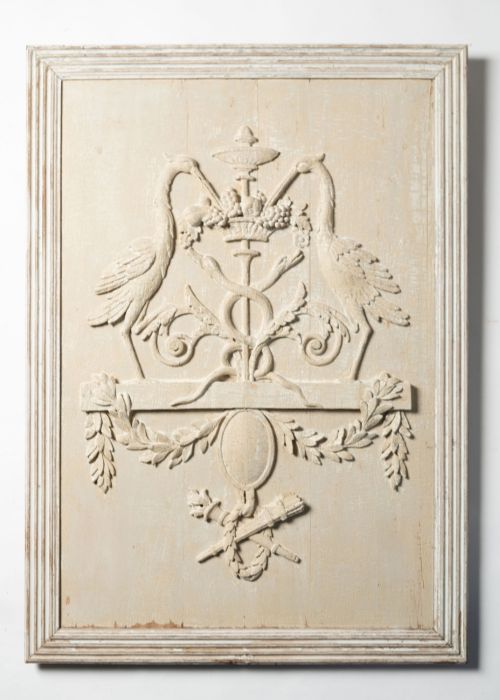
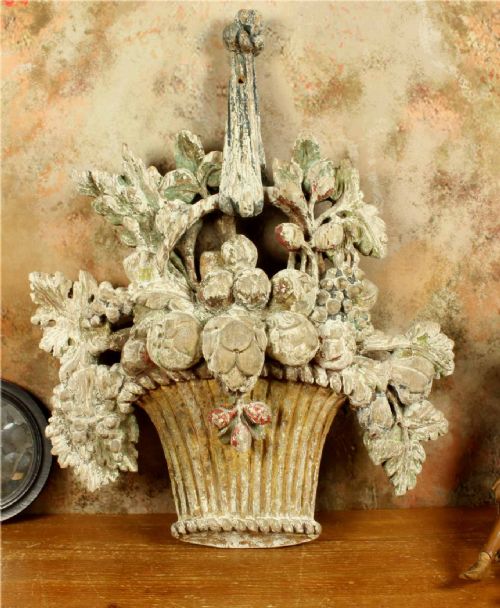
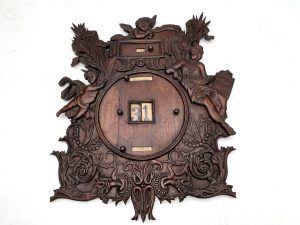
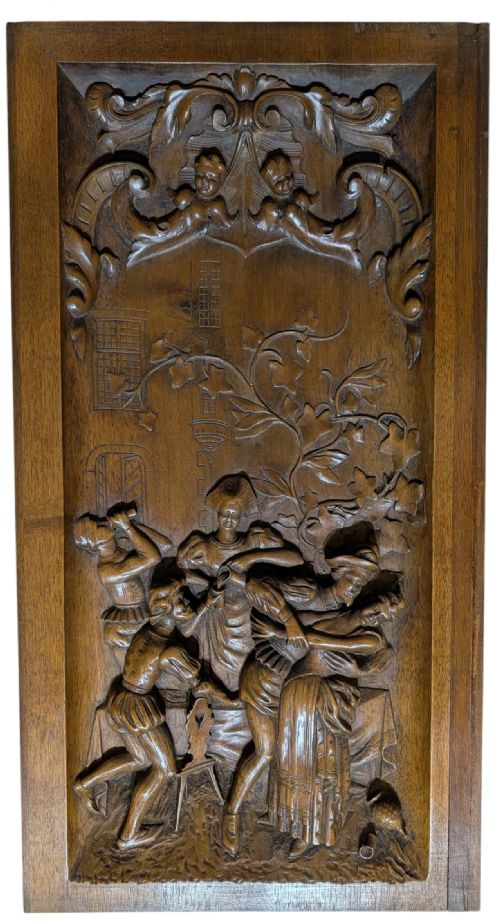
A vintage carved wood plaque brings depth and texture to a wall, taking forms from Black Forest animal trophies to French panels.
Vintage Carved Wood Plaque
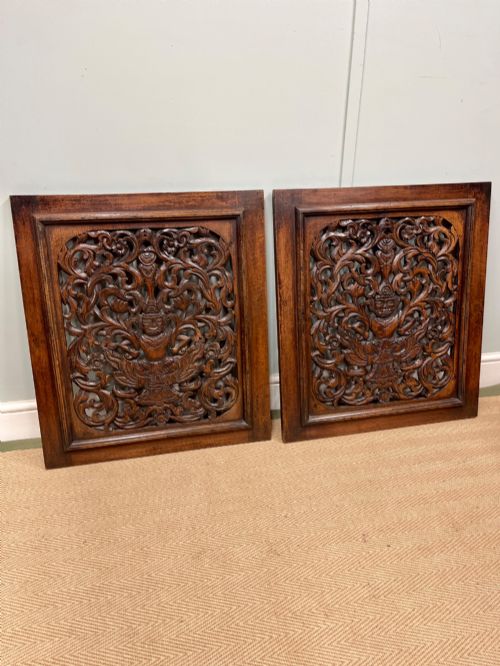
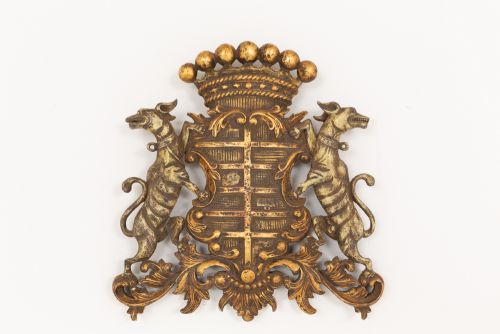
A vintage carved wood plaque encompasses decorative wall art, architectural salvage, and relief carvings produced across the eighteenth, nineteenth, and early twentieth centuries. When searching for a vintage carved wood plaque, buyers encounter oak panels, painted folk art deer, armorial shields, and floral reliefs.
The selections span diverse regional traditions, including French chateau panels, Kashmiri walnut trays, Japanese lacquer pieces, and Black Forest hunting trophies. Oak and walnut dominate the offerings, alongside teak, mahogany, and painted timber.
Wall plaques and panels appear alongside figural wall masks, armorial shields, and carousel pieces. These items originate from domestic interiors, workshops, and architectural settings across Europe and Asia.
Materials and construction methods
Craftsmen shaped these pieces primarily from solid hardwoods such as oak, walnut, mahogany, and teak, utilising traditional hand-carving chisels to create deep relief and surface texture. Paint, stain, and lacquer finishes were frequently applied to enhance the grain and detail of the timber.
Many items incorporate joined panels, applied mouldings, or mounted elements like antlers and mirrors. Structural framing supports heavier wall sculptures and architectural fragments salvaged from period buildings.
Among the fauna looking down from the walls are a startled tiger head and a watchful falcon.
Assessing quality and execution
Quality rests in the crispness and depth of the carving, where skilled hands produce convincing musculature in animal heads, fine floral petals, and legible lettering. Superior examples display balanced composition and confident tool marks that reveal the carver's direct intent.
The integrity of the timber and the preservation of original surface finishes dictate desirability. Pieces retaining uncompromised patination and stable joinery stand apart from those with excessive later alterations.
The Vintage Carved Wood Plaque Glossary
- Relief carving
- A sculptural technique where figures or designs project from a flat background. This method creates the dimensional scenes seen on wall panels.
- Black Forest
- A style of wood carving originating in Switzerland and Germany during the nineteenth century, known for realistic animal subjects and hunting motifs.
- Architectural salvage
- Building elements removed from structures for reuse or display. Items include carved door panels and decorative mouldings.
- Armorial shield
- A heraldic display shaped like a shield, often carved in wood to represent a family crest or organisation.
- Specimen wood
- An assemblage of various distinct timber types chosen for contrasting colours and grain patterns in decorative woodwork.
Vintage Carved Wood Plaque: Frequently Asked Questions
Where should I hang a wooden plaque?
These pieces suit living spaces, hallways, or studies where wall space allows them to function as focal points. Ensure adequate support is used, particularly for heavier oak panels and animal trophies.
Keep them away from direct heat sources and strong sunlight to protect the timber and any original painted finishes from drying or fading.
How do I clean an antique wood carving?
Remove dust gently using a soft, dry brush or a lint-free cloth that will not catch on raised carved edges. Avoid wet cleaning products, as moisture damages aged timber and historic finishes.
Periodic application of appropriate wax preserves the surface sheen of hardwoods like oak and walnut without building up unwanted residue.
Are these plaques heavy?
Weight varies considerably depending on the timber used and the thickness of the panel or backing board. Solid oak and mahogany pieces, especially those with mounted antlers or mirrors, require secure wall fixings.
Lighter trays, softer walnut carvings, and smaller panels place fewer demands on wall structures during installation.
How do I date a carved wooden panel?
Dating relies on examining tool marks, timber shrinkage, style markers, and the construction methods used in the backing or framing. Eighteenth-century pieces often show hand-adzed surfaces and simpler joinery, while Victorian and later examples reflect more industrial or specialised workshop practices.
Comparing the stylistic motifs, such as Neoclassical symmetry or Arts and Crafts plant forms, helps narrow the period of production.