



Carved Timber Panel
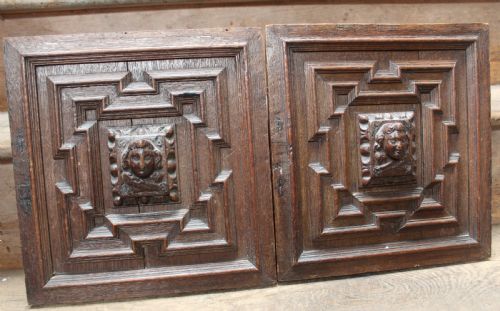
When you search for a carved timber panel, you seek architectural salvage and wall art carrying centuries of hand work.
Carved Timber Panel
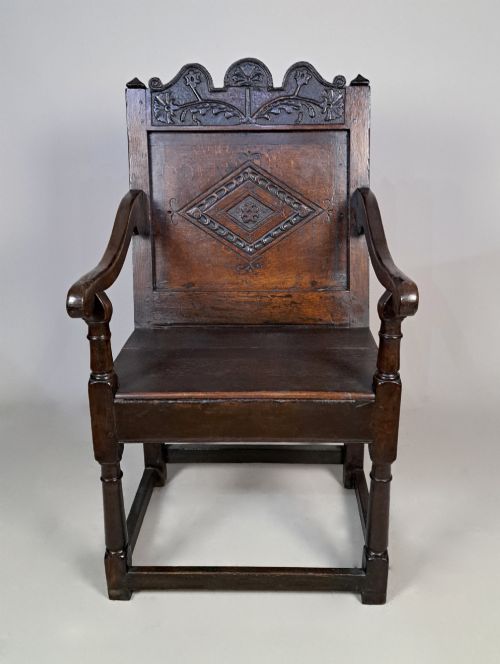
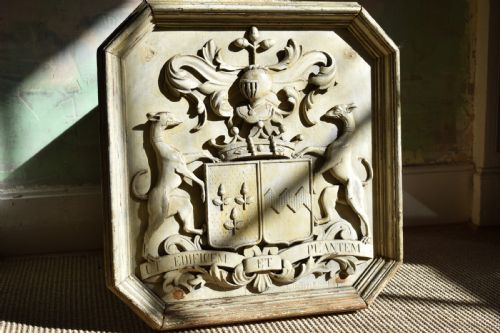
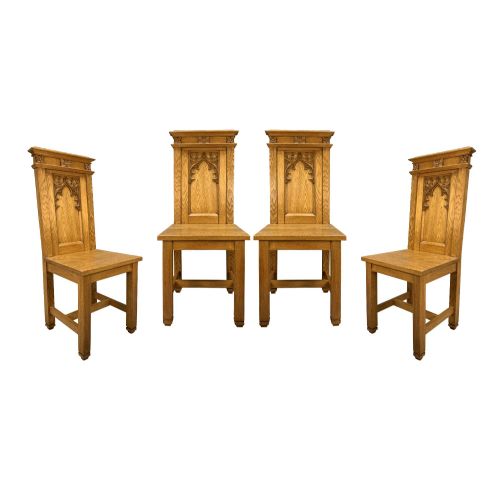
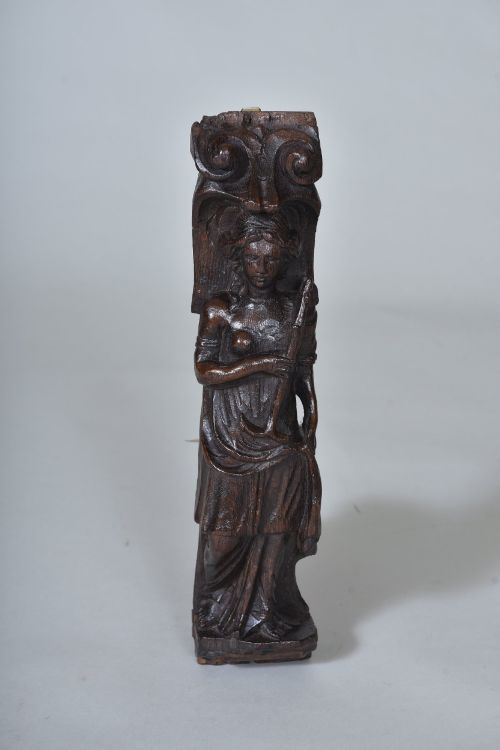
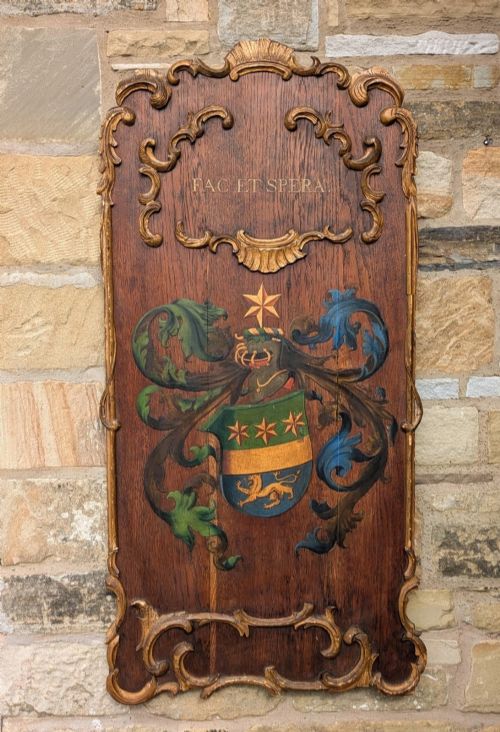
A carved timber panel brings historical weight and architectural depth to an interior through centuries of salvaged woodwork. Buyers searching for a carved timber panel typically encounter pieces originating from the sixteenth to the nineteenth centuries, spanning domestic furnishings and structural fragments.
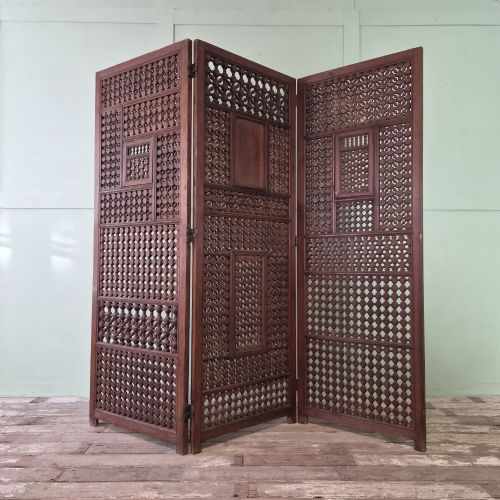
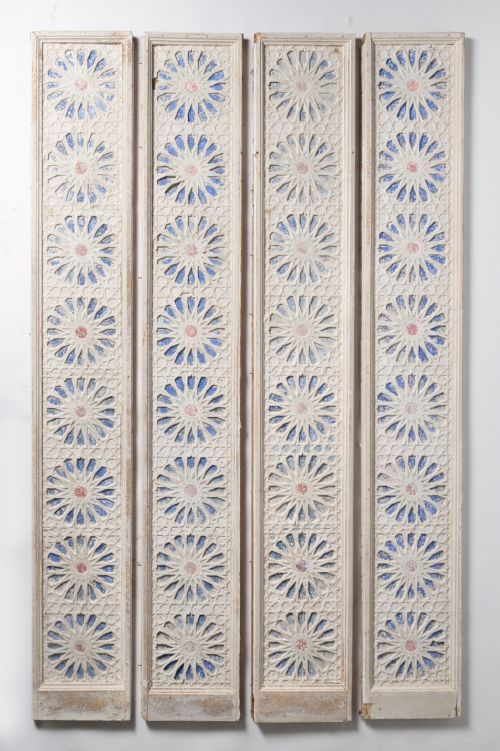
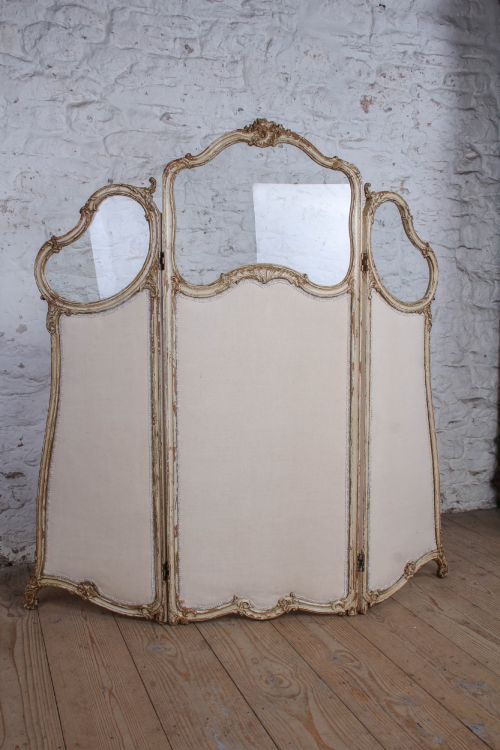
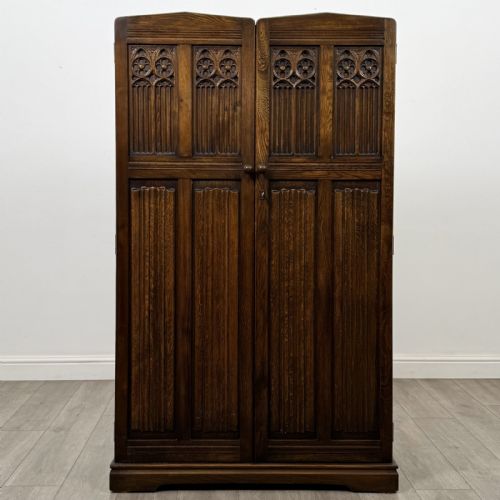
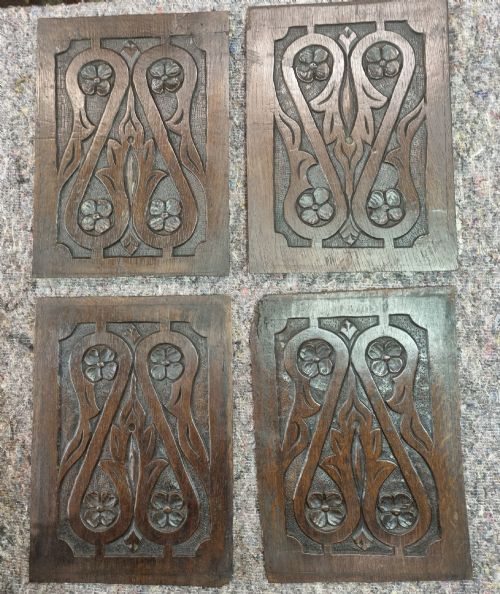
The selection ranges from early oak linenfold panels and seventeenth century relief carvings to nineteenth century continental plaques and room dividers. These objects function as wall art, overmantles, or architectural salvage salvaged from period buildings and furniture.
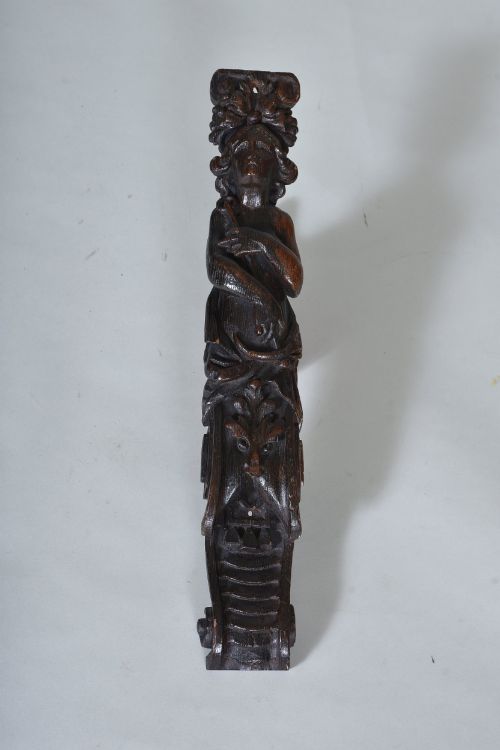
Originating across England, France, Italy, Germany, and Asia, these items demonstrate diverse regional carving traditions. Pieces span from simple provincial chip carving to elaborate figurative depictions executed in hardwood.
Assessing quality
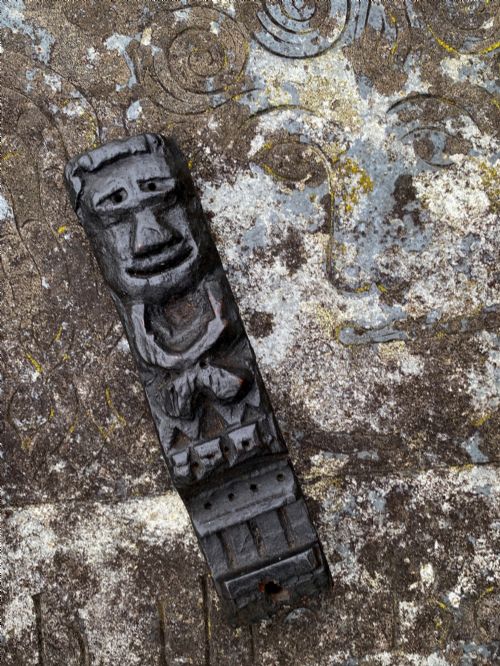
Quality rests upon the depth, crispness, and anatomical proportion of the hand carving rather than surface condition alone. Superior examples display confident tool marks and fluid movement in figurative or botanical motifs, distinguishing master carvers from provincial joiners.
The integrity of the timber and the retention of original surface finish dictate the standing of a panel. Alterations, later additions, or excessive stripping diminish the integrity of the object.
Carved Timber Panel Retail Price Guide 2026
Typical asking prices for carved timber panel among the pieces listed under this phrase on Sellingantiques today, from the lower quarter to the upper quarter. They describe what is for sale here now, not the wider market.
The inventory encompasses architectural salvage, wall plaques, room dividers, and coffer fronts from diverse European and Asian origins.
The Carved Timber Panel Glossary
- Linenfold
- A style of relief carving imitating folded linen, common on sixteenth century oak panels. This motif originated in northern Europe during the late gothic period.
- Overmantle
- A decorative architectural element positioned above a fireplace opening. These often incorporate extensive wood carving or painted panels.
- Polychrome
- The practice of decorating architectural woodwork or sculpture in several colours. This finish appears frequently on early continental religious carvings.
- Ceiling Boss
- A projecting block of wood at the intersection of rib vaulting or ceiling timbers. These are carved with foliage, grotesque faces, or heraldic designs.
- Relief Carving
- Sculpture in which figures project from a background plane. High relief projects significantly, while low relief remains closer to the surface.
Carved Timber Panel: Frequently Asked Questions
How were carved timber panels originally used?
These panels functioned primarily as structural elements within buildings, forming part of wall panelling, overmantles, coffer fronts, and screen dividers. They provided both decoration and insulation in period interiors.
Over time, many pieces were salvaged from dismantled architecture to be mounted as standalone wall art or integrated into later furniture.
How do I date an antique carved panel?
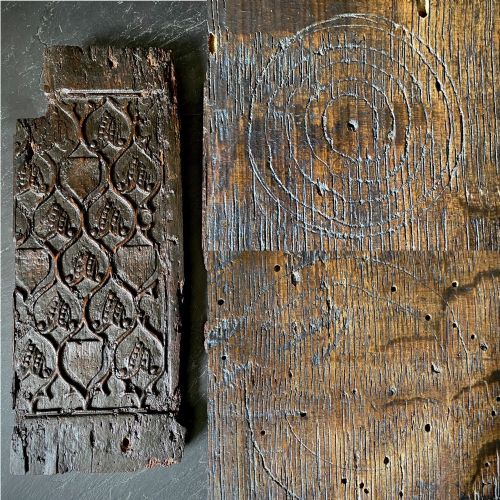
Dating relies on identifying the timber species, tool marks left by the maker, stylistic motifs, and construction methods. Sixteenth and seventeenth century pieces frequently utilise cleft oak and repeat geometric or linenfold patterns.
Later nineteenth century revivals mimic these historical styles but often reveal mechanical saw marks and different wood preparation techniques.
Can I hang a heavy wooden panel on a modern wall?
Hanging heavy hardwood panels requires securing the weight directly into wall studs or masonry using appropriate fixing brackets. Professional installation ensures the structural load is distributed safely.
Consider the weight of the timber, particularly dense oak or chestnut pieces, before mounting them as wall art.
How do I care for antique carved wood?
Maintain stable indoor humidity levels and keep wooden panels away from direct heat sources and strong sunlight. Sudden environmental changes cause timber to warp, split, or shrink.
Dust gently with a dry, soft cloth and avoid applying modern liquid polishes or silicone-based cleaners to historic finishes.