
Carved Timber Figure
A carved timber figure brings the human, animal or sacred form directly from the block into the room, carrying centuries of hand labour.
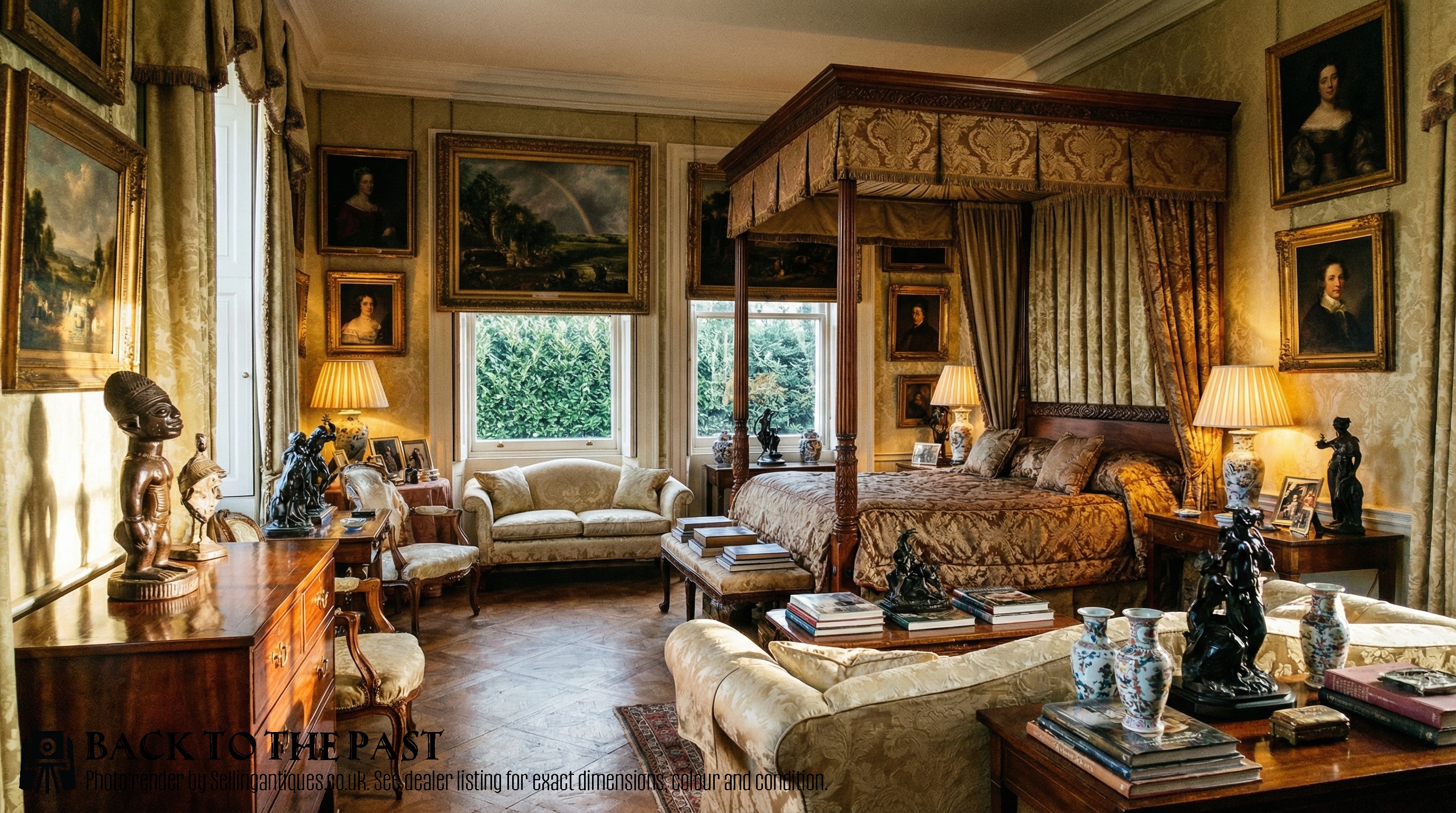
Carved Timber Figure
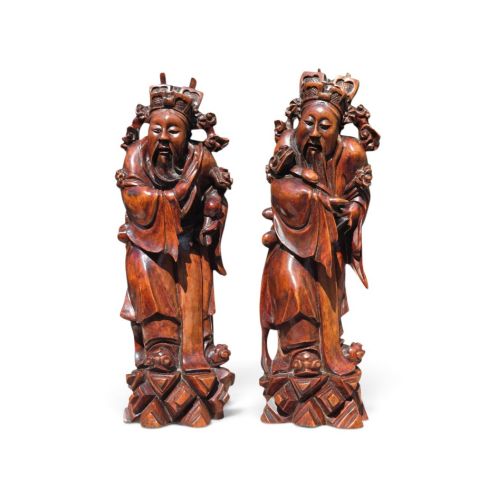
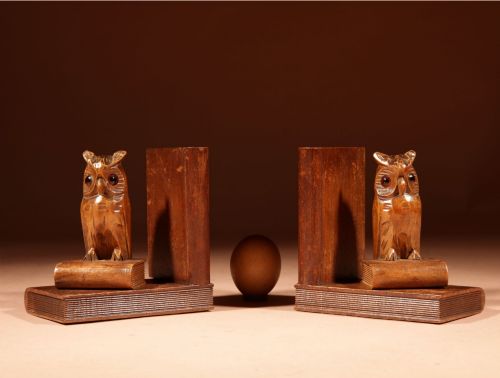
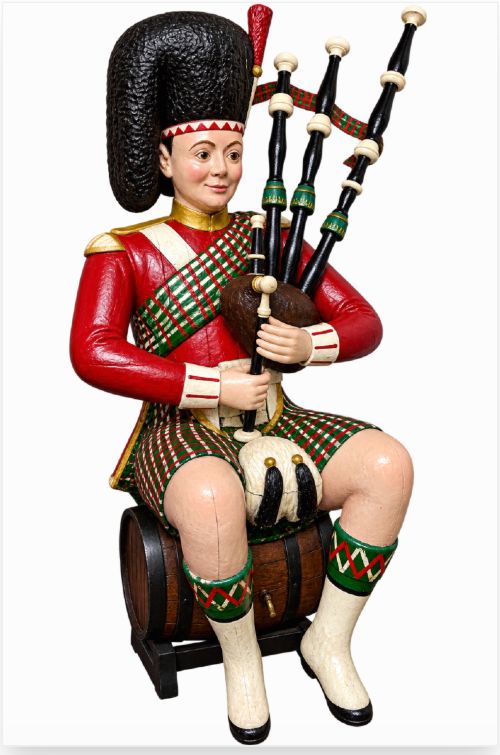
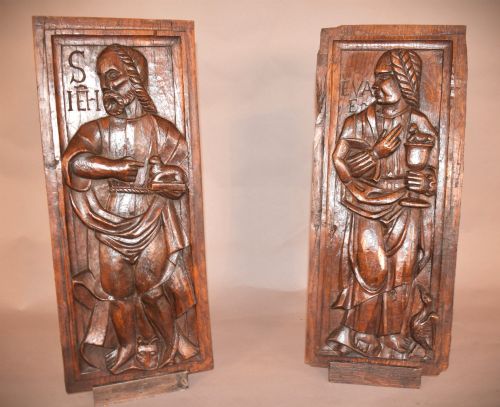
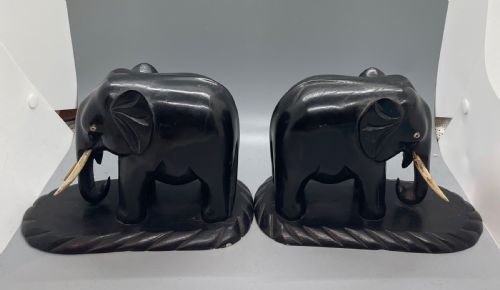
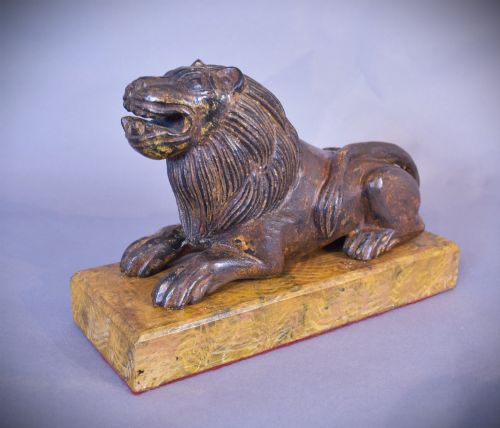
A carved timber figure encompasses everything from European saints and folk art animals to Asian immortals and Black Forest carvings, spanning several centuries of sculpture. When searching for a carved timber figure, buyers encounter diverse forms such as bookends, panels, full-scale statues and lay figures.
The most common examples on this page date from the nineteenth century, including walnut animal groups, limewood musicians and hardwood Asian deities. Earlier pieces from the seventeenth and eighteenth centuries, such as oak saints and carved panels, also appear alongside twentieth-century deco bookends and folk art objects.
Materials and carving techniques
Carvers shaped these sculptures from various woods including oak, walnut, limewood, fruitwood, teak and general hardwood, selecting dense timbers for durability and finer grain. Some pieces retain traces of polychrome paint or gold leaf applied directly to the wood surface.
Carved Timber Figure Retail Price Guide 2026
Typical asking prices for carved timber figure among the pieces listed under this phrase on Sellingantiques today, from the lower quarter to the upper quarter. They describe what is for sale here now, not the wider market.
The listings span the 17th, 18th, 19th and 20th centuries, featuring oak, walnut, limewood, fruitwood and polychrome paint.
Markers of sculptural quality
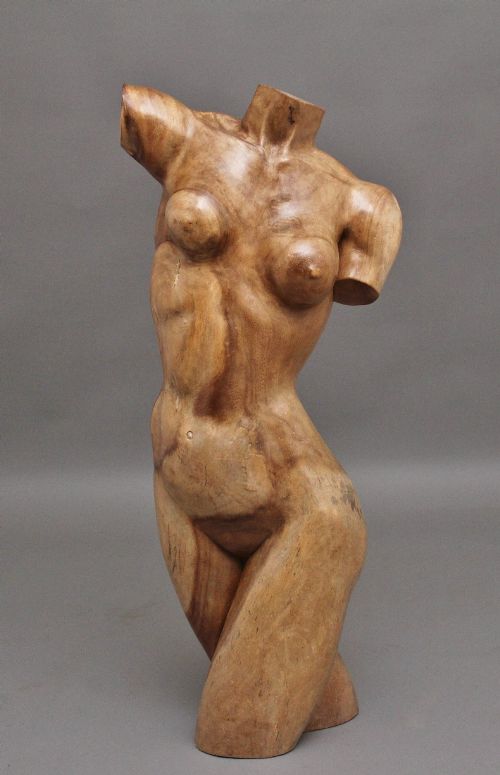
Quality rests upon the confidence of the carving, where the rhythm of the chisel cuts dictates the vitality of the subject, whether human, animal or divine. Superior pieces demonstrate anatomical understanding or expressive stylisation, whereas lesser examples rely on stiff repetition and mechanical smoothing.
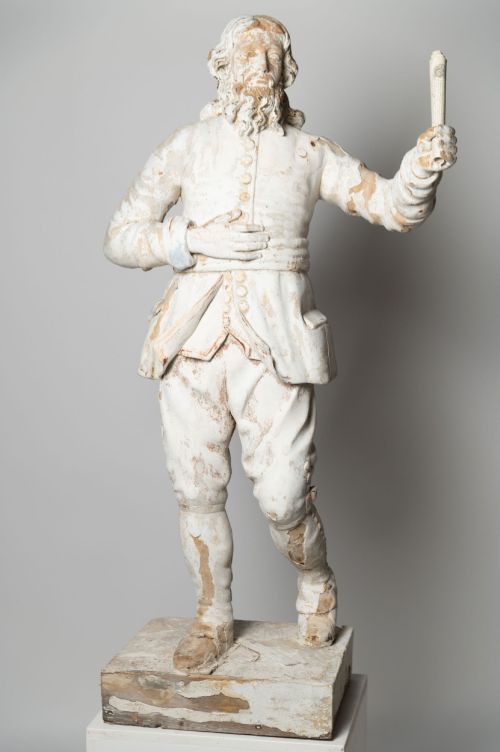
The preservation of the original surface finish, whether polychrome paint or aged wood patina, elevates a piece significantly. Integrity of form, minimal timber splitting and expressive detailing distinguish workshop masterpieces from mass-produced decorative items.
Valentino Besarel·Jules Buste Labatut
The Carved Timber Figure Glossary
- Polychrome paint
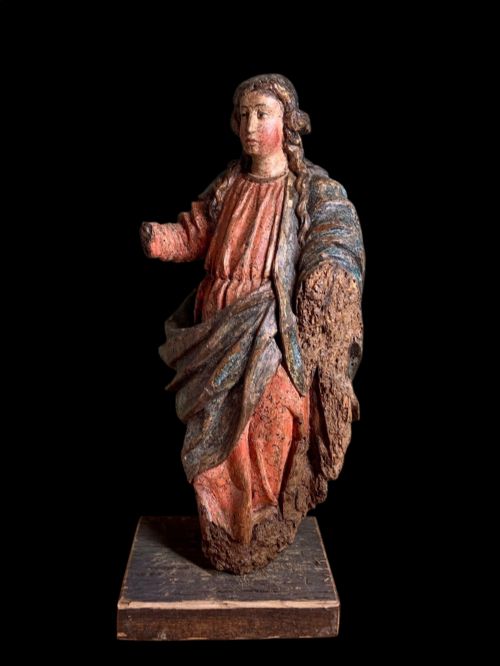
- Decoration applied in multiple colours directly to the timber surface. This technique was frequently used on religious sculptures to add lifelike detail to robes and flesh.
- Lay figure
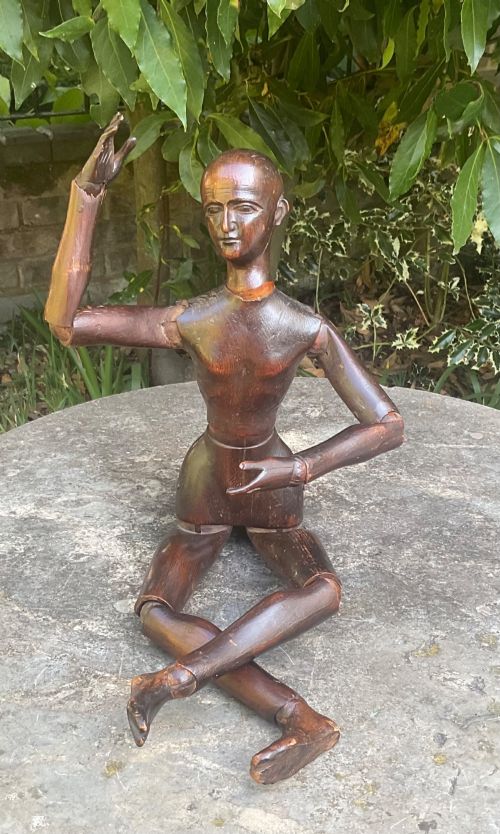
- An articulated wooden mannequin used by artists to study drapery and human posture. These jointed figures often show considerable wear from studio use.
- Corpus Christi
- A representation of Christ on the cross. These carved figures focus on anatomical expression and traditional iconography.
- Black Forest
- A regional style of wood carving originating from Switzerland and Germany, known for bears, owls, and woodland animals. The pieces often utilise limewood and walnut.
- Folk art
- Objects created by self-taught makers or within traditional community crafts, prioritising bold character over academic proportion. These naive pieces often use local painted woods.
Carved Timber Figure: Frequently Asked Questions
How old is my carved timber figure?
Dating a carved timber figure relies on examining tool marks, timber shrinkage, style of dress and the underlying patina of the wood. Seventeenth-century pieces typically show deep hand-adzed surfaces and dense oak, whereas nineteenth-century works often utilise finely detailed limewood or walnut.
Comparing the stylistic conventions of the carving to documented periods helps narrow the origin. Examining the base, fixings and any remaining polychrome paint provides further clues to the workshop era.
How were these wooden sculptures used originally?
These figures served varied purposes depending on their origin, ranging from devotional church objects and architectural panels to domestic mantle ornaments and artist studio models. Bookends, tradesman signs and carousel figures fulfilled practical roles in daily life.
Sacred figures occupied domestic shrines or churches, while animal carvings and folk art adorned studies and parlours. Over time, many transitioned from functional objects to pure display pieces.
How do I care for antique wood carvings?
Maintaining a wood sculpture requires stable indoor humidity and protection from direct sunlight, which causes timber to dry out and split. Dusting should be done gently with a dry, soft brush rather than harsh cloths that might snag delicate carved details.
Avoid applying modern household polishes or oils, as these can build up and darken the historic patina. Occasional light waxing with microcrystalline wax suits unfinished wood, but painted or polychrome surfaces need professional assessment.
What is Black Forest carving?
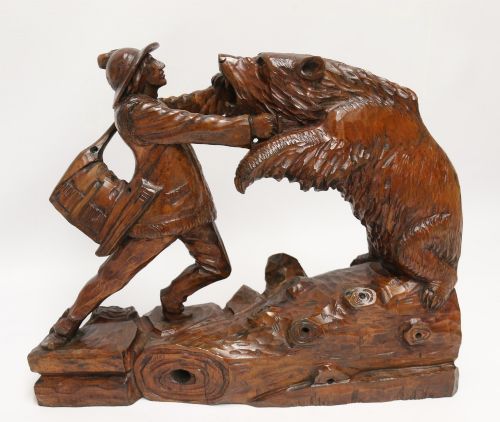
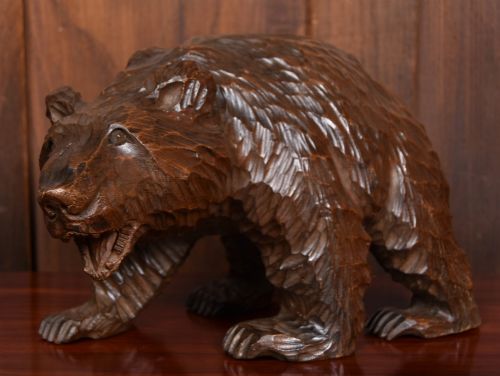
Black Forest carving refers to intricately detailed wooden sculptures produced in the Swiss and German mountain regions during the nineteenth and early twentieth centuries. Animals such as bears, deer and owls dominate this tradition, often forming functional items like umbrella stands or bookends.
These pieces are typically carved from limewood or walnut, capturing realistic textures of fur and feathers. The style gained popularity among Victorian tourists travelling through Europe.
How do I distinguish folk art from formal sculpture?
Folk art figures display a naive charm and simplified proportions rather than the strict anatomical accuracy taught in academic art academies. Makers of folk carvings often prioritized expressive poses and local materials over classical rules of form.
Formal sculptures show trained proficiency in musculature, balance and classical composition, frequently bearing workshop signatures. Folk pieces rely on regional traditions and individual resourcefulness.