

Carved Timber Display
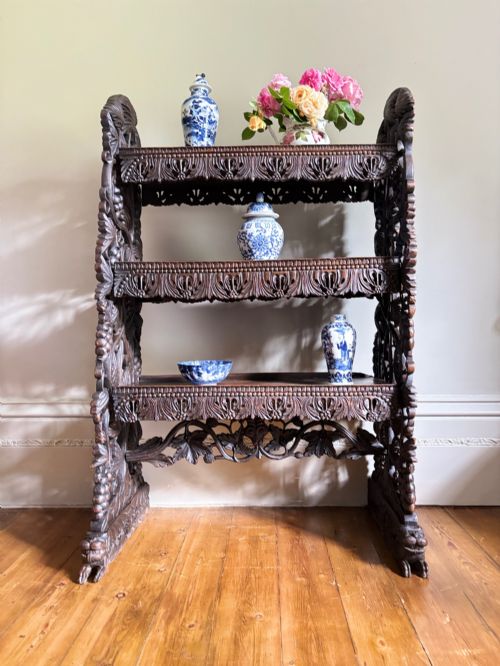
A carved timber display brings together rich woods, sculpted figures and architectural stands designed to showcase prized objects.
Carved Timber Display
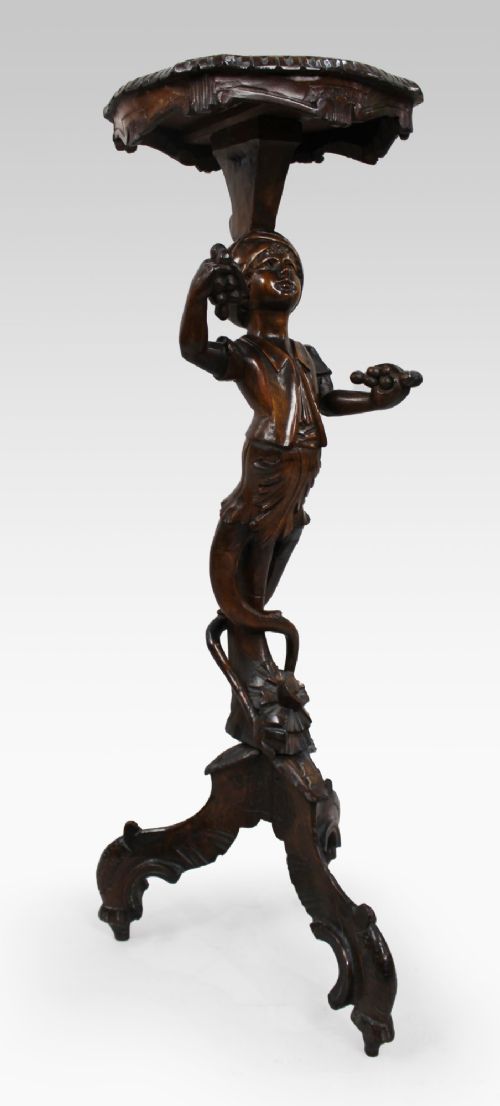
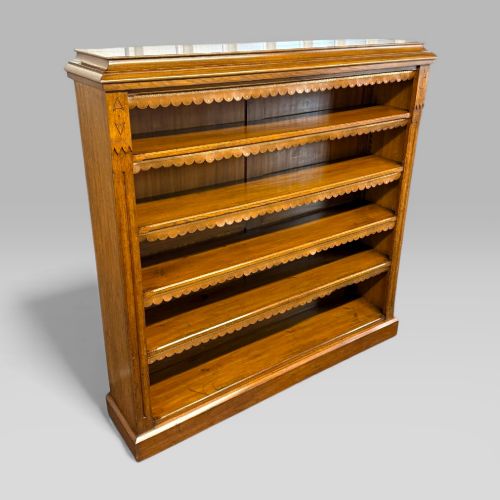
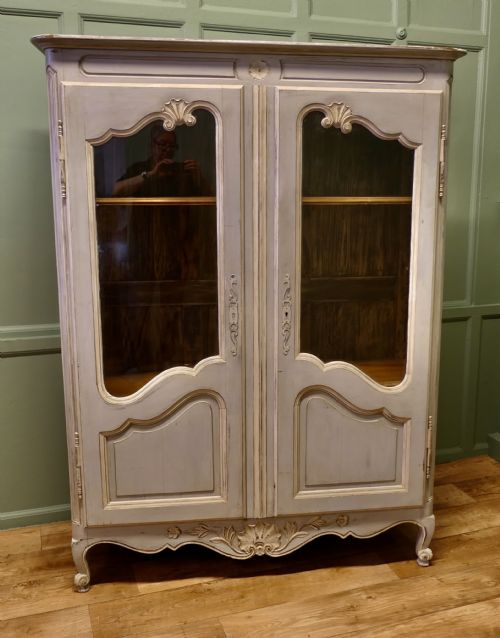
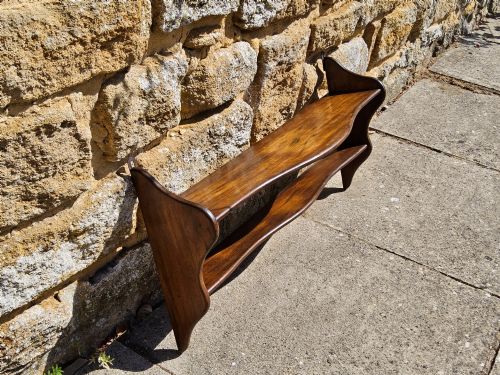
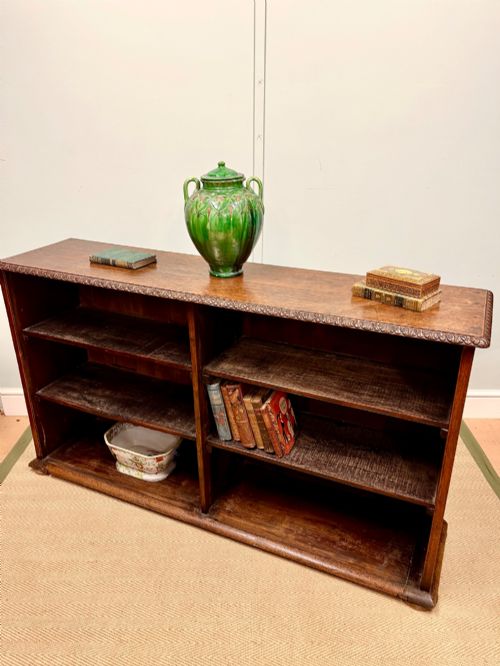
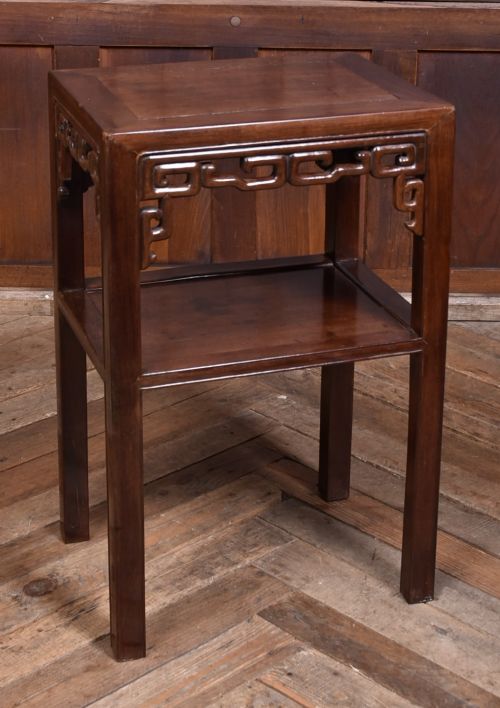
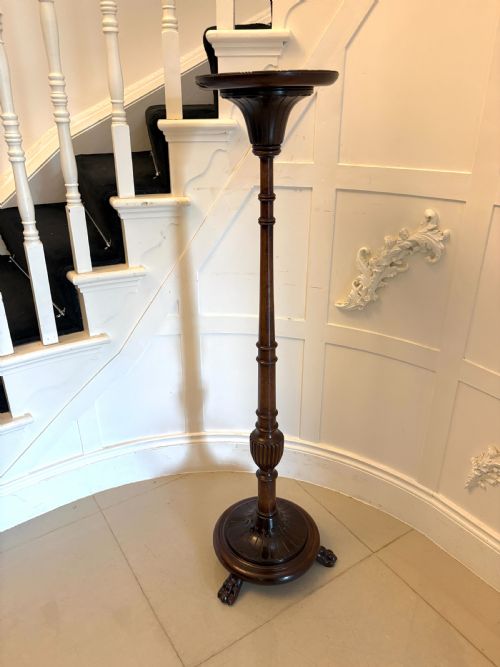
A carved timber display encompasses a wide variety of furniture and decorative objects built to hold or exhibit other items. The selection ranges from tall pedestals and plant stands to elaborate bookcases, wall shelves and glass-fronted vitrines.
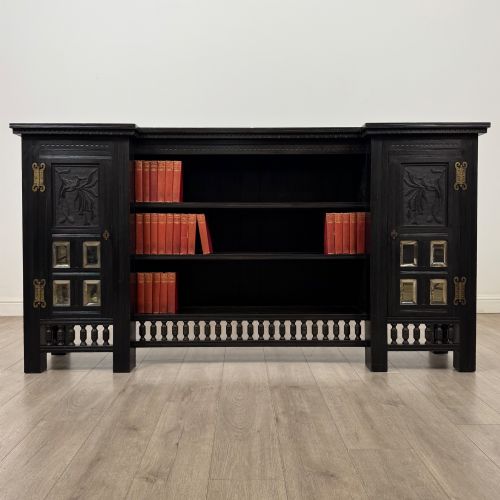
Most examples date from the nineteenth century, including Victorian, Aesthetic Movement and Edwardian pieces, alongside items from the eighteenth century. Regional styles span English and Scottish workshops to Chinese Export, Japanese Meiji and Anglo-Indian designs.
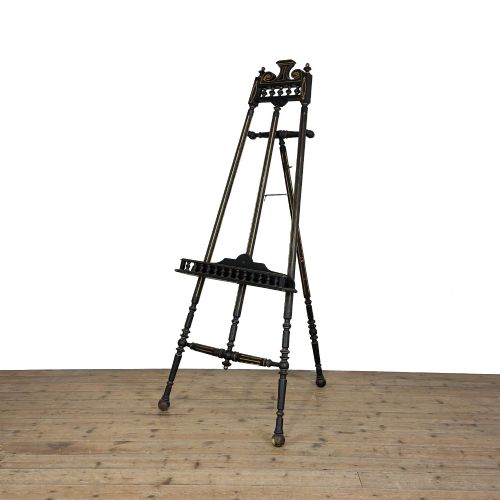
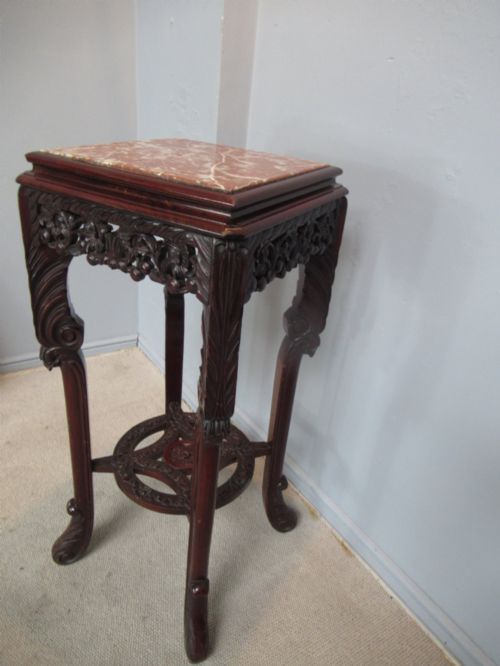
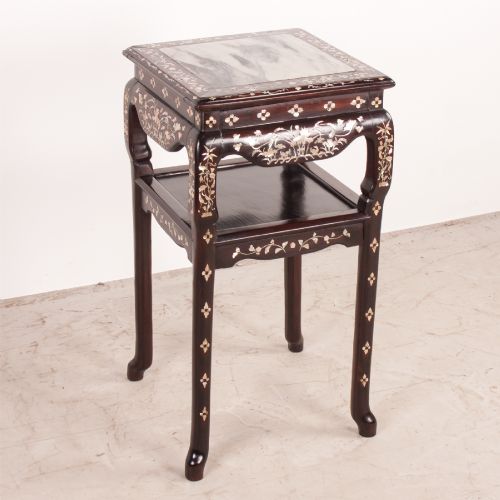
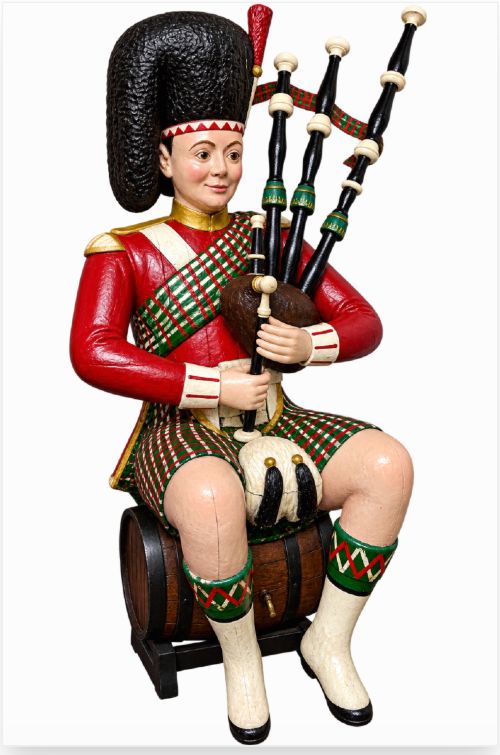
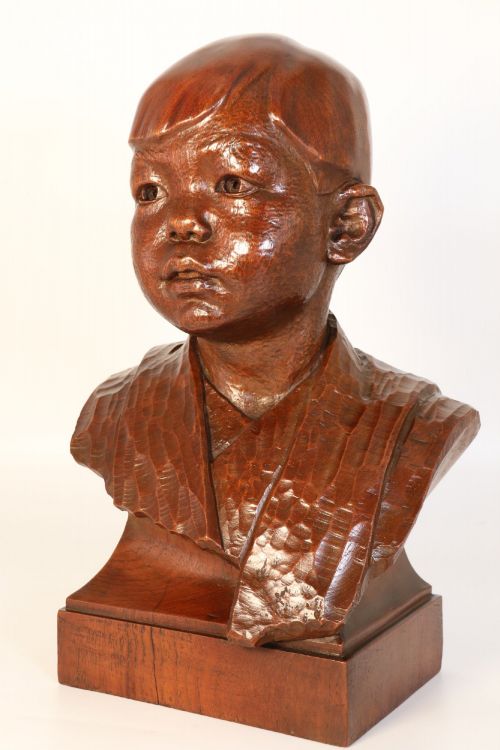
Forms include occasional tables, easels, sculpture busts, tradesman figures and specialised stands with inset marble tops. Each piece utilises carved timber to elevate everyday objects or fine collections into focal points.
How they were made
Carpenters and cabinetmakers constructed these displays using solid hardwoods such as mahogany, walnut, oak, elm, padauk and teak. Secondary elements incorporate brass fittings, glass panels and inset marble tops to create durable and decorative surfaces.
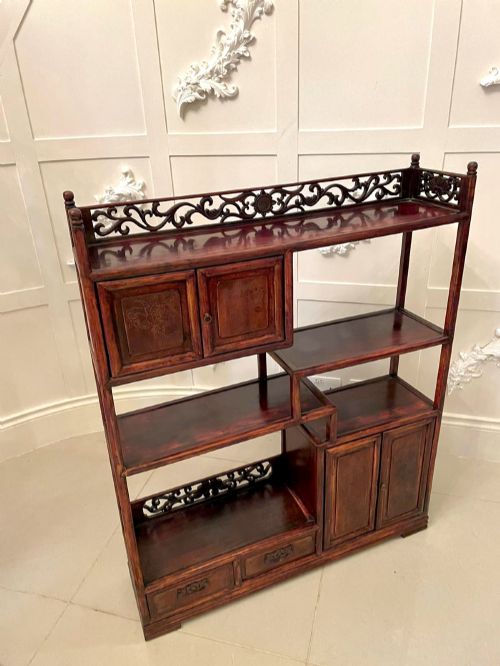
Carving serves as the primary decorative technique, yielding intricate floral motifs, figural supports like caryatids, and structural columns. Some pieces incorporate specialised surface treatments such as ebonising, mother-of-pearl inlay or painted finishes.
The listings show nineteenth-century pieces alongside eighteenth-century examples, utilising hardwoods like mahogany, walnut, oak, and marble.
What varies in quality
The standard of carving distinguishes exceptional pieces from standard utility items. Crisp, deep relief work executed by skilled hands retains sharp definition, whereas lower quality items rely on shallow, machine-cut or rudimentary carving that lacks depth.
The choice of timber and construction methods dictates structural longevity. Dense hardwoods and robust joinery support heavy displays and stone tops safely, while lesser pieces utilise simpler joints and softer woods prone to warping over time.
George Henry Paulin·Gillows
The Carved Timber Display Glossary
- Vitrine
- A glass-fronted cabinet designed for displaying fine objects or porcelain. These enclosures protect delicate items from dust while allowing full visibility from multiple angles.
- Torchiere
- A tall stand or pedestal originally intended to hold a torch or lamp. In later periods, they serve primarily as plant stands or supports for busts and urns.
- Shodana
- A traditional Japanese tiered display cabinet featuring staggered shelves. These pieces showcase asymmetry and meticulous woodwork, popular during the Meiji period.
- Pedestal
- An architectural support column or plinth used to elevate a sculpture, vase or urn. They range from simple turned wooden shafts to heavily carved figural forms.
- Padauk
- A heavy, durable tropical hardwood prized for its reddish-brown colour and strength. It frequently appears in Anglo-Indian furniture of the nineteenth century.
Carved Timber Display: Frequently Asked Questions
What is a carved timber display used for?
These items serve to hold, elevate or showcase decorative objects, books, plants and sculptures within a room. They transform functional storage into a deliberate visual feature.
Different forms suit different objects, such as narrow pedestals for busts or open bookcases for libraries and studies.
How do I identify a Victorian display?
Victorian pieces often display heavy proportions, dark hardwoods like walnut and mahogany, and deep, elaborate carving. Stylistic influences range from Gothic revival to Aesthetic Movement designs.
Examining the construction methods and wood ageing helps confirm the nineteenth-century origin.
Are these pieces suitable for modern homes?
Yes, their practical dimensions and varied forms allow them to fit easily into contemporary interiors as functional furniture or display surfaces. Plant stands and wall shelves offer compact ways to display items in smaller spaces.
Larger bookcases and vitrines provide substantial storage while anchoring a room's decor.
What is an Aesthetic Movement display?
Aesthetic Movement pieces emphasise artistic design and surface decoration, often featuring ebonised wood and simple geometric lines. This style emerged in the late nineteenth century as a reaction against industrial production.
Items from this period frequently pair dark timber with contrasting inlays or gilt accents.