
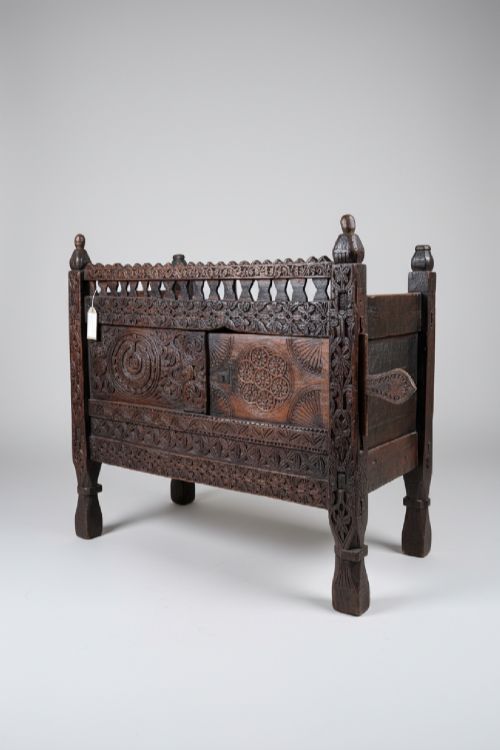


Carved Timber Blanket Box
A carved timber blanket box provides robust storage while bringing centuries of regional craftsmanship and rich wood grain directly into a room.
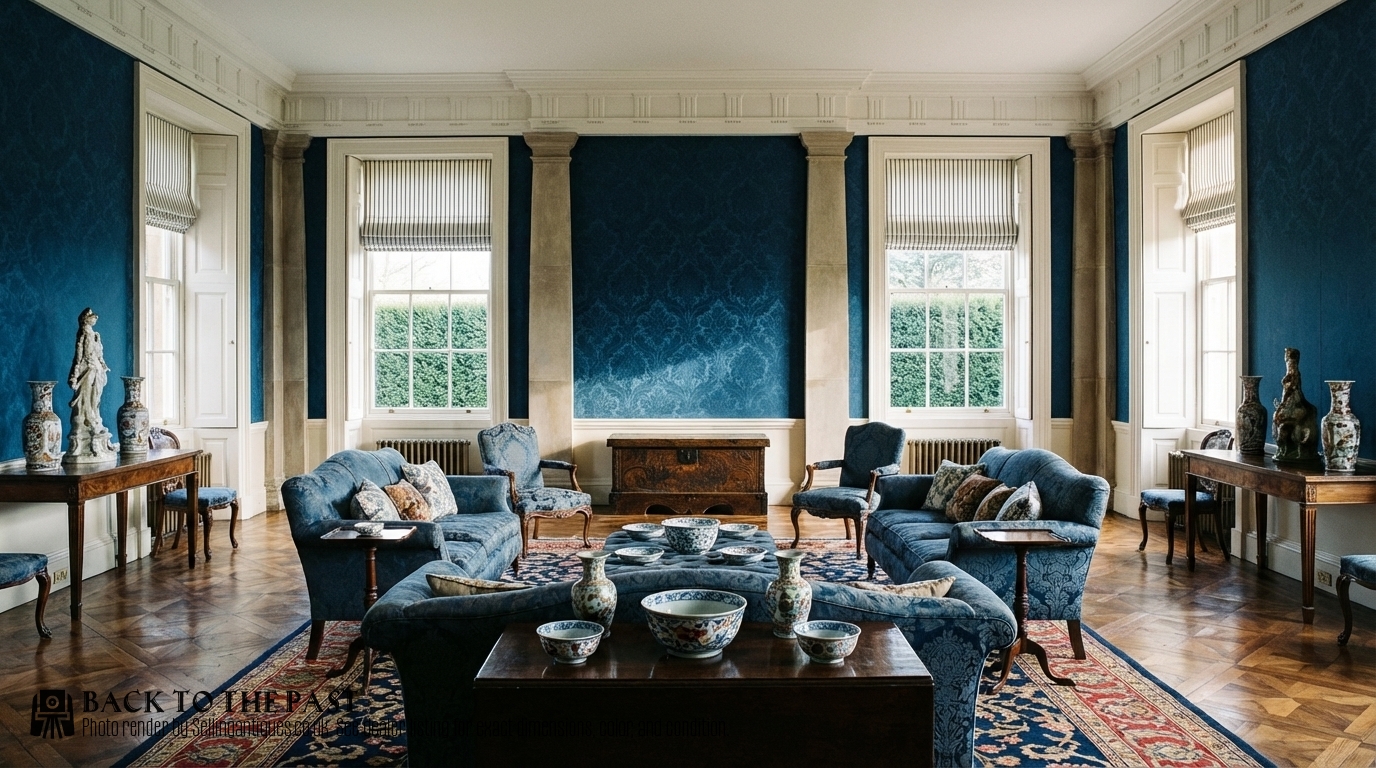
Carved Timber Blanket Box
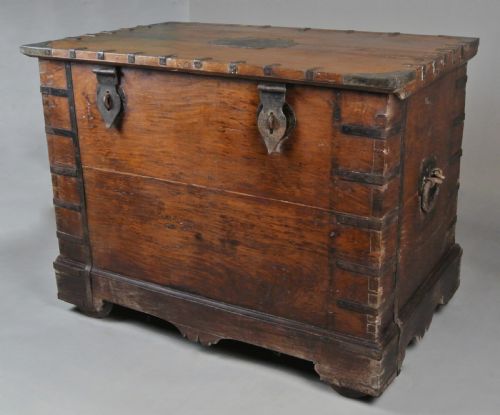
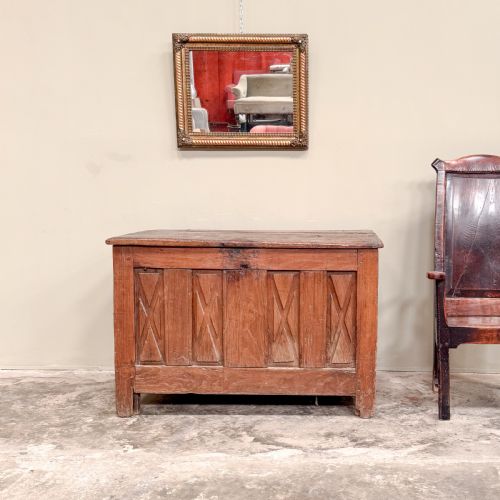
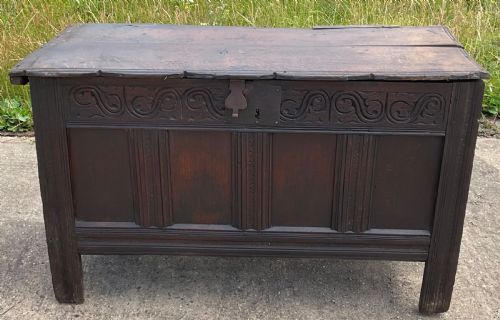
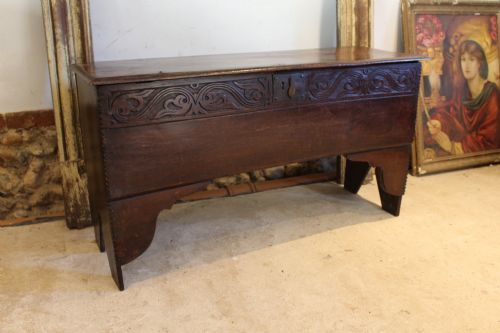
When you search for a carved timber blanket box, you encounter heavy storage chests originating from diverse global traditions spanning multiple centuries. These pieces function primarily as utilitarian repositories for linens and clothing while displaying significant decorative carving.
The versions most frequently met on this page include sturdy oak examples from domestic British traditions alongside substantial camphor wood, teak and hardwood trunks from international workshops. Regional styles range from seventeenth-century joined oak Lancashire pieces to nineteenth-century Anglo-Indian and Swat Valley folk art dowry chests.
Makers historically produced these sturdy receptacles to safeguard valuable household textiles and dowries against dampness and pests. Their robust construction ensures they continue to serve practical storage functions in modern interiors.
How they were made
Carpenters and joiners built these storage receptacles predominantly using solid native and exotic timbers such as oak, teak, camphor wood and walnut. Panels were frequently joined using traditional methods like mortise and tenon joints to accommodate natural wood movement over time.
Surfaces were heavily embellished using hand-carved relief work, chip carving or applied mouldings to reflect local aesthetic traditions. Structural reinforcement was commonly provided through the integration of hand-wrought iron hinges, strapwork and brass fittings.
The documented origins span British, French, Spanish, Italian, Portuguese, Indian, Swat Valley and Chinese traditions.
What varies in quality
The standard of a carved timber blanket box depends heavily on the crispness of the hand-carved ornamentation and the integrity of the original timber. Pieces retaining their structural hardware, original hinges and uncompromised board thickness command greater appreciation.
Provenance and regional fidelity also drive distinction, with certain examples displaying sophisticated joinery and untouched patination built up through centuries of handling. The depth of the relief carving and the selection of dense, high-grade hardwoods further elevate individual examples.
The Carved Timber Blanket Box Glossary
- Coffer
- A heavy wooden chest traditionally used for storing valuables or clothing. These pieces often feature hinged lids and robust structural joinery.
- Dowry chest
- A specialised storage box prepared for a bride to hold household linen and personal possessions as she entered marriage. They frequently display intricate regional carving and symbolic motifs.
- Cassone
- A large Italian chest intended for luxury storage, often richly carved or painted. These pieces represent a more ornate continental tradition.
- Six plank
- A simple form of chest constructed from a single board for each of the sides, front, back, top, and bottom. This method represents early vernacular furniture construction.
- Ripple moulded
- An applied decorative framing technique utilising wave-like patterns machined or carved onto wooden mouldings. This method gained prominence on seventeenth-century continental and British furniture.
Carved Timber Blanket Box: Frequently Asked Questions
What were carved timber blanket boxes used for?
These receptacles served primarily to store heavy textiles, blankets and valuable family garments away from damp floors and insects. In many cultures, they formed an essential part of a bride's dowry containing household goods.
Over generations, their robust tops also allowed them to function as makeshift tables or seating benches within domestic spaces.
How do I care for an old wooden chest?
Maintain a stable room environment away from direct heat sources and drastic humidity shifts to prevent the timber from splitting. Regular dusting with a dry cloth preserves the finish without requiring heavy polishes.
Avoid placing damp items directly onto interior wood surfaces, particularly in unlined camphor wood or oak trunks.
How can I tell the period of a coffer?
Examine the construction methods, tool marks and assembly techniques visible on the interior and underside of the chest. Hand-split boards, forged iron nails and early joinery styles point towards earlier centuries.
Compare the decorative carving motifs and wood species against established regional styles to narrow down the era of production.
Are these chests suitable for modern living rooms?
Their substantial proportions and flat lids make them exceptionally practical as coffee tables or window seats while offering concealed storage space. They fit readily into hallways and bedrooms for tidying away bulky bedding.
The varied wood tones and historic carvings complement both traditional interiors and contemporary minimalist schemes.