




Carved Rosewood Shelves
Carved rosewood shelves bring dense grain and steady tiers into a room, uniting open book storage with the weight of nineteenth-century timber.
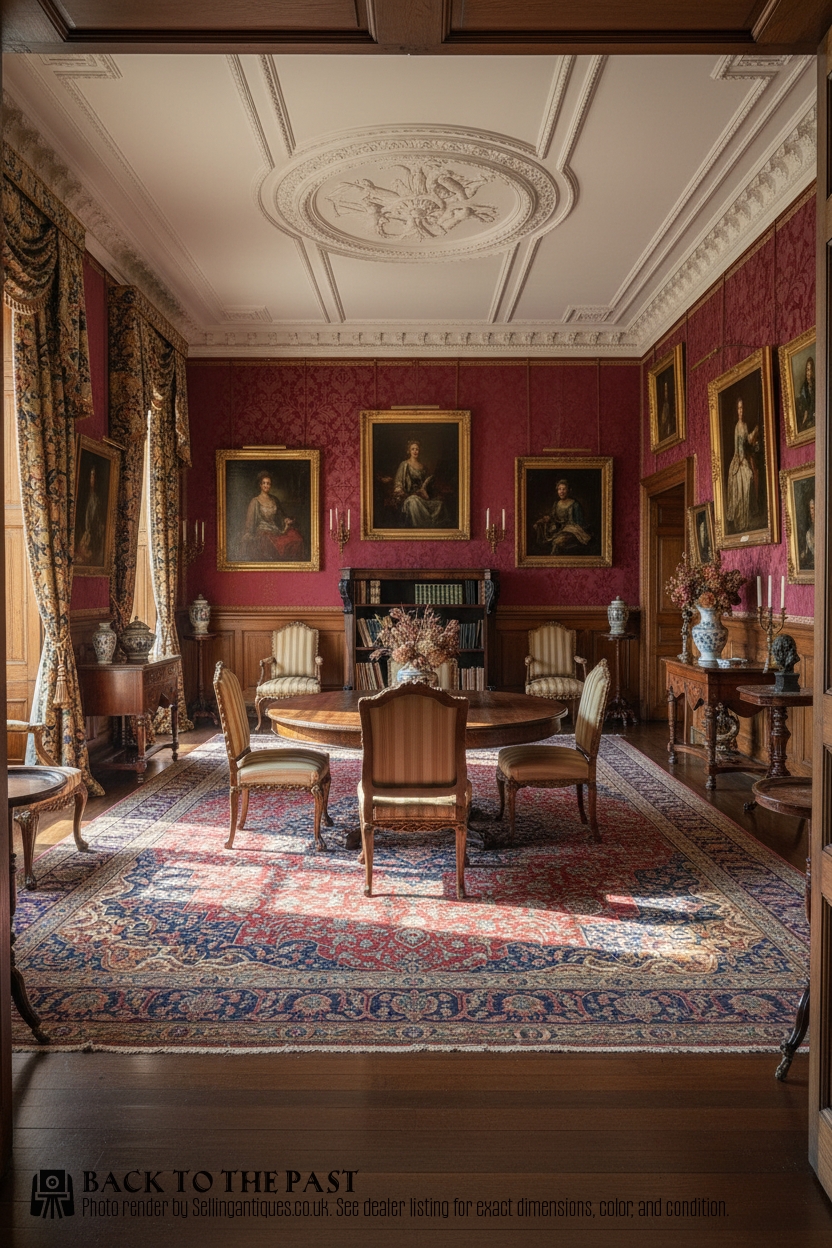
Carved Rosewood Shelves
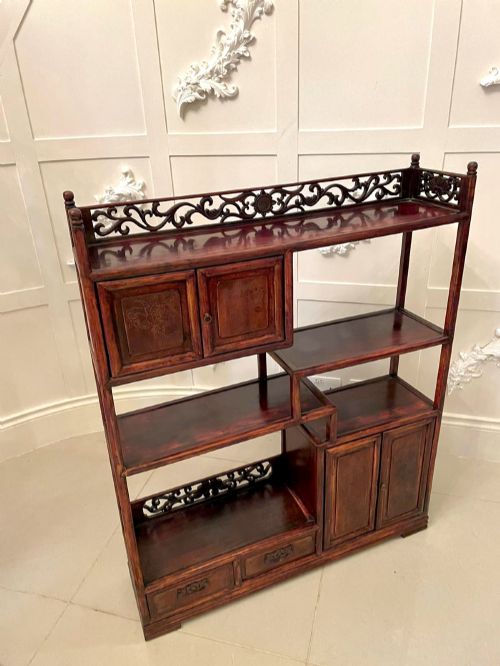
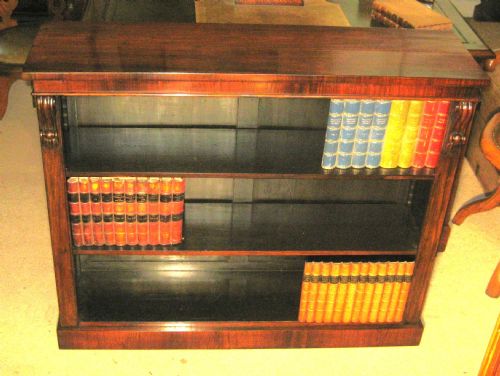
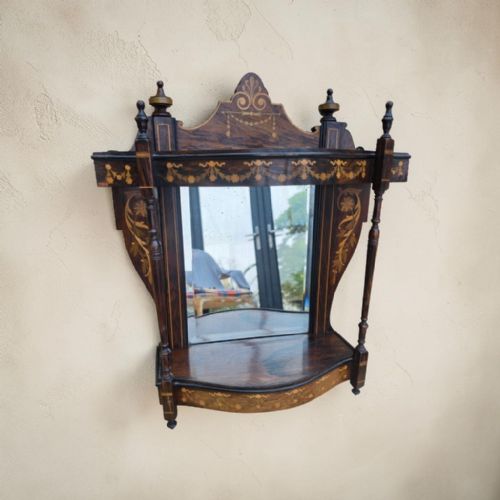
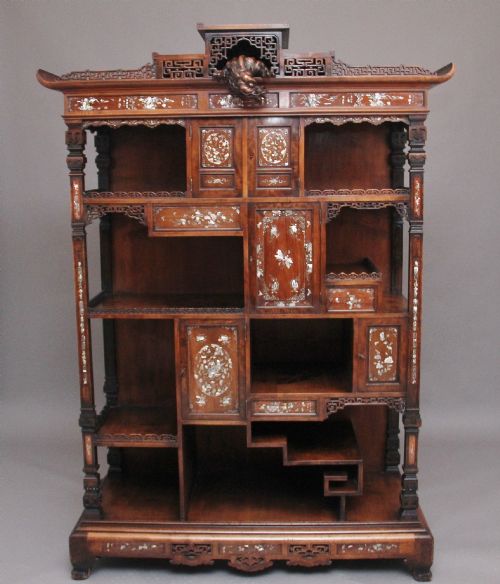
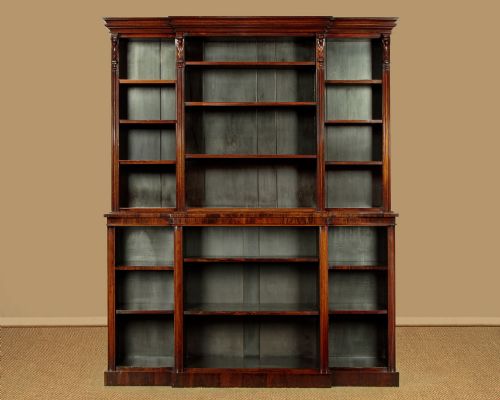
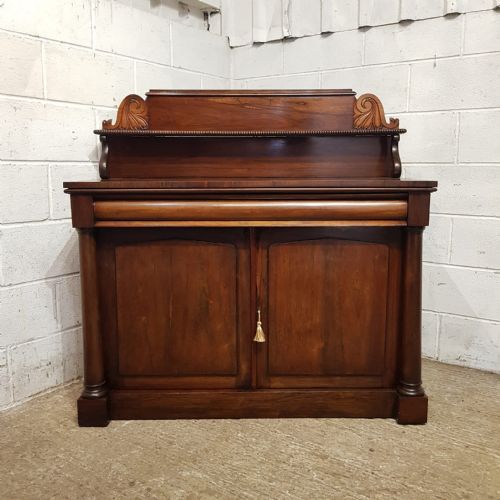
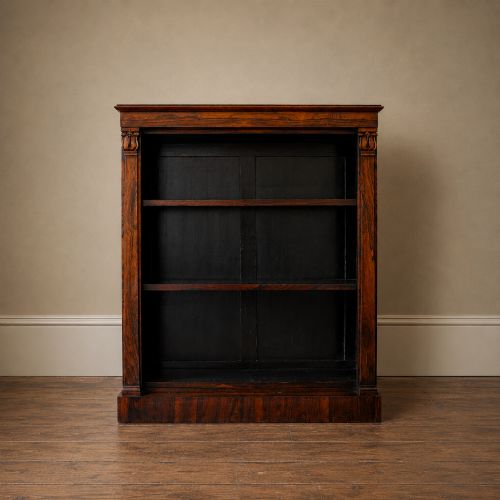
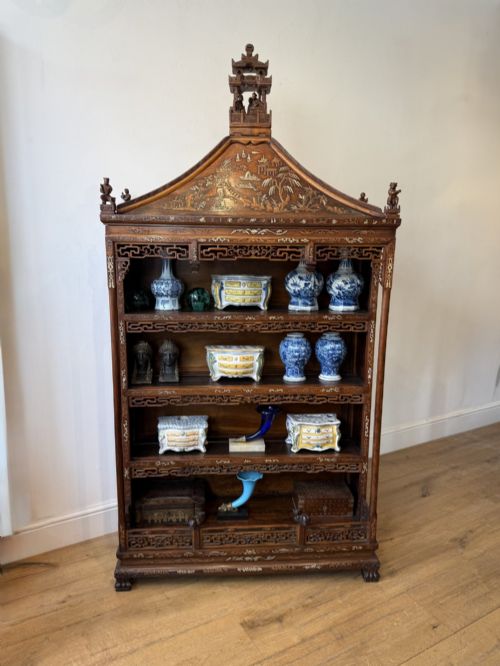
Carved rosewood shelves appear mostly in open bookcases, whatnots, and wall-mounted brackets originating from the nineteenth century. These forms span compact Regency items, structured Victorian chiffoniers, and elaborate Anglo-Indian or Japanese Meiji period display cabinets.
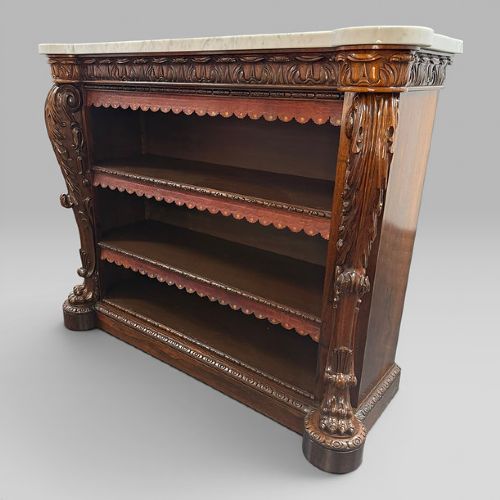
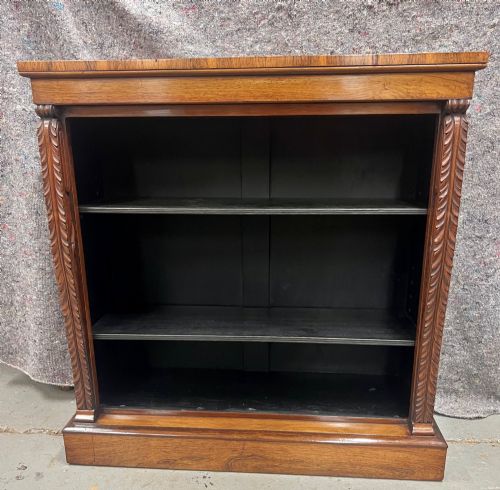
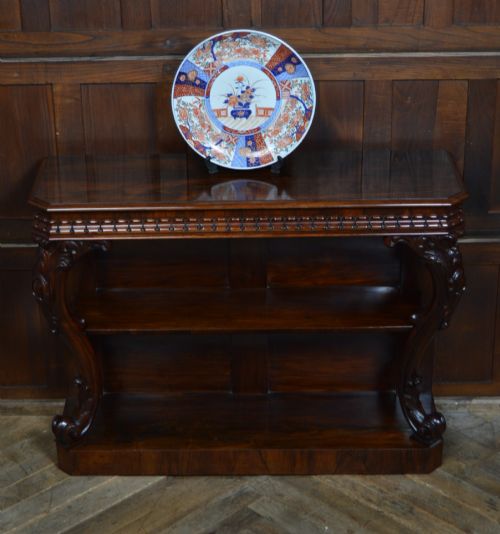
Open bookcases and étagères dominate the selection, offering multiple tiers supported by carved corbels or upright columns. Buyers encounter everything from low breakfront library pieces to slender waterfall shelving units designed for smaller spaces.
Origins stretch across British, French, Chinese, and Anglo-Indian workshops, bringing varied decorative carving to dense tropical hardwoods. The common thread remains the dark, figured timber and the practical arrangement of horizontal display surfaces.
How they were made
Cabinet makers utilised dense rosewood and palisander, frequently applying veneers over secondary timbers like softwood or mahogany for stability. Structural elements relied on precise joinery, while decorative sections incorporated hand-carved corbels, pierced galleries, and turned upright supports.
Surface ornamentation often included brass fittings, marble tops, inlaid mother of pearl, and bevelled glass mirrors. Timber was finished to highlight the deep grain patterns characteristic of rosewood, balancing structural utility with decorative relief carving.
Several pieces include tiny ledges designed to keep small porcelain teacups from sliding off during an energetic ballroom waltz.
What varies in quality
Quality rests upon the crispness of the carving and the selection of the rosewood veneer, where well-figured grain shows careful matching across broad surfaces. Superior pieces display restrained proportion and integrated architectural details like carved corbels rather than applied ornamentation.
The sophistication of internal construction, such as adjustable shelving systems and solid backboards, separates standard utility items from workshop pieces attributed to known makers. Secondary materials also matter, distinguishing simple carcase work from instances featuring white marble tops and brass details.
Gillows·Robert Strahan
The Carved Rosewood Shelves Glossary
- Whatnot
- A moveable set of open shelves used for displaying ornaments or books, popular throughout the nineteenth century.
- Shodana
- An asymmetric Japanese display cabinet featuring multiple tiers, shelves, and small cupboards.
- Corbel
- A projecting bracket of timber or stone supporting a weight above, frequently carved with scroll or leaf motifs on these shelves.
- Palisander
- A dense tropical hardwood related to rosewood, often used interchangeably in nineteenth-century cabinet making.
- Breakfront
- A piece of furniture where the central section projects forward from the flanking wings.
Carved Rosewood Shelves: Frequently Asked Questions
How do I style carved rosewood shelves at home?
Position open bookcases or whatnots against flat walls where the dark timber grain can contrast with lighter backgrounds. Balance the horizontal tiers by mixing upright books with ceramics or small decorative objects.
Keep heavy volumes on the lower shelves to maintain visual stability. Allow natural light to strike the carved corbels and polished surfaces without exposing the timber to direct sun.
What is the difference between an étagère and a whatnot?
An étagère generally describes a French-influenced tiered display piece with slender supports, while a whatnot refers to the broader British category of multi-shelf furniture used for general storage and display.
Both forms utilise open tiers, but étagères more frequently incorporate mirrors or delicate pierced galleries into their overall design.
How do I identify a Regency period rosewood bookcase?
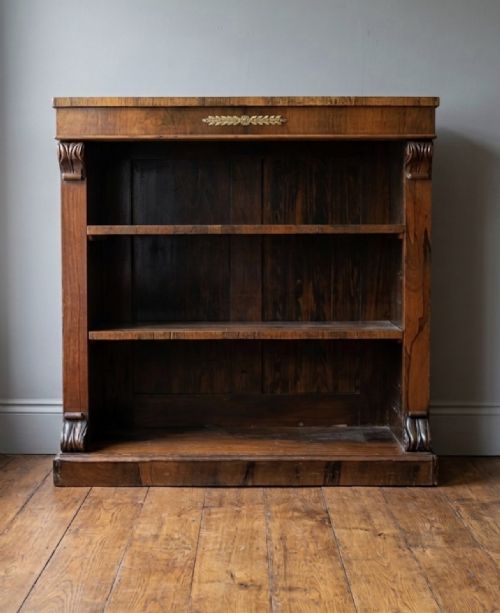
Regency pieces often display classical restraint, featuring clean architectural lines, brass inlay, and rosewood veneers selected for strong grain contrast. Look for adjustable shelving supported by simple uprights or recessed pilasters.
Cabinets from this era avoid the heavier, deeply carved ornamentation typical of later Victorian iterations, leaning instead on balanced proportions and understated stringing.
Can these shelves support heavy books?
Most open bookcases and low shelving units are built from sturdy hardwoods capable of holding standard library collections. Adjustable shelf systems distribute weight evenly across internal wooden supports.
Verify the thickness of the individual boards and the condition of the supporting brackets before loading older wall-mounted brackets or lighter tiered whatnots with dense folios.