

Rosewood Open Shelves
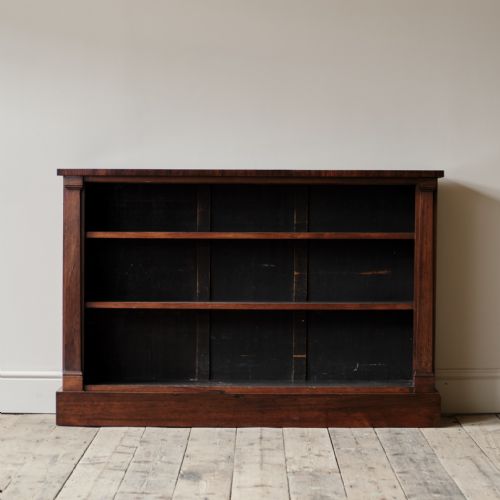
These rosewood open shelves offer an elegant way to display books and objects, combining rich dark timbers with practical architectural forms.
Rosewood Open Shelves
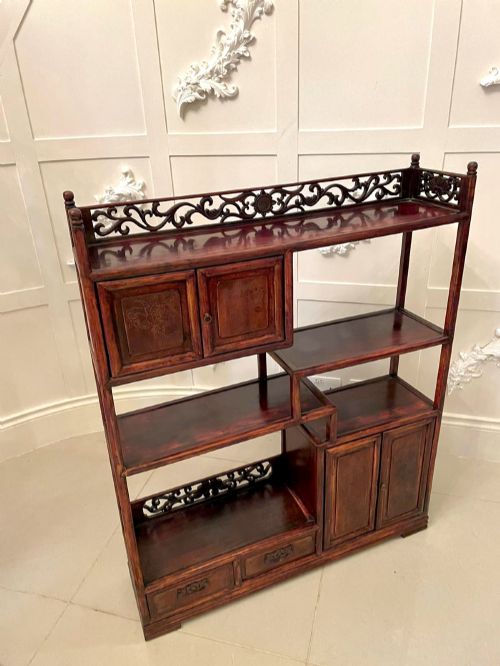
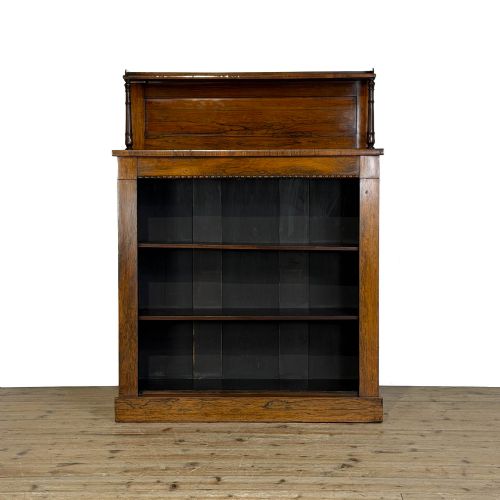
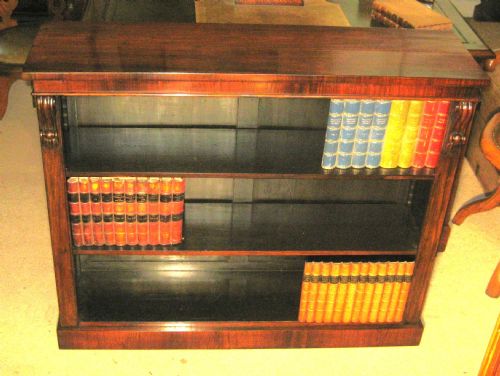
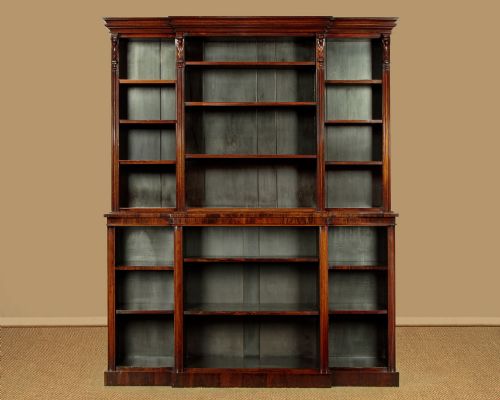
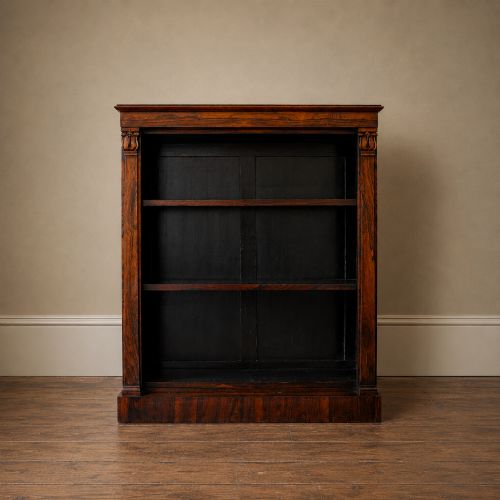
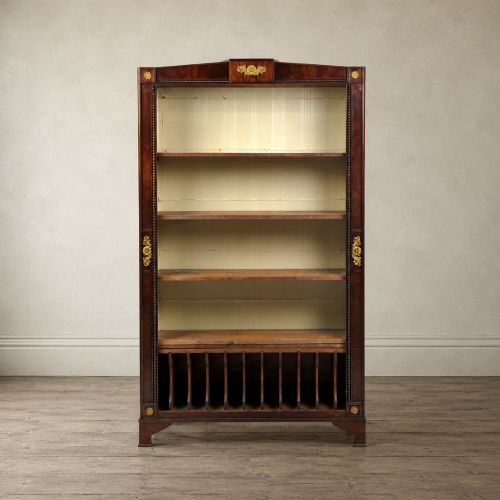
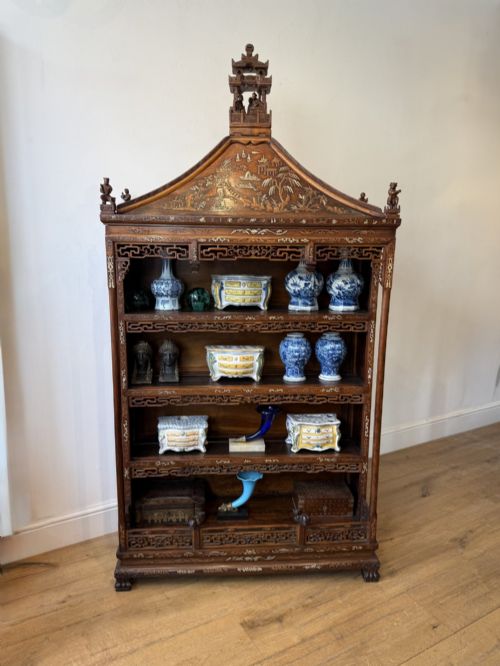
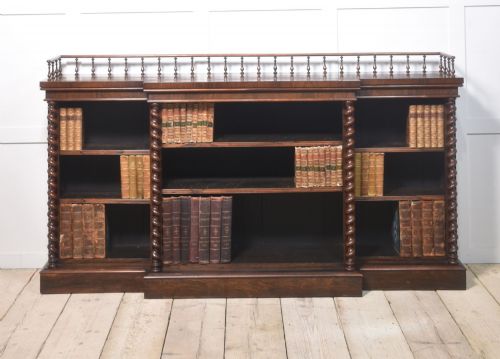
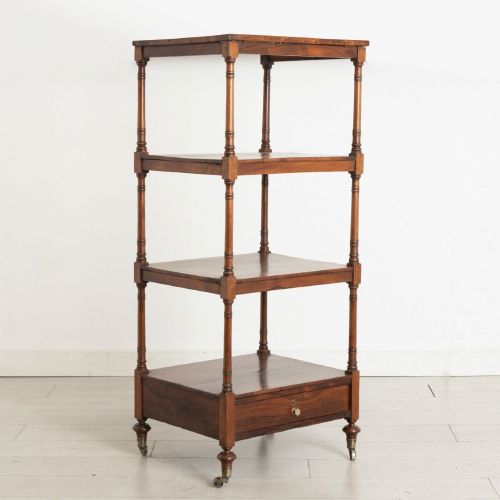
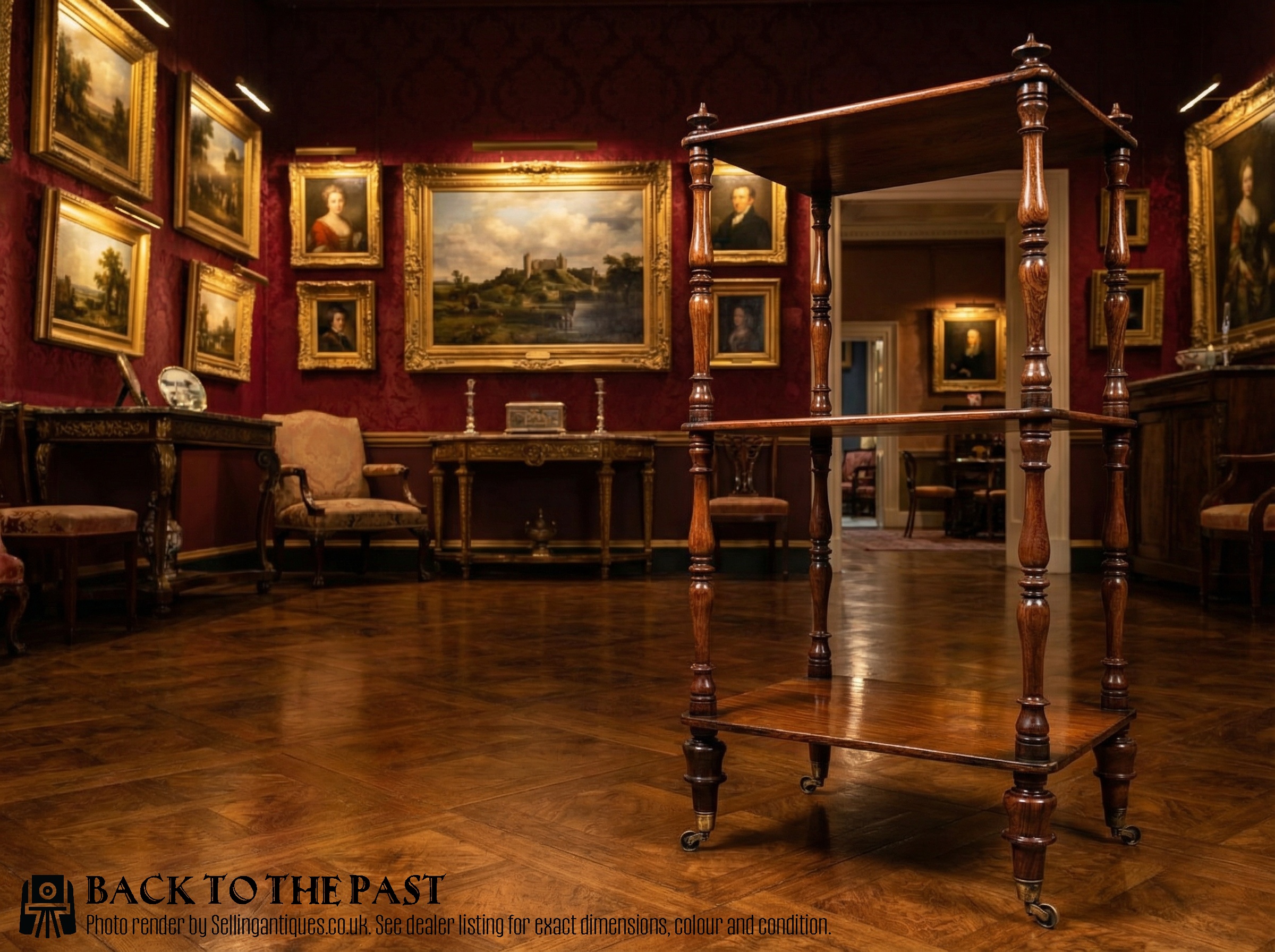
When you search for rosewood open shelves, you encounter functional furniture designed for display and storage without enclosed doors. The selection spans open bookcases, etageres, whatnots, and display cabinets created across the nineteenth century.
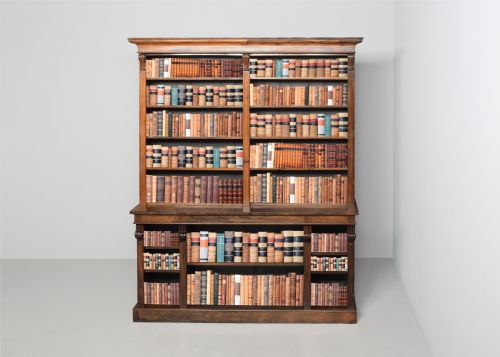
You are most likely to meet Victorian and Regency examples configured as low bookcases or tiered shelving units. These pieces range from compact bedside whatnots to large breakfront bookcases fitted with adjustable shelves.
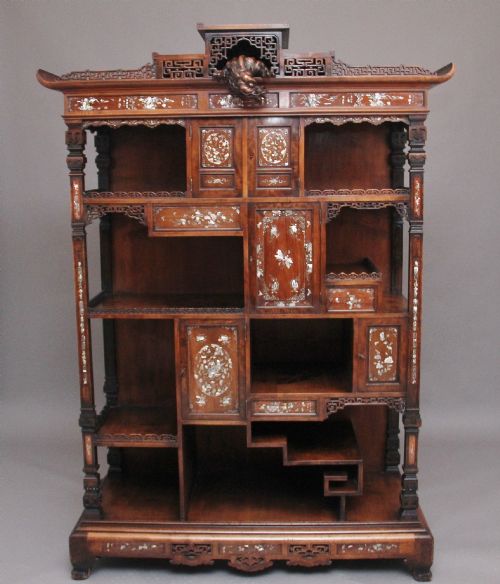
The regional origins include English workshops of the Georgian, Regency, and Victorian eras alongside continental interpretations and Chinese hardwood or Japanese shodona cabinets. Such variety reflects the global trade in exotic timbers during the period.
How they were made
Cabinet makers utilised dense rosewood timber, often applied as fine veneers over secondary woods such as pine or hardwood carcasses. The rich grain pattern serves as the primary visual decoration across bookcases and etageres.
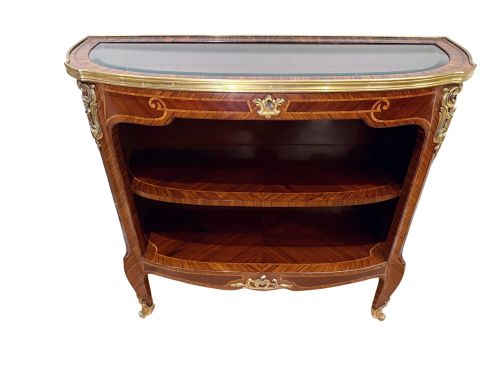
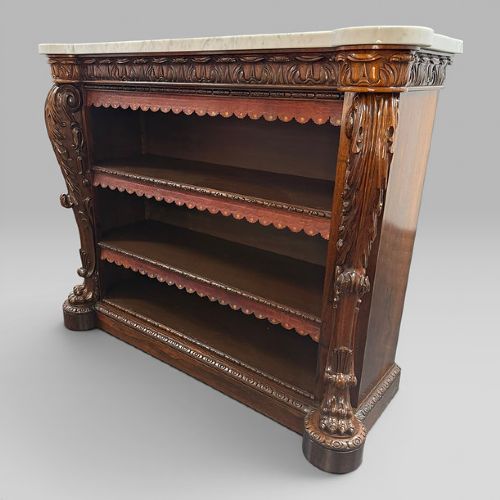
Construction techniques incorporate brass inlay, ormolu mounts, carved corbels, and mirrored glass panels depending on the stylistic influence. Surviving examples frequently include functional details like brass-bound adjustable shelf racks and marble tops.
Rosewood Open Shelves Retail Price Guide 2026
Typical asking prices for rosewood open shelves among the pieces listed under this phrase on Sellingantiques today, from the lower quarter to the upper quarter. They describe what is for sale here now, not the wider market.
The listings span the Regency, William IV, Victorian, and Edwardian periods, alongside Chinese Qing style and Japanese shodona cabinets.
What varies in quality
The standard of timber selection and veneer matching defines the upper tier of these pieces. Workshops using figured rosewood with consistent grain alignment produced items of superior visual depth compared to simpler constructions.
Refinement in secondary details such as cast brass mounts, fine column turns, and structural stability separates standard production from exceptional cabinet work. The integration of functional elements like smooth adjustable shelving indicates higher workshop competence.
Gillows
The Rosewood Open Shelves Glossary
- Rosewood
- A dense, heavily figured timber prized for dark reddish-brown tones and distinctive black grain markings. It forms the primary material for high-status nineteenth-century furniture.
- Étagère
- A piece of furniture consisting of open shelves for displaying small objects or ornaments. These tiered units became popular during the Regency and Victorian periods.
- Whatnot
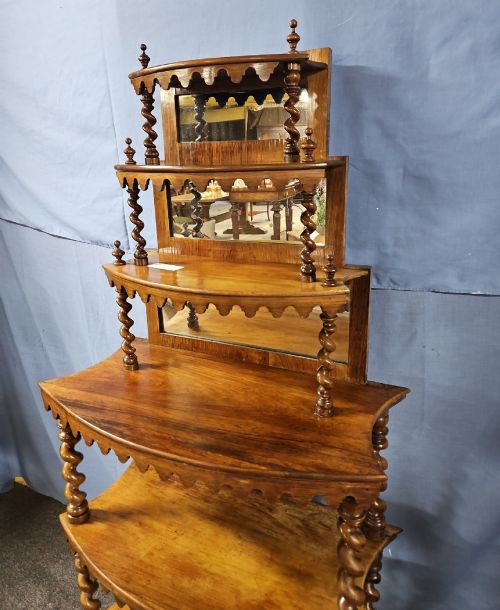
- A multi-shelved freestanding cabinet designed for books or display items. They frequently feature turned supports and delicate fretwork galleries.
- Shodona
- A Japanese-style display cabinet featuring asymmetrical shelving compartments. These pieces entered Western interiors during the late nineteenth-century interest in Japonisme.
- Corbel
- A projecting bracket supporting a weight above, often carved with scroll or leaf motifs beneath the cornice of a bookcase.
Rosewood Open Shelves: Frequently Asked Questions
What is an open bookcase?
An open bookcase is a freestanding shelving unit designed without doors to allow direct access to books and decorative objects. These pieces function primarily for display in libraries and living spaces.
Most examples from the nineteenth century feature adjustable wooden shelves supported by brass rack strips. This adaptability allowed owners to accommodate volumes of varying heights.
How do etageres differ from bookcases?
Etageres consist of multiple open tiers supported by slender columns or pillars, built specifically for displaying ornaments rather than housing large collections of heavy books. Their lighter construction suits drawing rooms and boudoirs.
Bookcases possess a sturdier carcass designed to bear the heavy weight of bound volumes. They often incorporate a plinth base and a top cornice.
How do I date a rosewood bookcase?
Dating relies on stylistic markers such as Regency brass inlay, William IV carved corbels, or later Victorian proportions. Construction methods like hand-cut dovetails and timber choice also indicate the period.
Earlier nineteenth-century pieces tend to show restrained classical lines, whereas later Victorian iterations sometimes incorporate more eclectic revival styles or Japonisme influences.
Were these shelves always used for books?
While initially designed for libraries, many open shelving units and whatnots served to display ceramics, bronzes, and curiosities. The term open bookcase often encompassed pieces intended for general display.
In period interiors, these items functioned as versatile display furniture where homeowners exhibited souvenirs from foreign travel alongside literature.
How do I care for antique rosewood?
Antique rosewood benefits from stable indoor humidity and protection from direct sunlight, which can fade the rich dark colour of the timber. Regular dusting with a dry, soft cloth preserves the polished surface.
Avoid silicone-based polishes and excessive moisture, which can damage historic French polish finishes and veneer adhesives over time.