





Carved Rosewood Shelf Unit
A carved rosewood shelf unit brings rich grain and practical tiered display to a room, ranging from English bookcases to intricately carved Chinese cabinets.
Carved Rosewood Shelf Unit
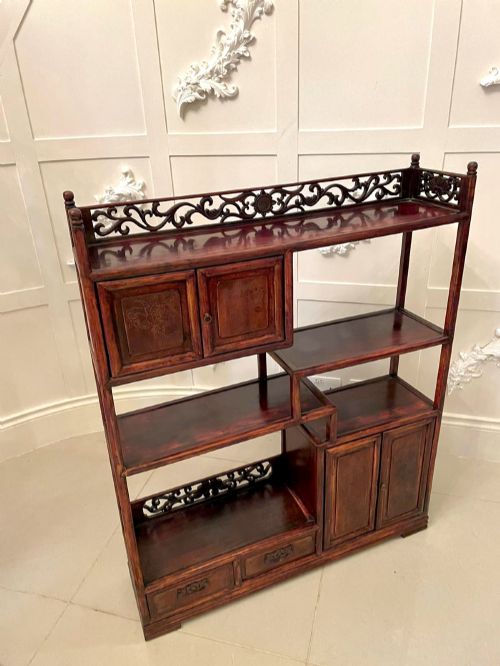
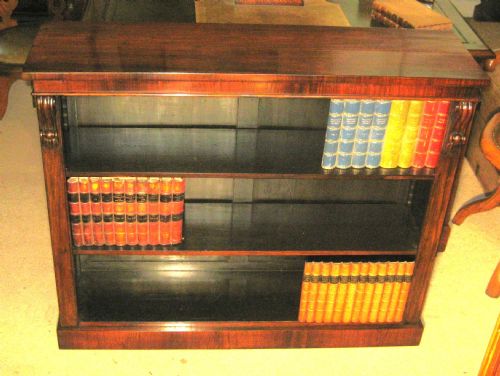
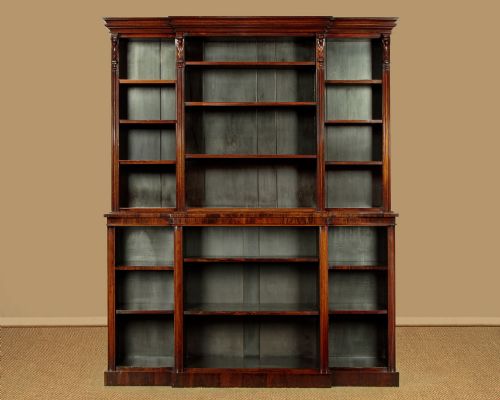
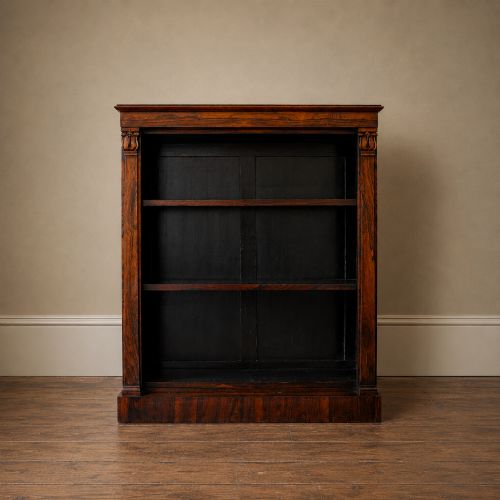
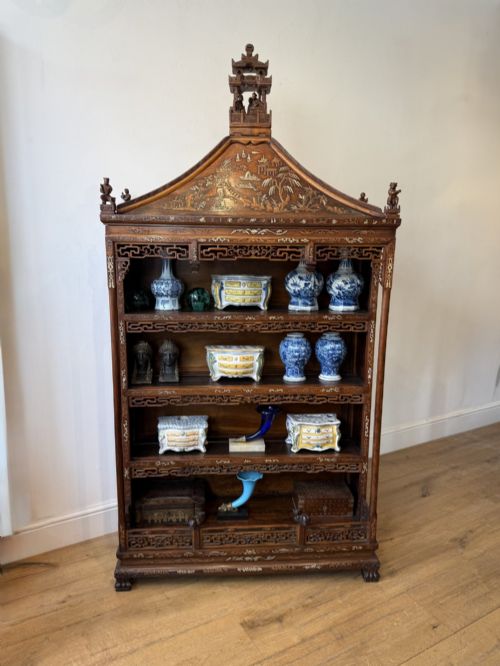
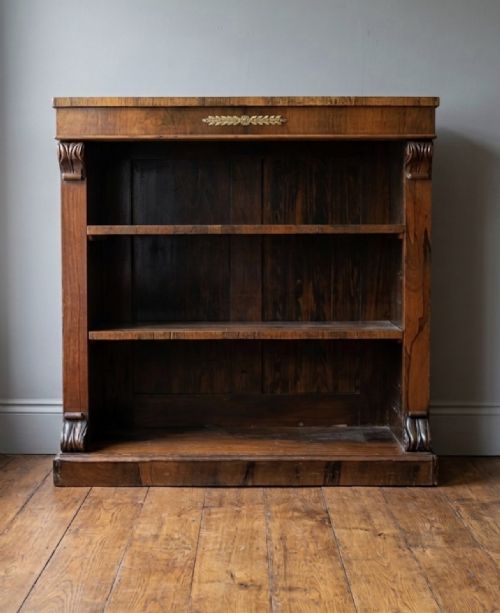
When searching for a carved rosewood shelf unit, one encounters a diverse selection of nineteenth-century bookcases, étagères, whatnots, and display cabinets. These pieces serve to organise books and display objects while introducing deep timber tones to an interior.
The most common examples on this page are Victorian and Regency open bookcases alongside Chinese carved cabinets and tiered whatnots. They combine shelving with architectural details such as breakfront profiles, adjustable shelves, and columns.
Origins span British cabinet-making traditions as well as Qing Dynasty and Anglo-Indian workshops. This variety means a buyer can select anything from a simple three-tier whatnot to a low breakfront bookcase with marble tops.
What varies in quality
The distinction between ordinary and exceptional pieces lies in the selection of the rosewood timber and the crispness of the carving. Rich, figured grain and well-matched veneers elevate a piece significantly.
Structural complexity also defines quality, such as the presence of adjustable shelving mechanisms, integrated brass details, and solid marble tops. Maker attribution, when present, further distinguishes the upper tier of these items.
Listings include nineteenth-century periods such as Regency, Georgian, Victorian, and Edwardian, alongside Chinese Qing Dynasty styles.
Gillows
The Carved Rosewood Shelf Unit Glossary
- Whatnot
- A piece of freestanding furniture with three or more tiers used for books or ornaments. They were popular in Victorian and Regency interiors.
- Breakfront
- A cabinet or bookcase whose central section projects forward from the flanking sections. This creates a break in the flat plane of the facade.
- Shodana
- A traditional Japanese display cabinet featuring asymmetrical shelving and small cupboards. Examples from the nineteenth century often utilise exotic hardwoods.
- Veneer
- A thin layer of superior wood applied to a base timber of lesser quality. This technique allowed cabinet-makers to utilise striking rosewood grain economically.
Carved Rosewood Shelf Unit: Frequently Asked Questions
What is a whatnot shelf?
A whatnot is a multi-tiered freestanding shelving unit designed for displaying decorative objects, ornaments, and books.
They emerged strongly during the Regency and Victorian periods, offering versatile open storage in reception rooms and parlours.
How do I identify a Regency bookcase?
Regency bookcases date from the early nineteenth century and typically display classical architectural proportions, rosewood timber, and sometimes brass gallery rails or inlay.
Many examples feature adjustable shelves and breakfront configurations that distinguish them from later Victorian output.
Where do carved Chinese cabinets fit in?
Nineteenth-century Chinese cabinets and shodana units bring intricate, profuse carving and asymmetrical shelving to the rosewood category.
These pieces contrast with British classical forms by focusing on deep relief work depicting natural and symbolic motifs.
Are shelves usually adjustable?
Many nineteenth-century open bookcases and shelving units include adjustable shelf mechanisms using brass pins or ratchets.
This adaptability allowed owners to alter the tier heights to accommodate volumes of varying sizes.