





Rosewood Tier Shelf
A rosewood tier shelf brings rich timber grain and useful display tiers to a room.
Rosewood Tier Shelf
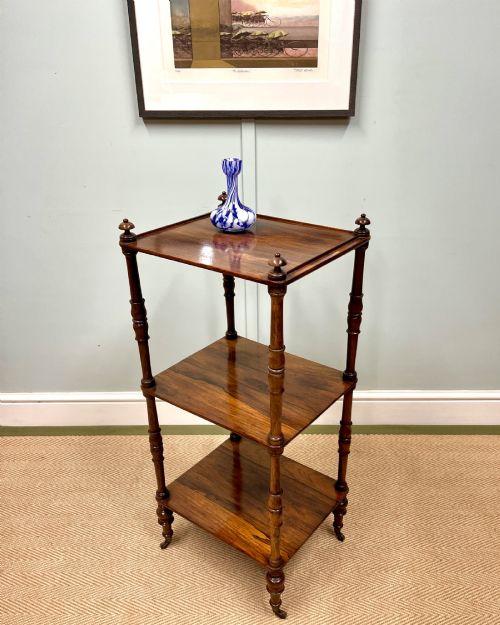
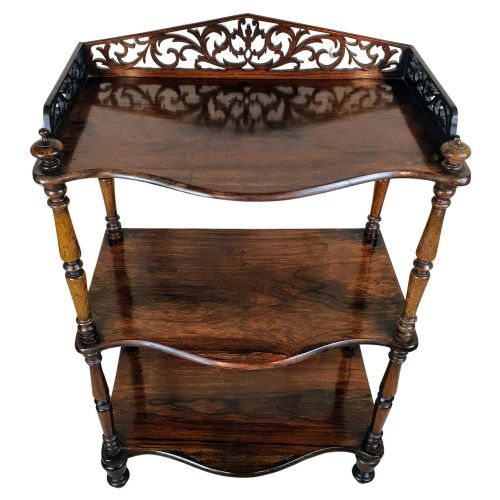
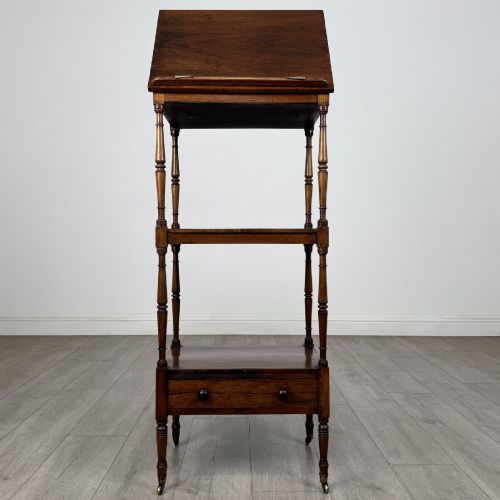
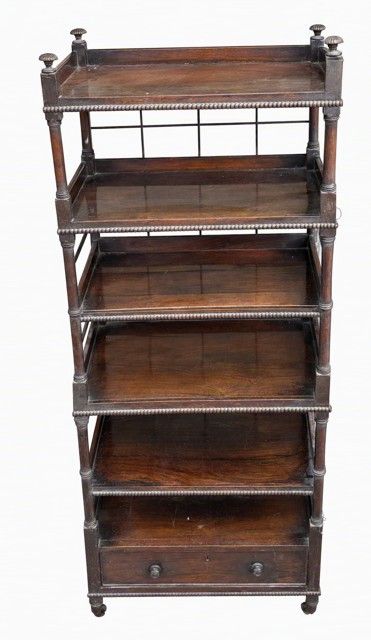
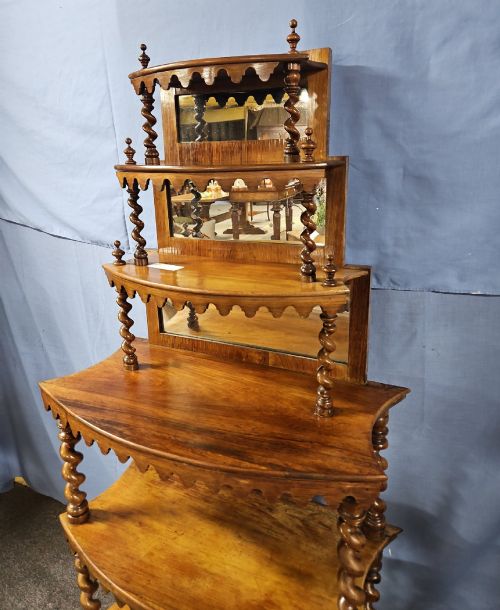
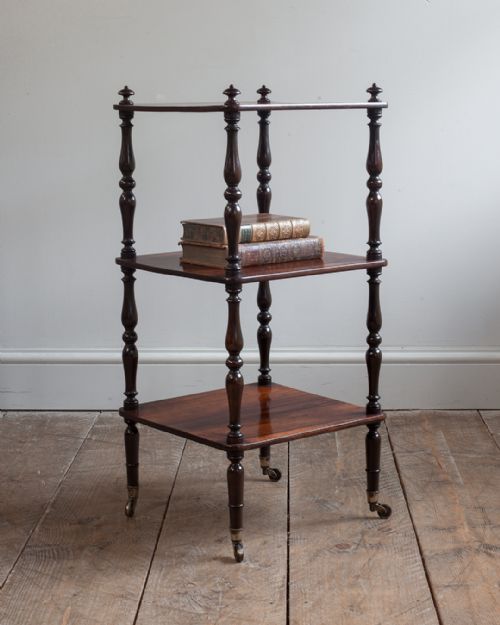
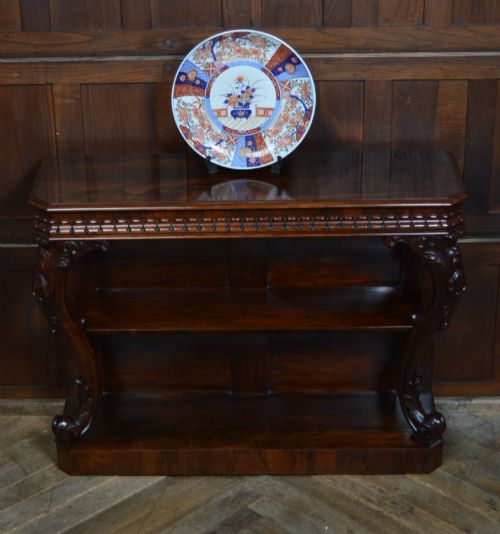
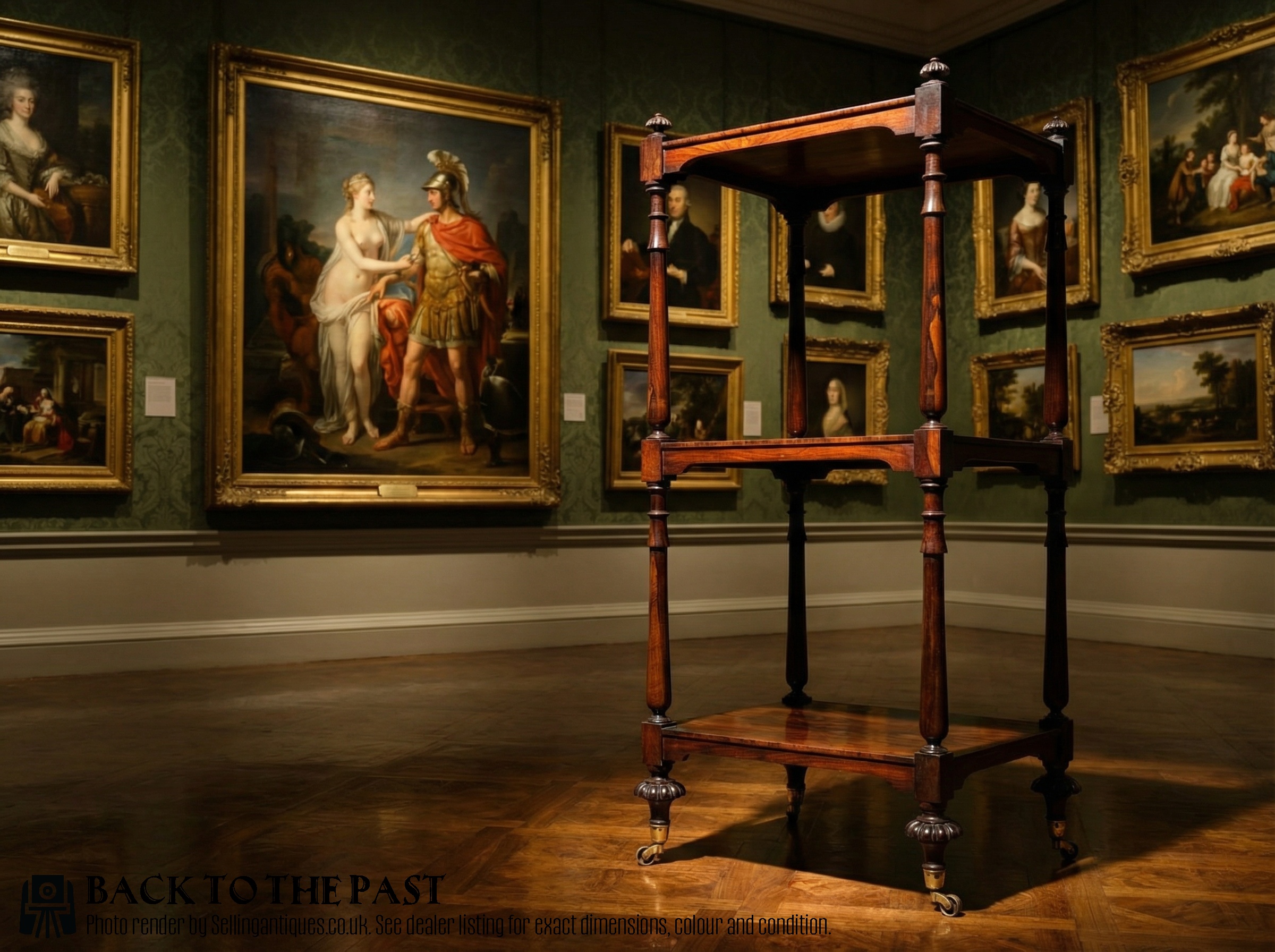
A rosewood tier shelf forms a distinct group of multi-level furniture pieces designed for open display and storage. These items appear across the nineteenth century, including Victorian and Regency periods, taking forms such as étagères, whatnots, dumb waiters, and corner wall shelves. The evidence shows formats ranging from three tiers up to six tiers, sometimes incorporating drawers or functioning as central standing buffet shelves.
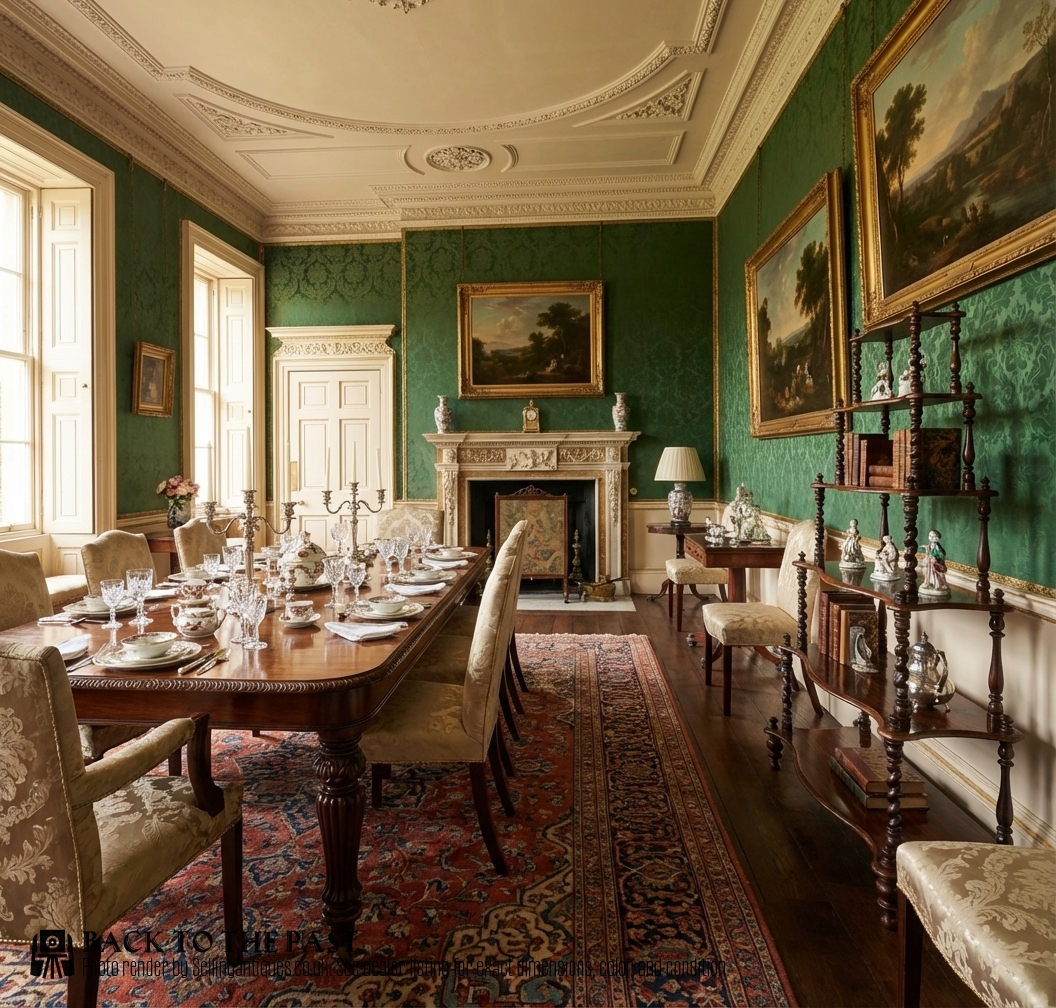
Buyers most frequently encounter three-tier open bookshelves and standing whatnots on this page. These pieces serve practical display functions in domestic interiors, holding books, ceramics, and decorative objects across their stacked wooden platforms. Examples span the early Victorian and mid-nineteenth-century eras, alongside late Georgian interpretations.
Materials and construction
Metal components appear in the form of brass, often utilised for castors, finials, or structural fixings on freestanding stands and mobile étagères. Carved details occasionally adorn the uprights or backboards of late Georgian and Victorian pieces.
Rosewood Tier Shelf Retail Price Guide 2026
Typical asking prices for rosewood tier shelf among the pieces listed under this phrase on Sellingantiques today, from the lower quarter to the upper quarter. They describe what is for sale here now, not the wider market.
Listings feature nineteenth-century items, spanning the Regency and Victorian periods, constructed in rosewood and brass.
Distinctions in quality
The architectural balance of the tiers and the choice of timber figure distinguish standard examples from finer work. Superior pieces display thoughtful proportions between the shelf levels and robust structural joinery that supports heavy loads without sagging.
The refinement of turned columns, the presence of integrated drawers, and careful brass detailing elevate the character of a piece. The treatment of the rosewood grain, from simple open bookshelves to more elaborate carved display stands, marks the maker's intent.
The Rosewood Tier Shelf Glossary
- Étagère
- A piece of furniture consisting of a set of open shelves for displaying small ornaments. These tiered stands developed in France and gained popularity in British interiors during the nineteenth century.
- Whatnot
- A freestanding set of open shelves used for holding books or decorative objects. Victorian and Regency examples frequently feature three or more tiers supported by slender uprights.
- Dumb waiter
- A tiered shelving unit traditionally used for serving food or holding tableware. Nineteenth-century versions in rosewood often double as general display furniture.
- Regency
- An English design style spanning the early nineteenth century. Pieces from this period exhibit classical restraint and clean architectural lines.
- Victorian
- The period of the reign of Queen Victoria, covering the mid to late nineteenth century. Furniture from this era encompasses diverse revival styles and robust domestic forms.
Rosewood Tier Shelf: Frequently Asked Questions
What is a rosewood tier shelf used for?
These pieces provide open tiered surfaces for displaying books, ceramics, and decorative objects in living spaces. Their multiple levels maximise vertical storage without occupying excessive floor space.
Historically, variations such as whatnots and étagères served multiple domestic functions, from holding parlour ornaments to supporting dining accessories.
How do I identify a Victorian rosewood whatnot?
Victorian examples typically feature three to six stacked wooden platforms supported by turned upright columns. Rosewood provides a dark, heavily grained timber surface that defines the aesthetic of the period.
Look for structural elements characteristic of nineteenth-century cabinetmaking, such as brass castors on freestanding stands and occasional lower drawers.
Where were tier shelves placed in a nineteenth-century home?
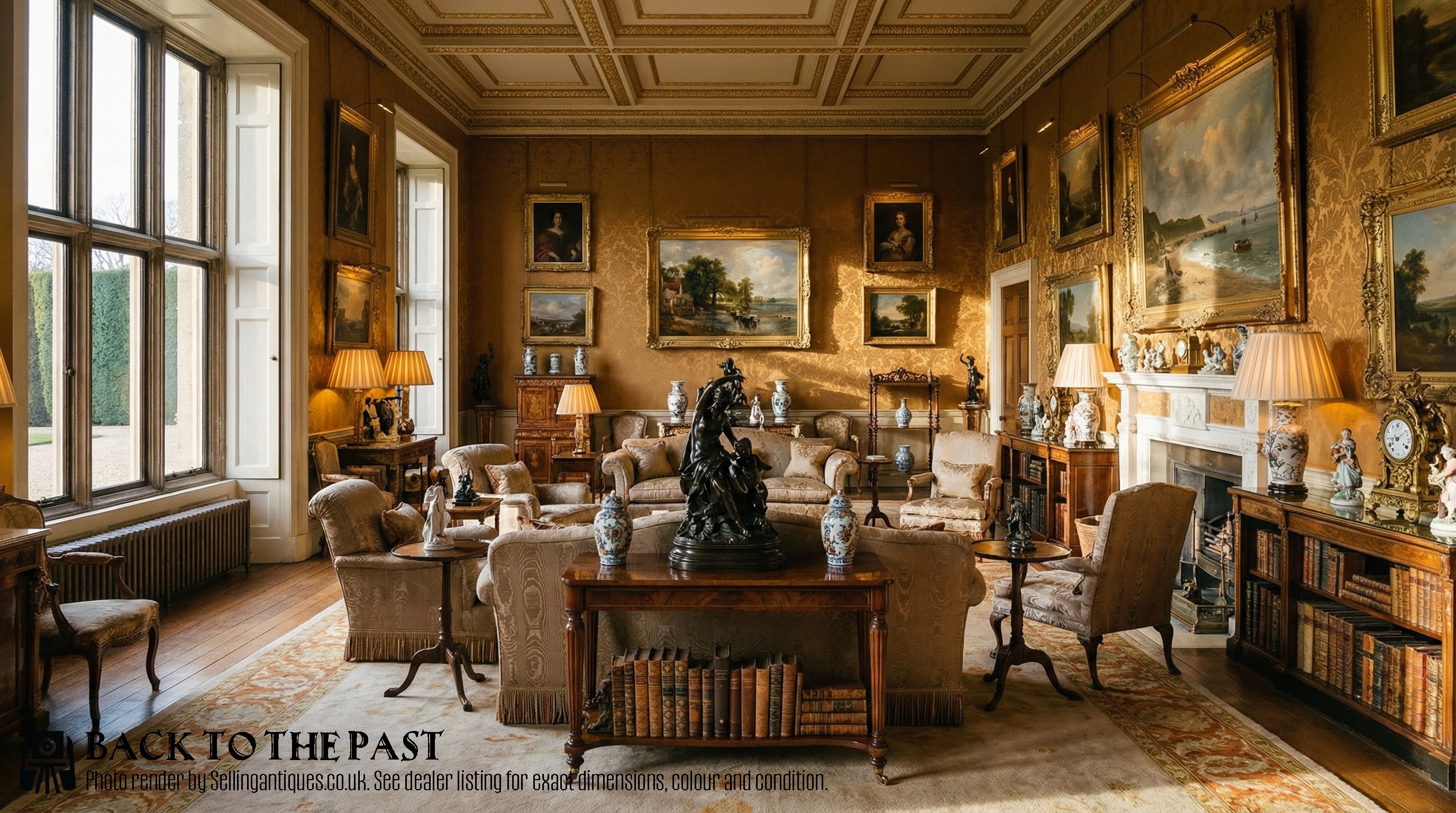
These versatile units stood against reception room walls, in corners, or occasionally as central room dividers. Corner wall shelves utilised awkward angles to provide extra display capacity.
Freestanding stands and buffet shelves allowed easy access to books and ornaments from multiple sides within a parlour or study.
What is the difference between an étagère and a whatnot?
An étagère originates as a French display stand with multiple open shelves, often associated with lighter decorative formats. A whatnot is a traditional British term for a similar multi-tiered shelving unit used for general household items.
In practice, nineteenth-century makers and retailers used these terms interchangeably for tiered rosewood furniture.
How do Regency and Victorian tier shelves differ?
Regency pieces reflect earlier nineteenth-century restraint with cleaner classical lines and simpler column supports. Victorian iterations often introduce greater height, such as six-tier stands, alongside more elaborate turning and carving.
Both styles utilise rosewood timber, but the decorative vocabulary shifts as the century progresses towards heavier domestic ornamentation.