


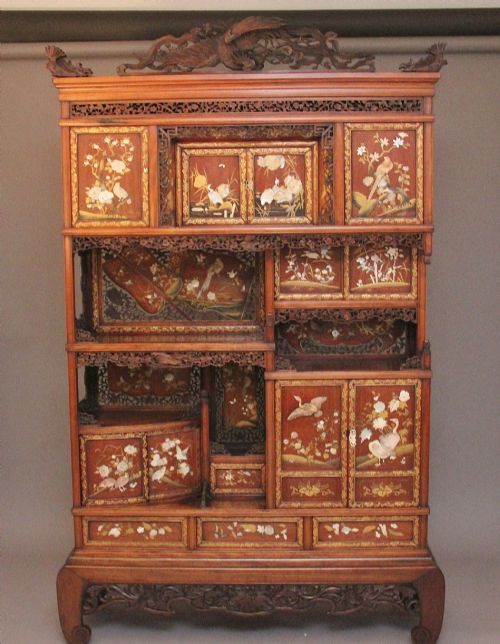


Carved Rosewood Cupboard
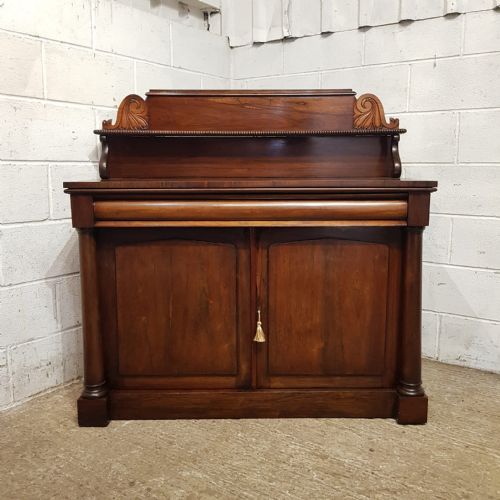
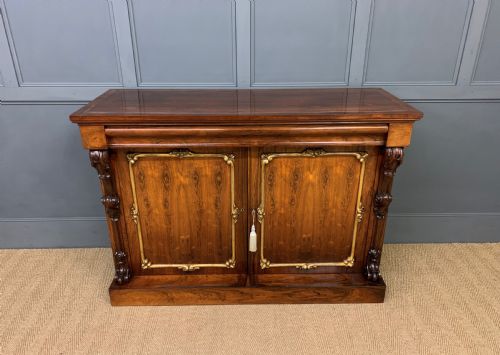
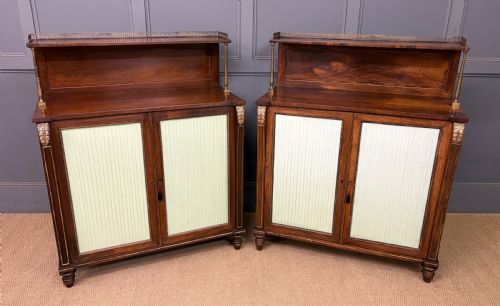
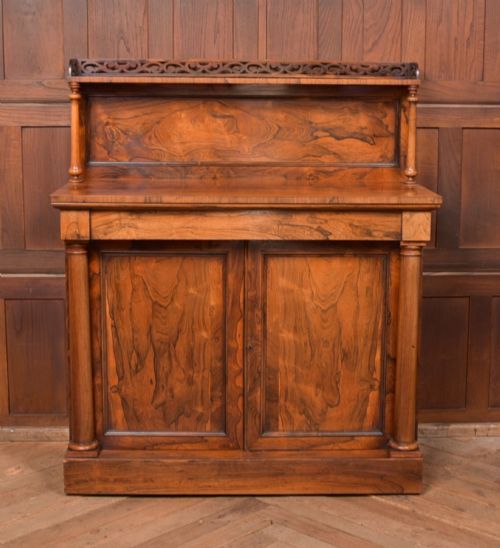
A carved rosewood cupboard brings dense grain and deep relief carving into a room, offering both display space and concealed storage.
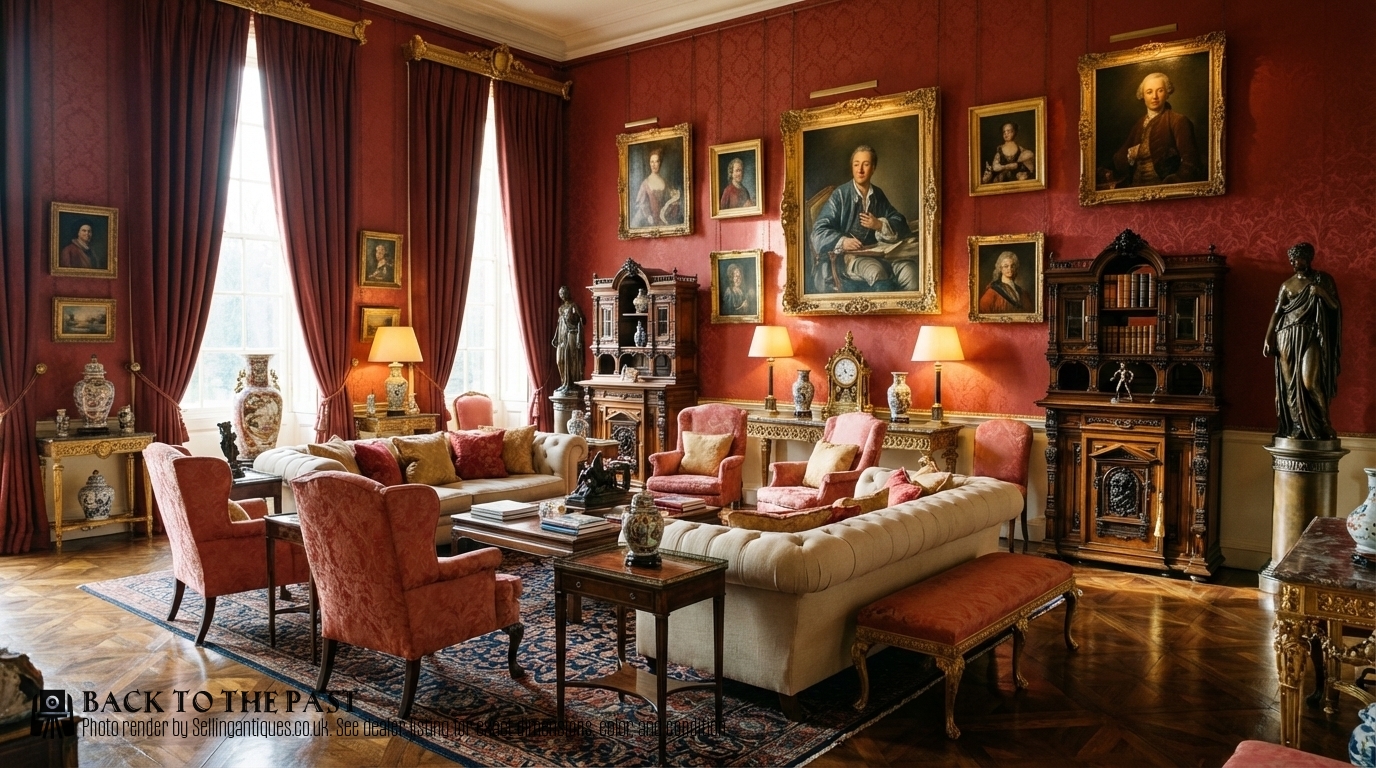
Carved Rosewood Cupboard
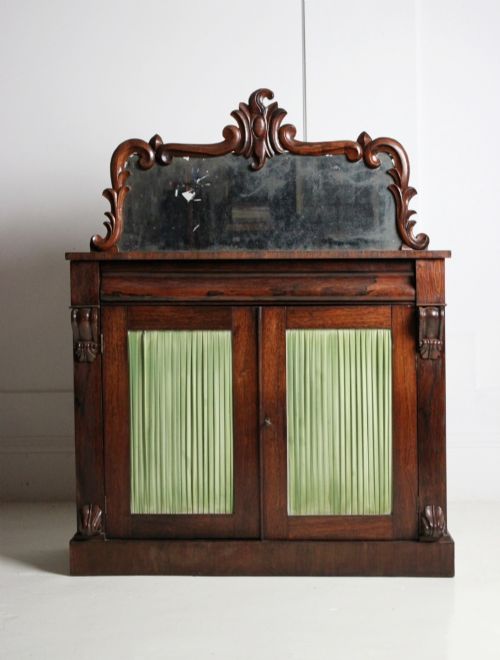
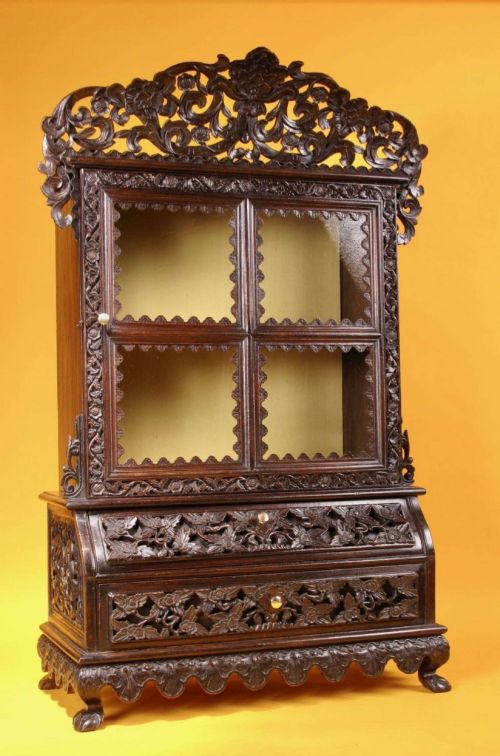
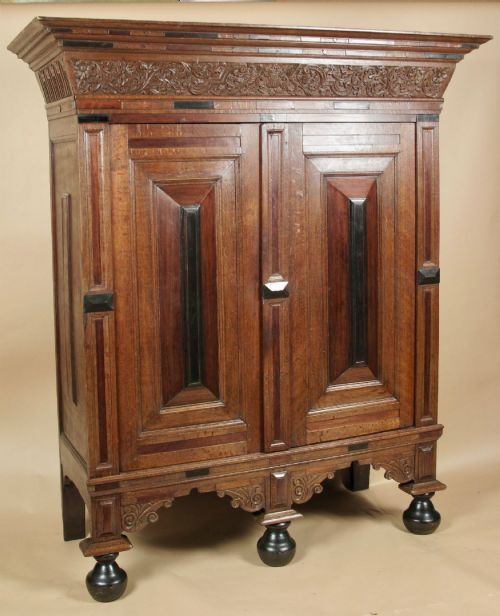
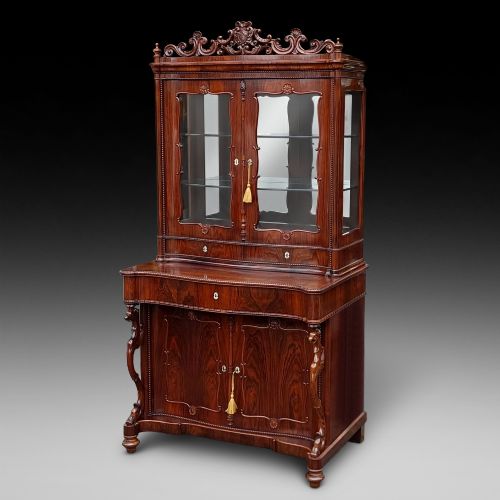
A carved rosewood cupboard covers a varied group of side cabinets, chiffoniers, display units, and armoires originating across the nineteenth century and earlier. Pieces span Regency, Victorian, and William IV eras alongside Anglo-Indian, Dutch Baroque, and Biedermeier expressions.
The most common formats on this page are low side cabinets and Victorian chiffoniers featuring glazed or panelled doors. These items combine a surface top with enclosed lower shelving, suiting dining rooms or living spaces.
Regional variations introduce distinct stylistic traits, from the intricate foliate relief of Anglo-Indian workshops to the architectural paneling seen in Dutch seventeenth-century karts. European examples frequently incorporate mirrors, brass mounts, and ebony details.
Distinctions in Standard
Quality rests upon the crispness of the hand-carved detail and the selection of the rosewood timber itself. Rich grain contrast and deeply undercut foliage separate finer studio work from simpler commercial production.
Internal construction, including original shelving, working locks, and secondary wood matching the period, signals higher execution. The integration of decorative elements like cast brass mounts or glazed panels also dictates the overall standard.
Carved Rosewood Cupboard Retail Price Guide 2026
Typical asking prices for carved rosewood cupboard among the pieces listed under this phrase on Sellingantiques today, from the lower quarter to the upper quarter. They describe what is for sale here now, not the wider market.
Listings span multiple stylistic revivals, including Renaissance Revival, Gothic influences, and Egyptian revival motifs applied to rosewood frames.
Sigmund Jaray Wien
The Carved Rosewood Cupboard Glossary
- Chiffonier
- A low sideboard or cabinet featuring a raised back tier with shelves, popular during the Regency and Victorian periods.
- Kast
- A large, two-door traditional Dutch or Flemish wardrobe or cupboard built with deep architectural cornices and heavy paneling.
- Shodana
- A traditional Japanese multi-tiered display cabinet featuring staggered shelving and intricate joinery.
- Palisander
- A dense, dark timber nomenclature often applied historically to various species of high-grade rosewood with strong grain figures.
- Pedestal Cabinet
- A freestanding enclosed cabinet built on a squared base or plinth, frequently paired as matching sets.
Carved Rosewood Cupboard: Frequently Asked Questions
What is a chiffonier?
A chiffonier is a compact sideboard equipped with enclosed lower storage and a superstructure of small shelves above. They served primarily in dining rooms for serving tea or displaying glassware.
Victorian and Regency examples often feature mirrored backs and intricate rosewood veneers, making them both practical storage units and decorative focal points.
How do I date a rosewood cabinet?
Dating relies on architectural styles, hardware, and secondary woods visible inside the cabinet. Regency pieces show classical restraint, whereas Victorian items often feature heavier carvings or glass doors.
Examining the construction methods of the drawer linings and backboards helps distinguish earlier seventeenth-century karts from nineteenth-century revival pieces.
Can I use these cabinets for modern storage?
These cabinets adapt well to contemporary interiors for storing tableware, books, or media equipment. Their enclosed shelving keeps items dust-free while adding distinct timber warmth to a room.
Ensuring internal shelf depths match your intended items is the main consideration when integrating antique cabinets into modern spaces.