
Carved Plant Pedestal
A carved plant pedestal elevates greenery and sculpture, bringing architectural height and detailed timber work into a room.
Carved Plant Pedestal
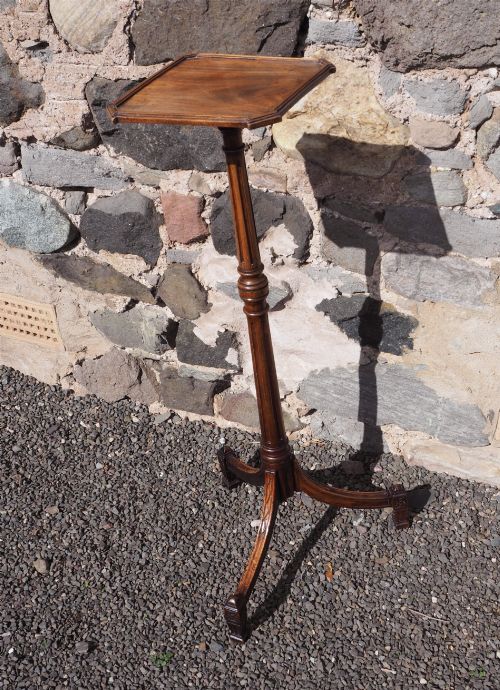
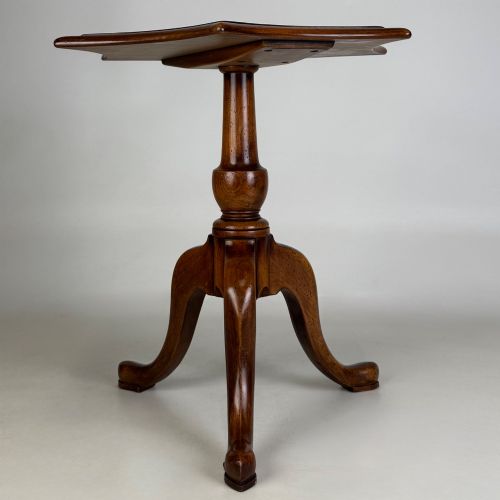
When searching for a carved plant pedestal, you encounter tall display columns, torcheres, and occasional stands designed to elevate plants, urns, and decorative objects.
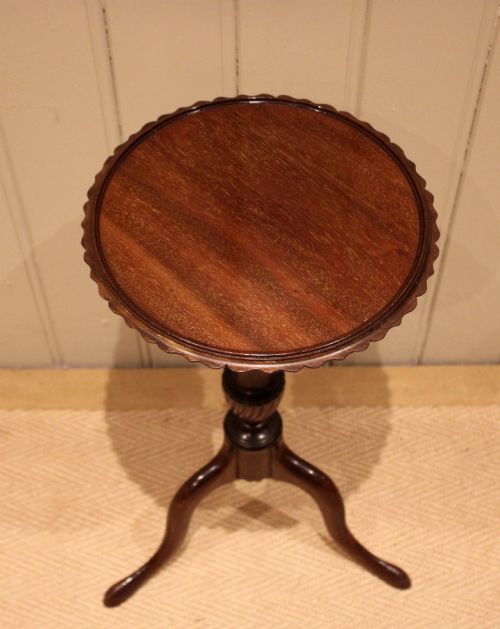
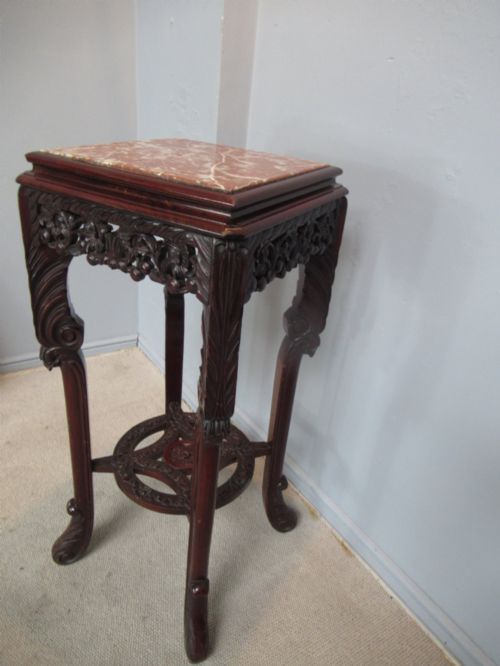
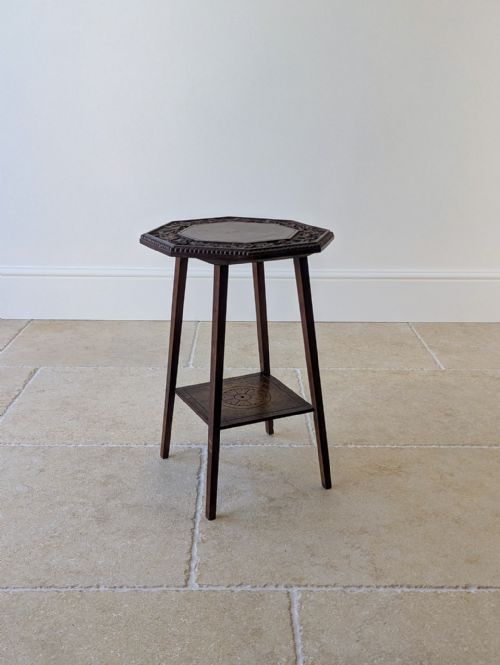
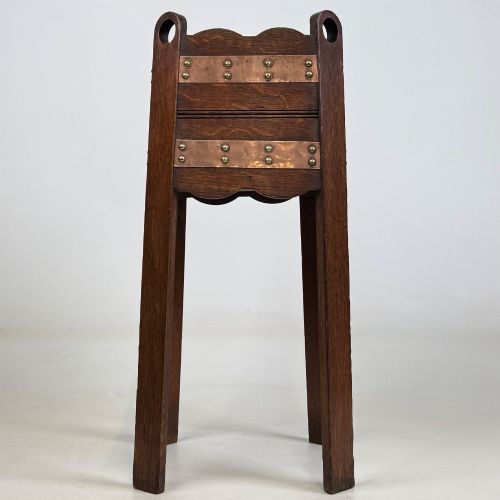
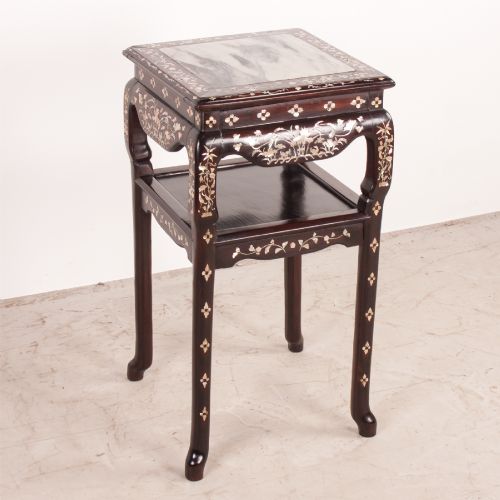
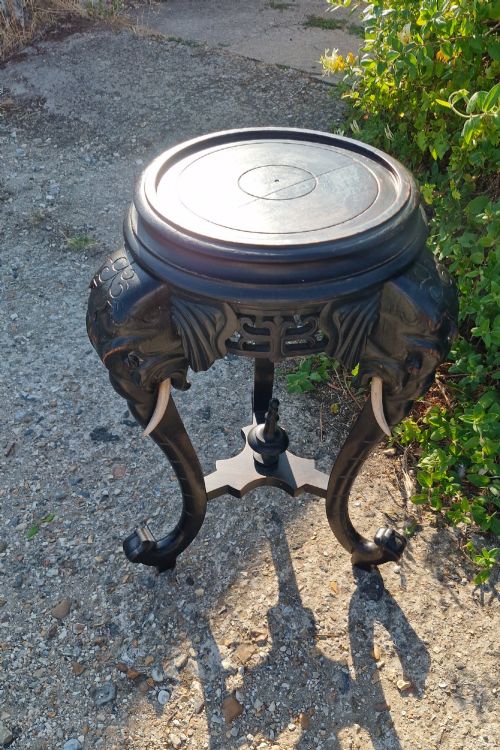
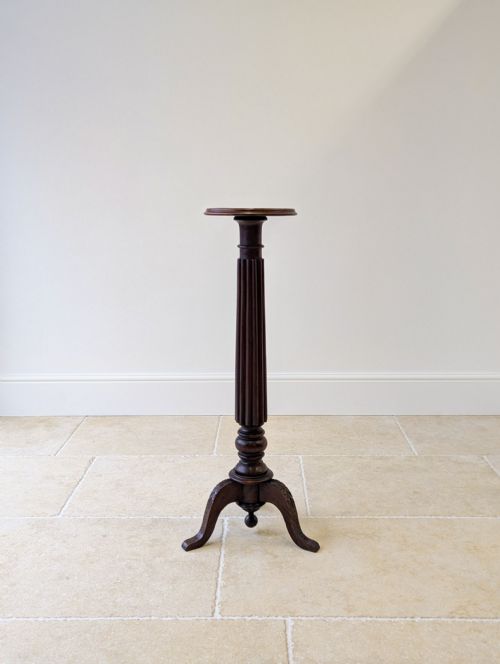
The pieces on this page span the nineteenth and early twentieth centuries, taking the form of Victorian mahogany torchus, Edwardian oak stands, and carved hardwood pieces from Chinese and Anglo-Indian traditions.
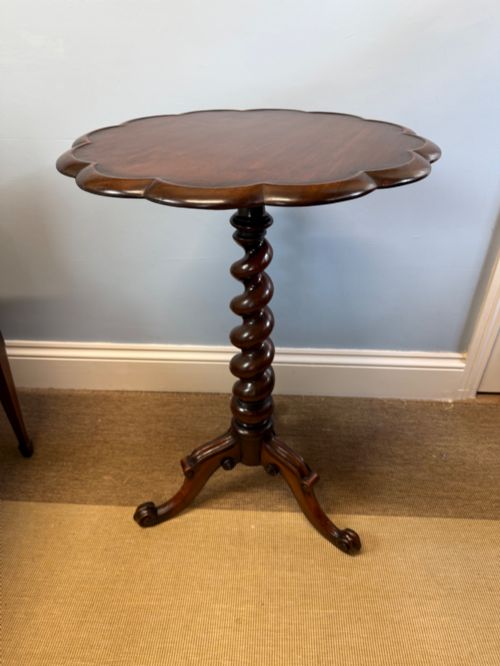
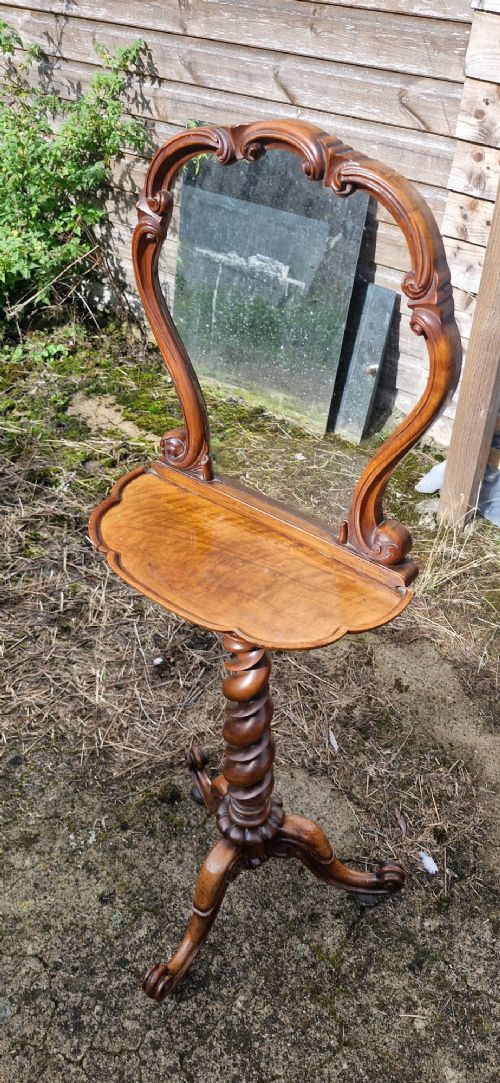
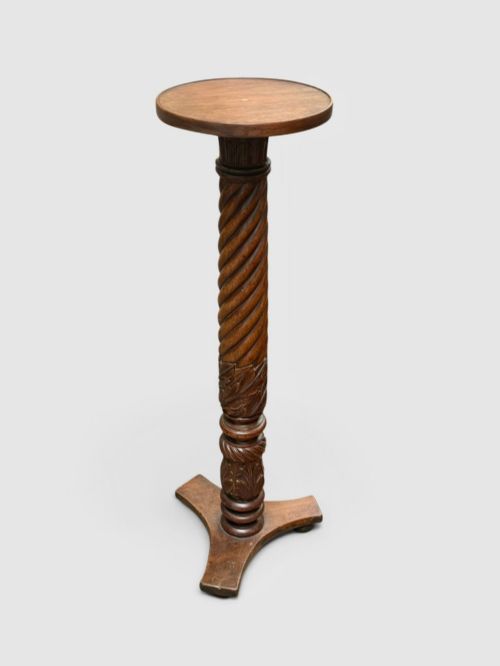
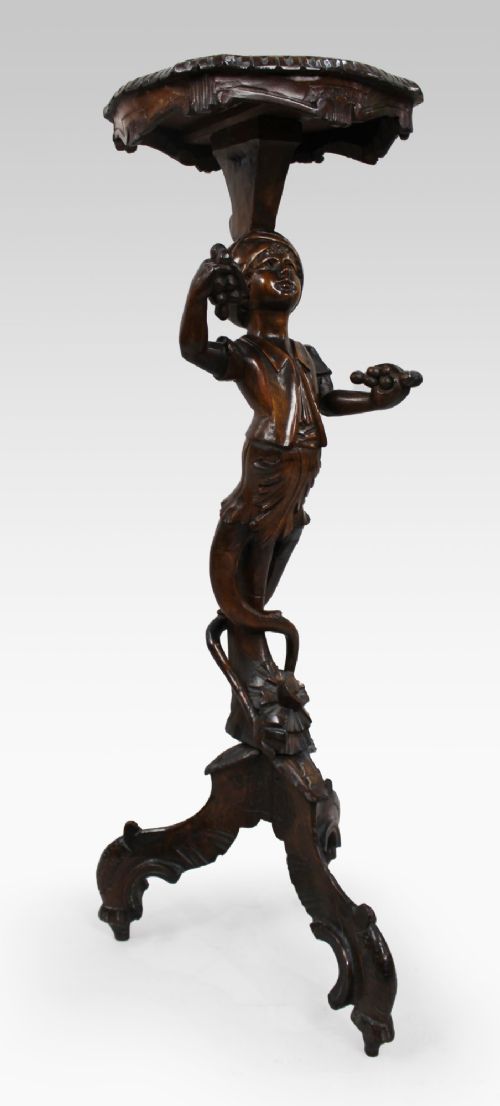
You meet simple rustic wood designs alongside elaborate figural stands, barley twist columns, and marble top display pedestals intended for prominent corners and halls.
How they were made
Cabinetmakers shaped these stands primarily from dense timbers such as mahogany, walnut, oak, and exotic hardwoods, often incorporating inset marble tops for durability.
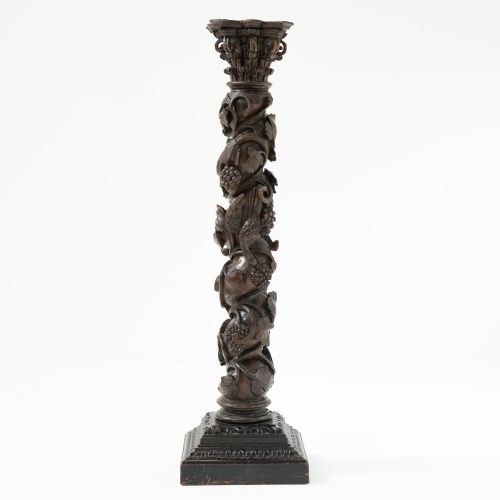
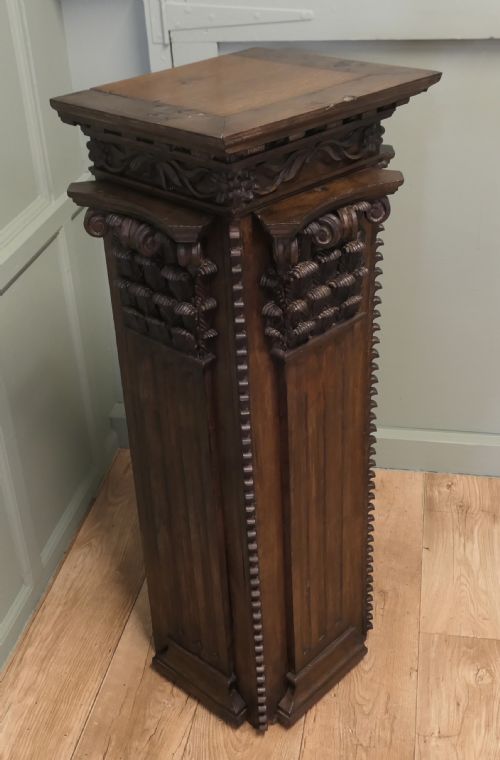
Decoration relied heavily on hand carving, creating spiralling Solomonic columns, barley twists, and intricate foliage that highlight the grain of the wood.
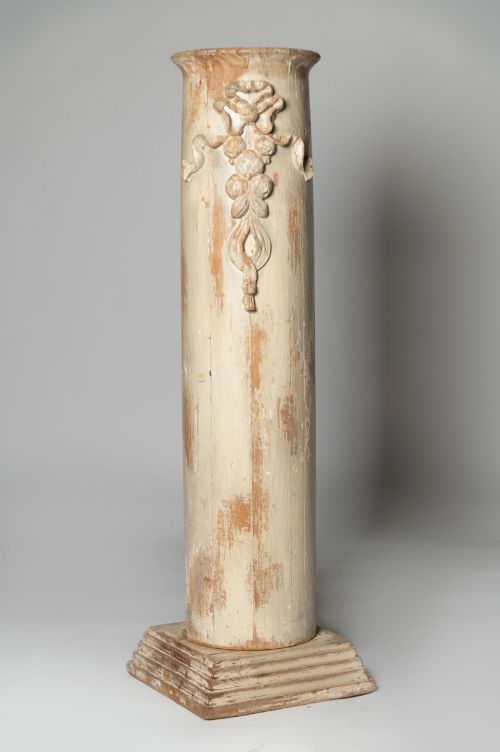
Some pieces feature mother of pearl inlay, ebonised finishes, or original green paint, reflecting diverse regional techniques from French workshops to Chinese export studios.
What varies in quality
Quality rests in the crispness of the hand carving and the selection of the timber, where deeply defined acanthus leaves and well-figured mahogany distinguish superior pieces from plain work.
The structural stability of the shaft and the weight of the base determine how securely a tall pedestal holds a heavy urn or plant without wobble.
Provenance and specific stylistic details, such as figural carving or inset marble slabs, separate standard utility stands from exceptional decorative items.
Liberty of London
The Carved Plant Pedestal Glossary
- Torchere
- A tall, slender stand originally designed to carry a candle or light, now frequently used as a plant pedestal.
- Solomonic
- A column characterised by a helical twist, resembling a spiral rope, seen frequently in seventeenth and nineteenth-century furniture.
- Jardiniere
- An ornamental pot or stand for holding plants or flowers, often integrated into freestanding furniture forms.
- Barley twist
- A turning technique producing a spiral column resembling a twist of barley sugar, popular in Jacobean and Victorian furniture.
- Vernis Martin
- A type of simulated japanning or lacquerwork developed in eighteenth-century France, applied to decorative stands and cabinets.
Carved Plant Pedestal: Frequently Asked Questions
What is a carved plant pedestal?
A carved plant pedestal is a tall, freestanding support designed to elevate plants, vases, or sculptural objects off the floor.
These pieces use architectural forms like columns and torcheres to add height and visual interest to interior spaces.
How were plant pedestals used historically?
Historically, these stands placed potted ferns, heavy floral arrangements, and decorative sculptures in prominent drawing room corners or hallways.
By lifting greenery into the line of sight, they allowed plants to act as major focal points in nineteenth-century interiors.
How do I style a pedestal at home?
Position a pedestal in an empty corner, beside a fireplace, or framing a doorway where it can stand safely without obstruction.
Top the stand with a trailing plant, a heavy ceramic bowl, or a bronze figure to balance the vertical weight of the column.
How do I date a wooden pedestal?
Dating relies on identifying the primary timber, the style of the carving, and construction methods such as joinery and turning.
Victorian pieces often favour heavy mahogany and walnut with elaborate revival styles, while Edwardian examples frequently utilise lighter oak and Arts and Crafts simplicity.