


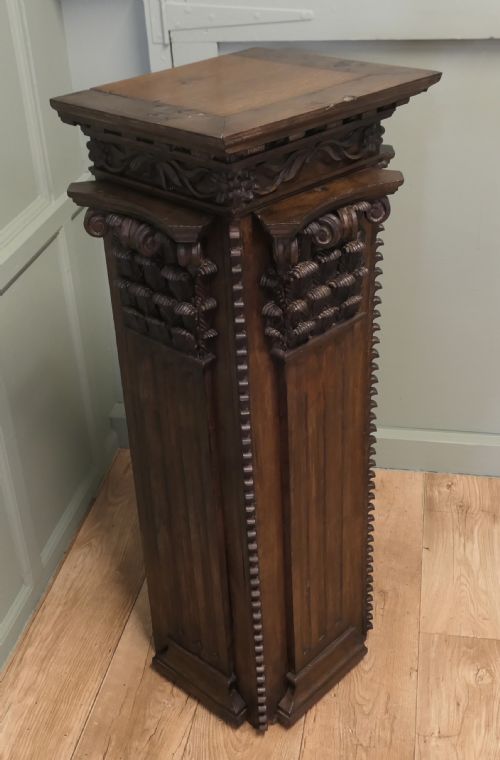
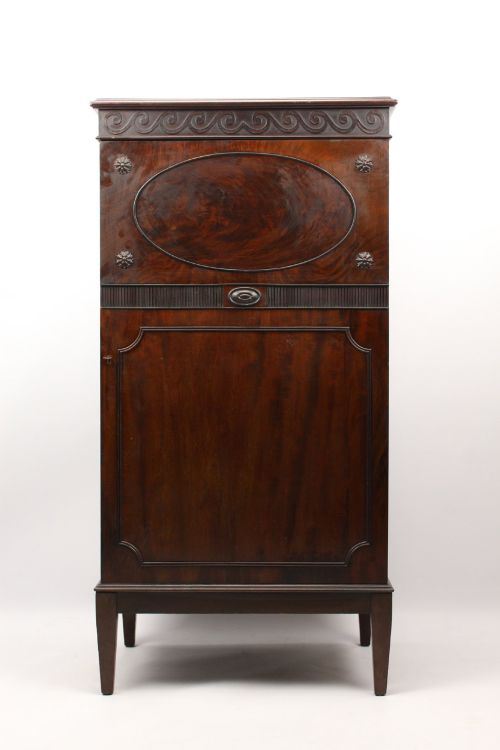
Carved Pedestal Stand
A carved pedestal stand elevates sculpture, plants and lighting, bringing vertical interest and classical presence to interior spaces.
Carved Pedestal Stand
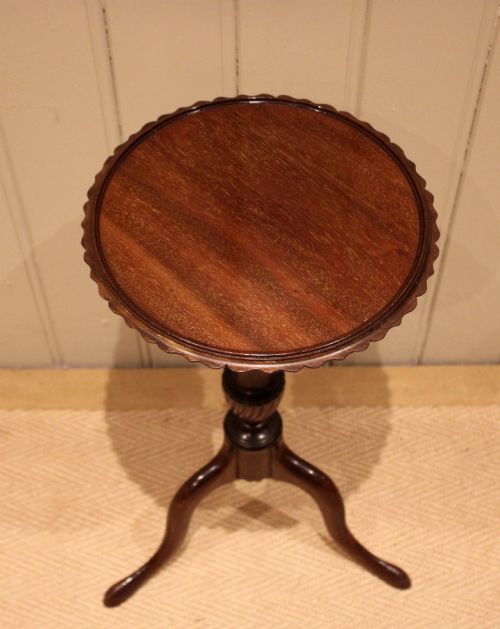
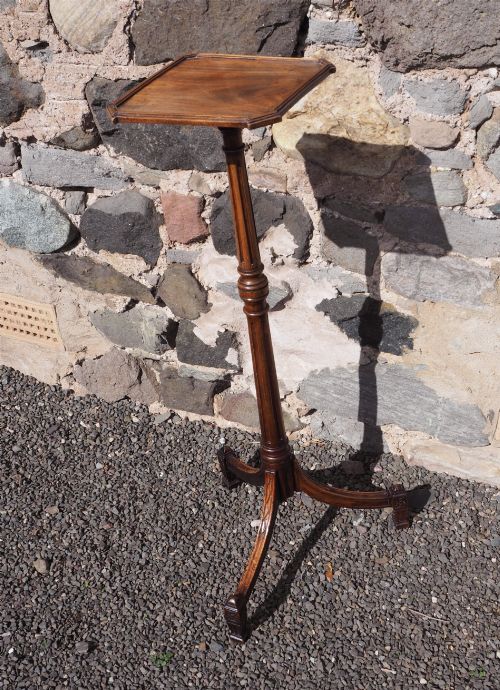
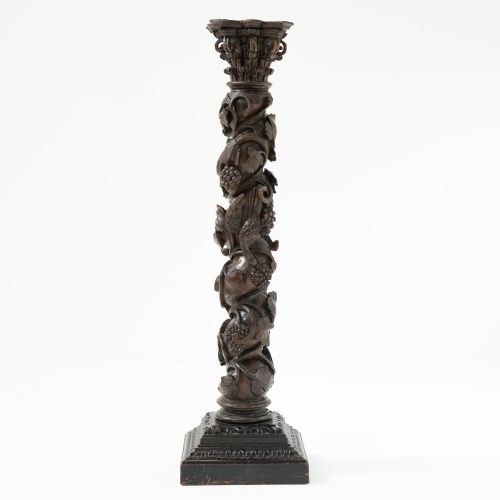
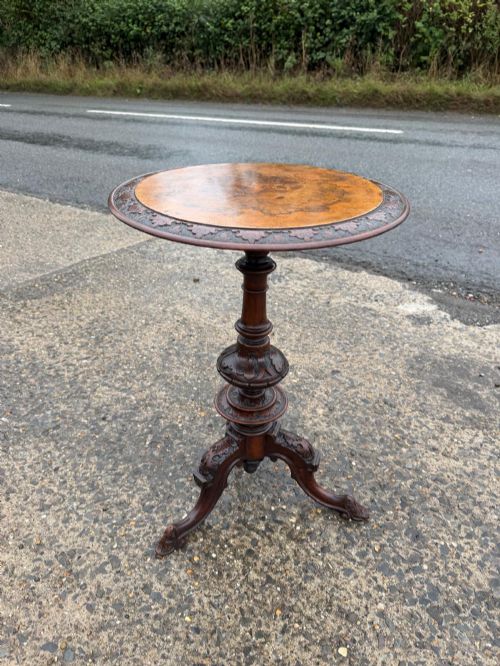
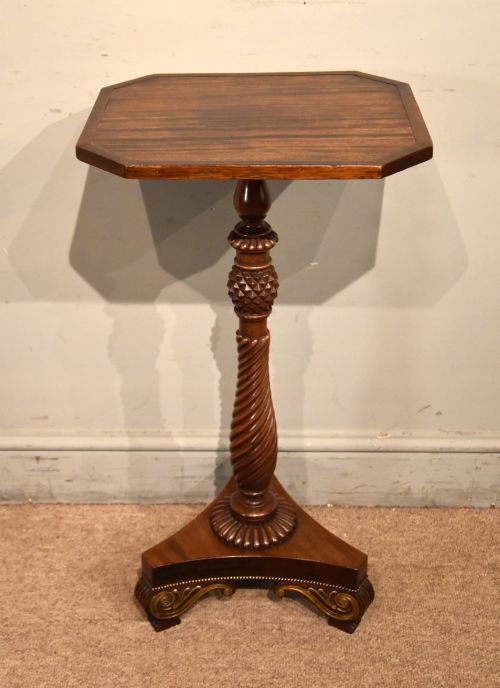
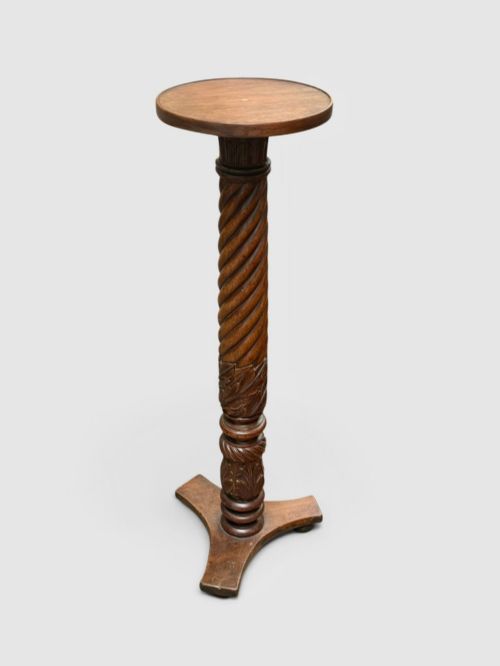
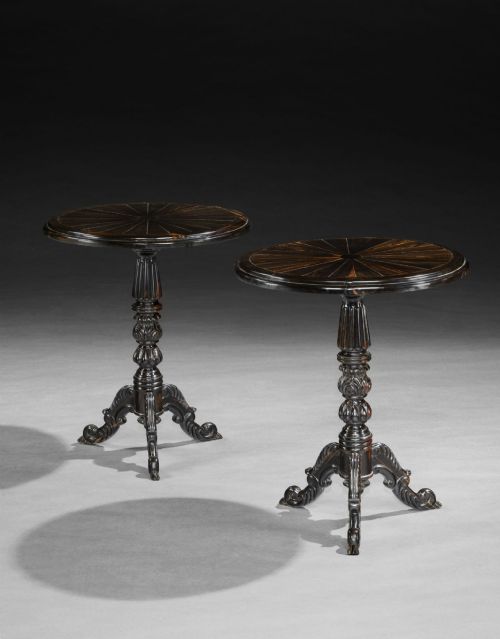
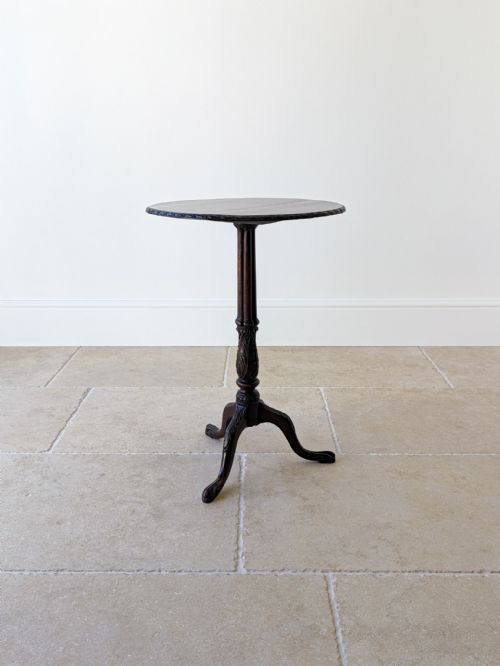
A carved pedestal stand serves primarily to elevate decorative objects, lamps, plants and sculptures within a room. The selection spans distinct forms including torcheres, plant stands, lamp tables, display columns and occasional tables.
Victorian and Edwardian examples predominate alongside pieces from the Regency, William IV and 18th-century periods. These items function as focal points in hallways, corners and living spaces, offering practical surface area combined with sculptural form.
Materials and Construction
Cabinetmakers utilised dense timbers such as mahogany, walnut, oak, rosewood and exotic hardwoods to ensure stability for elevated displays. Turning, joinery and hand-carving formed the structural framework of columns, tripod bases and capitals.
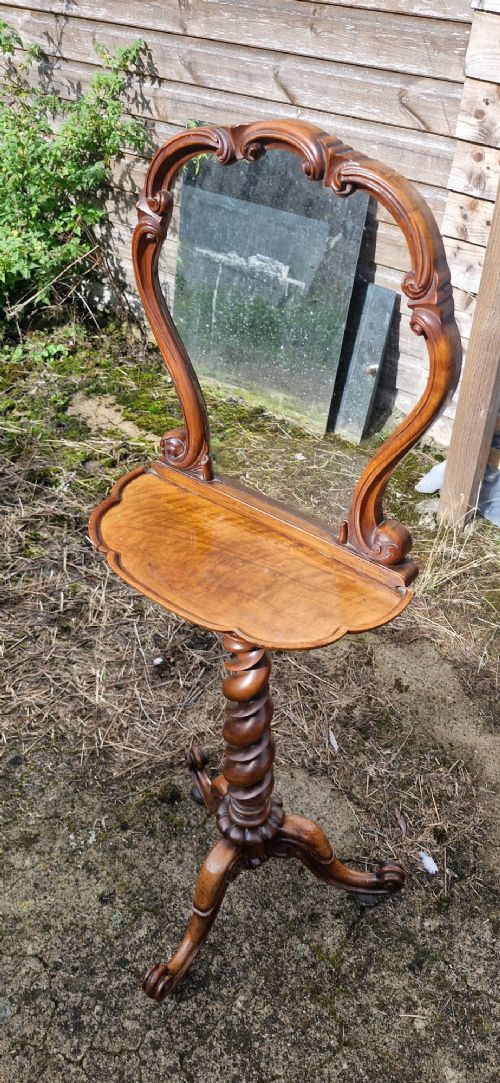
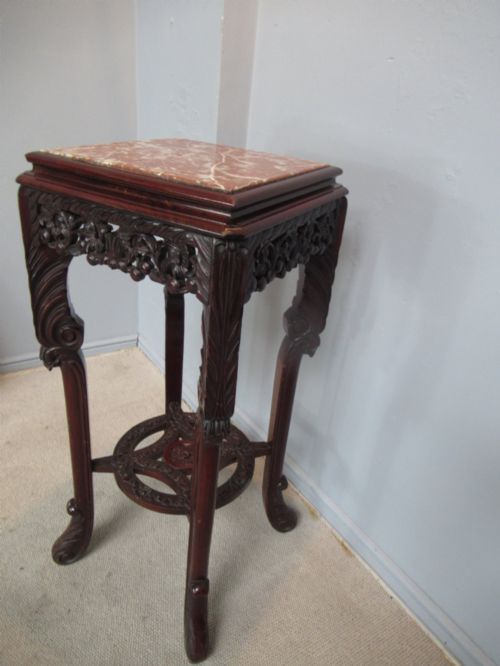
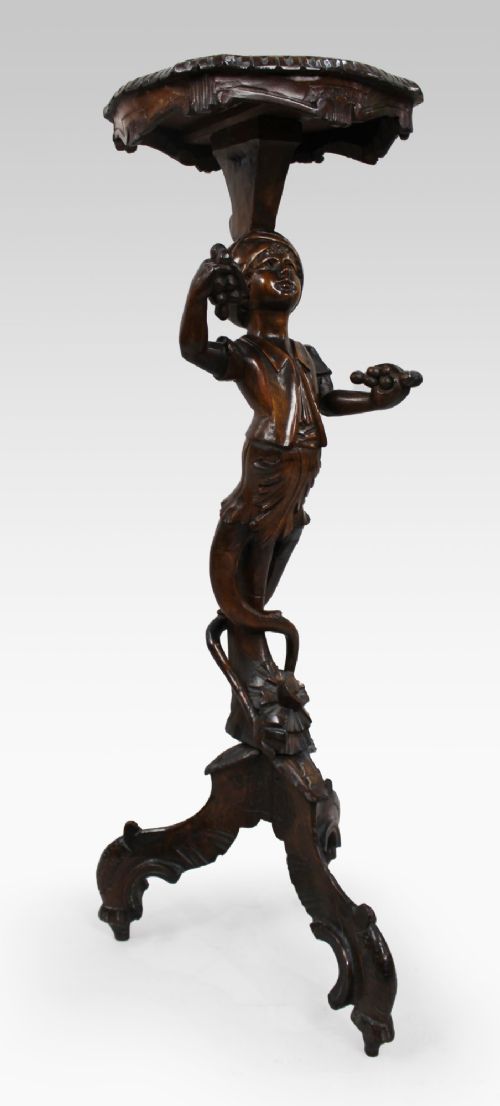
Surface detailing incorporated marble inserts, mother of pearl inlay, glass components and gilt wood finishes. Solomonic twist columns, fluting and figural carvings demonstrate the manual skill applied to individual stands.
The listings demonstrate a strong representation of mahogany and walnut timbers across Victorian and Edwardian pedestal forms.
Assessing Quality and Execution
The refinement of the carving dictates the distinction between standard production and exceptional work. Crisp depth in foliage, figures or geometric motifs separates superior pieces from routine turnery.
Material selection and structural integrity define the higher tier of these stands. Heavy timber weights, balanced tripod or column bases, and integrated elements like inset marble or burr wood tops indicate superior manufacture.
Gillow·Denby & Spinks
The Carved Pedestal Stand Glossary
- Torchere
- A tall stand designed specifically to support a lamp or candleholder. These pieces often feature slender columns and decorative bases.
- Solomonic
- A helical or spiral twist column resembling a corkscrew. This motif appears frequently on 17th and 18th-century stands.
- Tripod Table
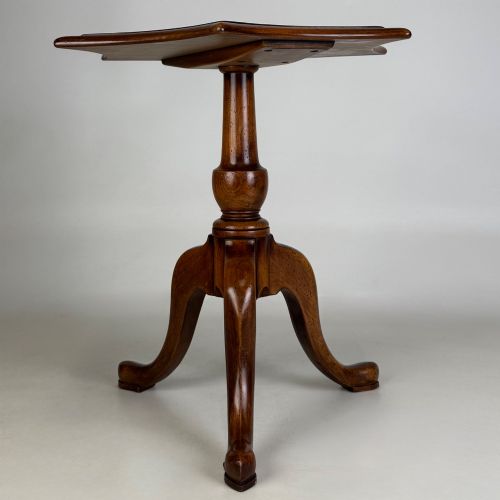
- A small table or stand supported by three legs. This configuration provides stability on uneven floor surfaces.
- Plinth
- The lowest architectural base of a column or pedestal. It distributes the weight of the stand and any displayed object.
- Tilt Top
- A table mechanism allowing the surface to fold vertically when not in use. This feature saved space in historic interiors.
Carved Pedestal Stand: Frequently Asked Questions
What is a torchere stand?
A torchere stand is a tall, slender piece of furniture originally designed to hold a light source such as a candle or oil lamp. Today, collectors utilise them for displaying urns, sculptures or tall floral arrangements.
These stands take up minimal floor space while drawing the eye upward. They frequently incorporate carved wooden columns and tripod bases.
How do I date a wooden stand?
Dating relies on identifying timber species, construction methods and prevailing decorative styles. Regency pieces often show classical restraint, while Victorian examples lean toward heavier carving and varied veneers.
Examine the underside and joints for tool marks and wear patterns. Hand-sawn boards and traditional joinery point toward earlier periods of manufacture.
What is the difference between a pedestal and a table?
A pedestal focuses primarily on display and elevation with a relatively small top surface. Tables offer wider surfaces intended for active daily use, holding books, drinks or smaller lamps.
Hybrid forms like lamp tables bridge this distinction by combining a table surface with a prominent pedestal column.