
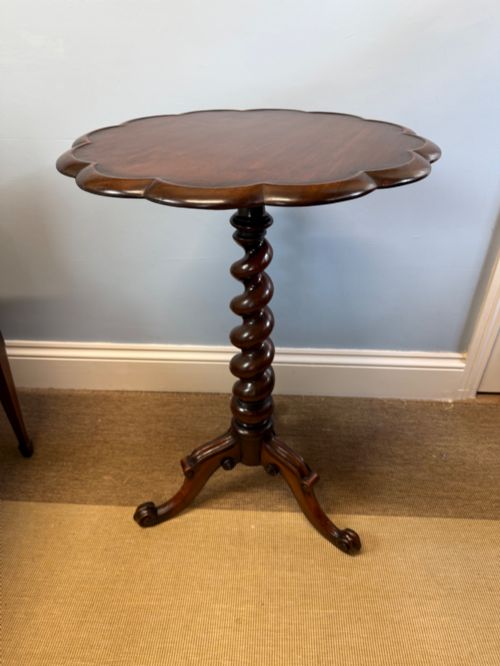
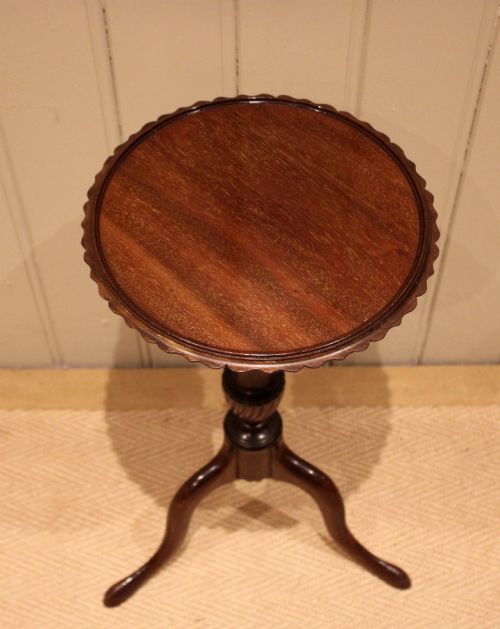
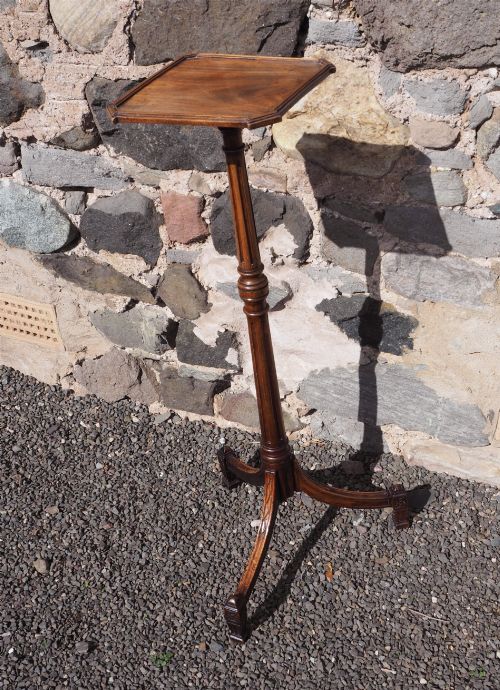
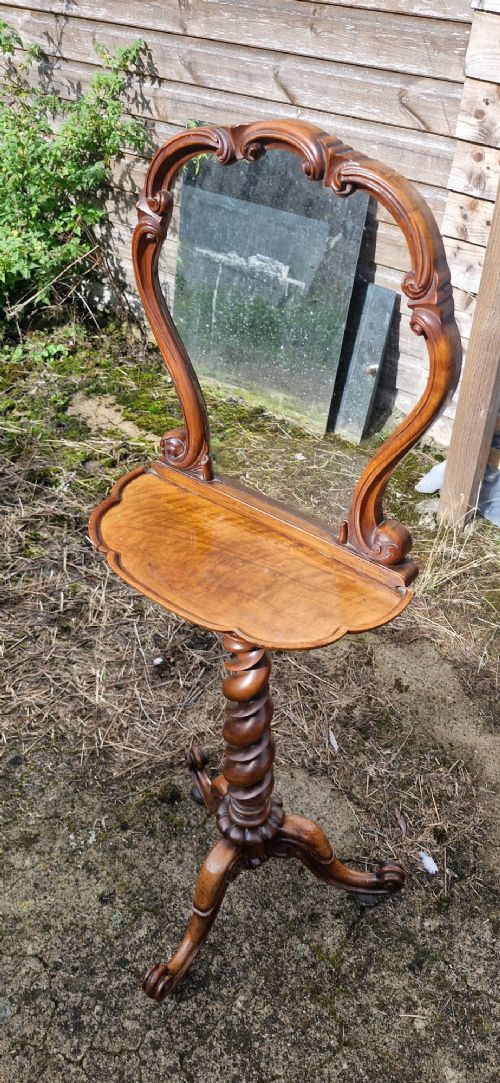
Carved Pedestal Plant Stand
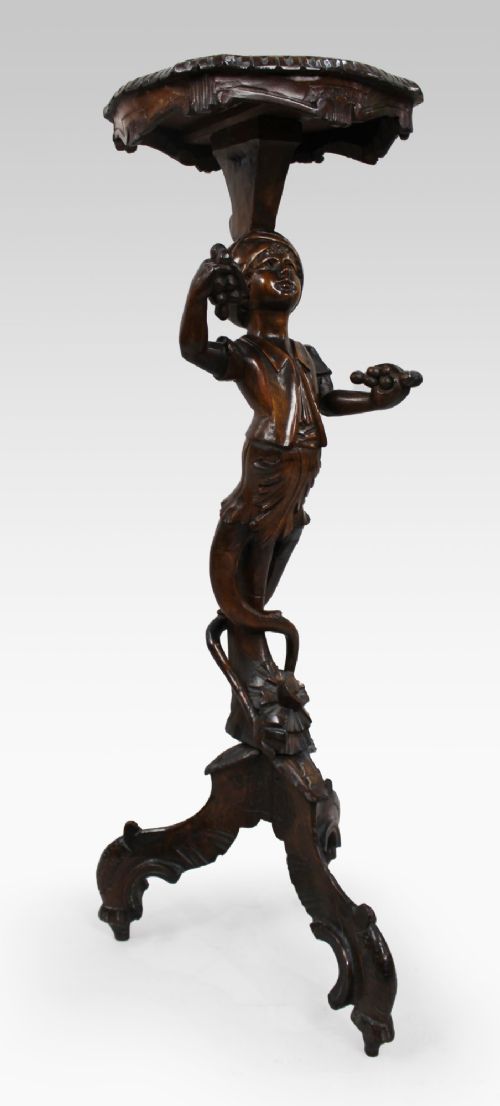
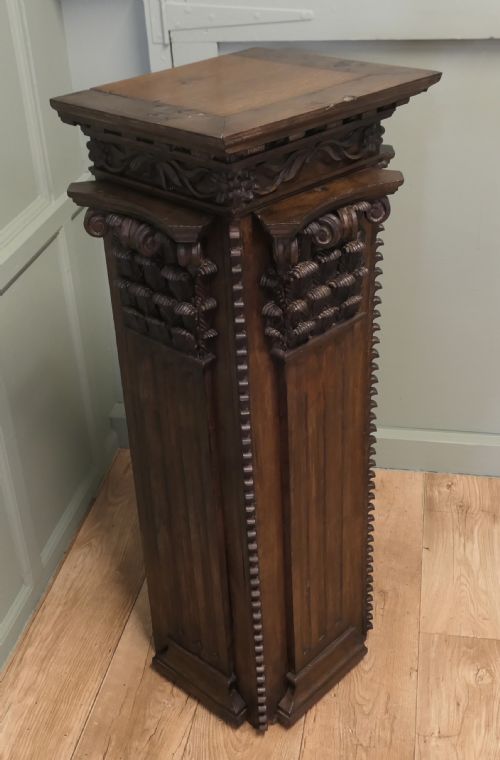
These carved pedestal plant stand pieces elevate urns and jardinieres, bringing height and structural interest to interior corners.
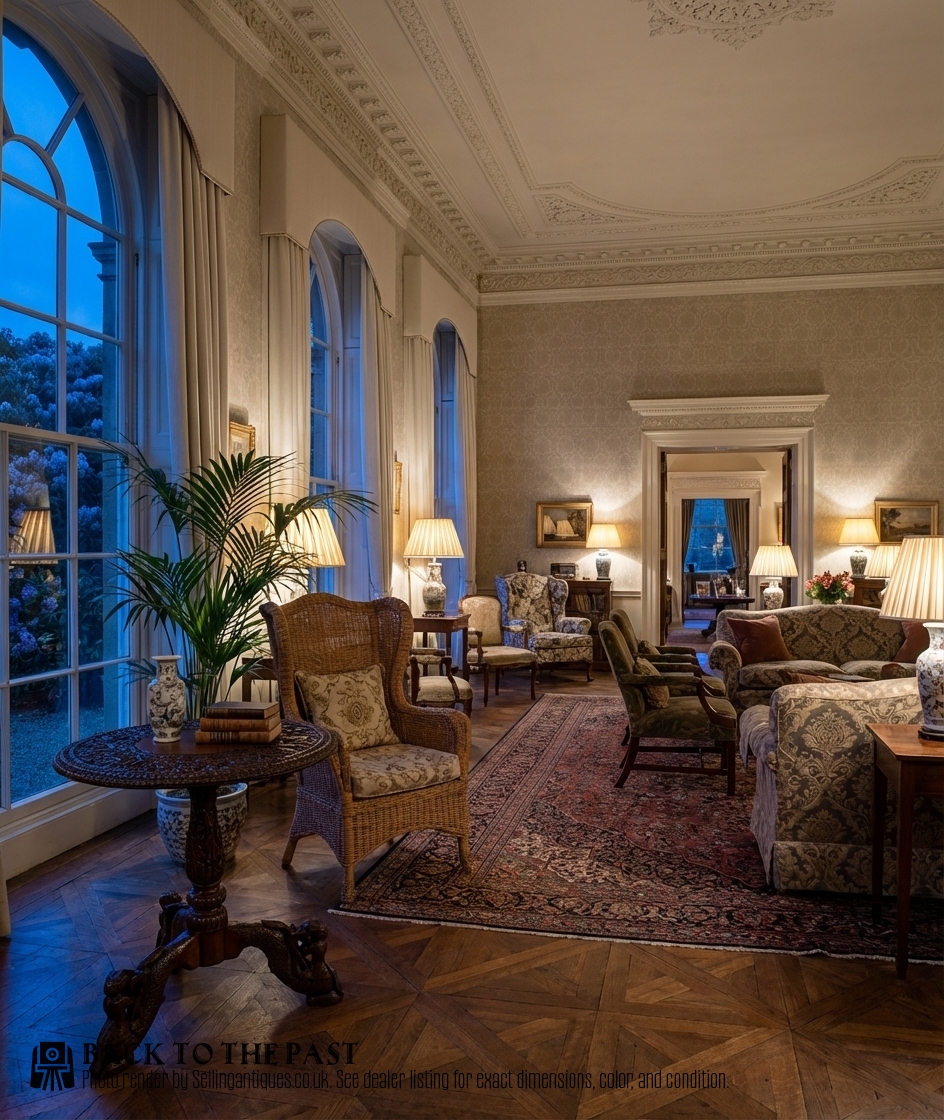
Carved Pedestal Plant Stand
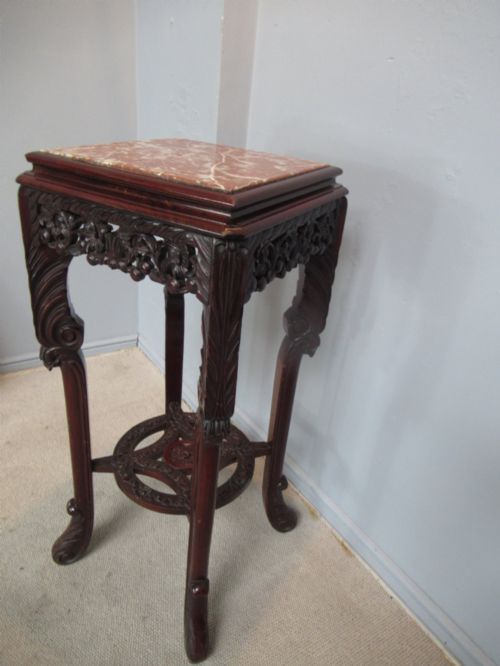
A carved pedestal plant stand serves primarily to display jardinieres, urns, and decorative objects at varying elevations within a room. These pieces appear frequently in Victorian and Edwardian iterations alongside earlier nineteenth-century examples.
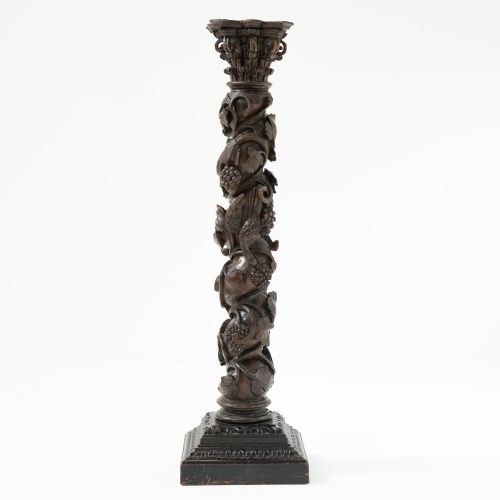
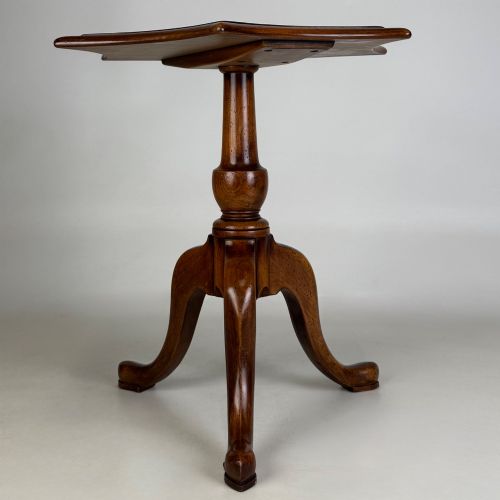
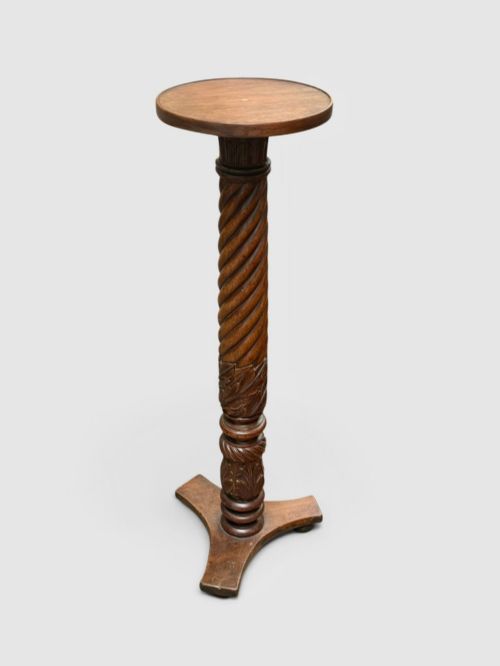
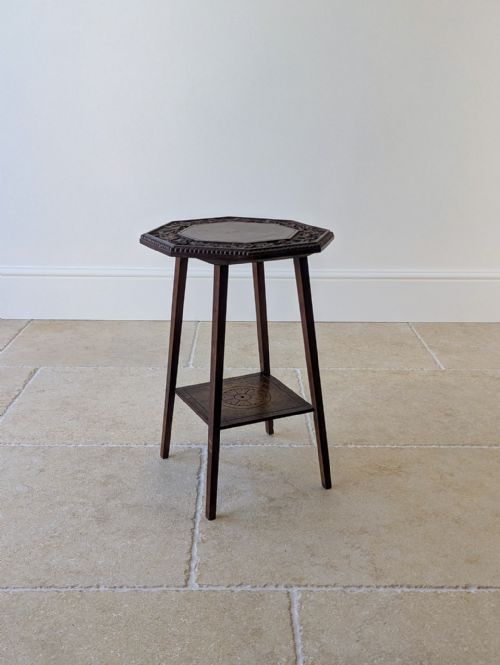
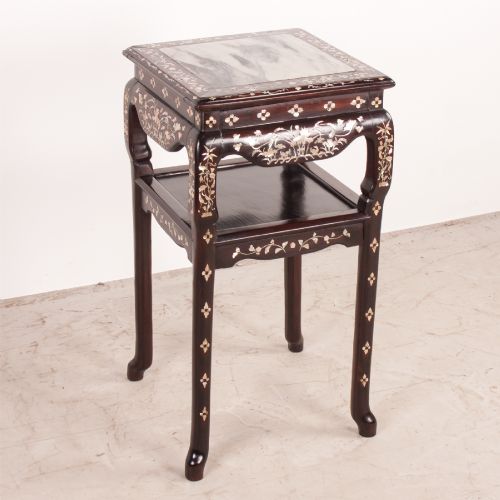
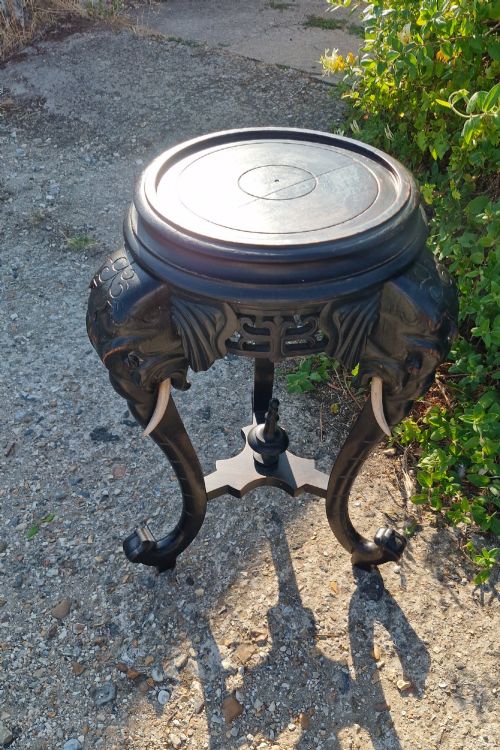
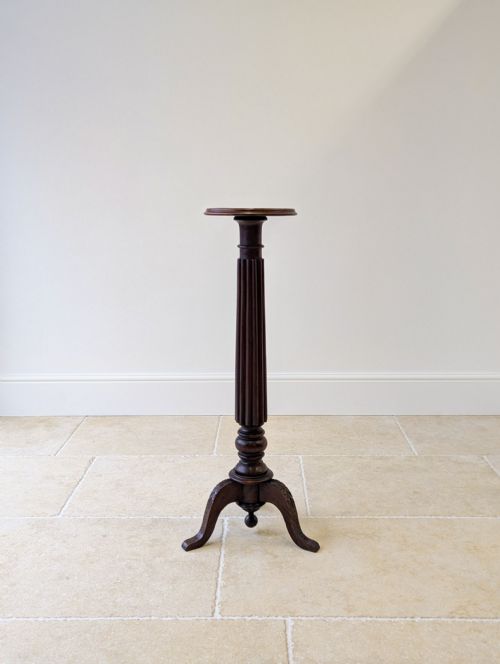
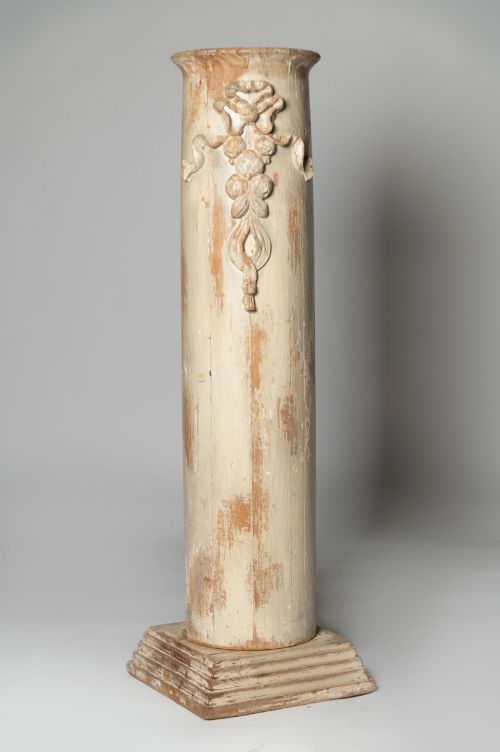
The material forms range from tall torcheres and columns to sturdy occasional tables and multi-tiered plant stands. Buyers encounter diverse regional expressions, including Chinese hardwood stands, French giltwood columns, and British mahogany pedestals.
Materials and Construction
Cabinetmakers utilised dense timbers such as mahogany, walnut, oak, and exotic hardwoods to support substantial upper weights without destabilising the column. Skilled hands shaped these woods through turning, joinery, and intricate manual relief carving.
Insets of polished marble provide durable, cool surfaces specifically suited for damp flowerpots and heavy vases. Selected examples incorporate decorative elements like mother of pearl inlay, painted finishes, and ebonised highlights to enhance the visual depth of the timber.
Listings feature 19th century and Edwardian periods utilising mahogany, marble, walnut, and oak across various plant stand forms.
Assessing Craftsmanship
Superior execution shows in the crispness and depth of the manual carving upon the timber shafts and capitals, where botanical or figural motifs remain sharp rather than softened. The stability of the central column and the precise alignment of tripod or square bases determine physical integrity.
Finer items integrate premium inset materials, such as unblemished marble slabs or detailed mother of pearl work, fitted flush into the surrounding woodwork. The transition between period styles, from restrained Georgian revival lines to ornate Victorian baroque details, reflects the ambition of the original workshop.
Liberty of London
The Carved Pedestal Plant Stand Glossary
- Torchere
- A tall, slender stand designed specifically to hold a light source or a decorative plant. These elevated supports often feature slender fluted columns and tripod bases.
- Solomonic
- A helical twist column shape resembling a spiral vine, common in seventeenth- and eighteenth-century furniture design. This twisting form creates dynamic movement along the vertical shaft.
- Jardiniere
- An ornamental pot or stand designed to hold growing plants or flowers indoors. They frequently require stable pedestals to support their combined weight.
- Ebonised
- Wood treated with a dark finish to imitate expensive ebony. This technique lends a formal, dramatic silhouette to nineteenth-century display pieces.
Carved Pedestal Plant Stand: Frequently Asked Questions
What is a carved pedestal plant stand used for?
These elevated supports display potted plants, heavy jardinieres, and sculptural urns in domestic interiors.
They lift greenery off the floor to catch natural light and create vertical focal points in empty room corners.
How do I distinguish Victorian from Edwardian stands?
Victorian pieces tend to feature heavy carved mahogany, walnut, and elaborate ornamentation like barley twists or deep relief work.
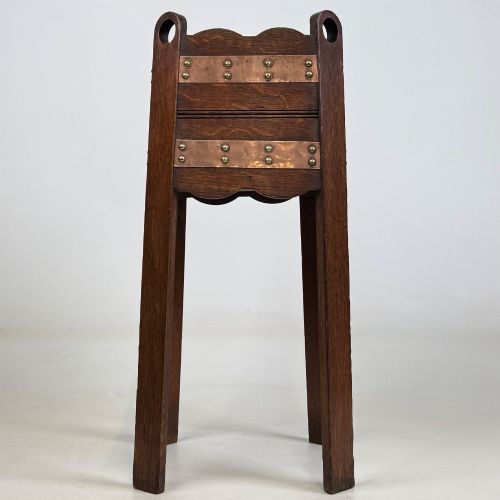
Edwardian examples often display lighter Arts and Crafts oak construction with simpler geometric lines and dual tiers.
Can these stands support heavy marble items?
Many period stands incorporate sturdy hardwood columns and inset marble tops specifically engineered to bear considerable weight.
Solid timber frames and heavy tripod bases provide the necessary counter-balance for stone vessels and large planters.
Where should I place a torchere stand?
Torcheres suit narrow hallway spaces, room perimeters, and dark corners needing vertical architectural height.
Their slender footprints allow them to fit into compact areas where standard tables would obstruct movement.