


Dark Wood Planter Stand
A dark wood planter stand brings structural height and rich grain to interiors, holding botanical displays across mahogany, oak, and rosewood forms.
Dark Wood Planter Stand
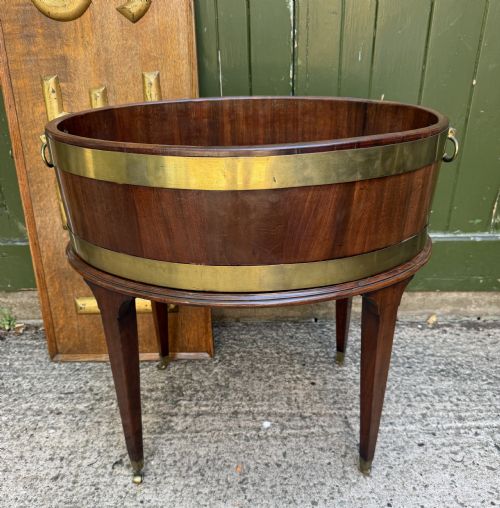
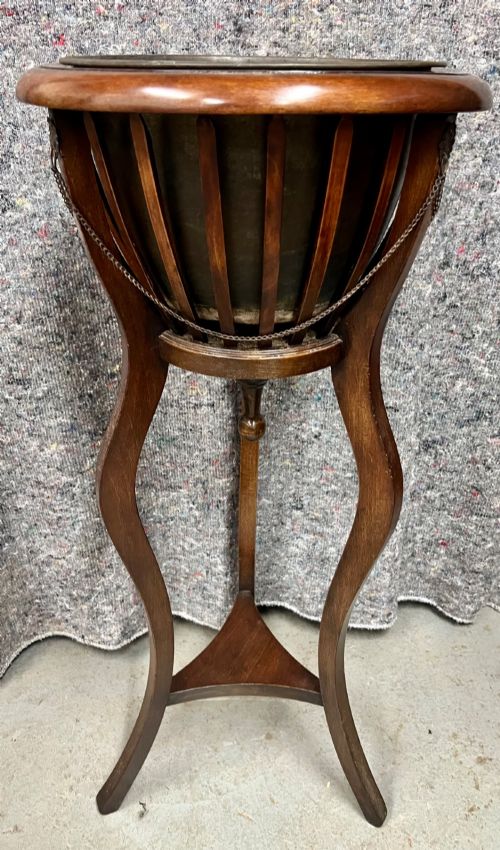
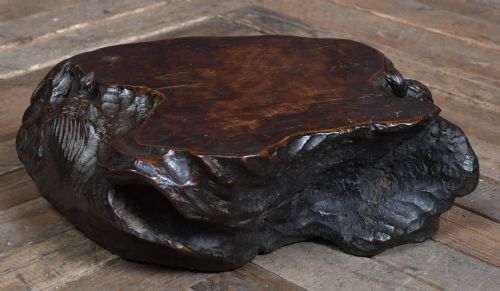
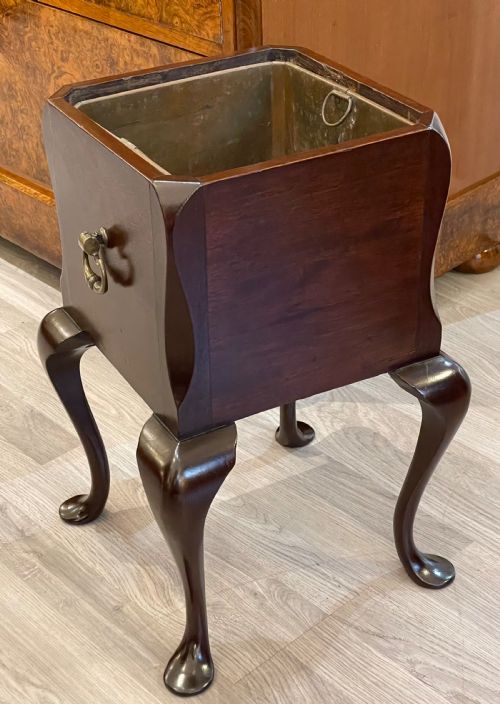
When searching for a dark wood planter stand, buyers encounter an array of elevated display pieces designed to hold foliage, jardinières, and decorative vessels. These pieces range from Georgian mahogany wine coolers on stands to Edwardian plant tables and carved Chinese export pedestals.
The versions most frequently met on this page include Victorian and Edwardian mahogany stands, alongside carved hardwood and ebonised pieces from the nineteenth century. Forms shift between tall torchères, barrel-shaped coopered oak vessels, and low bonsai display tables.
Origins span English cabinet-making traditions and imported styles from Japan and China. Buyers find both simple turned columns and elaborate carved multi-tiered stands suited to period and eclectic rooms alike.
How they were made
Makers shaped these stands primarily from dense timbers such as mahogany, rosewood, and oak, often turning or carving the wood to create slender columns and robust supports. Brass banding frequently reinforces coopered oak and mahogany wine coolers and barrels.
Construction techniques involve traditional joinery, lathe-turning for barley twist and torchère shafts, and intricate hand-carving seen on Chinese export and Japanese Meiji period examples. Ebonising and polished finishes highlight the deep grain of the hardwood.
Materials documented across the inventory include mahogany, rosewood, oak, marble, brass, and carved hardwood.
What varies in quality
The distinction between standard utility pieces and superior examples rests in the crispness of the timber carving and the integrity of the structural joins. Fine pieces exhibit well-figured mahogany or rosewood grain and balanced proportions that support heavy plantings safely.
The Dark Wood Planter Stand Glossary
- Jardiniere
- A large ornamental pot or stand for holding plants or flowers. It often sits upon its own dedicated pedestal or table.
- Torchere
- A tall, slender stand originally designed to hold a torch or candle, later adapted for plants and lamps. These elevate botanical displays to eye level.
- Coopered
- Constructed from wooden staves bound together with metal hoops, typical of barrels, casks, and certain wine coolers. This method provides robust water resistance.
- Cellarette
- A lockable container used for storing wine bottles, frequently raised on a stand and bound in brass. They share forms with antique planter stands.
Dark Wood Planter Stand: Frequently Asked Questions
How do I use a planter stand safely?
Place waterproof liners inside wooden vessels to protect the antique timber from moisture and soil damage. Ensure heavy plants are centred on sturdy pedestals to prevent tipping.
Position stands away from direct heat sources and sunlight to preserve the polished mahogany or rosewood finishes. Regular dusting keeps the carved details clear.
What is the difference between a jardiniere and a torchere?
A jardiniere is specifically designed to hold a plant container, often featuring a low, wide bowl or a coopered barrel structure. Many include metal liners for practical use.
A torchere is a tall, slender column meant to elevate a single vase, lamp, or plant. It prioritises vertical presence over a wide vessel.
How do I date a wooden plant stand?
Examine the timber species, joinery methods, and stylistic cues such as Georgian brass banding or Edwardian turned columns. Nineteenth-century pieces frequently show hand-cut joinery and dense, aged hardwoods.
Consider secondary woods and the style of carving, noting whether the piece reflects Chinese export traditions or Victorian cabinet-making.
Can these stands support heavy pots?
Solid hardwood and brass-bound coopered stands are structurally robust enough to bear significant weight when the joints remain tight. Heavier planters require stable four-legged bases rather than slender single-column torchères.
Inspect the stability of the feet and the central shaft before placing heavy ceramic or stone vessels on top.