




Carved Oak Vanity
These carved oak vanity pieces bring together solid timber and historic craftsmanship to furnish a bedroom with functional antique character.
Carved Oak Vanity
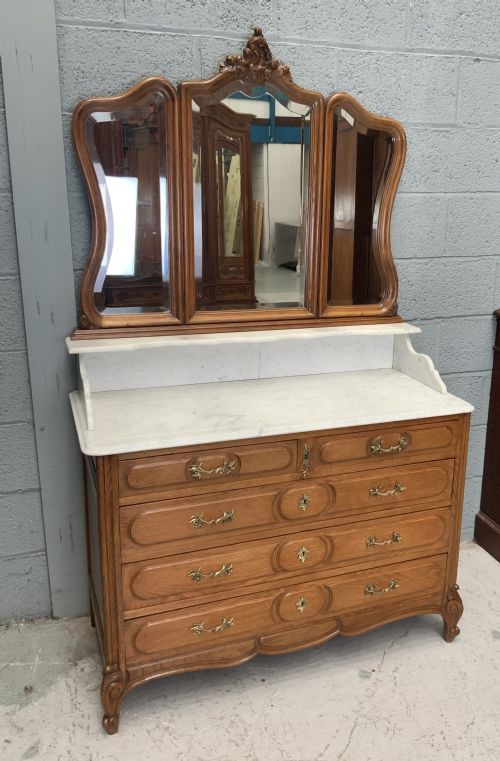
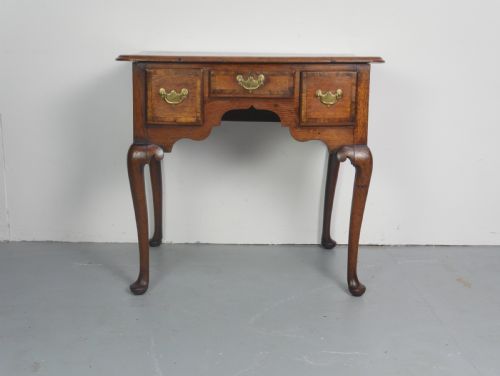
A carved oak vanity encompasses dressing tables, lowboys, washstands, and adjustable mirrors dating from the eighteenth century through the art deco period. Buyers investigating a carved oak vanity will encounter pieces ranging from Georgian lowboys to Edwardian dressing chests and French provincial washstands.
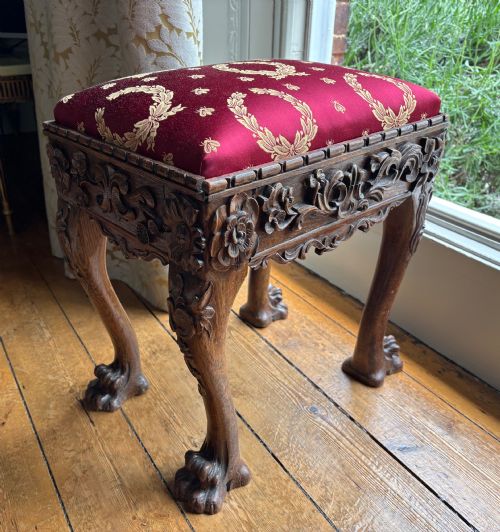
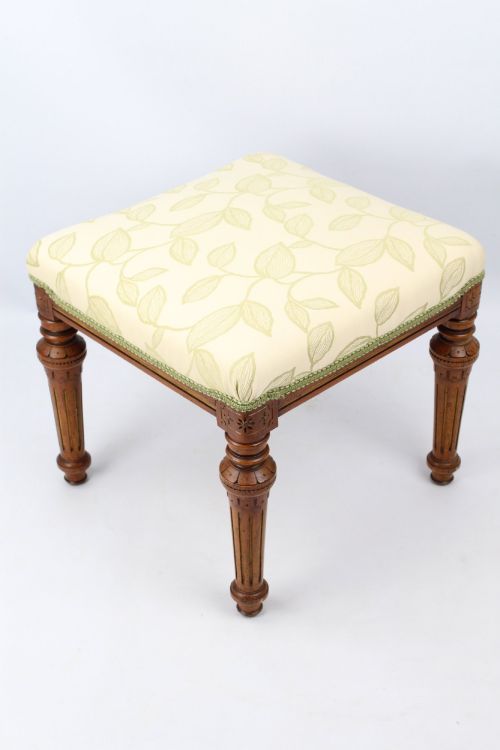
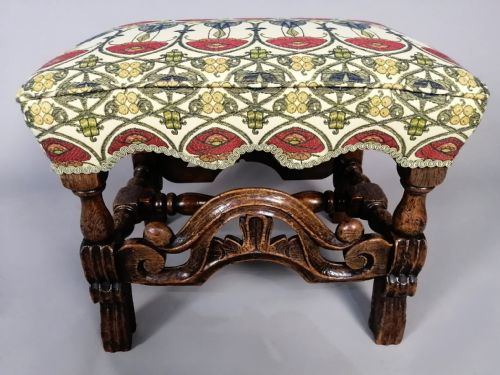
The domestic dressing furniture here includes associated seating such as carved stools with fabric or damask upholstery, alongside wall mirrors and shaving stands. Solid oak frames define the group, occasionally joined by walnut or parcel gilt elements.
The selection leans heavily toward nineteenth-century revival styles and twentieth-century arts and crafts production alongside earlier eighteenth-century forms. Each piece serves the traditional bedroom function of personal grooming or ablution while displaying distinct period ornamentation.
How they were made
Makers utilised solid oak timber, sometimes described as blonde or Ipswich oak, constructing frames with traditional joinery. Decoration relied on carving, spiral turning, and marquetry inlay rather than applied veneers.
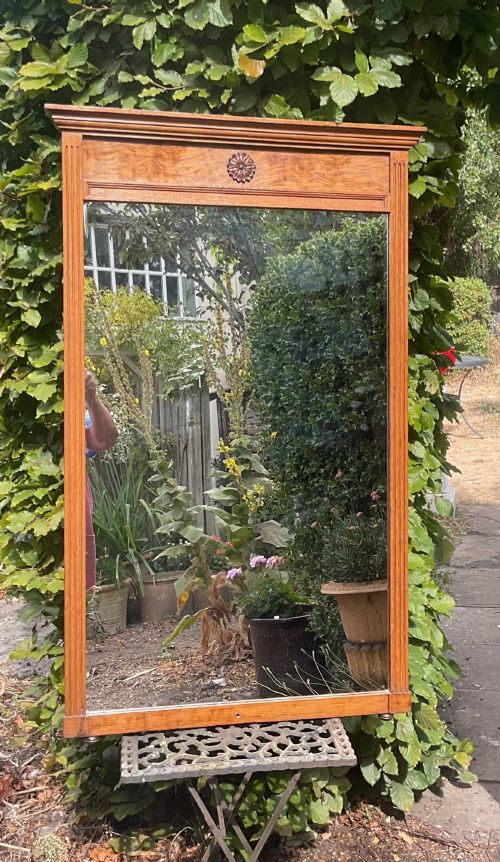
Mirrors incorporated bevelled or plain glass plates within heavy timber frames, frequently featuring adjustable pivots or wall-mounting brackets. Secondary materials such as brass fittings, marble tops, and red damask upholstery completed the functional objects.
Materials recorded across the inventory include solid oak, walnut, brass, glass, marble, and fabric upholstery.
What varies in quality
The depth and crispness of the hand carving distinguish standard production from superior examples, particularly in revival pieces where ornament can range from shallow stamping to deeply undercut foliage. Timber selection also matters, as figured grain and solid framing elevate a dressing table or lowboy above plain utility pieces.
Original hardware, intact mirror plates, and surviving maker labels or stamps separate untouched survivors from heavily restored or altered examples. The integration of auxiliary components like matching stools or marble washstand tops influences the overall integrity of the piece.
Heals·Shapland and Petter·Arnott and Co Dublin
The Carved Oak Vanity Glossary
- Lowboy
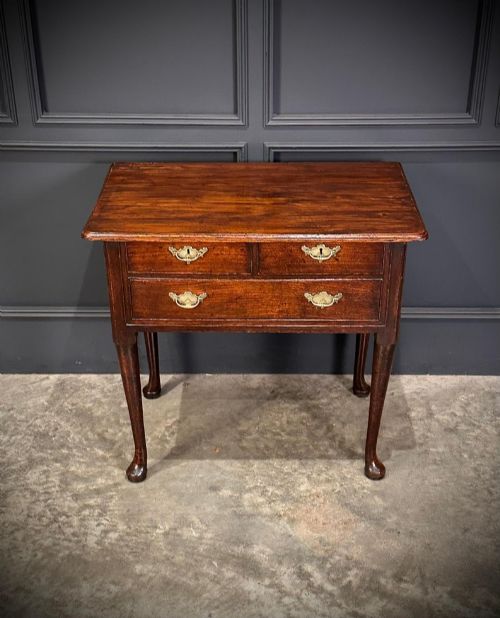
- A small oak table with drawers, commonly used as a dressing table in the eighteenth century. These pieces usually stand on four legs and predate the full-size Victorian dressing chest.
- Shaving stand
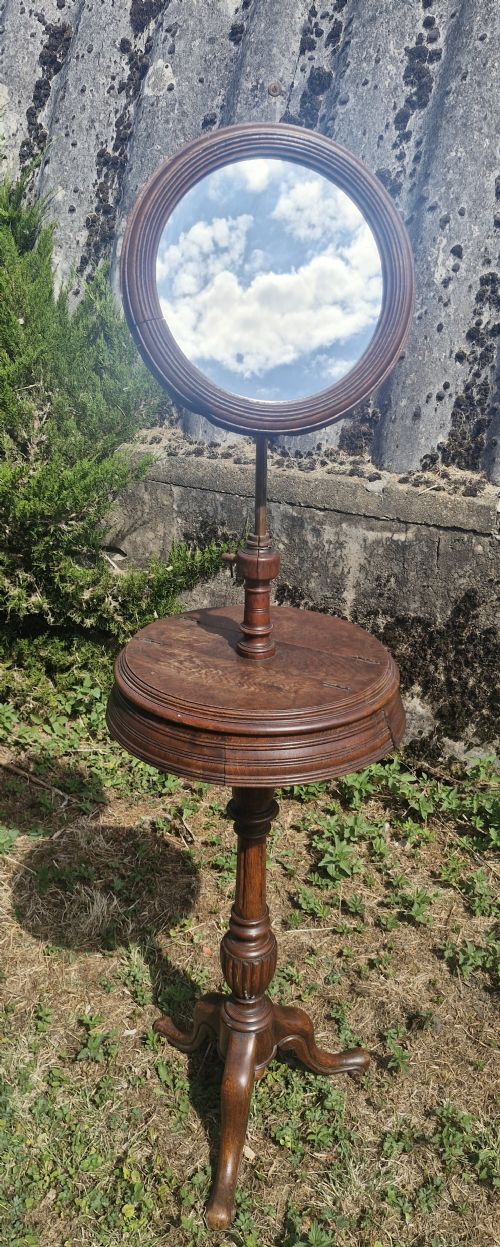
- A specialist piece of bedroom furniture featuring an adjustable mirror and a small surface for washing and shaving equipment. These items date primarily to the Victorian era.
- Washstand
- A piece designed to hold a basin and jug for morning ablutions, frequently constructed in oak with marble tops. They appear in French and British provincial styles from the late nineteenth and early twentieth centuries.
- Toilet mirror
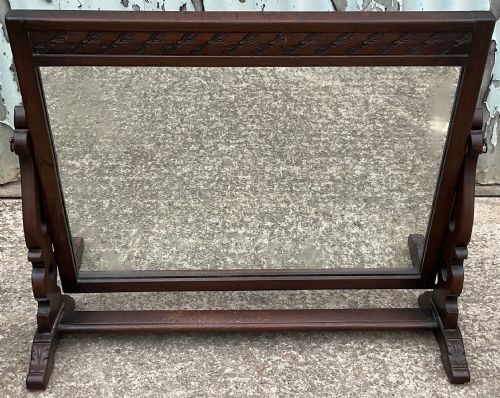
- A smaller mirror mounted on a frame or drawers designed to sit atop a chest of drawers or dressing table. Examples range from simple nineteenth-century frames to elaborate art deco designs.
Carved Oak Vanity: Frequently Asked Questions
How do I date a carved oak vanity?
Dating relies on construction methods, timber choice, and stylistic cues such as Georgian cabriole legs or art deco geometric lines. Secondary wood use and hardware also provide clues to the decade of manufacture.
Examining the backboards and drawer linings helps confirm whether the piece belongs to the eighteenth century or a later revival period.
Are these dressing tables sturdy enough for daily use?
Solid oak construction gives these dressing tables and lowboys considerable durability for everyday domestic routines. Traditional joinery ensures the frames remain stable under normal bedroom loads.
Care should be taken with moving parts such as adjustable mirror pivots and antique drawer runners to preserve their longevity.
What is the difference between a lowboy and a dressing table?
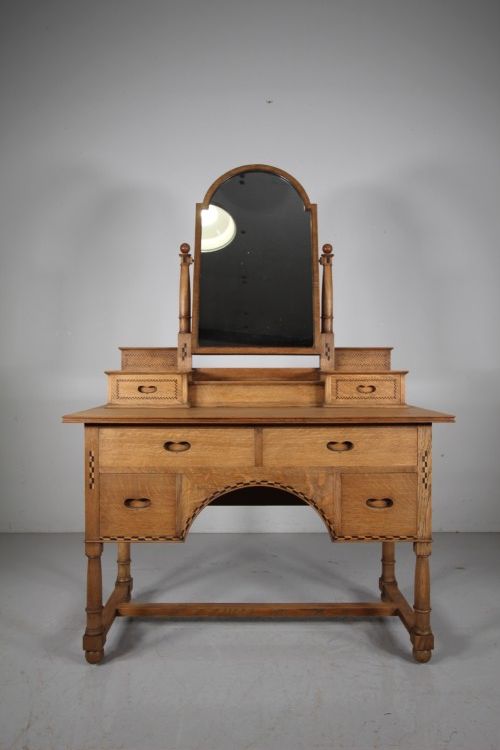
A lowboy is a compact seventeenth or eighteenth-century table with drawers, originally serving multiple domestic purposes including dressing. Later dressing tables incorporated fixed or adjustable mirrors directly into the furniture.
Lowboys tend to offer cleaner lines without attached superstructure, whereas dedicated dressing tables developed drawers and mirror mounts specifically for personal grooming.
How should I care for antique oak furniture?
Maintaining oak surfaces requires avoiding direct sunlight and excessive humidity fluctuations that can split the timber. Regular dusting with a soft cloth preserves the natural finish without chemical buildup.
Wax polishing should be applied sparingly to nourish the wood and maintain the historic patina.