


Carved French Vanity Desk
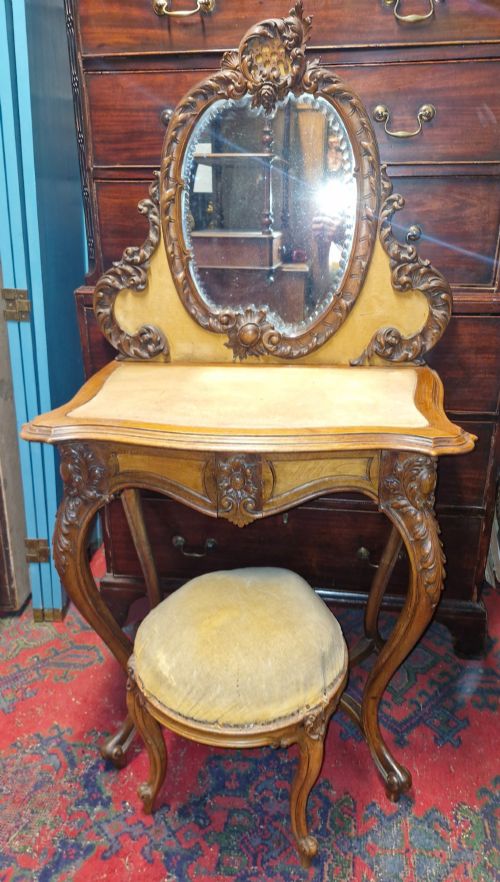
A carved french vanity desk brings provincial elegance to a dressing room, combining traditional woodworking with practical surface space for daily use.
Carved French Vanity Desk
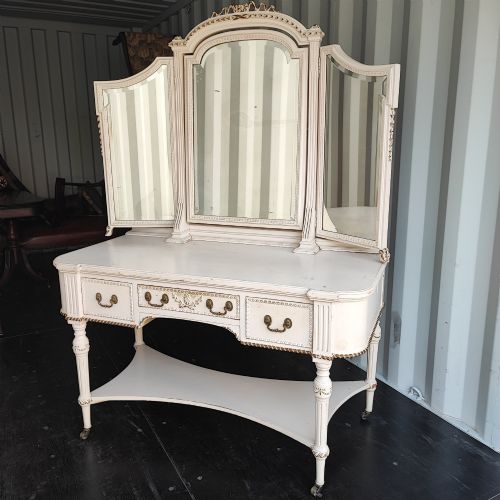
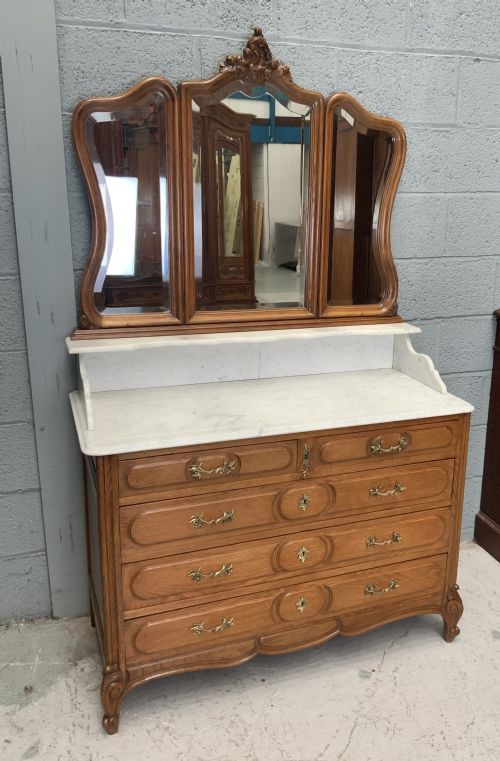
A carved french vanity desk encompasses dressing tables, desks, and washstands originating from continental traditions and later revival periods.
The pieces appearing here span from the eighteenth century through to the early twentieth century, taking in Victorian interpretations and Belle Epoque designs.
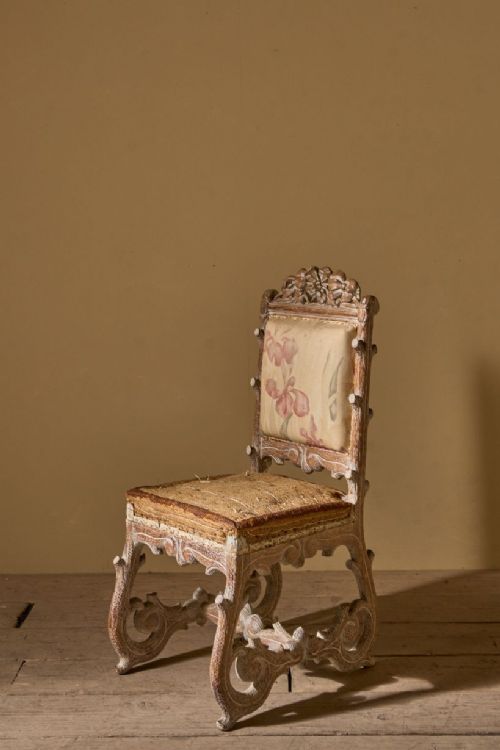
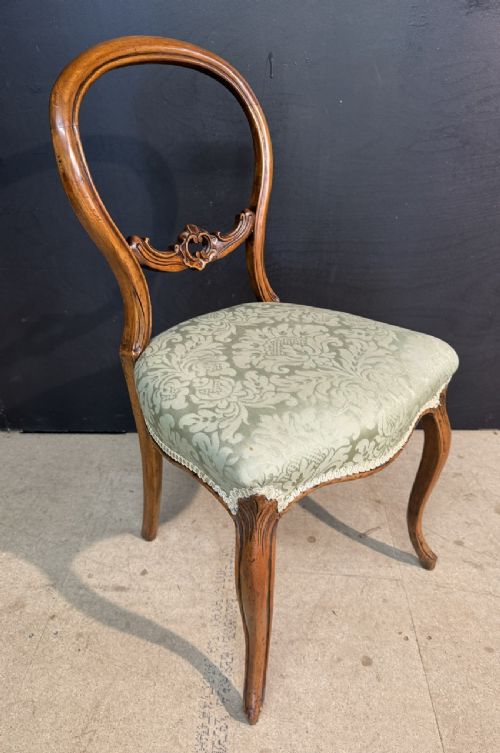
Buyers encounter forms decorated with floral motifs, cabriole legs, and associated seating such as side chairs and boudoir chairs.
Materials and construction methods
Carpenters utilised timbers such as oak, walnut, and mahogany, often pairing solid frames with burr veneer panels.
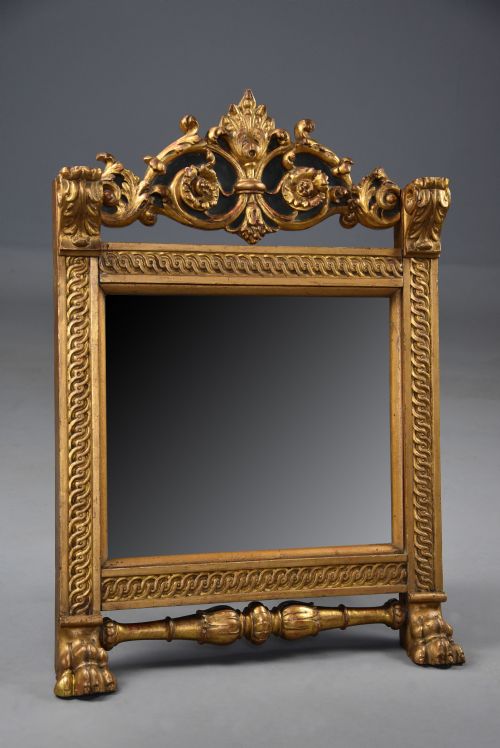
Surface ornamentation relies on gesso and giltwood applications alongside original paint finishes and glass mirror plates.
Brass hardware and mounts complete the structural assembly of these tables and desks.
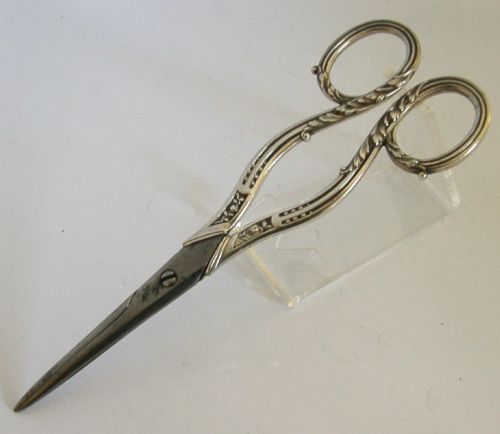
Scissors appeared in the inventory alongside desks, proving that French vanity maintenance historically required sharp cutting implements.
Judging quality in construction and ornament
Depth and crispness of hand carving distinguish superior examples from simpler mass-produced alternatives.
The integration of secondary timbers and the preservation of original paint or gilt surfaces determine the integrity of a piece.
Proportion and the balance between decorative elements and functional workspace dictate the overall success of the design.
The Carved French Vanity Desk Glossary
- Cabriole leg
- A furniture leg that curves outward and tapers inward to a pad or scroll foot, mimicking animal limbs. This form appears frequently on seating and tables.
- Giltwood
- Timber that has been coated with fine gold leaf or powder over a preparation layer. It provides a reflective, ornamental finish on mirrors and frames.
- Bonheur du jour
- A small, light ladies writing desk featuring a tiered superstructure with shelves or drawers above the main surface. Originating in France, it serves dual writing and dressing functions.
- Gesso
- A plaster mixture applied to wood surfaces as a base for carving and gilding. It allows for intricate, sharp relief ornamentation.
Carved French Vanity Desk: Frequently Asked Questions
Where should I place a vanity desk?
These pieces suit bedrooms and dressing rooms where natural light falls across the working surface. They also function effectively as compact writing desks in reception rooms.
Ensure adequate clearance for accompanying chairs or stools so the piece remains comfortable for daily use.
How do I care for the wooden surfaces?
Maintain the timber by dusting regularly with a dry, soft cloth and avoiding silicone-based polishes. Wax finishes benefit from occasional treatment using traditional beeswax.
Keep desks away from direct heat sources and strong sunlight to prevent the timber and veneers from drying out.
What is the difference between a vanity desk and a dressing table?
A vanity desk often emphasises a dual purpose, offering a writing surface alongside a mirror or compartments for cosmetics. Traditional dressing tables focus primarily on personal grooming.
Both forms frequently share similar cabriole legs and decorative carving styles.
How can I identify the period of a desk?
Examine the construction methods, tool marks on secondary timbers, and the style of the hardware and carving. Revival periods often emulate earlier eighteenth-century motifs while retaining nineteenth-century structural traits.
Comparing the timber species and finish with known period examples clarifies the date of manufacture.