


Carved Oak Two Tier Cabinet
A carved oak two tier cabinet offers sturdy storage built from enduring timber, bringing timeless utility and rich regional character to any room.
Carved Oak Two Tier Cabinet
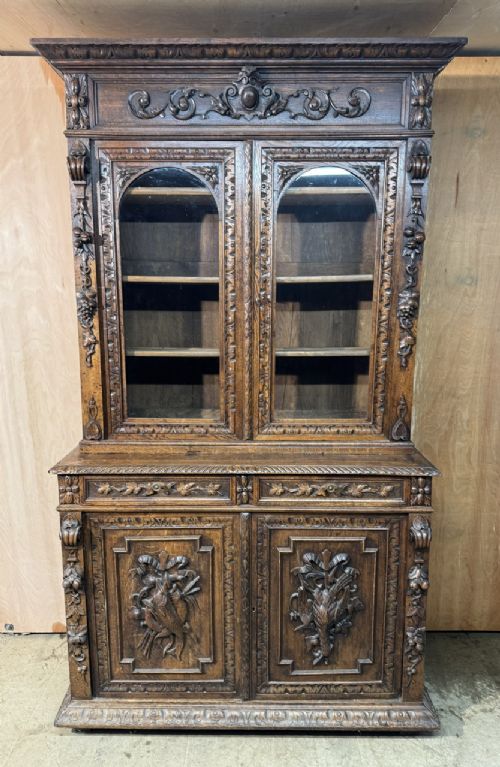
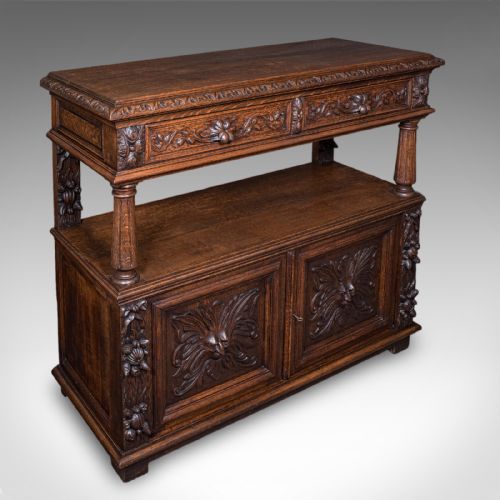
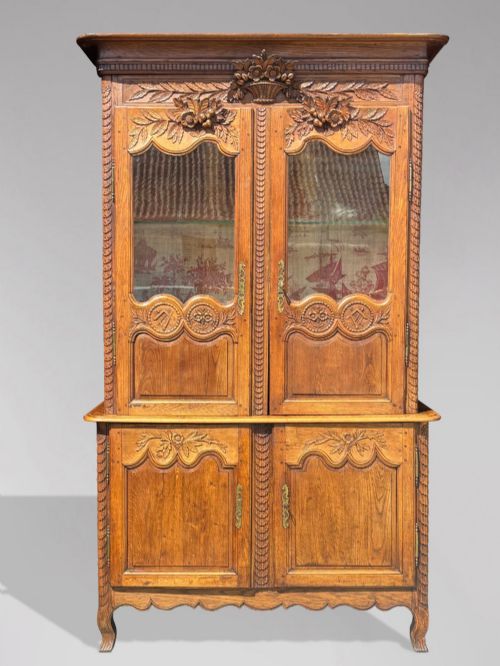
A carved oak two tier cabinet comprises substantial storage forms like the traditional Welsh deuddarn, buffet de corps, and court cupboards spanning from the sixteenth century through the Victorian era. These pieces frequently emerge in regional styles such as French provincial, Gothic Revival, and Welsh country.
The selections on this page encompass multi-tiered case furniture divided into distinct upper and lower sections, often utilised for display or provision storage. Buyers encounter both vernacular British country pieces and ornate continental examples carved with deep relief panels.
Materials and Construction
Construction relies primarily on solid oak, frequently paired with secondary timbers and enhanced by pollard oak veneers on select nineteenth-century iterations. Joinery traditions involve pegged mortise and tenon frames supporting heavy panelled doors and tiered structures.
Hardware elements incorporate brass and iron hinges, escutcheons, and drop handles that secure heavy panelled doors. Glass panes appear in upper library and display sections of later Victorian interpretations.
Several heavy oak cupboards hide fierce Green Man carvings, quietly watching over the dining room from the woodwork.
Assessing Quality
Quality rests in the crispness and depth of the hand-carved ornamentation, ranging from simple geometric strapwork to elaborate figural Green Man motifs and hunting scenes. Superior examples display tight, stable grain in the timber and harmonious proportions between the upper and lower tiers.
Originality of surface finish and hardware significantly elevates a piece, distinguishing untouched vernacular items from heavily restored or later constructed examples. The integration of panelled doors and the integrity of internal shelving reflect the maker's original skill.
The Carved Oak Two Tier Cabinet Glossary
- Deuddarn
- A traditional Welsh two-tier cupboard featuring an enclosed upper section supported by turned posts above a base cabinet. This form developed for domestic storage in rural households.
- Buffet de Corps
- A large two-body continental sideboard or cupboard featuring a substantial upper tier set upon a deeper lower cabinet. These imposing pieces often display elaborate regional carving.
- Court Cupboard
- An antique low two-tier storage cupboard originating in Britain, traditionally used for displaying plate or storing provisions. The upper stage is frequently recessed.
- Pollard Oak
- Timber taken from trees that have been pollarded, producing a distinctive clustered grain pattern with small knots. Cabinet makers utilised this decorative wood for superior Victorian facades.
- Green Man
- A sculptural architectural ornament depicting a human face disgorging foliage or vines. This motif appears frequently in nineteenth-century Gothic Revival woodcarving.
Carved Oak Two Tier Cabinet: Frequently Asked Questions
What is a deuddarn?
A deuddarn is a traditional Welsh two-tier cupboard featuring an enclosed upper cabinet supported by turned columns above a lower base.
These pieces were constructed in rural workshops to provide secure domestic storage for household linens and provisions.
How do I care for antique oak?
Antique oak benefits from regular dusting with a dry, soft cloth and occasional treatment with quality beeswax to nourish the timber.
Keep these cabinets away from direct heat sources and strong sunlight to prevent the timber from drying out and splitting.
Where were buffet de corps made?
Buffet de corps pieces originate from continental Europe, with notable regional examples stemming from French provinces.
Local artisans utilised native oak to build these imposing two-tier storage units for dining rooms and large kitchens.
How do I date an oak cabinet?
Dating relies on examining the construction methods, tool marks, joinery style, and decorative motifs present on the piece.
Earlier pieces from the sixteenth and seventeenth centuries display pegged frame and panel construction, while Victorian iterations incorporate machine-sawn elements and revival styles.