
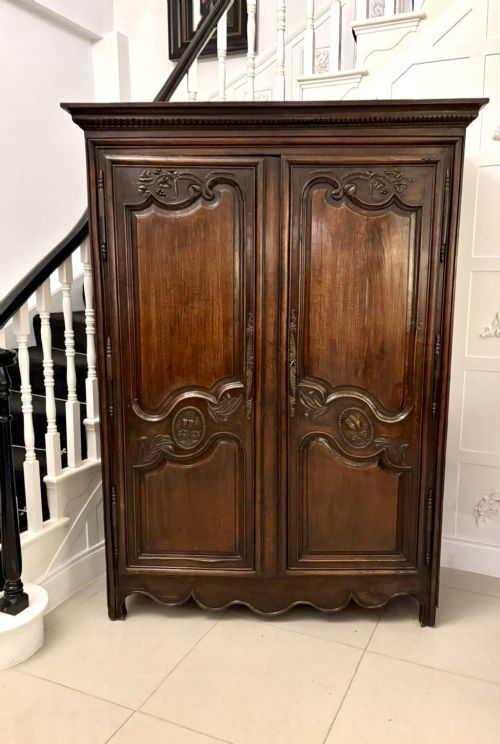
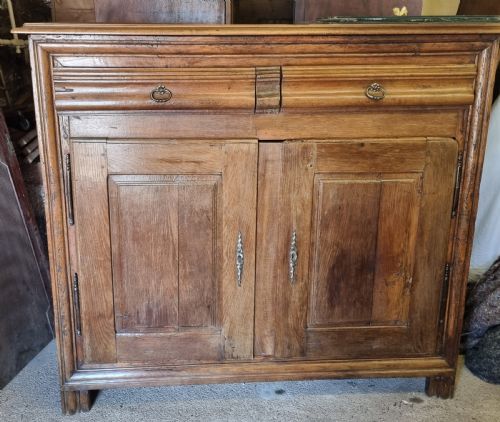


French Oak Armoire Cabinet
A french oak armoire cabinet brings solid regional character and substantial storage into a room.
French Oak Armoire Cabinet
A french oak armoire cabinet serves as a heavy timber storage piece originating from provincial workshops across France. Buyers searching this phrase encounter tall wardrobes, larder cupboards, and regional storage forms dating from the sixteenth century onwards.
Regional variations include mountain cupboards from the French provinces and enclosed bed fronts adapted from Brittany. These items reflect domestic life in rural France, where sturdy wooden storage held provisions, linen, and household goods.
What varies in quality
Quality rests upon the integrity of the timber and the depth of regional carving. Finer examples display crisp hand-carved details that integrate naturally into the architectural framework of the doors and cornice.
Construction methods determine longevity, separating workshop pieces joined with pegged mortise and tenon joints from later or more utilitarian items. Original hardware, undisturbed surfaces, and well-balanced proportions distinguish the best examples.
Listings span periods from the sixteenth to the twentieth century, utilising oak, chestnut, walnut, iron, and glass across French provincial styles.
The French Oak Armoire Cabinet Glossary
- Buffet de Corps
- A large two-tier sideboard or cupboard consisting of a lower buffet section with an upper cabinet. This form provided substantial storage for dining and kitchen provisions in French homes.
- Lit-clos
- An enclosed bed structure from Brittany featuring wooden panels and doors. Portions of these structures were sometimes adapted into cabinets or cupboards.
- Vitrine
- A glass-fronted cabinet designed for the display of ceramics, glassware, or valuables. These pieces often sit upon a lower commode or base.
- Commode
- A low chest of drawers or cabinet piece. In regional French furniture, it frequently pairs with an upper vitrine or display section.
French Oak Armoire Cabinet: Frequently Asked Questions
How do I date an old armoire?
Dating relies on construction methods, timber preparation, and style markers. Hand-sawn boards, pegged joints, and regional ironwork point to earlier centuries.
Later nineteenth-century pieces often show more uniform machine assistance while retaining traditional forms.
Are these cabinets difficult to move?
These pieces are heavy due to solid oak construction and iron hardware. Many eighteenth and nineteenth-century armoires were designed to dismantle into sections for transport.
Checking how the cornice, base, and sides separate makes moving large items manageable.
What is a larder cupboard used for?
A larder cupboard served as a food storage unit in traditional French kitchens. Their ventilated panels and deep shelves kept provisions cool and organised.
Today, they function well as kitchen pantries or linen storage.
How do I care for antique oak?
Antique oak benefits from stable room humidity and protection from direct sunlight. Applying natural beeswax preserves the dry, historic finish of the timber.
Avoid modern liquid polishes that build up on the surface over time.