


French Country Dresser Cabinet
A french country dresser cabinet brings provincial warmth and substantial storage to a room, spanning periods from eighteenth century oak to nineteenth century pine.
French Country Dresser Cabinet
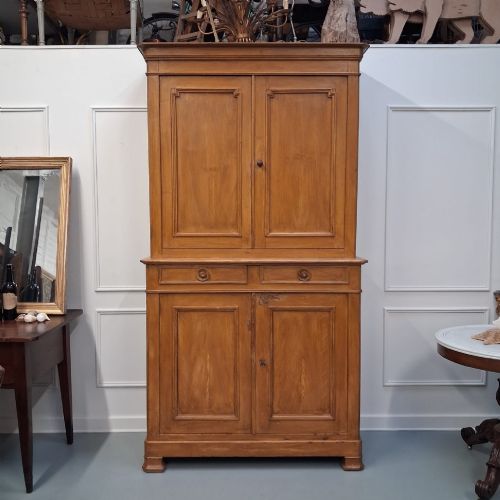
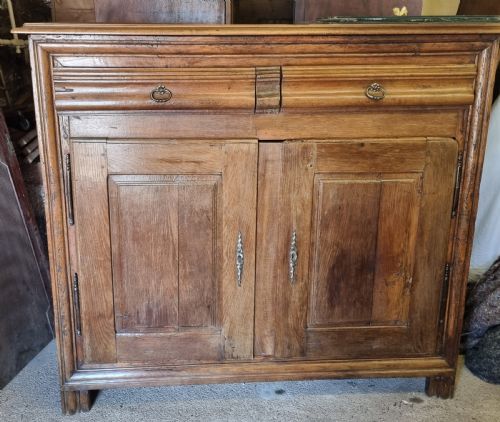
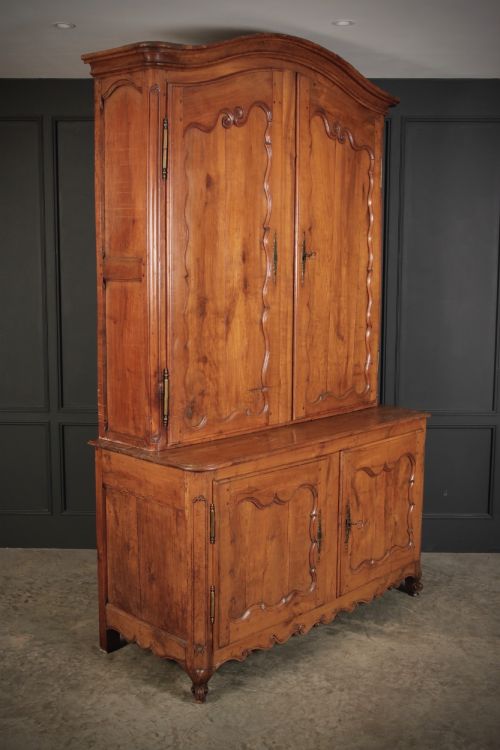
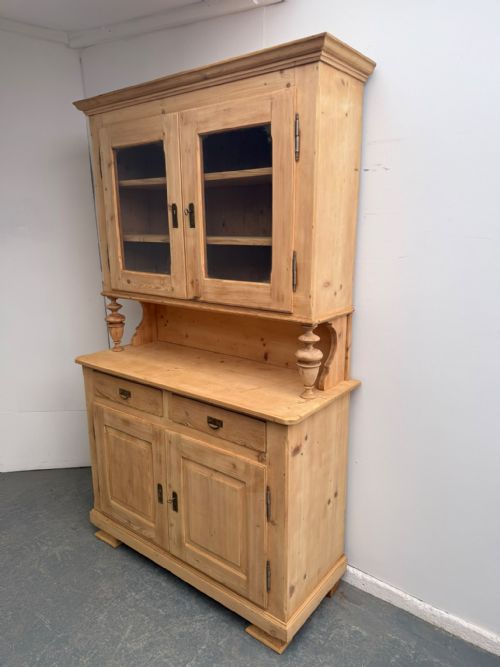
When you search for a french country dresser cabinet, you encounter a variety of regional storage forms designed for domestic life. These pieces include large two-part cupboards, buffet vaisseliers, commodes, and kitchen dresser bases originating from provincial France.
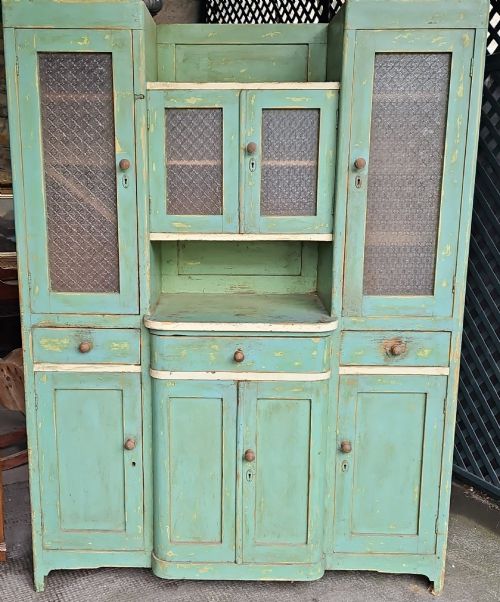
The selection ranges from early eighteenth century walnut and cherry examples to nineteenth century painted pine and oak pieces. You will frequently find tall housekeepers cupboards, enfilades, and glazed dressers that reflect utilitarian rural craftsmanship.
Materials and construction
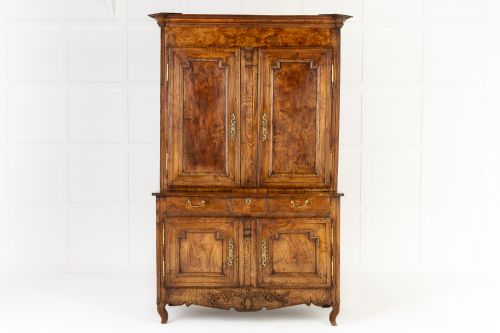
Local timbers dictate the character of these cabinets, utilising solid oak, walnut, cherry, ash, and elm alongside softer woods like pine and chestnut. Carpenters employed traditional panelled construction, pegged joints, and hand-carved details suited to regional workshops.
Many surfaces retain original paint finishes, wax layers, or natural patinated grain developed through centuries of domestic use. Iron and brass hardware, from hinge plates to drop handles, secure the heavy doors and drawers.
Several cupboards retain traces of flour and old baking smells hidden deep within their pegged oak drawers.
Assessing quality and proportion
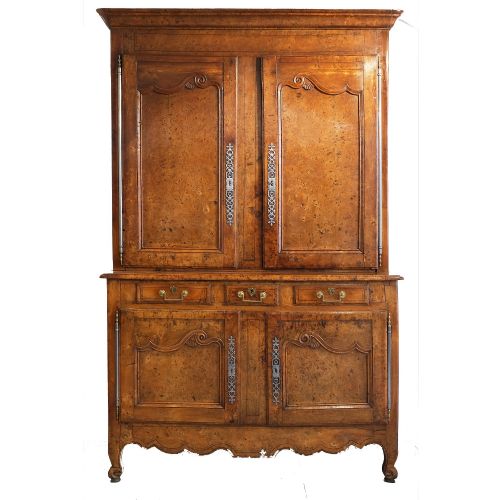
Superior examples display harmonious proportions, crisp carving on oak or walnut panels, and timber selection that showcases rich burr elm or figured cherry grain. The integration of original brass or iron hardware without later replacements elevates the standing of a piece.
Simpler pine or painted items rely on the integrity of their structural timbers, original surface treatments, and untouched interior shelving. Excessive restoration or poorly matched replacement wood diminishes the integrity of provincial furniture.
The French Country Dresser Cabinet Glossary
- Buffet à deux corps
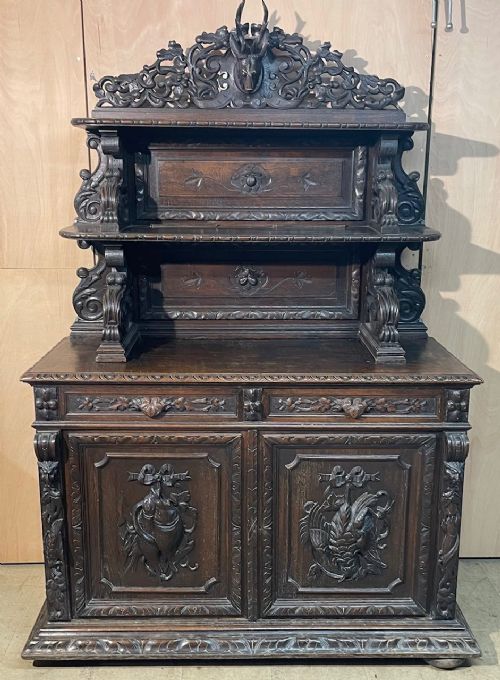
- A large two-part cupboard featuring a smaller upper cabinet resting on a deeper sideboard base. This monumental form provided ample storage for household linens and tableware in provincial homes.
- Commode
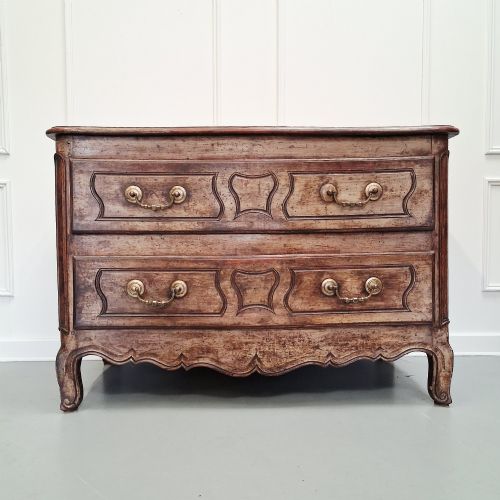
- A low chest of drawers, often standing on short legs or feet, popular in eighteenth and nineteenth century French interiors. These pieces typically feature walnut, cherry, or painted wood construction.
- Enfilade
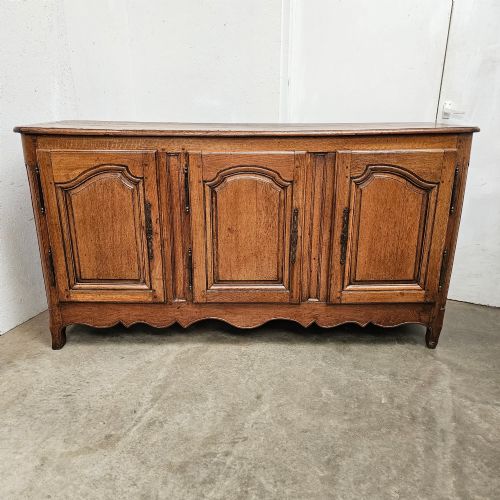
- A long sideboard or buffet fitted with multiple doors in a continuous line. They originated in grander dining spaces to facilitate the serving of meals.
- Vaisseliere
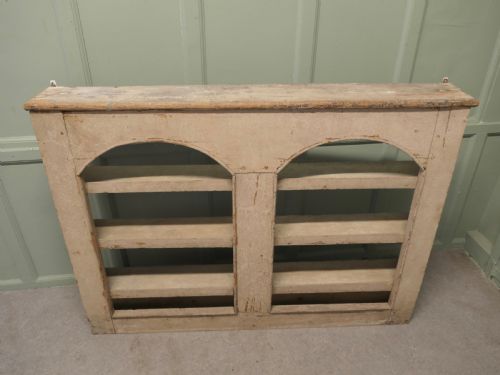
- A traditional dresser or open-shelved cupboard designed for displaying ceramics and kitchenware. The lower section usually contains enclosed storage behind wooden doors.
- Provincial
- Describing furniture made in the French regions outside Paris. These items combine local timber traditions with simplified interpretations of court styles.
French Country Dresser Cabinet: Frequently Asked Questions
How do I care for antique pine furniture?
Maintain antique pine cabinets by avoiding direct sunlight and sudden temperature shifts that dry out the timber. Regular dusting with a dry cloth and occasional application of appropriate wax preserves the surface.
Keep humidity levels stable in the room to prevent warping in large doors and panelled sides.
Are these cabinets made of solid wood?
Provincial furniture from these periods relies on solid regional timbers like oak, walnut, cherry, ash, elm, and pine. Carpenters built them to withstand heavy daily use without modern manufactured laminates.
Thick boards form the tops, sides, and panelled doors, often showing hand-planed tool marks.
How can I tell an eighteenth century piece from a nineteenth century one?
Eighteenth century examples frequently employ denser hardwoods like walnut and cherry with hand-carved panels and pegged joinery. They display natural patination accrued over extended periods of domestic service.
Nineteenth century pieces often incorporate pine, chestnut, or painted finishes, sometimes utilising machine-sawn elements alongside traditional hand construction.
Where were these dressers originally used?
These cabinets belonged in French country kitchens, sculleries, and dining parlours for storing provisions, crockery, and linens. Larger houses used the upper display shelves for pewter and pottery.
They formed the central functional storage hub of the rural household.