



White Painted French Dresser
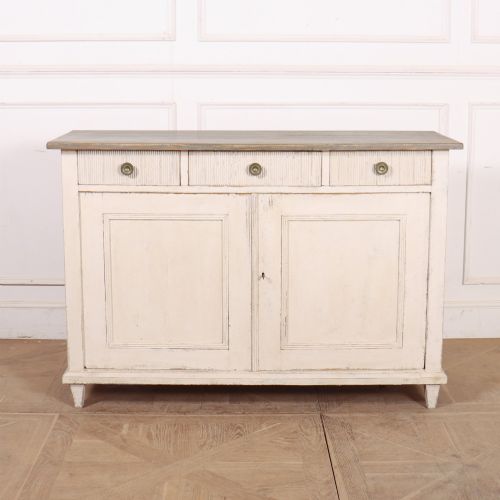
A white painted french dresser brings provincial charm and historic utility into a room.
White Painted French Dresser
When you search for a white painted french dresser, you encounter pieces that echo provincial French domestic life and classic European styling. These items combine storage utility with decorative painted surfaces designed to brighten a space.
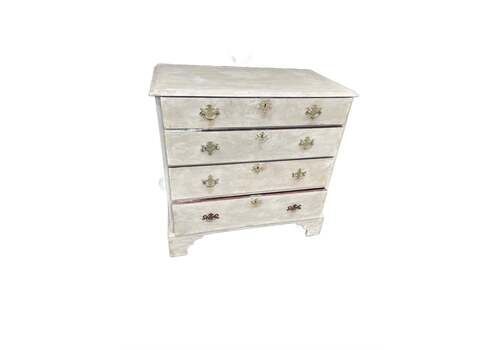
The selections available range from 18th century commodes and buffets to later 19th and 20th century iterations reflecting regional tastes. You are most likely to meet painted chests of drawers, commodes, and cabinets displaying carved details and serpentine shapes.
Materials and construction methods
These items are constructed primarily from timber such as oak and pine, providing a sturdy carcass for daily use. Surfaces receive layers of paint to create the characteristic white or neutral finish seen across the selection.
Detailing often involves carved woodwork executed in styles reminiscent of Louis XV and provincial workshops. Brass hardware frequently appears on drawers and doors alongside glass panels in glazed cabinets.
Listings feature items spanning the eighteenth, nineteenth, and early twentieth centuries, constructed in pine and oak with painted wood surfaces.
Distinctions in quality
Quality rests upon the execution of the carving and the proportional harmony of the piece. Finer examples display fluid serpentine lines and deliberate decorative restraint rather than heavy ornamentation.
The integrity of the timber construction and the character of the painted surface dictate the standing of an item. Pieces bearing attribution to recognised makers like Edwards and Roberts hold distinct interest for collectors.
Edwards and Roberts
The White Painted French Dresser Glossary
- Commode
- A low chest of drawers or cabinet, typically standing on legs and dating from the 18th or 19th century. These pieces often feature serpentine fronts and decorative carving.
- Serpentine
- A front line that curves inward centrally and outward at the sides, creating a gentle wave effect. This contour demands skilled carpentry.
- Buffet
- A sideboard or storage unit designed for dining rooms, utilised for holding tableware and serving food. Examples appear in various regional European styles.
- Louis XV Style
- A design movement characterised by asymmetrical curves, natural motifs, and rococo influence. It inspires much of the continental furniture from later periods.
- Buffet de Corps
- A large, two-section storage cabinet featuring a lower sideboard base and an upper display shelving unit. This form provides substantial display and storage space.
White Painted French Dresser: Frequently Asked Questions
What is a french commode?
A French commode is a traditional chest of drawers or low cabinet designed for domestic storage. These pieces frequently feature decorative painted finishes and serpentine drawer fronts.
Originating in grand houses and provincial homes alike, they serve as both practical storage furniture and decorative focal points within a room.
How were these cabinets used historically?
Historically, these cabinets and buffets stored household linens, tableware, and provisions in dining rooms and bedrooms. Their enclosed shelving protected items from dust while displaying fine possessions.
Over time, their decorative painted surfaces allowed them to transition into principal living spaces as statement furniture.
How do I style a painted cabinet?
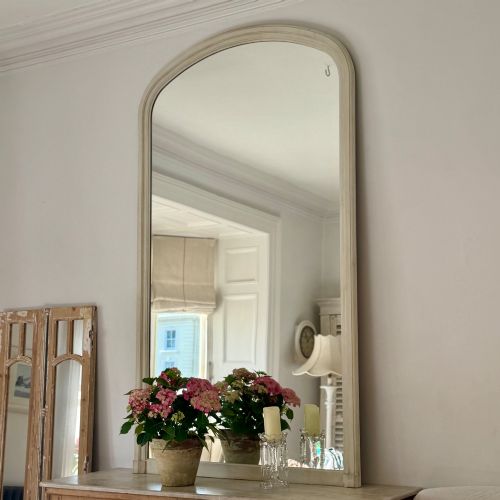
A painted cabinet works well against neutral walls to highlight its carved details and aged finish. Pair it with complementary antique mirrors or lighting to create a balanced interior.
Allow the piece space to breathe within a room so its proportions and provincial character remain prominent.
How do I tell periods apart?
Distinguishing periods relies on observing construction techniques, hardware choices, and stylistic flourishes. Eighteenth-century examples often display hand-carved details and deeper patination.
Nineteenth and early twentieth-century pieces frequently adapt earlier motifs like Louis XV styling while employing standard workshop practices of their era.