
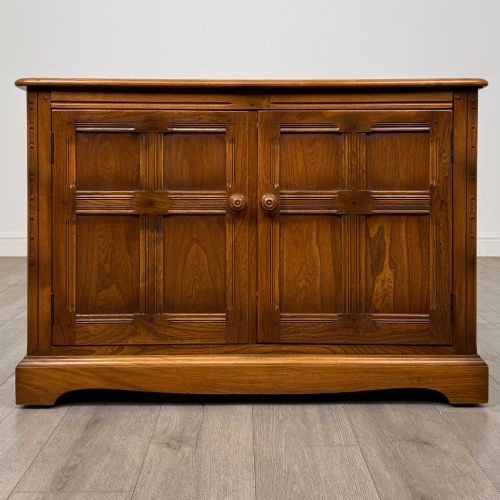
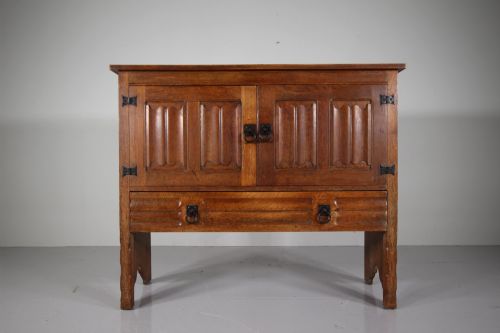
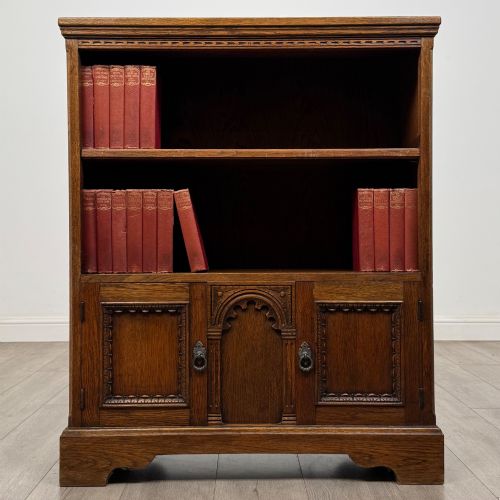
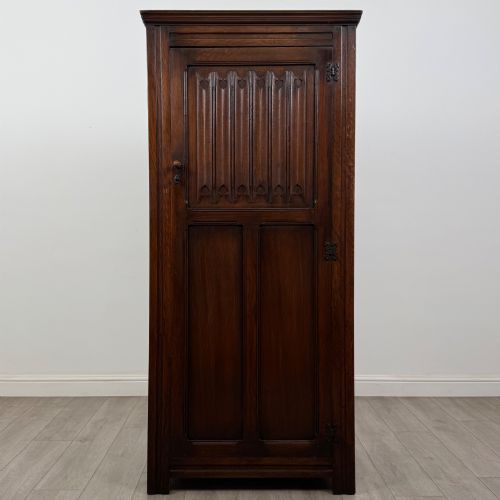
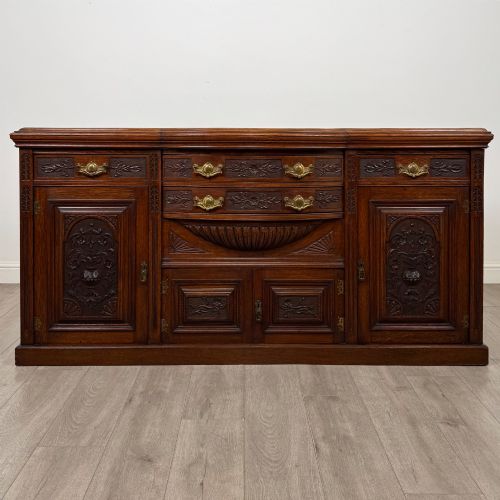
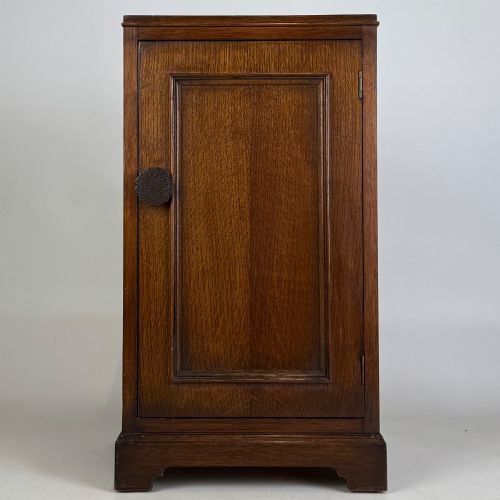
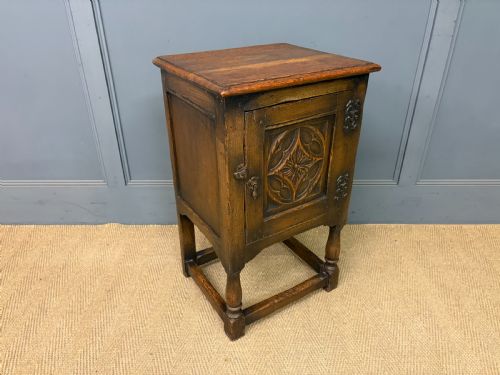
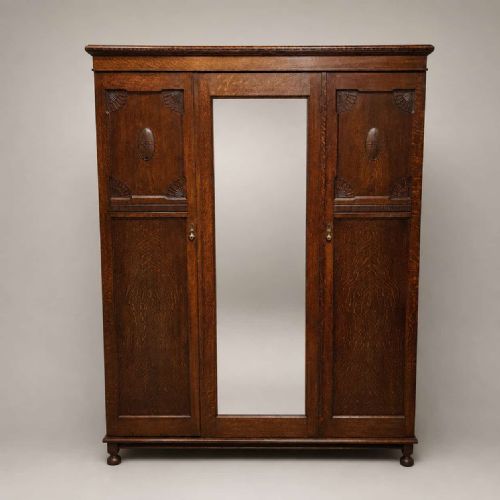
Carved Oak Storage Cupboard
A carved oak storage cupboard brings robust utility and historic texture to a room, spanning periods from the seventeenth century to the twentieth.
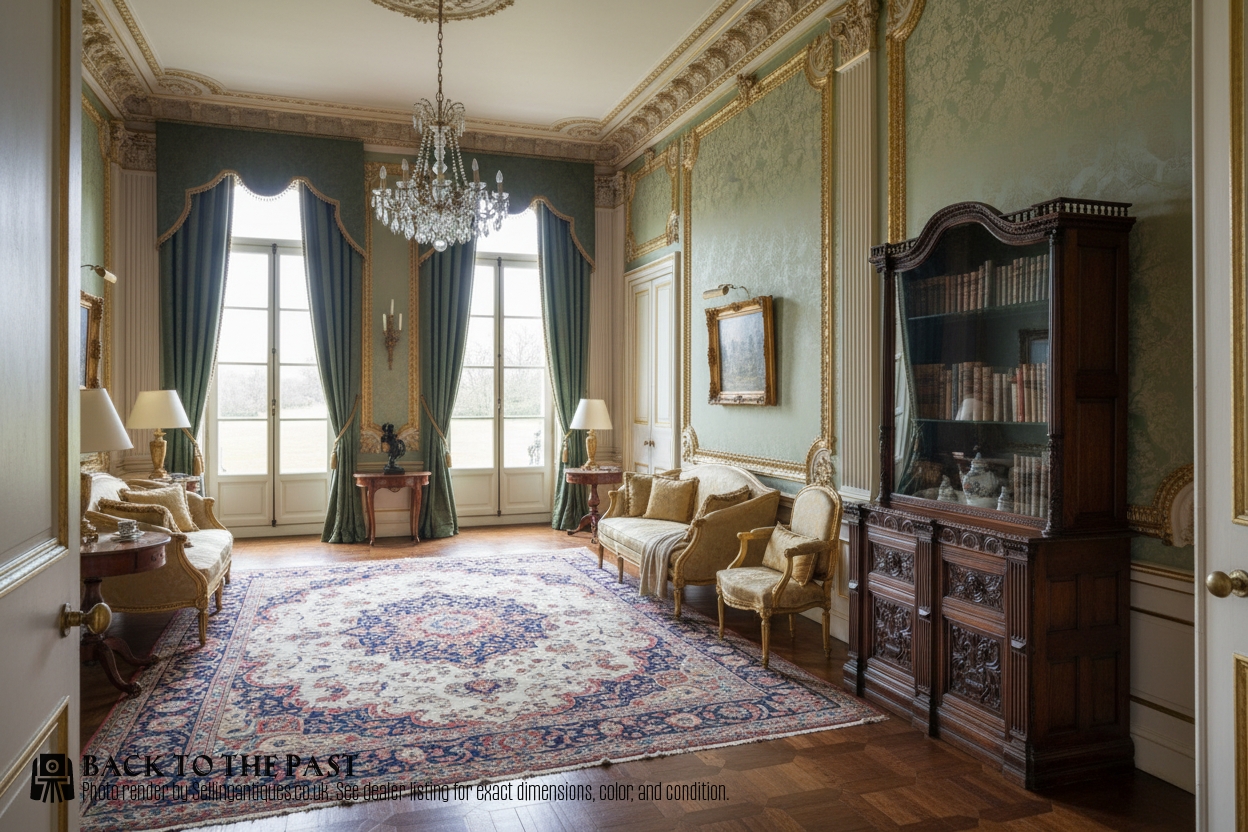
Carved Oak Storage Cupboard
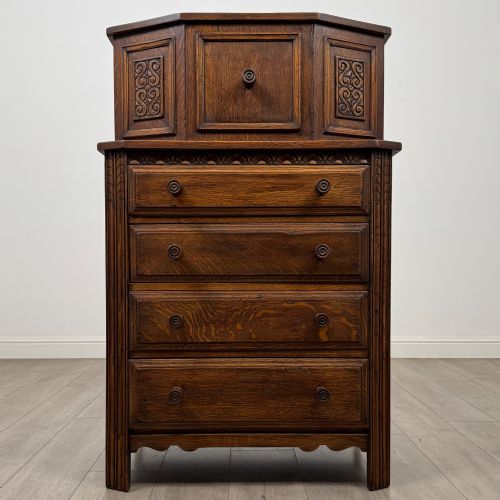
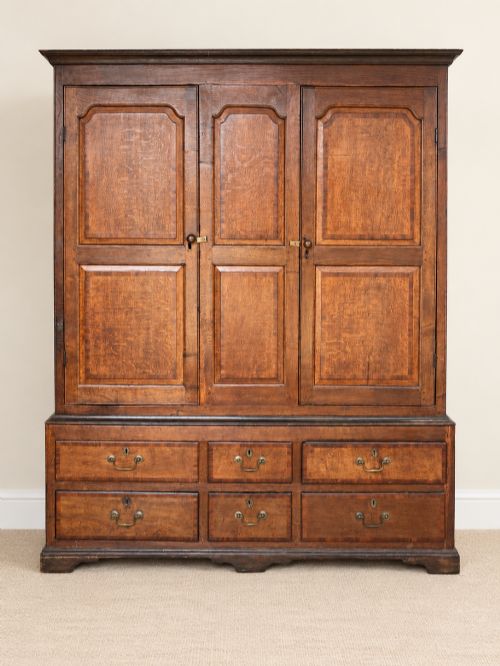
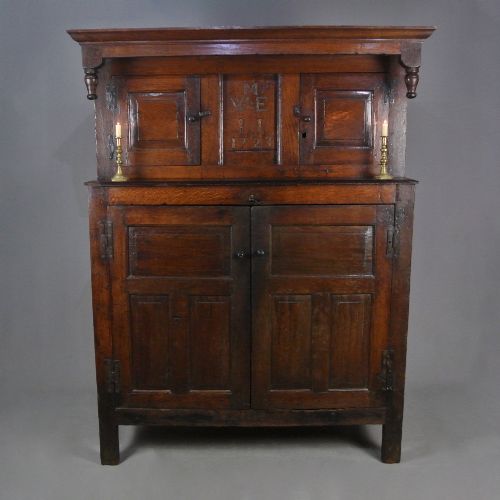
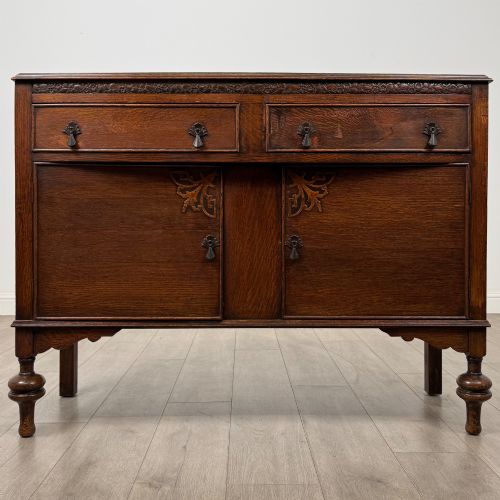
A carved oak storage cupboard encompasses utilitarian household furniture designed to hold provisions, linens, and garments. When searching for a carved oak storage cupboard, a buyer encounters forms ranging from early court cupboards and housekeeping cupboards to nineteenth-century linen presses and twentieth-century revival sideboards.
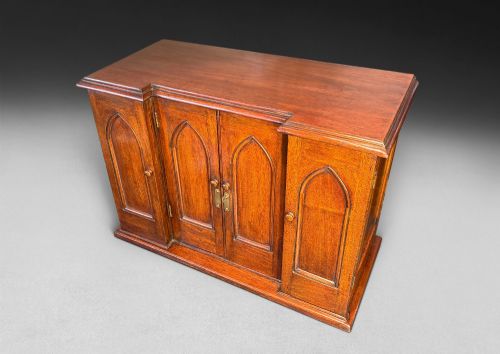
The pieces on this page draw from centuries of domestic production, appearing in styles such as Jacobean, Gothic Revival, and Arts and Crafts. Edwardian iterations and twentieth-century interpretations appear frequently alongside seventeenth-century joined examples and eighteenth-century country pieces.
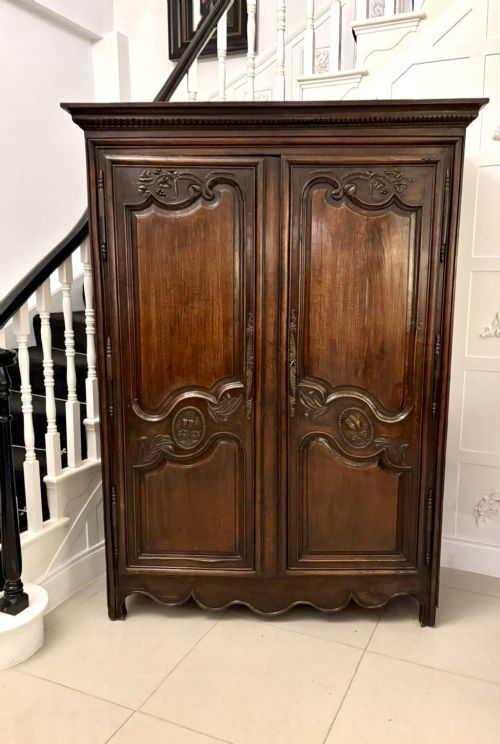
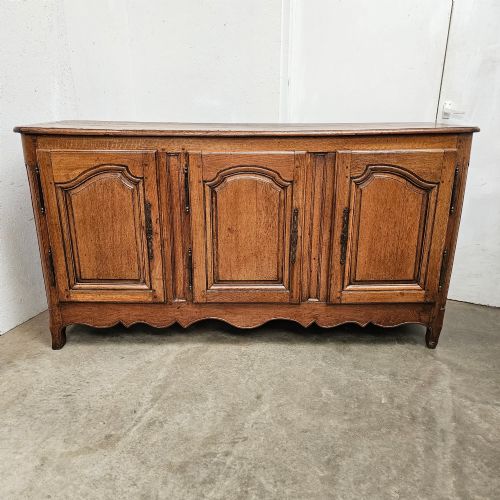
Regional variations are common, including Welsh dressers, English court cupboards, and French provincial armoires. Buyers select these items to anchor a room with architectural presence while providing enclosed storage.
Materials and Technique
Construction relies heavily on solid oak, selected for durability and timber density. Joinery techniques such as mortise and tenon frame panel doors and heavy carcasses, supplemented by brass, iron, and wrought iron hardware.
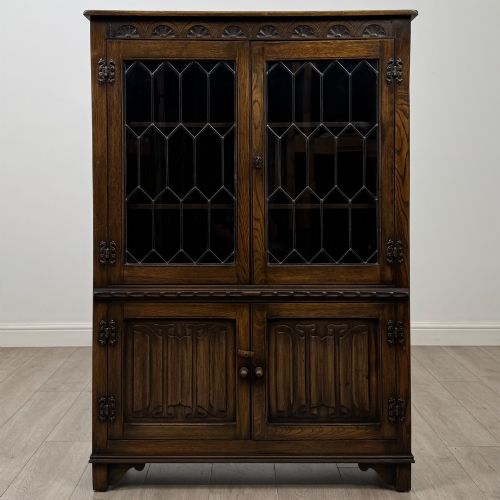
Carving defines the surface decoration, utilising gouges and chisels to create linenfold panels, geometric strapwork, and scrolling foliage. Glazed sections incorporate glass, while internal fittings occasionally include marble and walnut elements.
Carved Oak Storage Cupboard Retail Price Guide 2026
Typical asking prices for carved oak storage cupboard among the pieces listed under this phrase on Sellingantiques today, from the lower quarter to the upper quarter. They describe what is for sale here now, not the wider market.
Some seventeenth-century cupboards retain the subtle gouge marks of the carpenter's thumb plane, offering a direct tactile link to the maker's bench.
Craftsmanship and Proportion
Quality rests in the crispness of the hand-carving and the integrity of the timber selection. Finer pieces demonstrate tight joinery and thoughtful grain matching across large panels, whereas simpler examples rely on standard machine cutting from later revival periods.
Proportion and original hardware distinguish superior items. The depth of the relief carving, the retention of period brass or iron hinges and locks, and the stability of the joined framework separate utilitarian workshop pieces from exceptional cabinet work.
The Carved Oak Storage Cupboard Glossary
- Court cupboard
- A heavy seventeenth-century storage unit featuring an upper recessed cabinet supported by pillars above a lower section. These pieces were traditionally used for displaying plate and storing food.
- Linenfold
- A style of wood carving resembling folded parchment or linen cloth. This technique gained popularity during the Tudor and Gothic periods and reappeared in later revival furniture.
- Enfilade
- A suite of rooms aligned with each other, or in this context, a long sideboard or cabinet with multiple doors sharing a continuous front design. It originates from French provincial interiors.
- Joined oak
- Furniture constructed using mortise and tenon joints secured with wooden pegs rather than metal nails. This method typifies seventeenth-century cabinet making.
- Bacon settle
- A high-backed wooden storage seat designed with a cupboard compartment in the upper back section. It was historically used in farmhouses for curing and storing meat.
Carved Oak Storage Cupboard: Frequently Asked Questions
How do I date a carved oak cupboard?
Dating relies on examining construction methods, tool marks, and hardware. Joined pieces with pegged mortise and tenon joints point to the seventeenth century, while machine-sawn timber and stamped hinges indicate nineteenth or twentieth-century revival eras.
Style provides further clues, as linenfold panels and geometric strapwork align with early periods, whereas later centuries introduce simpler panels and machine-turned details.
Where should I place a large storage cupboard?
These substantial pieces anchor dining rooms, hallways, and living spaces effectively. Their deep storage capacity makes them practical for dinnerware, linens, or media equipment.
Ensure the floor is level to prevent doors from dropping out of alignment, and keep the wood away from direct heat sources to prevent timber splitting.
What is the difference between a court cupboard and a wardrobe?
A court cupboard is an earlier form featuring a compact upper cabinet supported by columns, designed for general provisions or displaying valuable items. Wardrobes developed later as tall, freestanding closets specifically intended for hanging and storing garments.
Court cupboards sit lower and emphasise architectural carving, while wardrobes prioritize vertical hanging space.
How do I care for antique oak furniture?
Maintain the wood by applying a natural beeswax polish occasionally to nourish the grain and preserve the surface sheen. Avoid silicone-based sprays, which build up a residue and attract dust.
Keep the humidity in the room stable to protect the joints and prevent the solid oak panels from warping or cracking over time.