
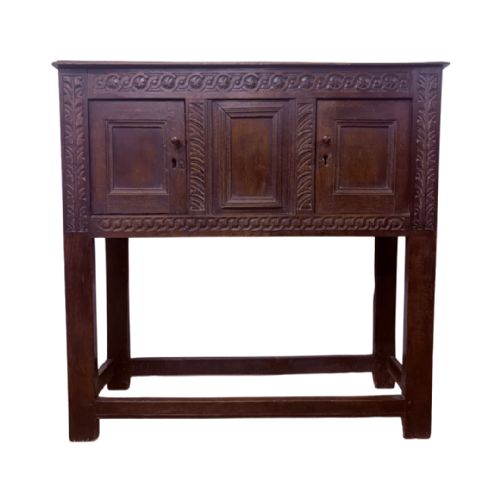
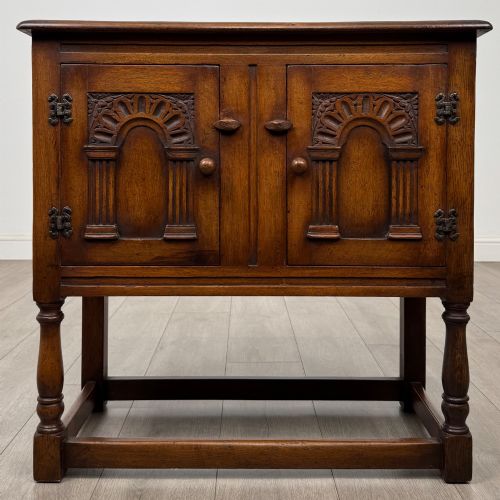

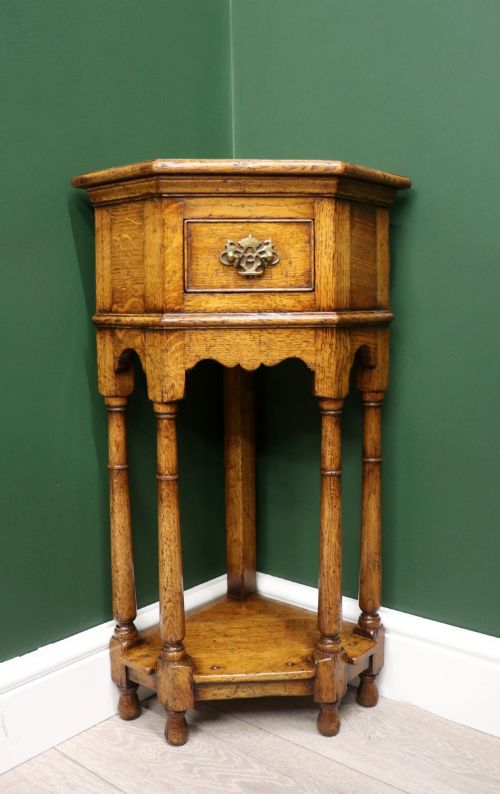
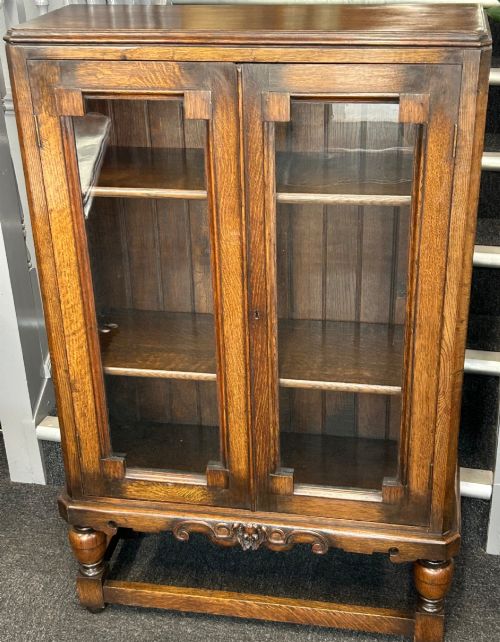
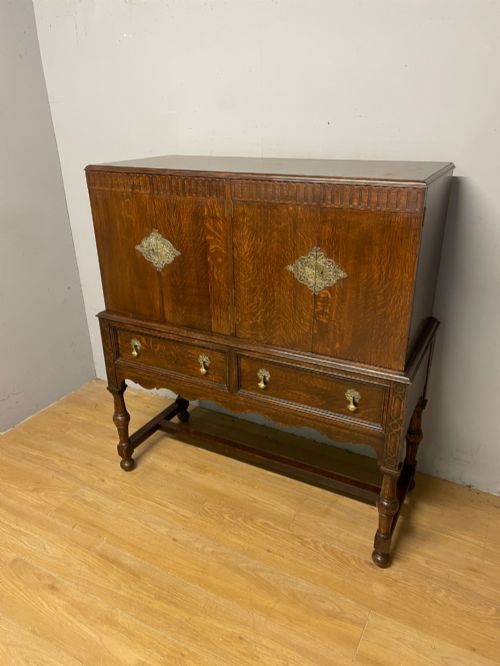

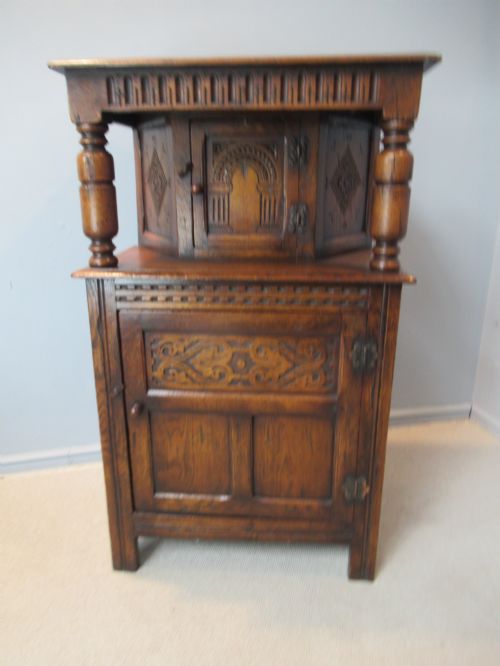
Carved Oak Standing Cabinet
These pieces known as a carved oak standing cabinet bring solid timber storage into a room with traditional presence.
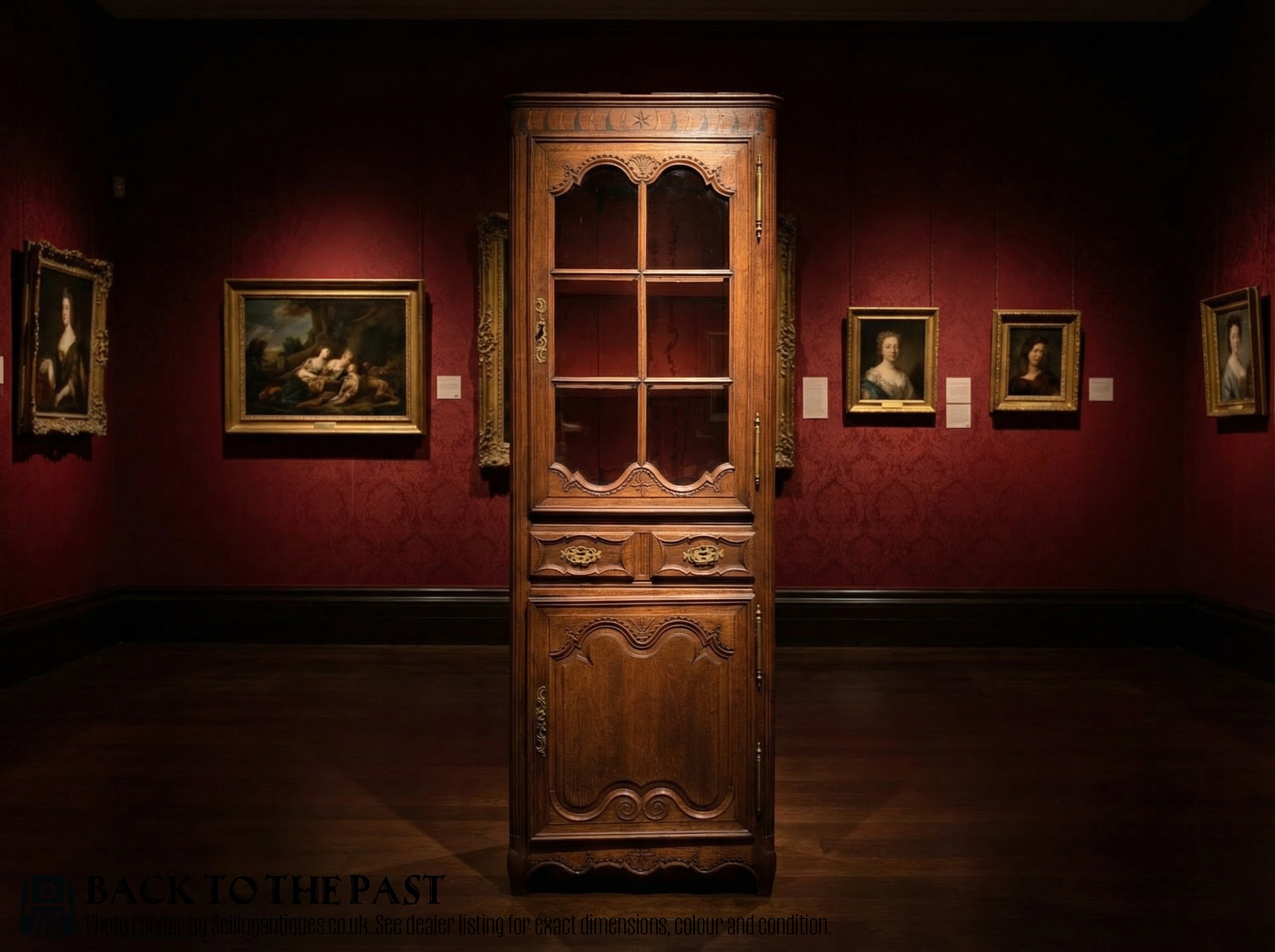
Carved Oak Standing Cabinet
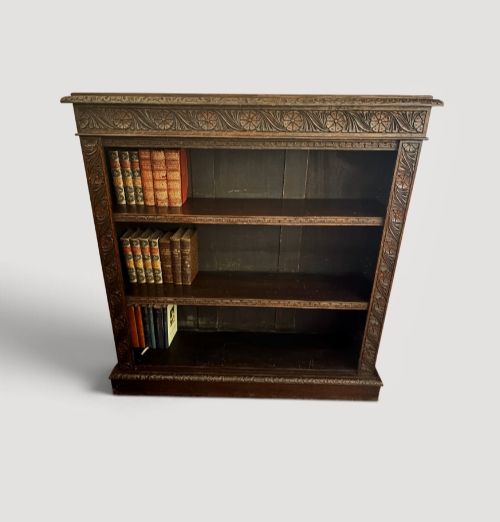
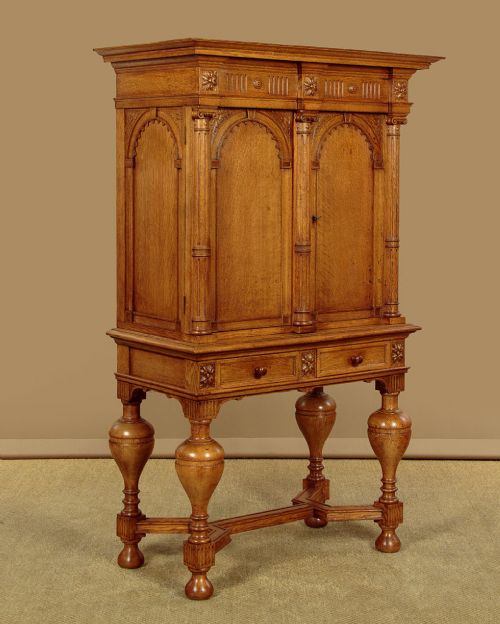
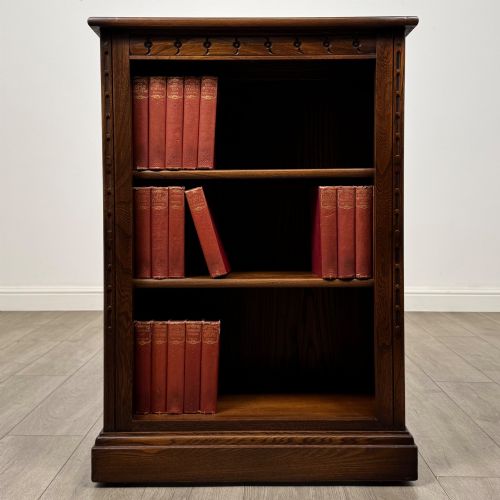
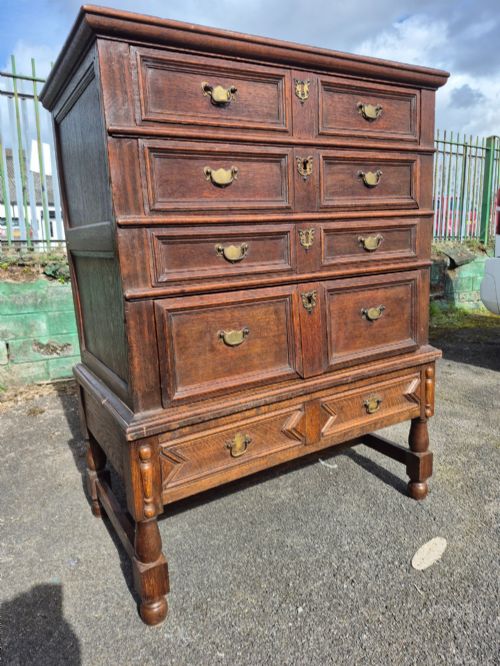
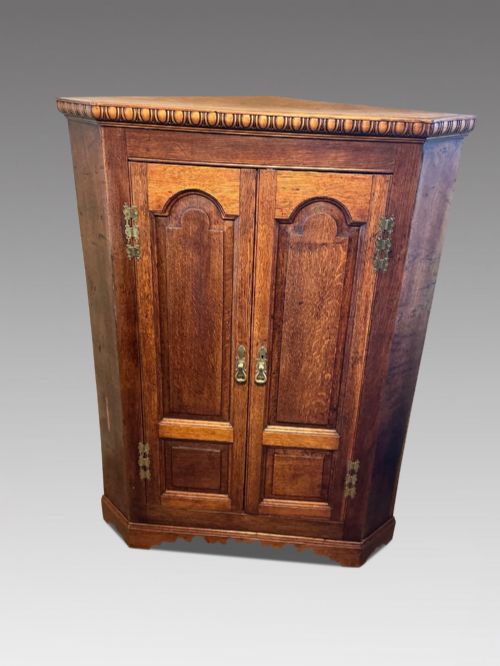
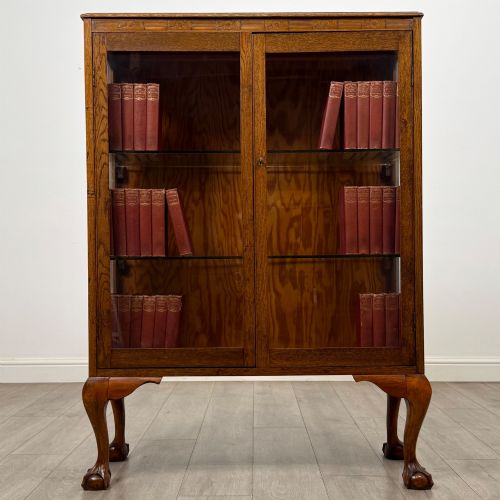
A carved oak standing cabinet encompasses freestanding floor storage pieces spanning from the seventeenth century through to the twentieth century. These items include cupboards, chests on stand, corner cabinets, and bookcases built to hold books, household goods, or display objects.
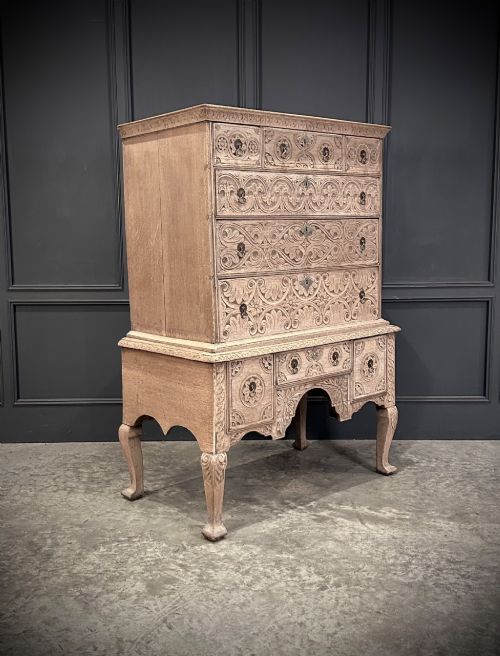
The selection here draws heavily from seventeenth-century joined examples, eighteenth-century chests on stand, nineteenth-century Victorian Gothic revival works, and early twentieth-century interpretations in Jacobean and Edwardian styles. Buyers meet diverse formats ranging from large hall wardrobes down to small bedside units.
Materials and Technique
Construction relies primarily on oak and English oak, joined using traditional methods and reinforced with iron or brass hardware such as blacksmith-made locks and hinges. Cabinetmakers shaped these dense timbers through panel-and-frame construction, allowing the wood to move naturally with changes in atmosphere.
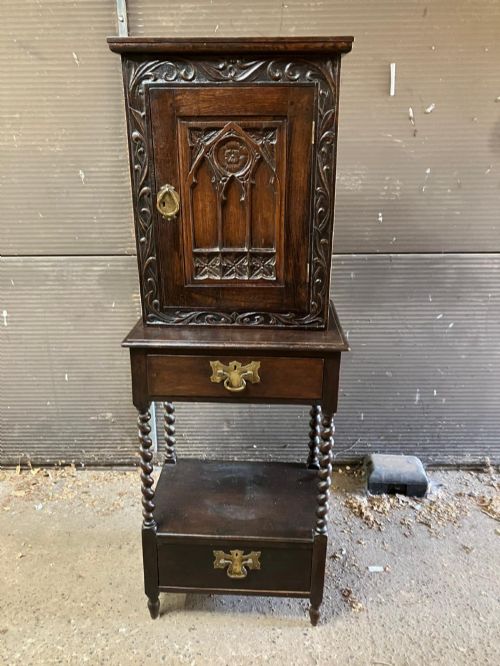
Surface embellishment involves hand carving, seen in geometric strapwork, linenfold motifs, architectural panels, and Flemish lion masks. Certain periods favour a dark finish, while others present bleached oak or natural waxed surfaces that reveal the grain.
Carved Oak Standing Cabinet Retail Price Guide 2026
Typical asking prices for carved oak standing cabinet among the pieces listed under this phrase on Sellingantiques today, from the lower quarter to the upper quarter. They describe what is for sale here now, not the wider market.
One unexpected survivor holds court among the oak: an upright parlour gramophone complete with its own horn.
Evaluating Construction
Quality rests on the integrity of the timber selection and the precision of the joinery rather than surface decoration alone. Pieces utilising solid English oak with original panel construction and period-correct fixings demonstrate higher craftsmanship than later revival items built with machine-cut components.
The survival of original surface finishes, backboards, and authentic hardware such as wrought iron locks dictates the integrity of a piece. Altered heights, replaced panels, or stripped surfaces diminish the historical character of earlier centuries.
U Phone of Leeds
The Carved Oak Standing Cabinet Glossary
- Chest on stand
- A cabinet form featuring an upper chest section elevated on a separate framework with legs. This configuration lifts storage off the floor and lightens the visual mass of heavy timber.
- Court cupboard
- A traditional standing cupboard featuring recessed upper tiers supported by columns or balusters. These pieces originated as important display furniture for dining halls.
- Joined oak
- Furniture constructed using mortise and tenon joints secured by wooden pegs rather than metal nails. This method defines seventeenth-century cabinet making.
- Tantalus
- A decorative wooden cabinet frame holding decanters locked behind a metal bar. It allows owners to display spirits while preventing unauthorized access.
Carved Oak Standing Cabinet: Frequently Asked Questions
How do I place a standing cabinet in a modern room?
A carved oak standing cabinet anchors a room by providing substantial vertical presence and functional storage for books or tableware.
Pair these dark wood forms against neutral walls to let the carved details and grain stand out without overwhelming the floor space.
How do I distinguish seventeenth-century oak from later revival pieces?
Seventeenth-century examples show hand-riven timber, pegged mortise and tenon joints, and structural wear consistent with centuries of use. Revival pieces from the Victorian and Edwardian eras often display machine-cut elements and uniform surface patination.
Examine the interior boards and back panels to check for tool marks and timber shrinkage that confirm true age.
What is the difference between a court cupboard and a standard cabinet?
A court cupboard incorporates tiered shelving and recessed upper sections supported by short columns, designed historically for display. Standard standing cabinets offer enclosed vertical storage with doors opening to reveal shelves or hanging space.
Both utilise heavy oak construction, but the court cupboard carries a more architectural silhouette.
How should I care for antique oak furniture?
Keep oak cabinets away from direct heat sources and drastic humidity shifts to prevent the solid timber from splitting. Feed the wood occasionally with a traditional beeswax polish to maintain the finish and protect the grain.
Avoid synthetic sprays that build up residue over time on carved surfaces.