



Carved Oak Spice Cabinet
A carved oak spice cabinet is a compact wooden container mounted on a wall or placed on a table, holding domestic provisions with quiet historic charm.
Carved Oak Spice Cabinet
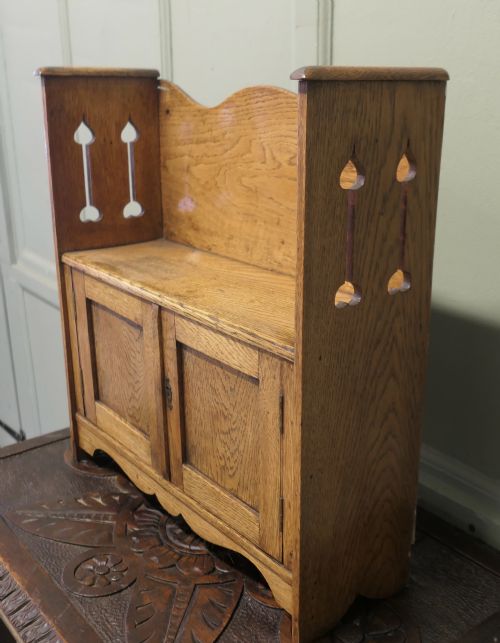
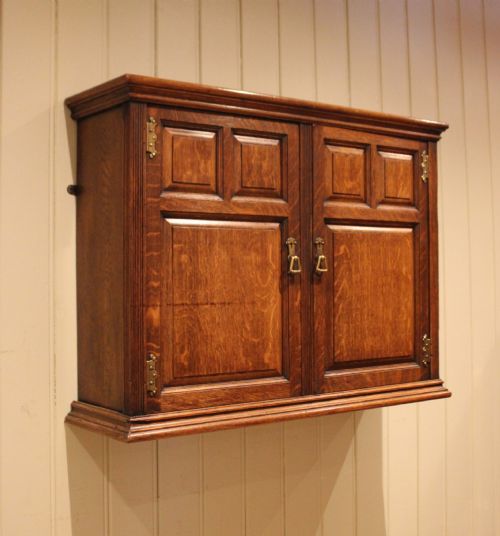
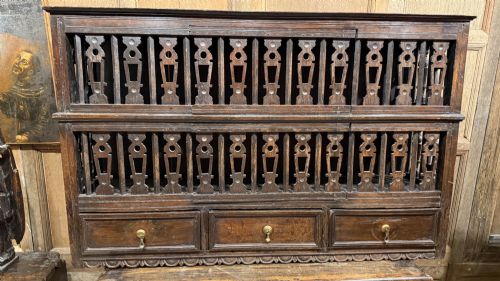
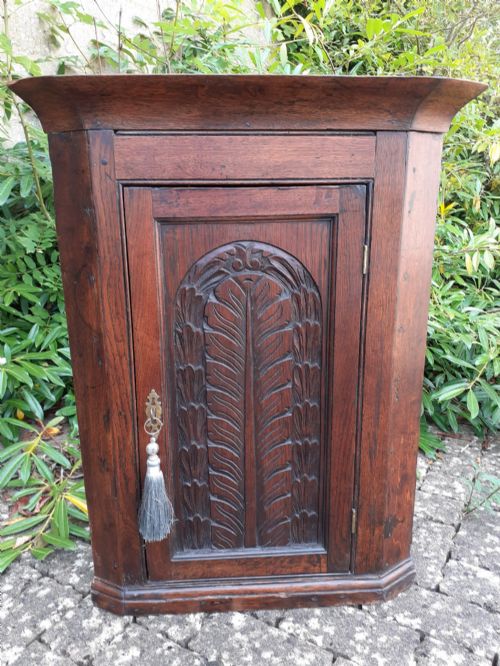
When you search for a carved oak spice cabinet, you encounter small storage pieces originating from the seventeenth, eighteenth, and nineteenth centuries. These domestic containers take several forms, including wall cabinets, hanging cupboards, corner cupboards, and miniature court cupboards designed for table use.
The versions most commonly met on this page span the Georgian and Victorian periods, often displaying regional characteristics such as French provincial or Gothic revival influences. Cabinet makers built these items in solid oak, occasionally incorporating fruitwood inlay, brass, iron, or steel details.
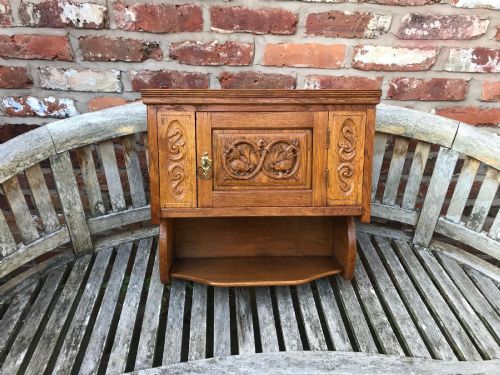
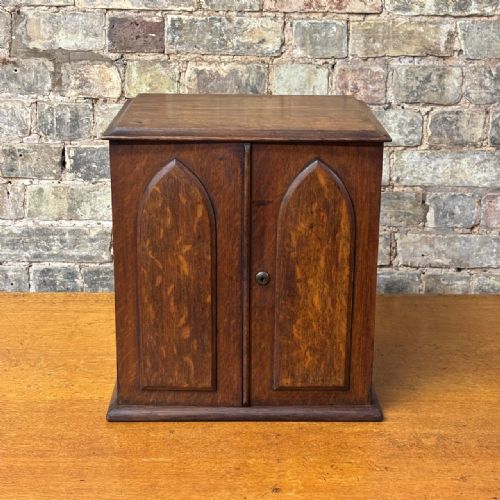
Many examples function as wall hanging desks or small tabletop cabinets featuring panel doors, drawers, and carved surfaces. These diverse forms reflect the practical household storage needs of earlier centuries across British and continental workshops.
How they were made
Cabinet makers constructed these pieces primarily from solid oak, utilising timber planks assembled with traditional joinery methods suited for small domestic furniture. Workshops integrated panels and doors through fitted framing to ensure stability for wall hanging or tabletop placement.
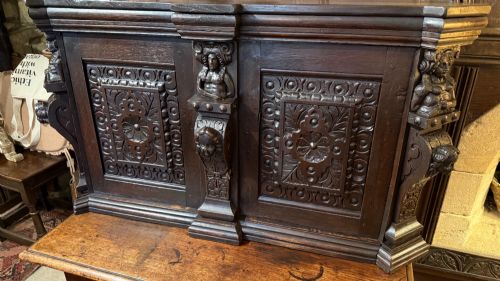
Makers applied hand-carved ornamentation directly onto the oak surfaces, reflecting styles ranging from Jacobean motifs to Arts and Crafts designs. Metal components such as brass, iron, and steel appeared on hinges, latches, and pulls to secure the doors and drawers.
Certain examples incorporate wood inlay or fruitwood inlay to provide decorative contrast against the darker oak grain. Dated specimens show how artisans inscribed or carved specific years directly into the woodwork.
The documented forms include hanging food cupboards, miniature court cupboards, and corner cupboards reflecting Georgian and Victorian domestic life.
What varies in quality
The standard of a carved oak spice cabinet depends on the depth and execution of the hand-carved decoration upon the oak surface. Pieces displaying crisper chisel work and balanced composition sit above simpler or more utilitarian boxes.
Construction methods also separate examples, particularly the survival of original brass or iron hardware and the integrity of the solid oak panels. The retention of early surfaces and integrated fruitwood inlay contributes to the distinction between standard provincial items and finer workshop pieces.
The Carved Oak Spice Cabinet Glossary
- Oak
- A durable hardwood native to temperate regions, providing the primary structural material for these cabinets. It accepts deep carving and develops a dark patina over centuries.
- Court cupboard
- A short, multi-tiered sideboard or cabinet form scaled down into miniature furniture for domestic storage. These smaller versions retain the architectural proportion of larger hall pieces.
- Fruitwood inlay
- Small contrasting sections of lighter fruitwood inserted flush into the oak surface to create geometric or floral patterns. This technique highlights specific panels and door fronts.
- Gothic revival
- An architectural and decorative style drawing on medieval pointed arches and traceried panels. Cabinets from this movement display ecclesiastical window motifs on their doors.
- Hanging cupboard
- A wall-mounted storage unit fitted with fixing points on the back to keep provisions off damp floors. These units maximise kitchen or parlour space.
Carved Oak Spice Cabinet: Frequently Asked Questions
What were carved oak spice cabinets used for?
These small containers held valuable culinary spices, medicinal herbs, and precious household commodities securely under lock and key. Their compact interior compartments kept expensive provisions organised and protected from damp kitchen conditions.
Over time, owners also utilised them for storing letters, small valuables, and writing supplies. Their versatile forms allowed placement on tables or hanging securely on parlour walls.
How do I hang an antique wall cabinet safely?
Wall-mounted cabinets rely on their original internal fixing points or added strap brackets secured directly to structural wall studs. Distributing the weight prevents stress on historical oak joints and old fixings.
Consulting a professional installer ensures the surrounding plaster or masonry supports the combined weight of the solid timber and its contents.
How can I tell eighteenth century oak from nineteenth century?
Eighteenth century oak cabinets frequently display hand-sawn timber marks, pegged joinery, and simpler fielded panels shaped by hand planes. The wood often exhibits a deeper, mellower tone developed through long exposure to domestic environments.
Nineteenth century pieces, including those influenced by Gothic revival or Arts and Crafts movements, sometimes reveal mechanised saw marks and machine-standardised mouldings alongside revival carving styles.
Where should I place a spice cabinet at home?
These compact cupboards suit hallways, studies, and kitchens where wall space accommodates small hanging furniture without crowding the room. Placing them away from direct heat sources protects the historic oak from drying and splitting.
Tabletop versions sit comfortably on sideboards, desks, or chests of drawers, offering accessible storage for everyday small items.