


Country Oak Wall Cupboard
A country oak wall cupboard brings solid timber storage and plain regional character straight to the wall.
Country Oak Wall Cupboard
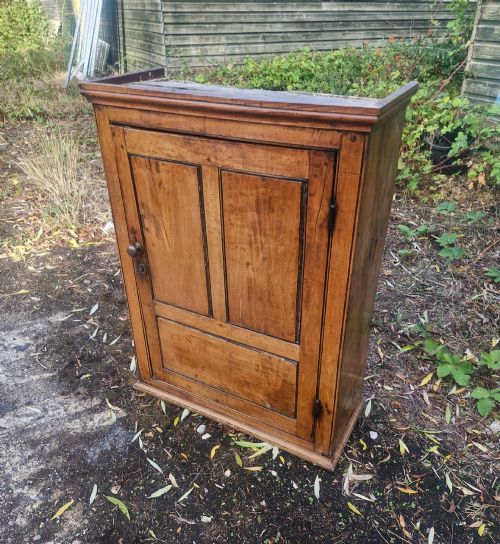
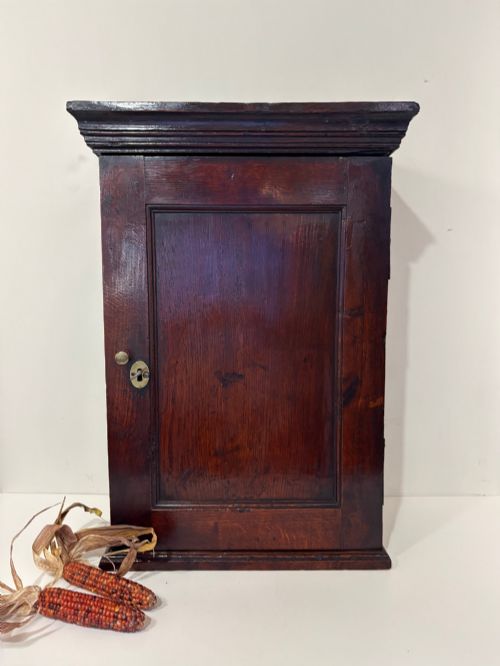
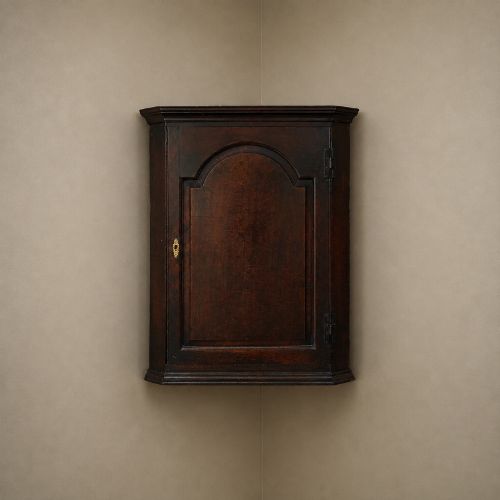
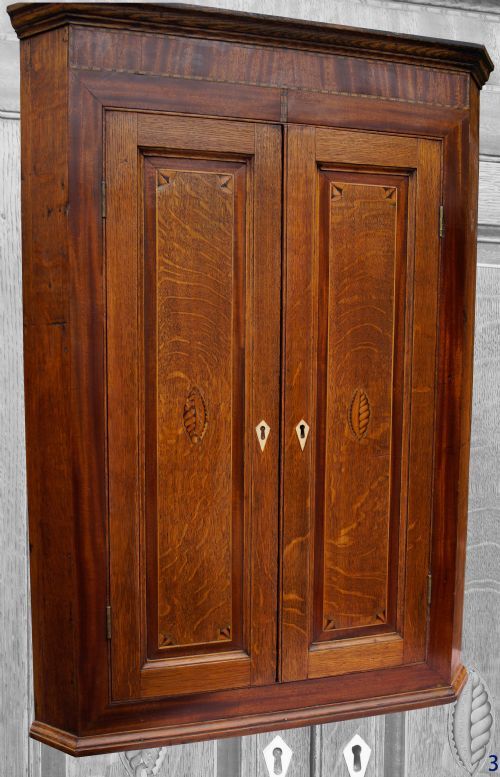
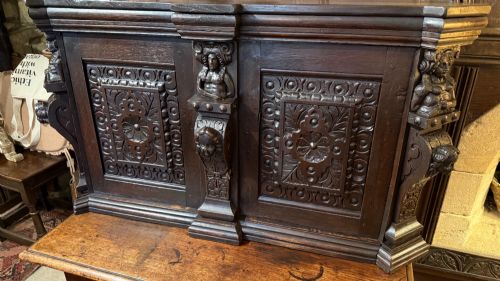
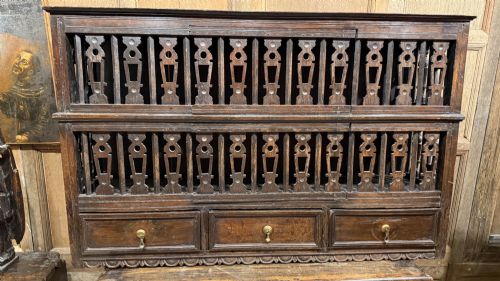
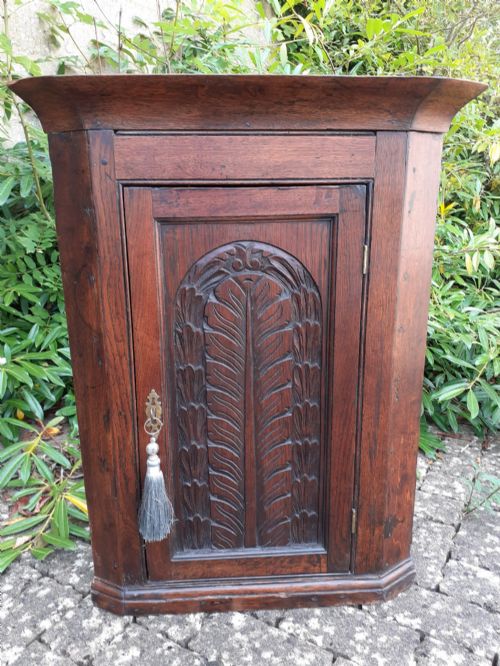
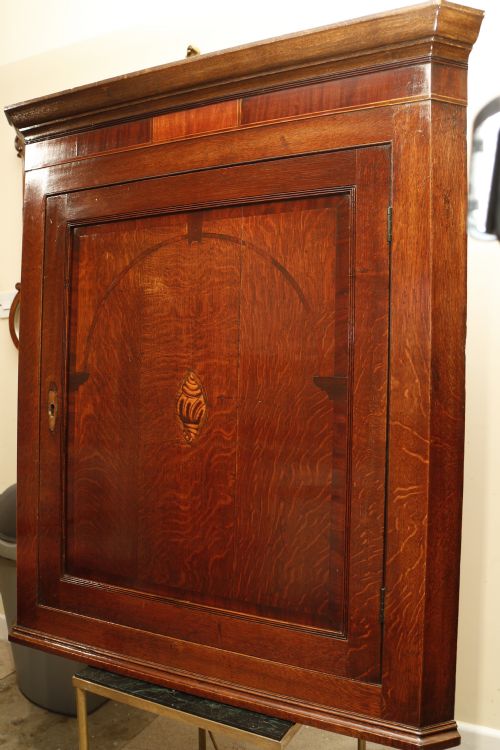
A country oak wall cupboard is a timber storage piece designed to hang directly on a wall or fit neatly into a room corner. The selection here leans heavily towards Georgian and eighteenth-century hanging corner cupboards, along with flat wall cabinets and provincial French variants.
Makers shaped these utilitarian items for everyday domestic storage in farmhouses, cottages, and provincial homes. You will frequently find formats featuring single doors, interior shelving, and occasional small drawers or glazed panes.
Regional British examples from Welsh valleys or English counties sit alongside continental pieces finished in bleached oak or French provincial styles. Each form prioritises compact vertical storage without occupying valuable floor space.
How they were made
Local joiners built these cabinets primarily using solid oak, often complemented by secondary timbers like pine. Construction relied on traditional pegged joinery, panelled doors, and sturdy timber backs suited to supporting the weight of a hanging cabinet.
Metalwork played a practical structural role, utilising brass H-hinges, escutcheons, and iron latches or locks. Finer details emerged through carved ornamentation, marquetry inlay, and mahogany crossbanding on select Georgian models.
The listings span from the seventeenth century through to the nineteenth century, featuring oak, mahogany, fruitwood, and pine materials.
What varies in quality
Quality rests on the integrity of the timber selection, the crispness of any hand carving, and the restraint shown in regional joinery. Superior examples display well-figured oak boards, original brass hardware, and tightly fitted doors that hang true without modern intervention.
Construction methods also separate standard utility pieces from finer vernacular work, particularly in the dovetailing of internal drawers and the shaping of internal shelves. Cabinets retaining untouched surfaces and genuine period patination stand apart from heavily restored alternatives.
The Country Oak Wall Cupboard Glossary
- Crossbanding
- A decorative border technique where thin strips of veneer are laid across the grain of the primary wood. This method adds a neat framing line to cabinet doors.
- Escutcheon
- A protective metal plate surrounding a keyhole. It shields the surrounding timber from wear caused by repeated key use.
- Livery cupboard
- A traditional storage cabinet originally used for food, candles, or small household provisions. These pieces often feature louvred or ventilated panels for air circulation.
- Vernacular
- Everyday objects built by local craftspeople using regional traditions rather than high-style metropolitan designs. These items reflect the practical needs of rural communities.
Country Oak Wall Cupboard: Frequently Asked Questions
Where should I hang a wall cupboard?
These cabinets mount securely onto solid walls using appropriate fixings matched to the weight of the timber. Corner models utilise otherwise dead room angles efficiently.
Avoid damp exterior walls or areas receiving direct, intense sunlight to protect the aged oak surfaces from warping or drying out.
How do I care for antique oak?
Dust the timber regularly with a dry cloth and apply a quality natural beeswax occasionally to nourish the dry grain. Avoid modern silicone sprays that trap moisture.
Maintain steady room temperatures to prevent the old wood from shrinking or splitting at the joints.
Were these always corner cabinets?
Many surviving examples are indeed corner units designed to maximise small room spaces, but flat wall-hanging cabinets and spice drawers also exist. Regional makers adapted the format to suit the specific room layouts of cottages and farmhouses.
Both flat and angled versions served identical domestic storage needs.
How can I tell the period?
Dating relies on observing construction traits, hinge types, nail marks, and timber preparation methods. Eighteenth-century pieces typically show hand-sawn board marks and pegged frame joints.
Stylistic cues like fielded panels, Jacobean moulding, or Georgian crossbanding further narrow down the decade of manufacture.