
Carved Oak Panel Art
Carved oak panel art spans centuries of woodworking, offering tactile history through panels salvaged from furniture, architecture, and altarpieces.
Carved Oak Panel Art
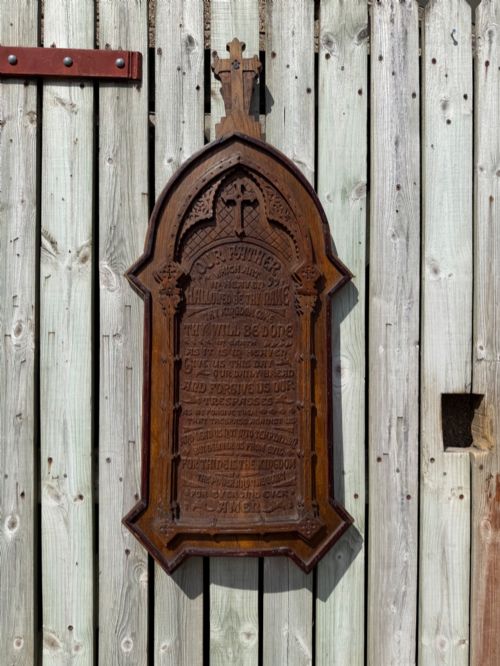
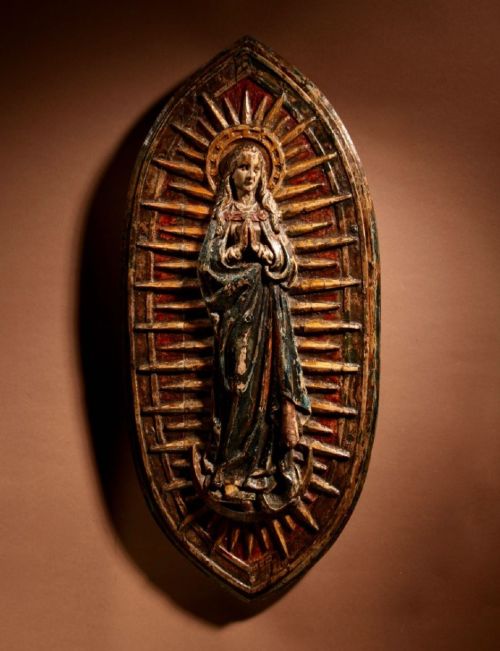
When you search for carved oak panel art, you encounter everything from sixteenth-century medieval altarpiece fragments to nineteenth-century Gothic revival wall plaques and tavern scenes. These pieces originate as architectural salvage, furniture components, or dedicated wall art created across British, Flemish, German, and Dutch traditions.
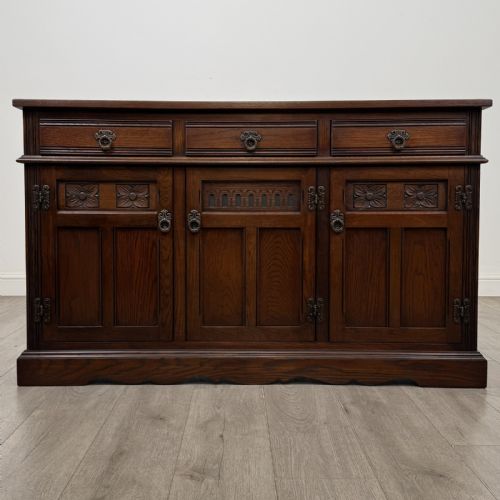
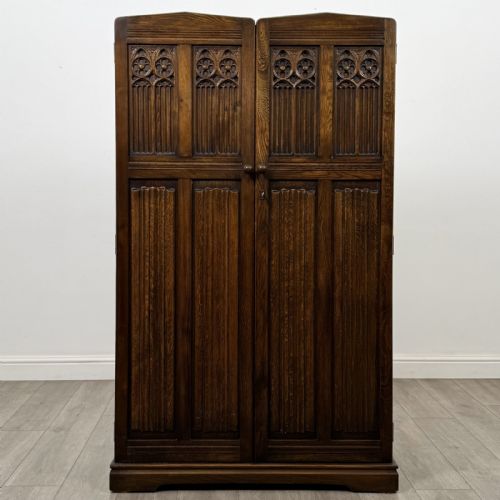
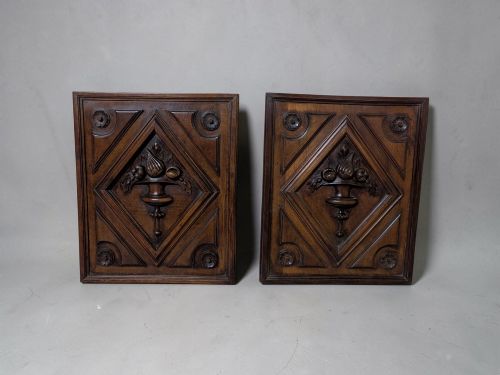
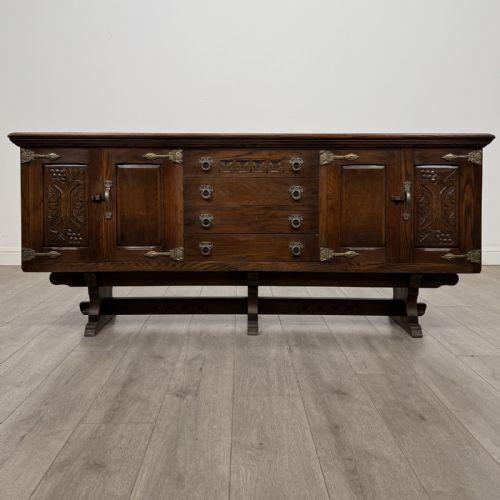
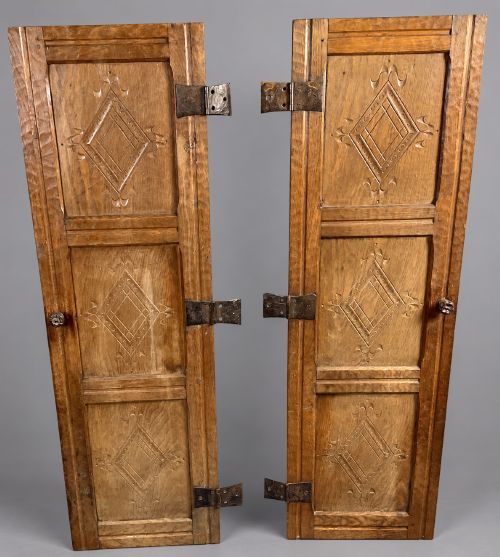
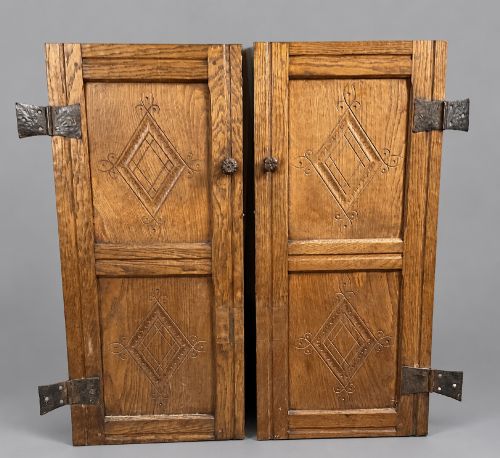
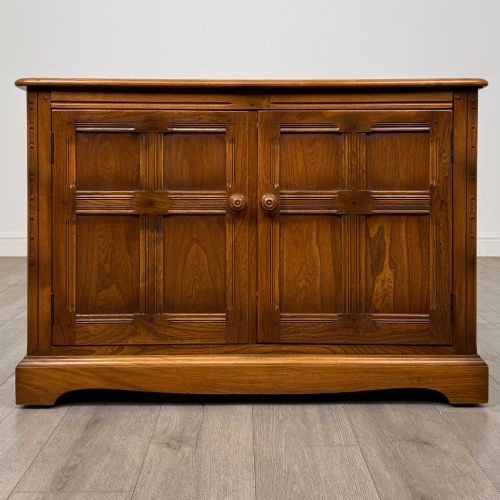
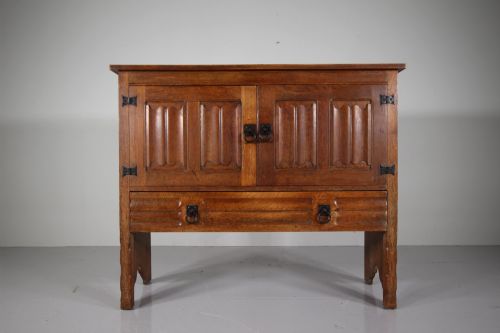
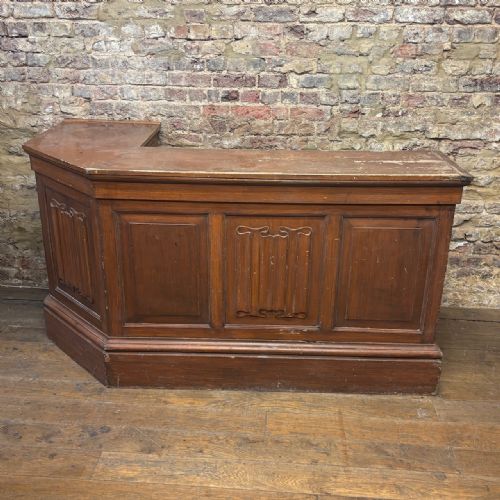
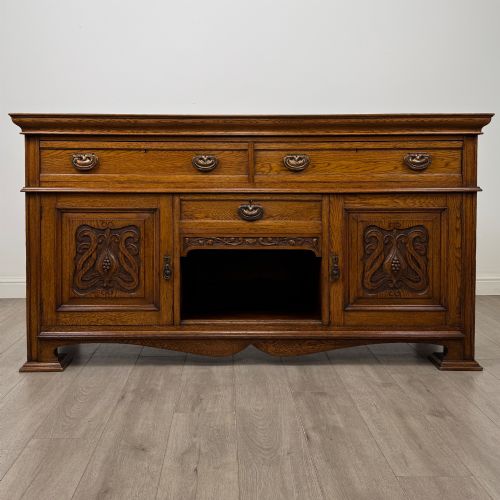
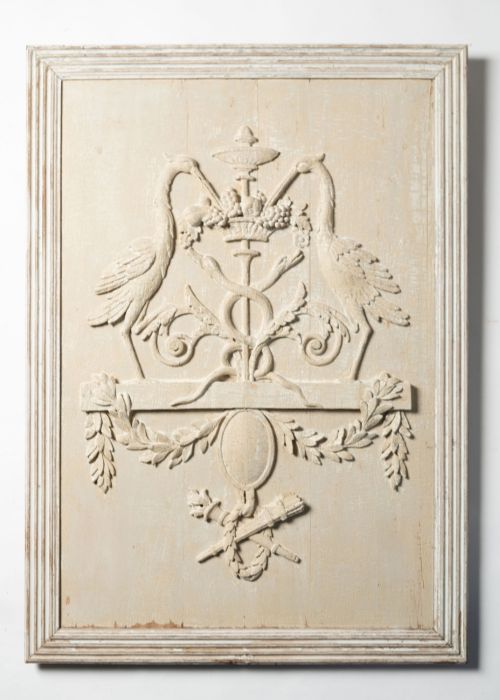
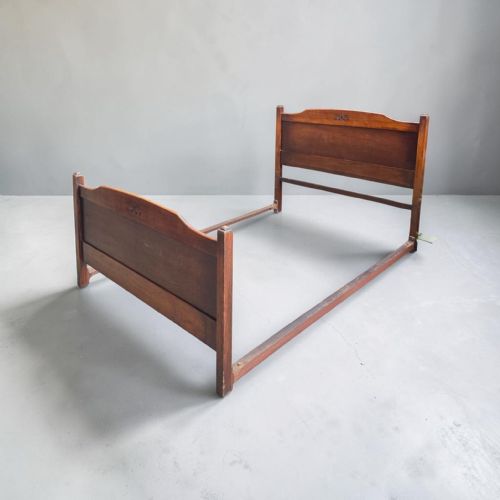
The selections on this page lean heavily towards nineteenth-century revivals and twentieth-century domestic furnishings, alongside earlier sixteenth and seventeenth-century sculptural panels. You will find wall plaques, door panels, and staircase sections alongside larger items like sideboards and wardrobes incorporating decorative carvings.
Many items repurpose older elements, such as nineteenth-century wall plaques formed from former tabletops or seventeenth-century crests inset into brass frames. This continuity of timber use reflects a long tradition of rescuing and adapting fine woodwork for domestic display.
Factors determining quality
Depth and crispness of the chisel work separate ordinary decorative mouldings from master-carved figural sculptures and allegorical panels. The vitality of the carving, particularly in faces, drapery, and natural motifs, indicates the hand of a skilled artisan rather than mass production.
The integrity of the oak timber and the authenticity of its age dictate the standing of a piece. Original seventeenth-century execution carries different expectations of wear compared to later Victorian Gothic revivals or Edwardian decorative interpretations.
Listings feature periods spanning from the sixteenth century through to the Edwardian era, utilising oak alongside brass, copper, and iron.
Edward Pearce·Mouseman
The Carved Oak Panel Art Glossary
- Chip carving
- A method of removing small triangles of wood from a flat surface to create geometric patterns. It appears frequently on seventeenth-century domestic items like mangle boards.
- Relief carving
- A sculptural technique where figures or ornamentation project from a background plane. High relief versions stand out boldly from the oak board.
- Architectural salvage
- Building elements removed from older structures for reuse as decorative art. Wall panels and staircase sections often originate this way.
- Stumpwork
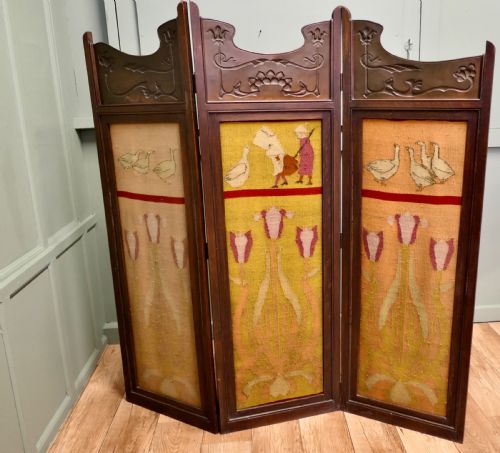
- A raised embroidery style popular in the seventeenth century, utilising padded threads to create three-dimensional figures on panels. It appears alongside carved wood in mixed textile displays.
- Altarpiece
- A devotional artwork positioned above an altar, often featuring carved wooden central panels depicting religious scenes. Surviving fragments frequently circulate as wall art.
Carved Oak Panel Art: Frequently Asked Questions
What is carved oak panel art?
Carved oak panel art comprises wooden panels, reliefs, and plaques featuring hand-carved ornamentation, sourced from historic furniture, architecture, and altarpieces.
These pieces capture centuries of woodworking styles, ranging from medieval religious sculpture to nineteenth-century Gothic revival wall decor.
How were these oak panels used historically?
Many panels originated as structural or decorative components of larger items, including church altarpieces, stately staircases, cupboards, and wall paneling.
Over time, owners and makers frequently salvaged these sections, turning them into standalone wall plaques, framed artworks, or tabletop insets.
How do I date a carved oak panel?
Dating relies on examining the tool marks, carving style, joint construction, and the characteristics of the oak timber itself.
Earlier pieces from the sixteenth and seventeenth centuries exhibit hand-forged joinery and distinct chip carving, while nineteenth-century revivals often mimic these historical motifs using period machinery.
How should I display oak panels at home?
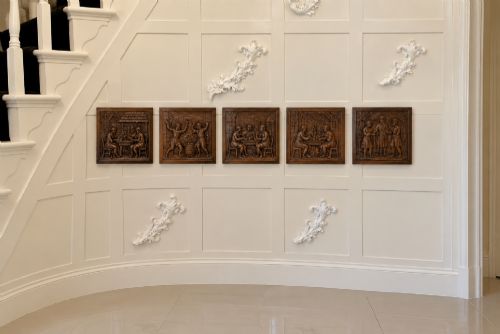
Solid oak panels mount securely to walls as individual sculptures or groupings, provided they hang away from direct heat sources and strong sunlight.
Pairing them with period furniture or neutral walls allows the deep tones and tactile grain of the timber to stand out in a modern interior.