
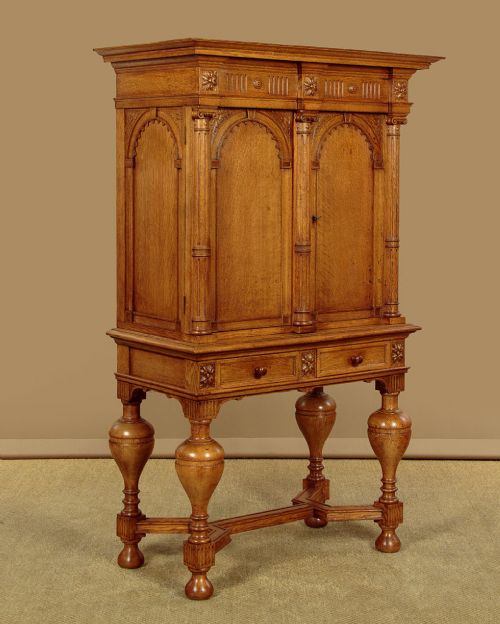
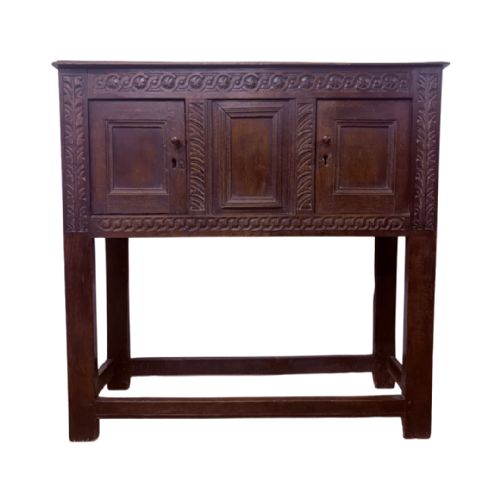
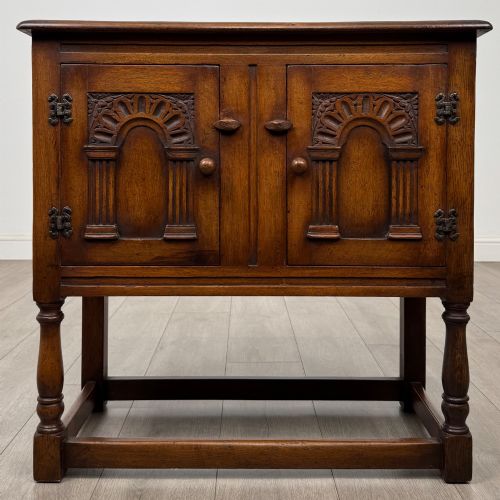

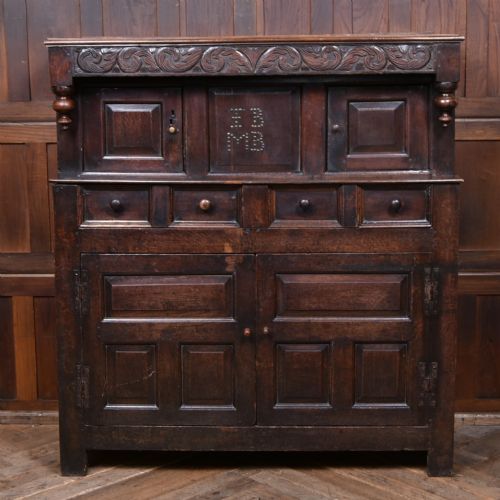



Carved Oak Cupboard Stand
These pieces of carved oak cupboard stand combine robust storage with rich period detail, drawing buyers who appreciate traditional craftsmanship.
Carved Oak Cupboard Stand
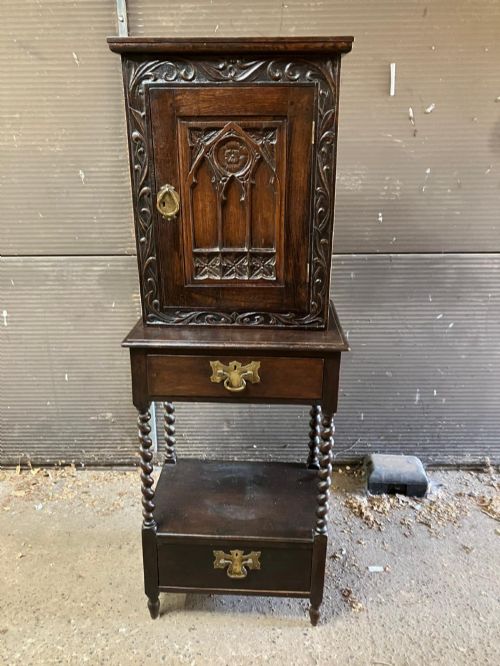
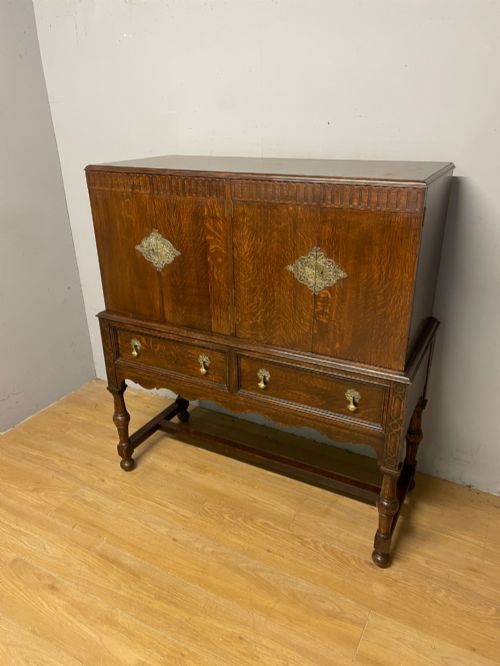
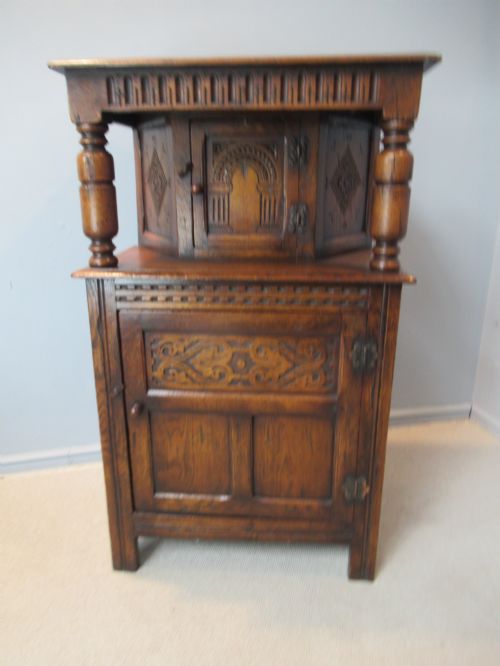
A carved oak cupboard stand brings together functional storage and elevated display, appearing in forms ranging from compact bedside units to grand court cupboards. When you search for a carved oak cupboard stand, you encounter pieces spanning multiple centuries, from authentic seventeenth-century examples to twentieth-century revivals.
Materials and construction methods
Makers relied primarily on English and continental oak, often complemented by secondary woods and iron or brass hardware. Blacksmith-forged locks and hinges provide secure mounting and authentic operational detail on early pieces.
Joinery techniques like mortise and tenon frame the heavy timber panels, which frequently feature hand-carved ornamentation. Surfaces finished with inlaid wood or left in their natural state display the distinct grain patterns inherent to solid oak.
Lion masks peer from nineteenth-century Flemish cabinet doors, keeping a watchful eye on your collection.
Evaluating craftsmanship and condition
The depth and crispness of the hand-carving separate superior examples from simpler production, particularly on pieces featuring figural motifs or geometric strapwork. Original ironwork and period brass fittings elevate a piece above those fitted with later replacements.
Structural integrity depends on the stability of the joined oak frame and the preservation of the original timber. Pieces retaining their early surface patination hold greater appeal for collectors than those stripped or heavily refinished.
The Carved Oak Cupboard Stand Glossary
- Court cupboard
- A traditional enclosed piece of furniture used for storing and displaying provisions or plate. These low cupboards often feature carved tiers and ornamental columns.
- Livery cupboard
- A small storage unit traditionally used for keeping food or candles in a bedchamber. Surviving examples frequently exhibit robust joined oak construction.
- Cabinet on stand
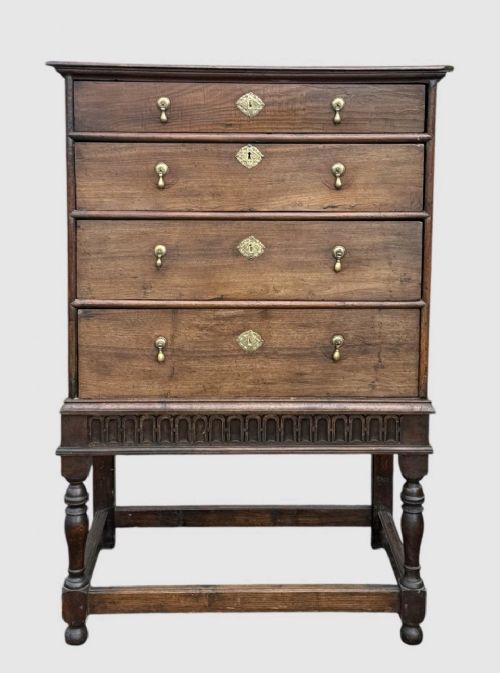
- An elevated storage compartment raised upon a separate supporting base or frame. This form gained prominence during the seventeenth century.
- Jacobean revival
- A nineteenth and twentieth-century style reproducing the ornate strapwork and heavy proportions of the early seventeenth century. Pieces in this manner emulate seventeenth-century joinery.
- Strapwork
- A decorative carving motif resembling interlaced leather bands or flat ribbons. This ornament appears frequently on seventeenth-century panels.
Carved Oak Cupboard Stand: Frequently Asked Questions
How do I date an oak cupboard?
Examine the construction methods, tool marks, and joinery used throughout the interior and frame. Early pieces from the seventeenth century display hand-riven timber and primitive peg construction rather than modern fixings.
Hardware provides another key indicator, as original blacksmith-forged iron hinges and locks differ significantly from later machine-made replacements.
Where should I place a standing cupboard?
These substantial pieces anchor a room well when placed against a blank wall in a hallway, dining room, or living space. Ensure the chosen spot avoids direct sunlight and radical humidity changes to protect the solid oak.
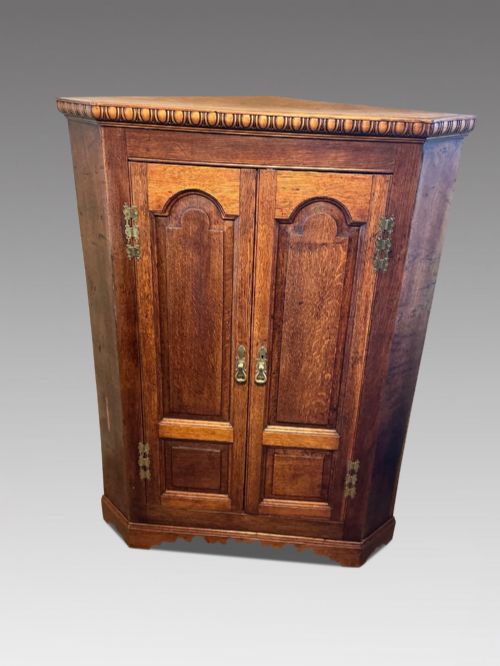
Corner models fit neatly into unused angles, making efficient use of floor space while providing display capacity.
What is the difference between a court cupboard and a standard cabinet?
A court cupboard typically incorporates a recessed upper section supported by pillars above a lower storage area. Standard cabinets feature a uniform vertical profile with doors enclosing shelving or drawers.
Both forms utilise heavy oak framing, but court cupboards carry more elaborate architectural carving.
How do I maintain carved oak surfaces?
Dust the carved panels regularly with a soft, dry cloth to prevent dirt accumulation in the recesses. Apply a traditional beeswax polish sparingly to nourish the timber and maintain its natural lustre.
Avoid silicone-based sprays, which can build up on the wood and attract dust over time.