


Carved Oak Casket
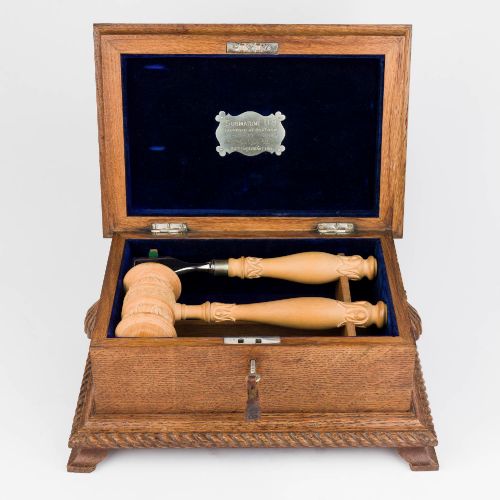
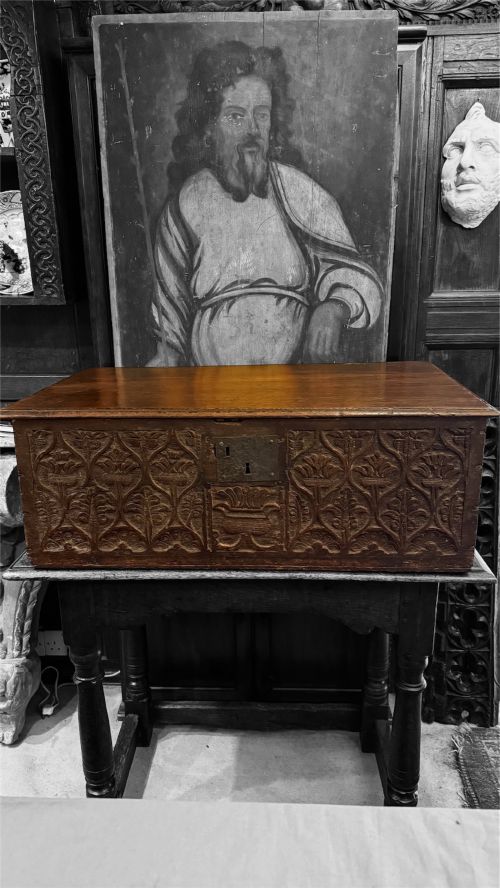
These carved oak caskets are solid timber strongboxes shaped by centuries of hand-carving, built to secure valuable documents, family silver, and personal treasures.
Carved Oak Casket
A carved oak casket is a sturdy storage container fashioned from durable timber, frequently appearing in forms like document boxes, Bible boxes, tea caddies, and small coffers. These pieces span several centuries of cabinet-making, originating from seventeenth-century English workshops through to later revival periods and the early twentieth century.
The versions most commonly met on this page range from small seventeenth-century chip-carved boxes and Welsh document caskets to nineteenth-century French and Gothic revival caskets. Many incorporate specific functional elements such as iron hardware, velvet linings, and secret compartments designed to safeguard precious contents.
How they were made
These items rely principally upon solid oak timber, frequently accented with secondary materials such as pollard oak, fruitwood, chestnut, and hardwood. Artisans shaped the wood using traditional hand-carving techniques, including chip carving and Gothic relief work, creating intricate surface patterns and figural motifs.
Structural integrity was achieved through robust joinery and reinforced with functional metalwork in iron, brass, steel, and silver plate. Interiors were often lined with velvet or left as plain timber, while specialised items featured fitted inserts for tea, documents, or scales.
Recorded periods stretch from the seventeenth century through Victorian and Edwardian revivals to early twentieth-century military pieces.
What varies in quality
Quality in these pieces depends heavily on the depth and crispness of the hand-carving, where confident chisel work distinguishes superior craftsmanship from simpler regional output. The choice of timber also plays a role, with selected quarter-sawn oak and figured pollard oak displaying superior grain patterns.
The sophistication of the hardware and internal fittings separates standard utility boxes from exceptional presentation pieces. Original iron hinges, working locks with keys, and well-preserved velvet linings elevate the historical integrity of the box.
Tahan of Paris
The Carved Oak Casket Glossary
- Chip carved
- A style of ornamentation created by removing small chips of wood from a flat surface to form geometric patterns.
- Bible box
- A small sloped-lid or flat-topped container traditionally used to store family scriptures and important documents in the seventeenth century.
- Cellarette
- A lockable container originally designed for storing bottles of wine or spirits securely near the dining table.
- Pollard oak
- Timber taken from trees that were periodically pruned close to the trunk, producing a dense, highly figured decorative wood grain.
- Casket
- A small, often decorated box used for holding jewellery, deeds, or other valuables.
Carved Oak Casket: Frequently Asked Questions
What were carved oak caskets used for?
These boxes served multiple domestic and professional purposes, acting as secure storage for legal documents, family Bibles, loose tea, and personal valuables. Their robust construction and lockable lids ensured that sensitive papers and precious items remained protected from theft and damage.
Over time, specific forms evolved for specialised contents, ranging from military campaign boxes to delicate presentation caskets and wine cellarettes. Their presence in homes and offices reflected the practical need for portable security before the widespread use of built-in safes.
How do I tell seventeenth-century boxes apart?
Early seventeenth-century pieces typically exhibit robust peg construction, hand-split oak boards, and characteristic chip-carved or scratch-carved geometric motifs. The patination on these older surfaces tends to be deep and dark, acquired through centuries of handling and beeswax application.
Later revival pieces from the nineteenth and twentieth centuries often mimic these early styles but may display machine-sawn timber marks, different interior treatments, or alternative secondary woods. Comparing the construction methods and the wear patterns around the iron hinges helps clarify the actual age of the piece.
Are the locks and keys usually original?
Many surviving boxes retain their original iron or brass locks, though functional keys are less common due to loss over the centuries. When a key does survive, it is often a simple barrel or lever type designed to operate the internal bolt mechanism.
Replacement locks and adapted keys appear frequently in pieces that remained in active use across multiple generations. Collectors generally value original locking mechanisms, even if the key is a later replacement.
How should I care for an antique oak box?
Maintain the timber by keeping the box away from direct heat sources, strong sunlight, and sudden humidity changes that can cause the oak panels to split. Applying a traditional microcrystalline wax or beeswax polish periodically helps nourish the wood and preserves the surface sheen.
Avoid using modern liquid cleaners or silicone-based polishes, as these can penetrate open wood pores and damage the historic patina. Gentle dusting with a soft, dry cloth is sufficient for routine maintenance.