
Carved Oak Cabinet Doors
Carved oak cabinet doors bring solid timber character and traditional craftsmanship to interiors, drawing collectors who value period texture and historic joinery.
Carved Oak Cabinet Doors
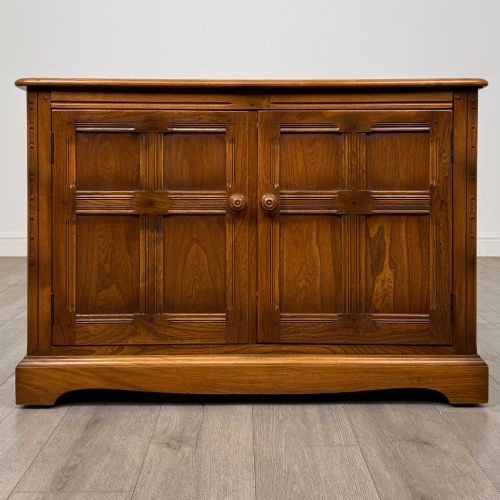
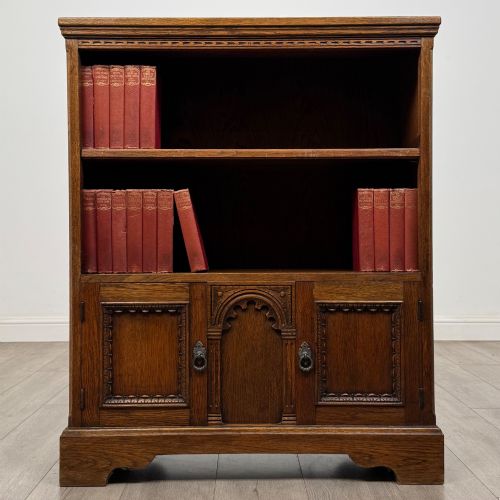
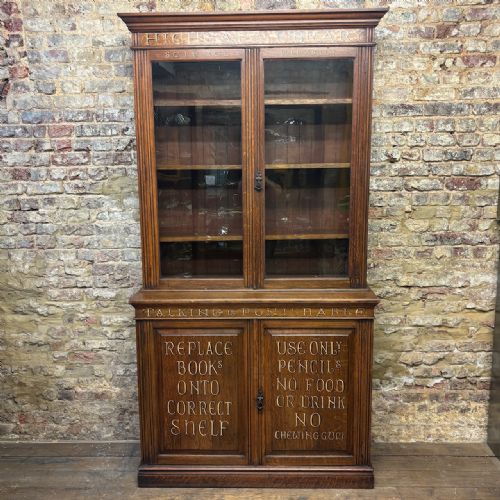
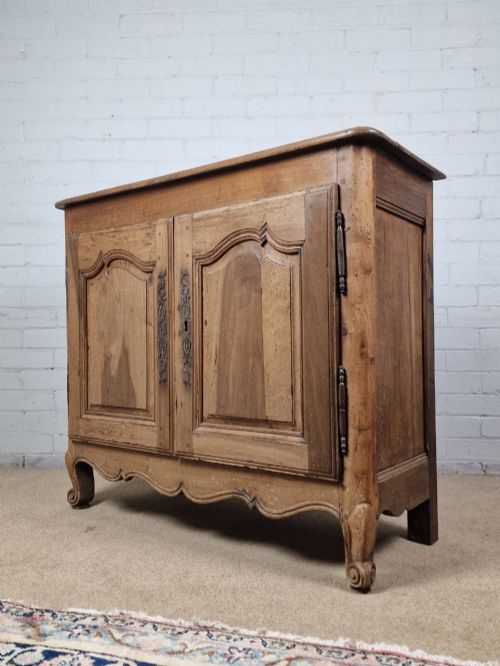
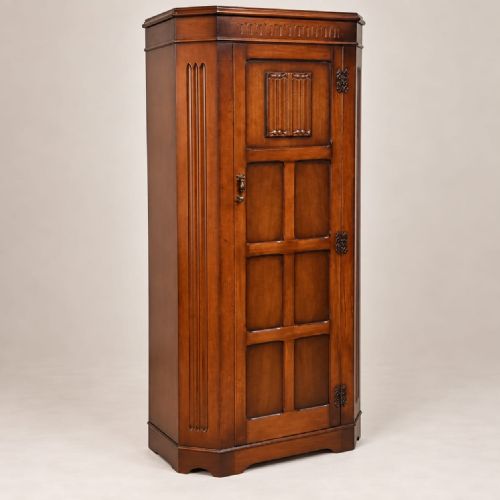
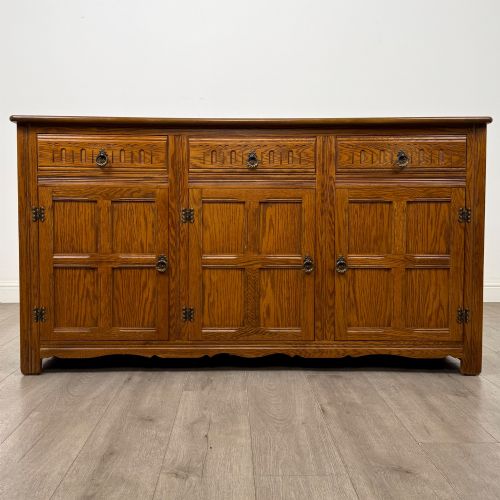
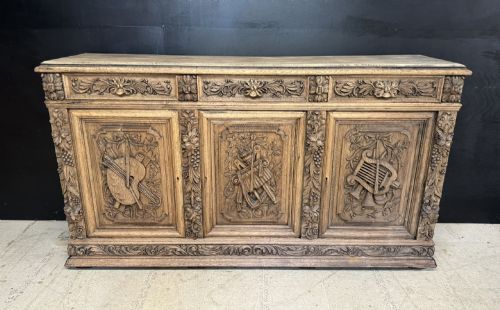
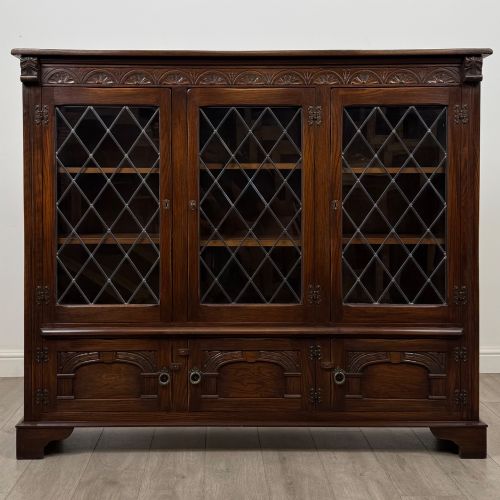
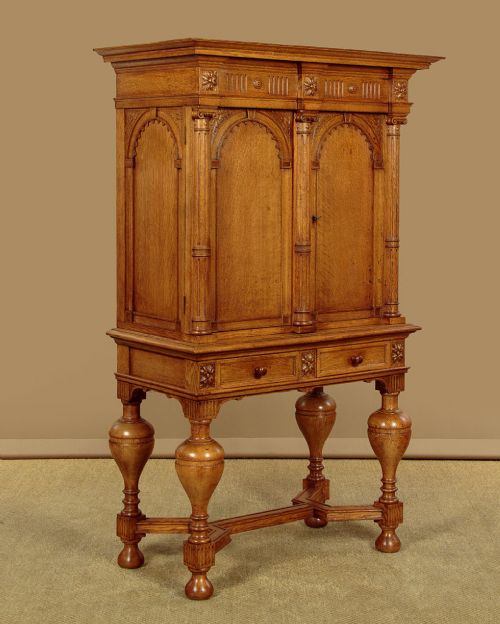
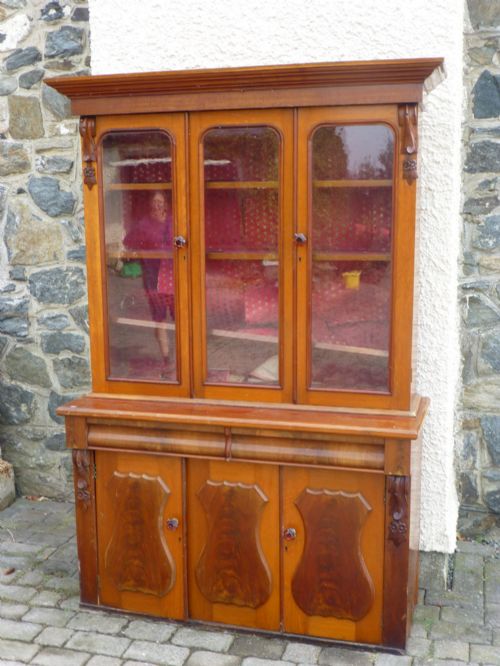
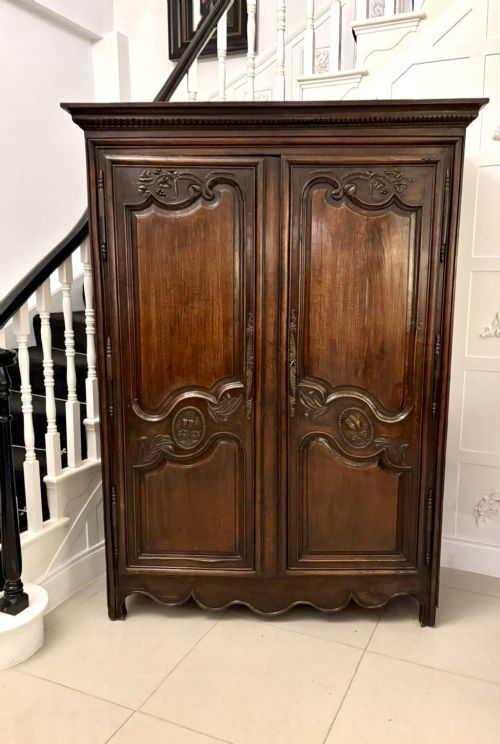
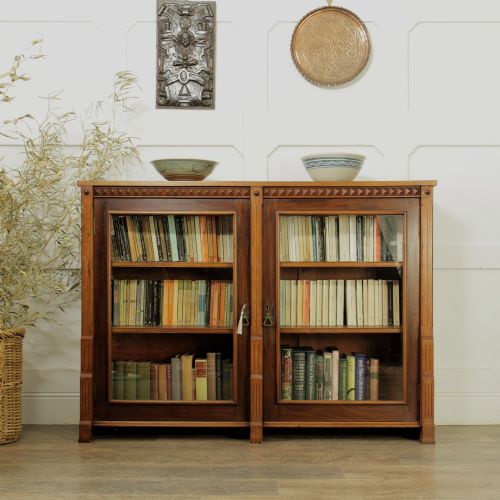
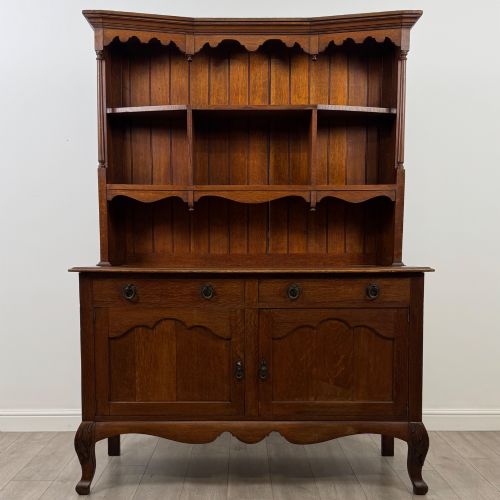
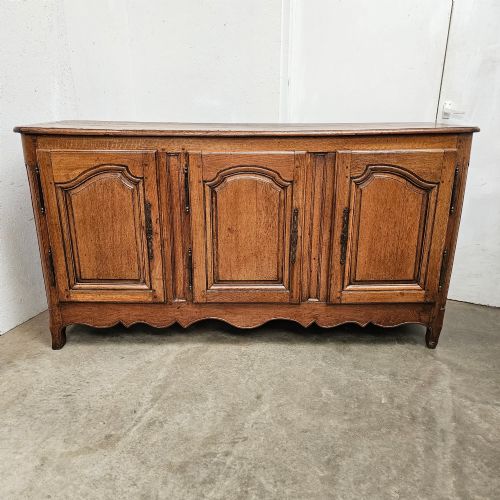
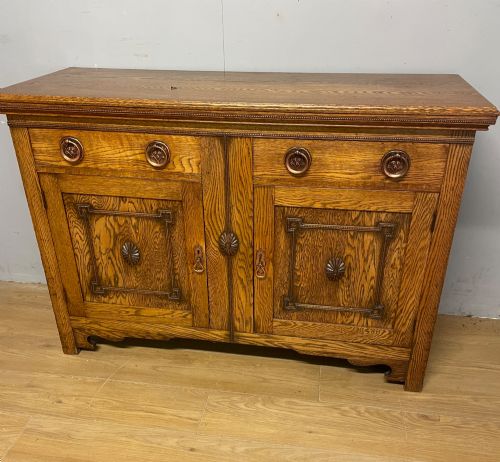
Carved oak cabinet doors emerge from a diverse range of furniture pieces spanning multiple centuries, from 17th century French provincial armoires to Edwardian cupboards and Victorian bookcases. These panels reflect historical shifts in domestic storage, appearing on sideboards, wardrobes, dressers, and display cabinets across English and continental traditions.
Buyers browsing this selection most frequently encounter Edwardian and 19th century examples rendered in golden or dark oak, often incorporating styles such as Jacobean Revival, Gothic Revival, and Arts and Crafts. The inventory captures everything from small bedside cabinet portals to grand armoire panels, demonstrating how timber was shaped and assembled over generations.
Materials and construction techniques
Makers relied primarily on solid oak, sometimes paired with secondary timbers like mahogany, walnut, or deal, utilising traditional frame-and-panel construction to accommodate the natural expansion and contraction of wood. Carved ornamentation - ranging from linenfold motifs to deep relief foliage - was hand-chiselled directly into the timber before assembly.
Hardware played an essential functional and decorative role, with original brass, iron, wrought iron, and lead mounts securing the panels. Glazed sections occasionally incorporated leaded glass panes, while surface finishes varied from polished golden oak patination to darker historic waxes.
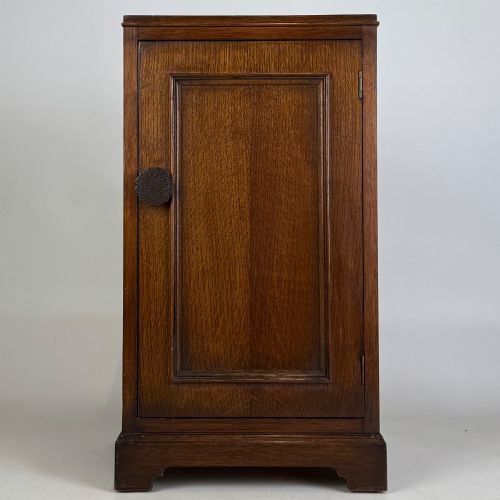
One unexpected Victorian bedside cabinet hides its carved oak doors behind a brilliantly painted black pine exterior.
Factors of quality and execution
The distinction between standard utility items and superior examples lies in the depth and crispness of the carving, where hand-executed relief work displays far greater nuance than mechanical or shallow tooling. Superior panels maintain tight corner joints and well-balanced proportions that resist warping over decades of atmospheric change.
Material selection also dictates overall merit, with figured golden oak or dense pollard oak yielding richer visual depth than plain utility timber. Original hardware, intact glass, and untouched period patination elevate a piece well beyond standard replacements.
The Carved Oak Cabinet Doors Glossary
- Linenfold
- A style of relief carving used on wooden panels to imitate folded cloth, popular in medieval and revival furniture. It creates a textured, vertical pattern across cabinet doors.
- Jacobean Revival
- A design style drawing on early 17th century English motifs, characterised by heavy proportions, geometric moulding, and strapwork carving. It resurfaced frequently in later Victorian and Edwardian pieces.
- Frame and panel
- A construction method where a central floating panel sits within a grooved outer frame, allowing the wood to expand and contract safely with humidity changes.
- Pollard oak
- Timber taken from trees that were pollusted or cut back close to the trunk, producing a dense, highly figured grain pattern prized for fine cabinet work.
- Enfilade
- A suite of rooms or a long piece of furniture with a series of continuous doors, often taking the form of a grand French sideboard or cabinet.
Carved Oak Cabinet Doors: Frequently Asked Questions
What periods do these carved oak doors represent?
The selection spans several centuries, including 17th century examples, 19th century Victorian pieces, and various early 20th century eras such as the Edwardian period and the 1920s and 1930s.
Stylistic influences cross multiple design movements, encompassing Jacobean Revival, Gothic Revival, Arts and Crafts, and French Provincial traditions.
How can I distinguish between revival styles and earlier pieces?
Distinguishing periods relies on examining construction methods, tool marks, and timber patination alongside characteristic stylistic flourishes. 17th century work often displays hand-riven boards and pegged joints, whereas 19th century revivals utilise mechanised sawmill techniques while imitating earlier motifs.
Hardware styles, secondary woods, and lock mechanisms also provide reliable clues for dating individual items accurately.
How should I care for historic oak panels?
Maintaining historic timber requires stable indoor humidity and temperature levels to prevent the oak from drying out or splitting. Direct sunlight and proximity to heat sources should be avoided to protect the original finish and patination.
Occasional application of suitable beeswax helps nourish the grain without building up heavy residue or attracting dust.
What types of furniture featured these carved doors?
Carved oak doors appear on a wide variety of domestic storage furniture, ranging from tall library bookcases and display cabinets to sideboards, dressers, and wardrobes. Smaller items like bedside cabinets, table cabinets, and corner units also frequently incorporate carved panels.
Continental pieces like French armoires and enfilades showcase particularly grand expanses of carved woodwork.