

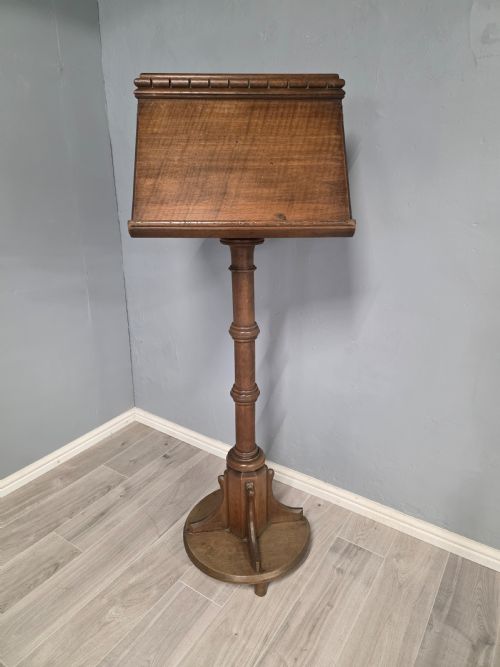


Carved Oak Bible Desk
These pieces are solid timber storage boxes and stands made to hold scriptures, ranging from seventeenth-century slant-front examples to later lecterns.
Carved Oak Bible Desk
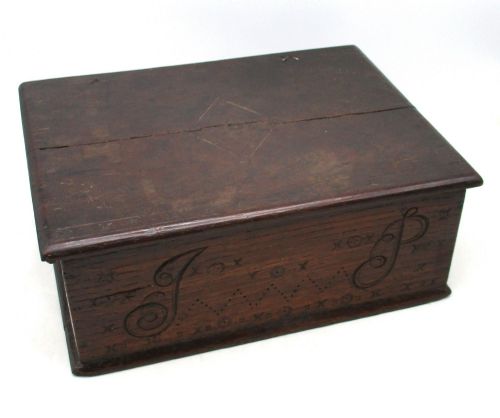
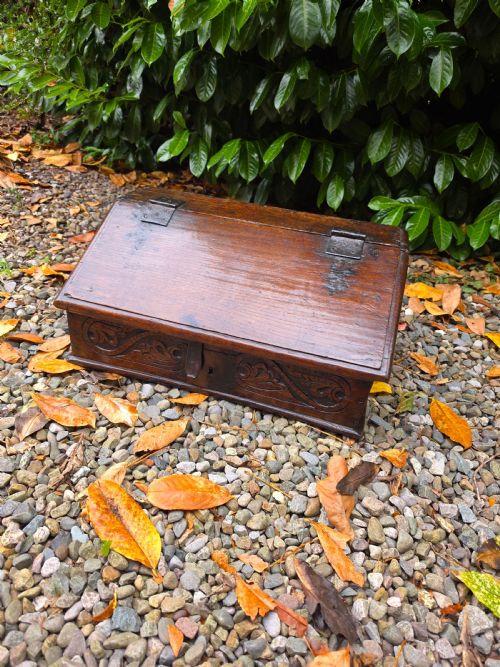
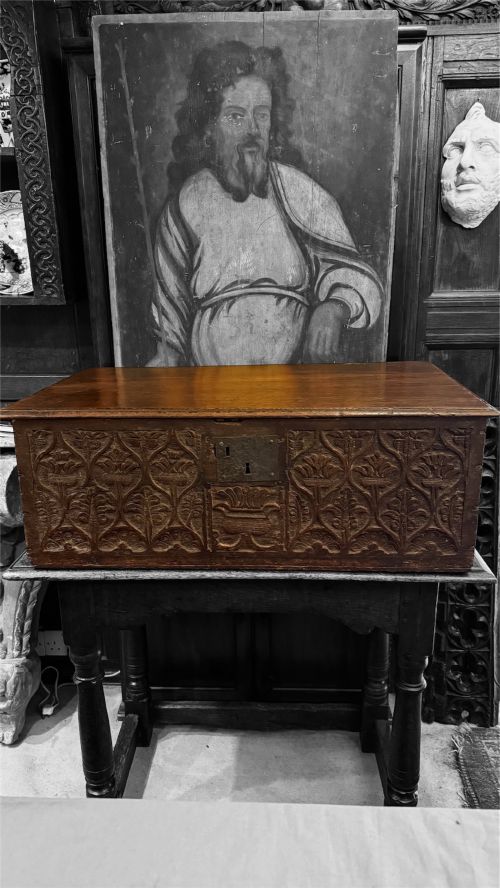
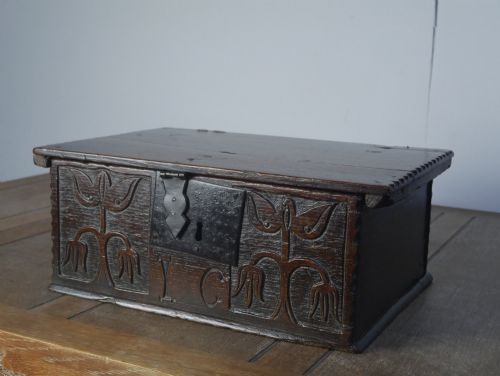
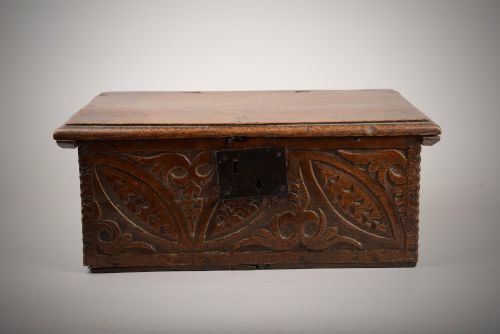
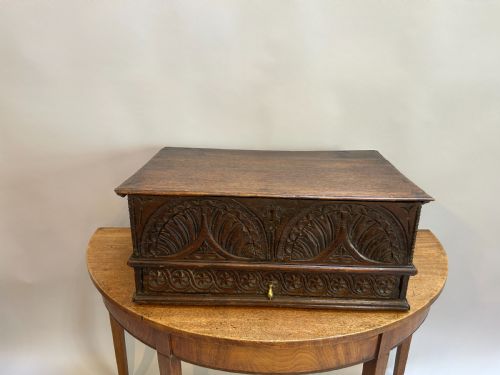
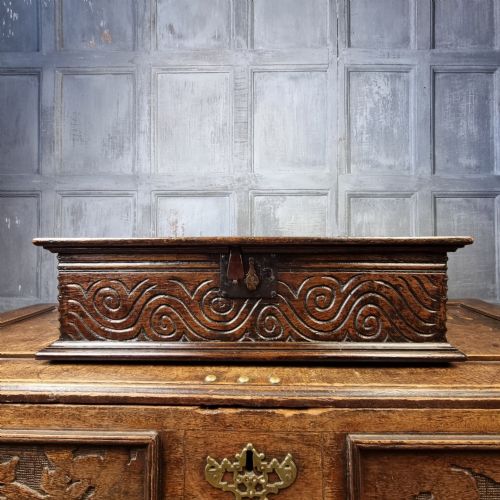
When you search for carved oak bible desk, you find a collection spanning the seventeenth, eighteenth, and nineteenth centuries, along with Edwardian and Victorian revisions. The most frequent form on this page is the seventeenth-century table or desk box designed to house sacred texts and documents, often featuring a sloping lid.
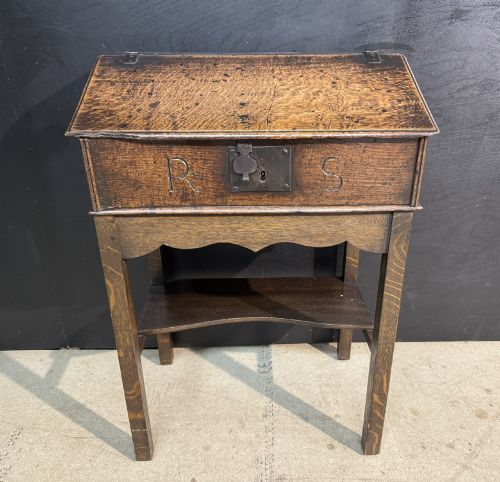
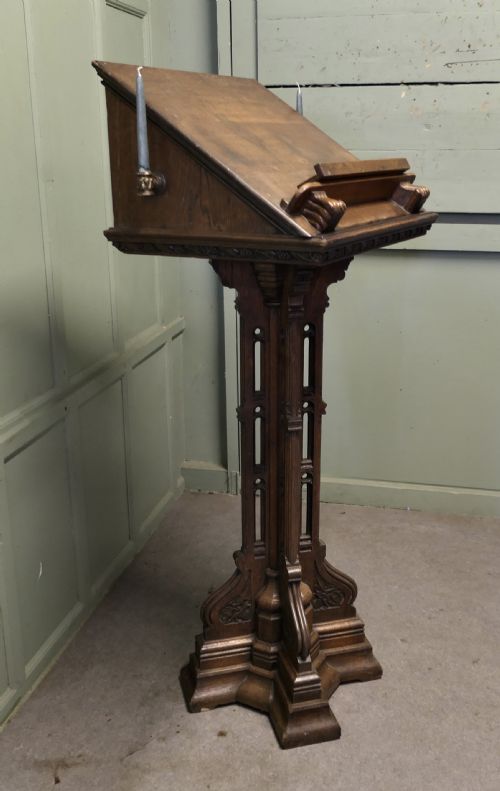
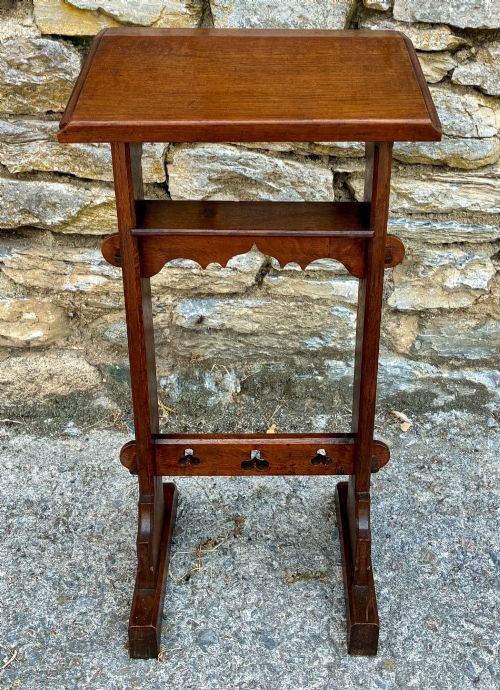
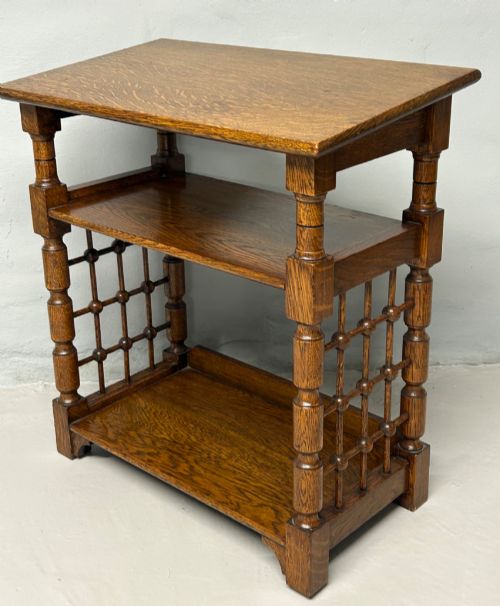
Beyond standard boxes, the selection includes ecclesiastical lecterns, reading podiums, and writing slopes. Certain examples sit on bespoke or original stands, incorporating internal drawers and carved friezes.
Origins stretch across English and Welsh workshops, utilising period styling such as Jacobean, Gothic Revival, and William and Mary. These items served functional domestic and church roles, preserving important volumes and papers.
How they were made
Construction relies primarily on oak timber, occasionally embellished with contrasting holly and bog oak inlay. Makers employed traditional joinery techniques suitable for heavy hardwood boxes and reading stands.
Metalwork details incorporate iron and brass, particularly on hinges, escutcheons, and reading stands. Surfaces display chip carving, geometric panels, and carved friezes executed by hand.
The listings span from the seventeenth century through the Victorian era, utilising oak alongside brass, iron, holly, and bog oak.
What varies in quality
Quality depends upon the depth and crispness of the original carving on the front panels and friezes. Finer boxes retain their original internal fittings, such as small drawers and dividers, rather than later replacements.
The integrity of the timber, the presence of period hardware, and documented provenance distinguish superior examples from heavily restored or later adaptations.
The Carved Oak Bible Desk Glossary
- Bible box
- A small portable wooden chest with a sloping or flat lid built to hold a family bible or important documents. These boxes were often placed on tables for reading.
- Lectern
- A raised stand with a slanted top designed to hold a book for a reader to use while standing. Examples here include church and reading podium variations.
- Writing slope
- A box with an angled top that opens to provide a slanted surface for writing letters. They frequently contain internal compartments for ink and quills.
- Chip carving
- A form of relief decoration where small chips are removed from a single surface of wood to create geometric patterns. This technique appears on seventeenth-century pieces.
Carved Oak Bible Desk: Frequently Asked Questions
What is a bible box used for?
These boxes stored sacred texts, parish registers, and legal documents securely in homes or churches. The hinged sloping lid allowed them to double as a portable desk surface for reading and writing.
Placed upon tables or chests, they kept heavy volumes protected from dampness and wear. Later variants evolved into dedicated desk boxes and reading stands.
How do I date an oak bible box?
Dating relies on construction methods, hinge types, and decorative motifs such as chip carving or specific panel styles. Seventeenth-century examples often display pegged joinery and simpler geometric or floral carved friezes.
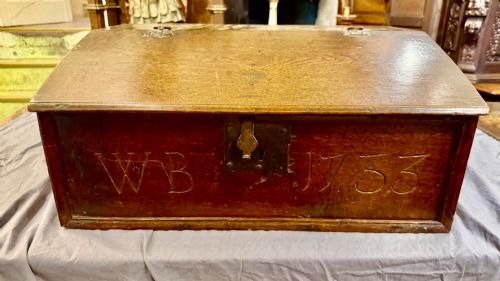
Initial carvings and dates inscribed directly onto the wood also provide direct clues to the year of origin. Later nineteenth-century revivals tend to mix gothic elements with machine-finished hardware.
Were these boxes made for churches or homes?
Many early pieces served domestic settings, holding household bibles and family papers. Others were commissioned specifically for ecclesiastical use as church lecterns and verger's boxes.
Provenance notes occasionally link individual boxes to specific manors or parishes. Their sturdy oak construction suited heavy daily handling in both environments.
What is the difference between a desk box and a lectern?
A desk box is a lidded container designed to sit flat on a table, combining storage space with a reading slope. A lectern is a freestanding or table-standing frame built purely to support an open book at a comfortable reading angle.
Lecterns often feature decorative architectural woodwork or brass work without internal storage compartments. Desk boxes prioritize enclosed space beneath the writing surface.