





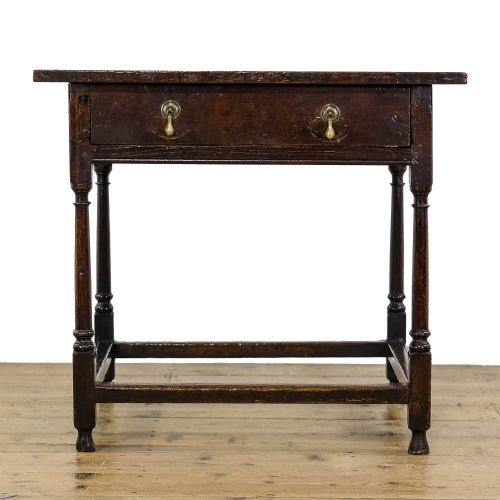


Period Oak Table Box
A period oak table box satisfies the domestic need for secure, portable storage while anchoring a room in heavy timber.
Period Oak Table Box
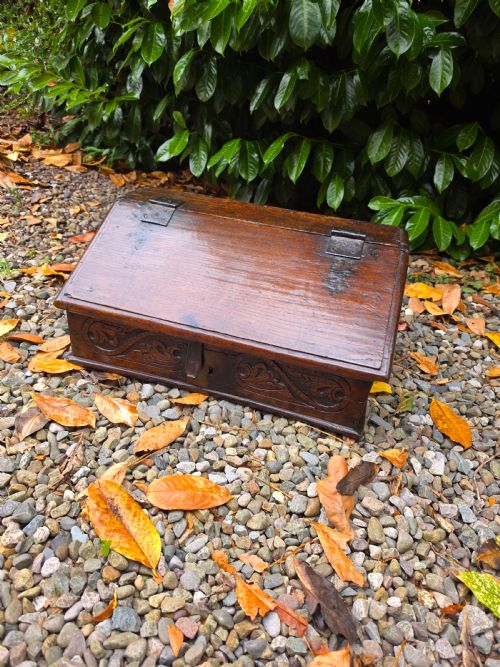
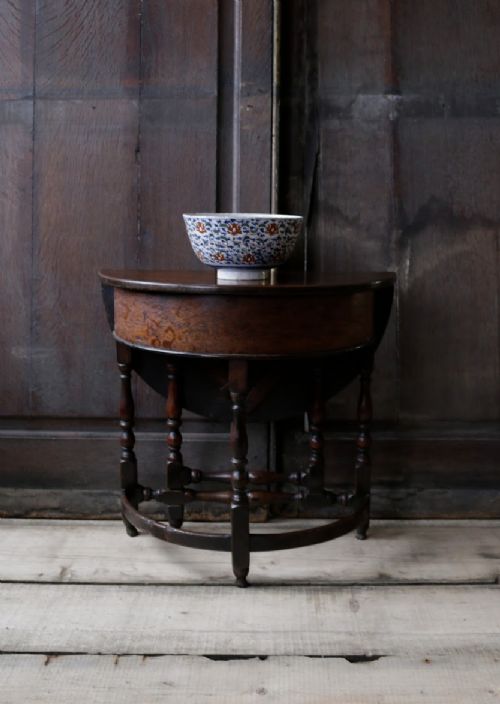
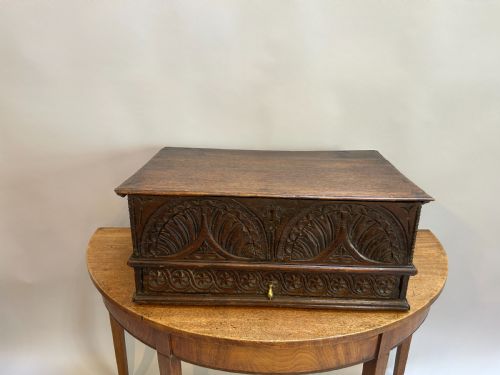
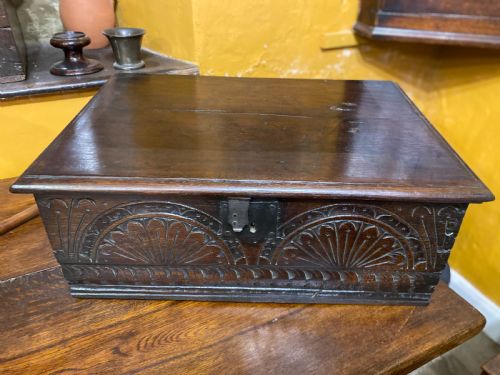
A period oak table box encompasses sturdy lidded containers and compact surface furniture designed for writing or safekeeping valuables. The examples gathered under this search phrase range from early box stools and slant front bible boxes to small side tables and drop flap work tables.
The versions most frequently met on this page date from the seventeenth century through to the nineteenth century, reflecting Jacobean, William and Mary, and Georgian tastes. Makers of these pieces utilised solid timber formats intended to sit upon larger furniture or serve dual purposes in domestic interiors.
Materials and construction
The primary material across these pieces is solid oak, frequently supplemented by pollard oak, alongside structural or decorative additions in brass and iron. Joinery methods of the period relied upon pegged frames and panel construction to maintain stability in dense wood.
Surface finishes include carved fronts, demi-lune panel details, and leather inserts on specialised desks or work tables. The construction prioritised durability, resulting in heavy, robust forms capable of enduring centuries of daily handling.
Period Oak Table Box Retail Price Guide 2026
Typical asking prices for period oak table box among the pieces listed under this phrase on Sellingantiques today, from the lower quarter to the upper quarter. They describe what is for sale here now, not the wider market.
Current listings feature seventeenth-century oak pieces alongside nineteenth-century Victorian and Regency examples.
Distinctions in quality
Superior quality in a period oak table box is evident in the crispness of seventeenth-century carving and the integrity of the original timber grain. Finer pieces display thoughtful proportions and harmonious integration of decorative elements like brass hinges or iron latches.
Lesser examples show heavy alterations, replacement panels, or a loss of original surface patination through aggressive stripping. The distinction lies in the survival of authentic period joinery and the uncompromised character of the oak.
The Period Oak Table Box Glossary
- Bible box
- A small, sloped wooden chest historically used to store sacred texts and writing materials securely. These containers often feature hinged lids and fitted interior compartments.
- Joint stool
- A sturdy, mortise and tenon framed wooden seat constructed by a joiner rather than a turner. These items provide stable low seating or elevated surfaces for small boxes.
- Pollard oak
- Timber taken from trees that have been pollarded, producing a distinctive, highly figured burl grain. Cabinet makers utilised this timber for decorative veneer and visual contrast.
- Jacobean
- The style of English design spanning the early seventeenth century, characterised by heavy proportions and geometric carved ornamentation. Pieces from this period exhibit deep relief carving and dark patination.
Period Oak Table Box: Frequently Asked Questions
What is a table box?
A table box is a portable wooden container designed to sit on top of a larger table or desk for storing papers, books, or valuables.
These pieces combine the utility of a chest with the accessibility of a desktop writing slope.
How were bible boxes used?
Bible boxes served to protect sacred volumes from damp and damage in domestic households before dedicated libraries became common.
The sloping lids also provided a convenient slanted surface for reading or writing correspondence.
How do I identify seventeenth century oak?
Seventeenth century oak displays distinct medullary rays, often called silver grain, running perpendicular to the growth rings. Hand-cut joinery marks and pegged joints further confirm the early date of manufacture.
Where should I place a box stool?
A box stool functions well as an occasional seat or a low bedside surface that offers hidden interior storage.
Keep the piece away from direct heat sources to protect the historic oak timber from drying out.