


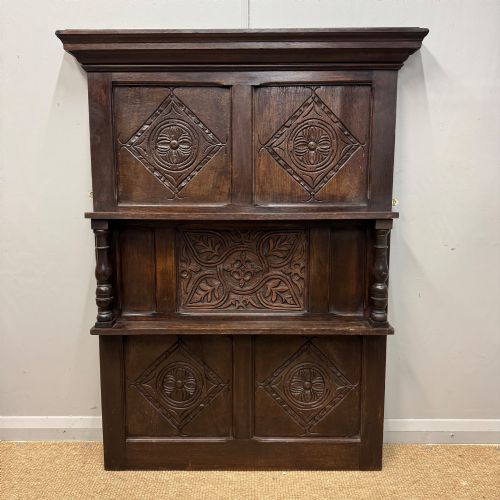
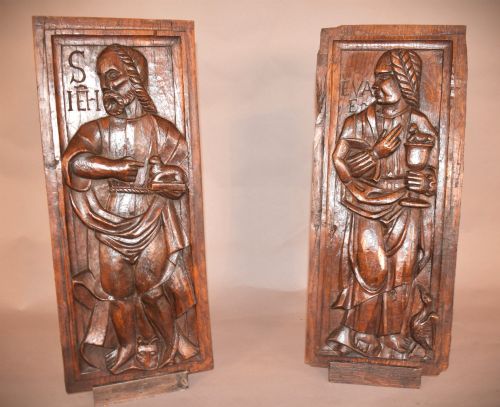
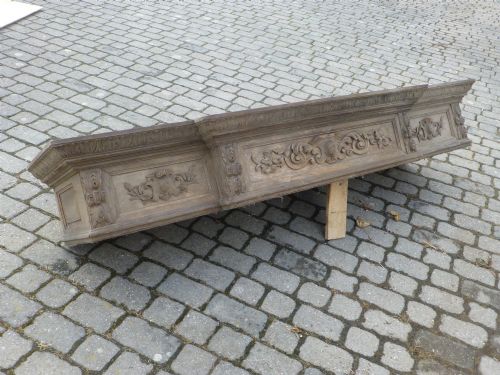
Carved Oak Architectural Salvage
Carved oak architectural salvage brings centuries of craftsmanship into modern spaces through surviving fragments of historic buildings.
Carved Oak Architectural Salvage
When you search for carved oak architectural salvage, you encounter surviving fragments from historic interiors and buildings, spanning centuries of craftsmanship.
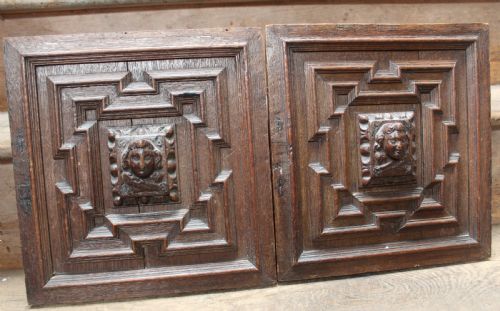
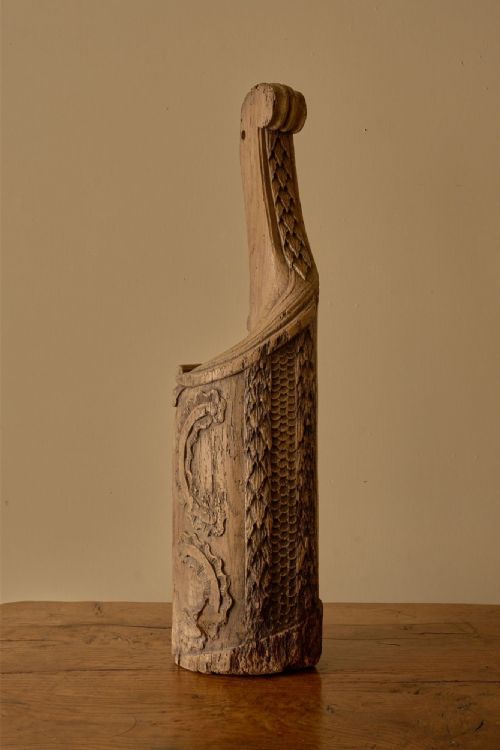
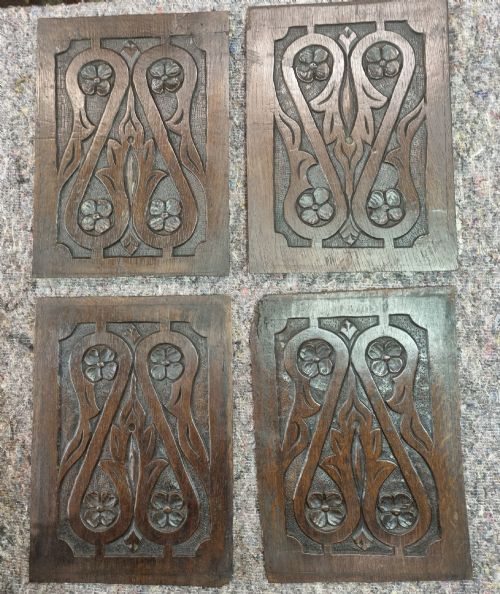
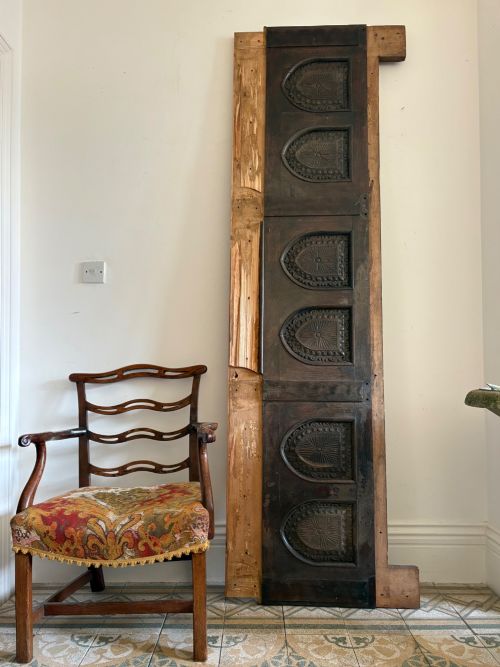
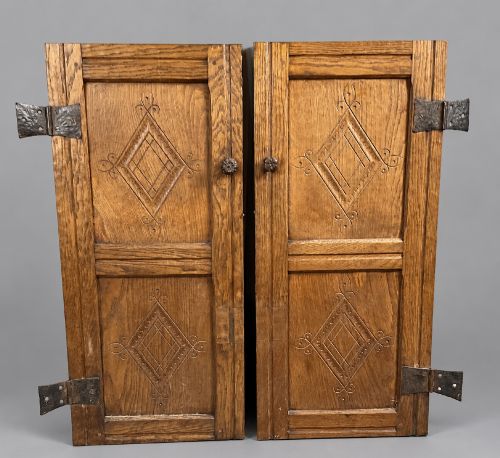
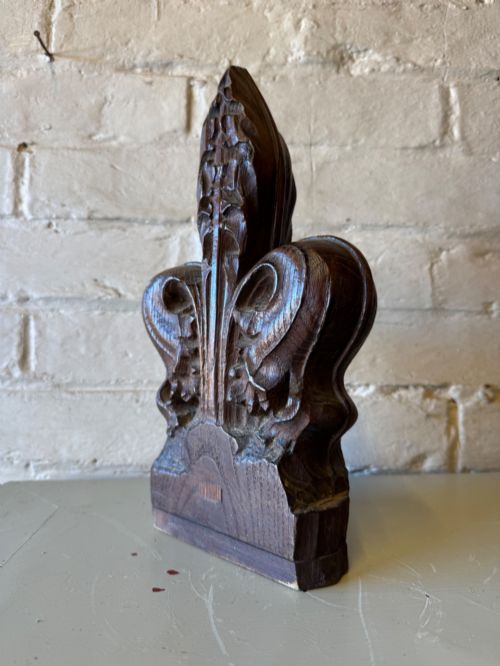
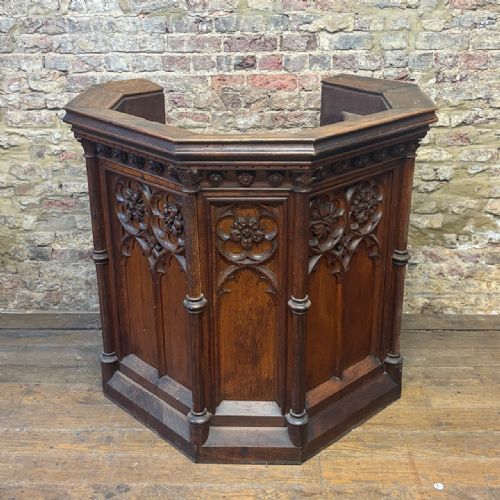
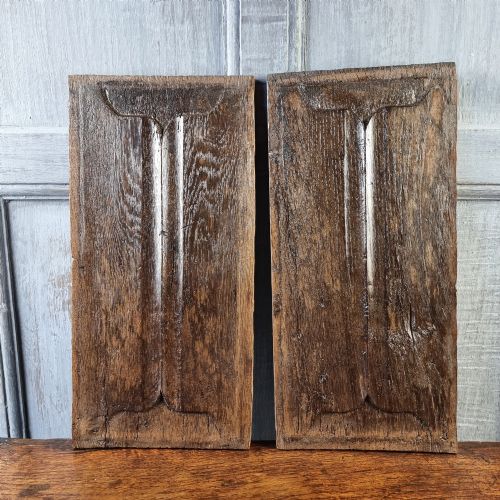
The pieces appearing here include wall panels, linenfold panels, fire surrounds, doors, pulpits, overmantels, bed canopies, and ceiling bosses.
Origins stretch from the medieval period and the sixteenth century through the seventeenth and eighteenth centuries, alongside nineteenth-century revivals.
Materials and Techniques
The primary material is timber, predominantly oak and occasionally walnut, shaped through hand carving and sometimes finished with paint.
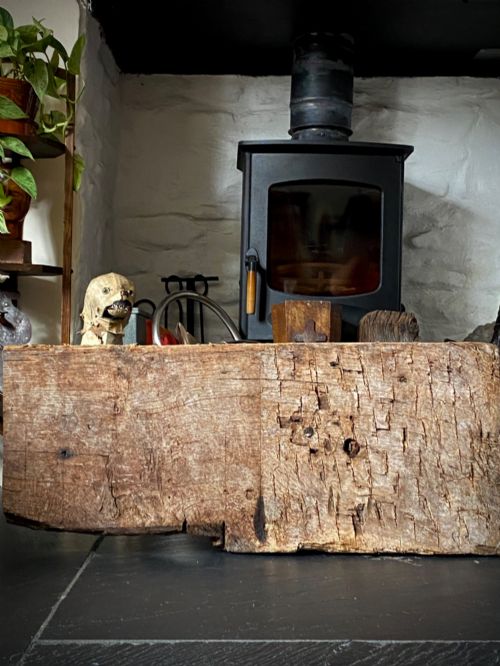
Joinery methods reflect traditional construction, utilising heavy timber frameworks, pegged joints, and relief carving techniques suited to structural and decorative elements.
Carved Oak Architectural Salvage Retail Price Guide 2026
Typical asking prices for carved oak architectural salvage among the pieces listed under this phrase on Sellingantiques today, from the lower quarter to the upper quarter. They describe what is for sale here now, not the wider market.
Listings span periods from pre-sixteenth century medieval fragments up to the early twentieth century, incorporating oak, walnut, paint, iron, and granite.
Distinctions in Quality
Quality rests in the depth, crispness, and artistic ambition of the hand carving, separating routine joinery from sculptural masterworks.
The integrity of the surviving timber, the clarity of period tool marks, and the preservation of original surface patination dictate the standing of each piece.
Edward Pearce
The Carved Oak Architectural Salvage Glossary
- Linenfold
- A style of wood panelling carved to resemble folded vertical sheets of linen. It became popular during the Tudor period.
- Corbel
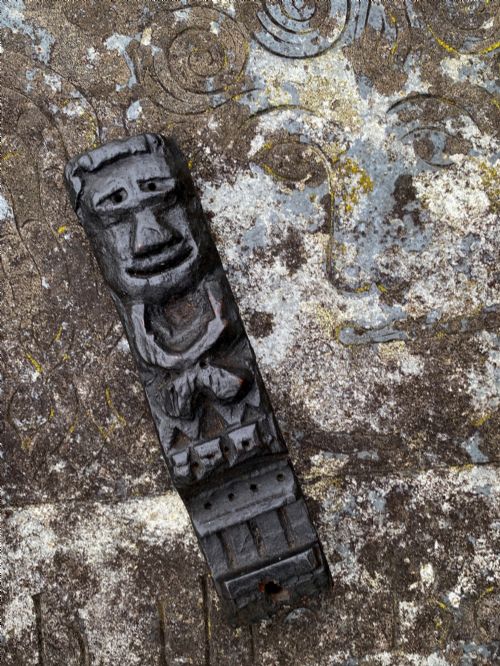
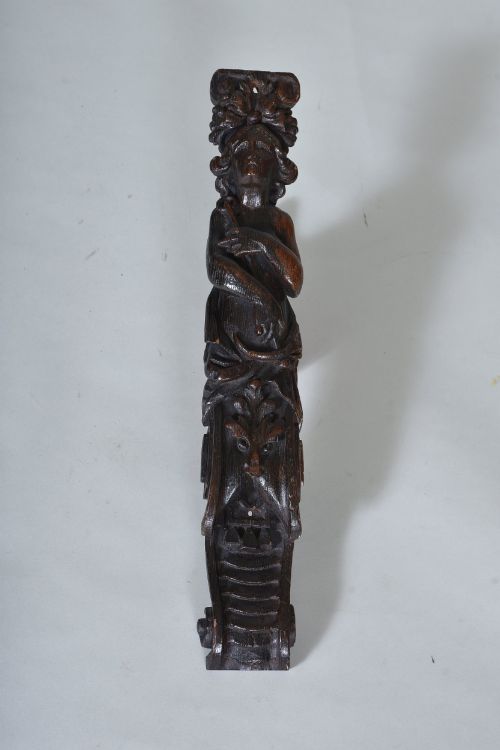
- A structural piece of stone or timber projecting from a wall to carry a weight. These often take ornate carved forms.
- Ceiling Boss
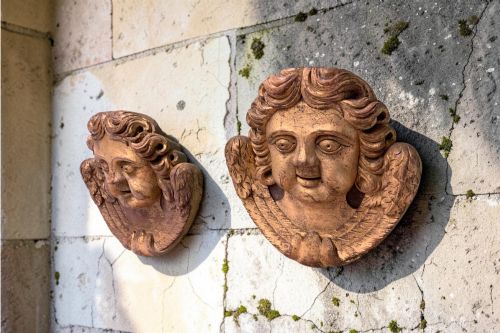
- A decorative projecting block at the intersection of ribs in a ceiling or vault. They frequently feature floral or figural motifs.
- Tracery
- Openwork stonework or woodwork supporting glass in a window or applied as a decorative wall panel. It is heavily associated with Gothic design.
Carved Oak Architectural Salvage: Frequently Asked Questions
How were architectural fragments used originally?
These elements served structural and decorative roles inside churches, chateaux, and grand houses, forming parts of ceilings, walls, and pulpits.
Over time, portions of these buildings were dismantled, allowing decorative carvings and structural timbers to enter circulation as salvage.
How do I incorporate salvaged carvings into modern interiors?
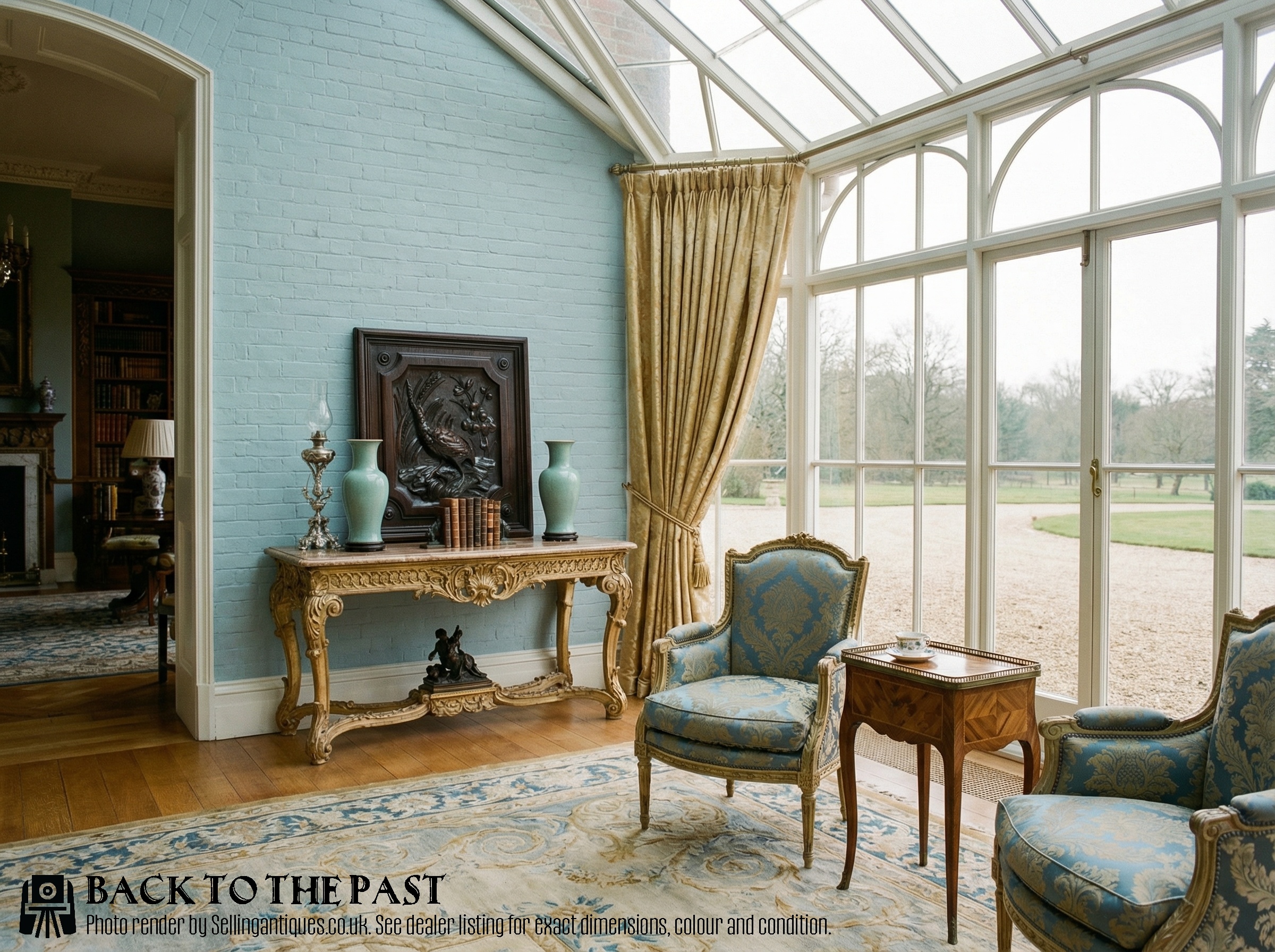
Panels and friezes mount directly onto walls as standalone artworks, while larger pieces integrate into bespoke joinery or mantels.
Placing historic timber against plain modern surfaces highlights the depth and texture of the original hand carving.
How can I tell sixteenth-century work from nineteenth-century revivals?
Early pieces display irregular tool marks, dense timber weight, and natural wear consistent with centuries of handling.
Revival pieces often show the stylistic influences of Gothic or Elizabethan revivals, matching the aesthetic preferences of later centuries.
What is the difference between a corbel and a bracket?
Corbels project specifically to support a weight like a beam, balcony, or shelf, often featuring figural or architectural carving.
Brackets serve a similar load-bearing or decorative function beneath shelves and overmantels, though the terms sometimes overlap in listings.