

Carved Mahogany Tripod Stand
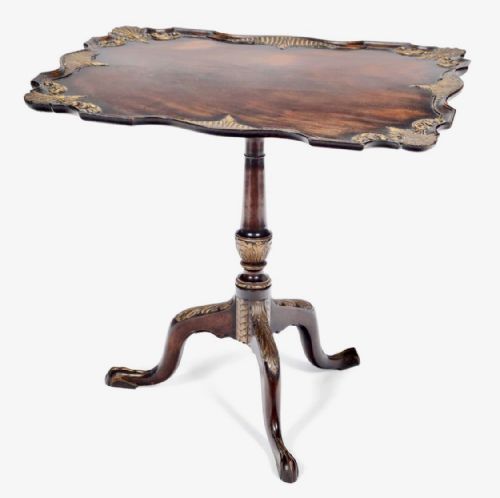
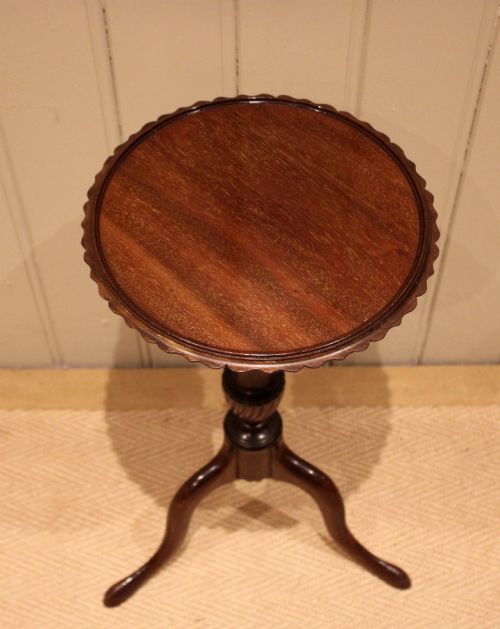
These carved mahogany tripod stand examples combine solid timber construction with slender three-legged bases for versatile placement in traditional rooms.
Carved Mahogany Tripod Stand
When you search for a carved mahogany tripod stand, you encounter a variety of small support furniture designed for specific domestic tasks. The selections on this page span several centuries, with particular emphasis on 18th century, Regency, and Victorian periods.
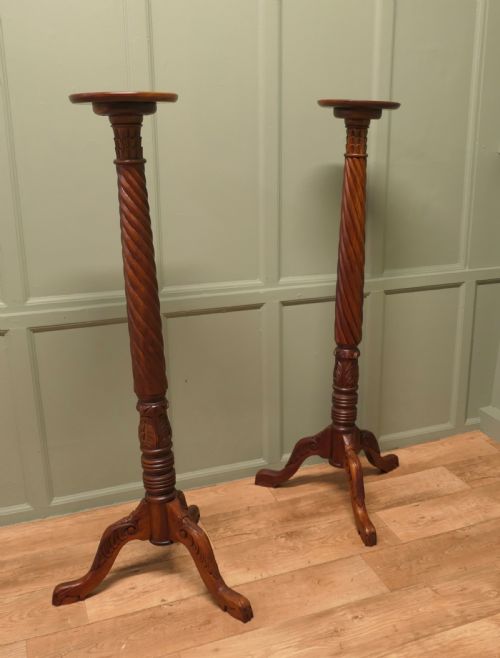
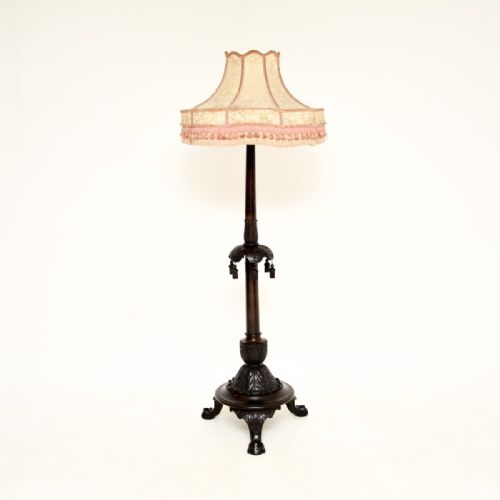
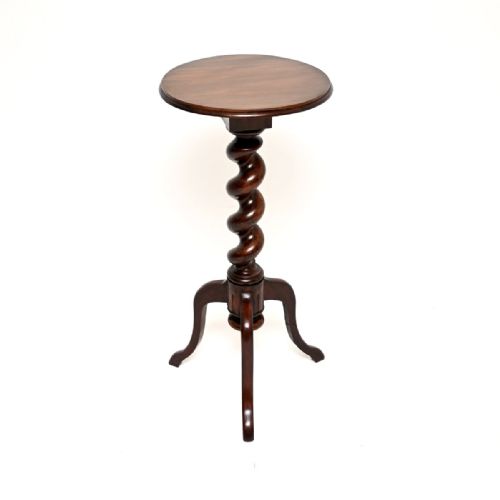
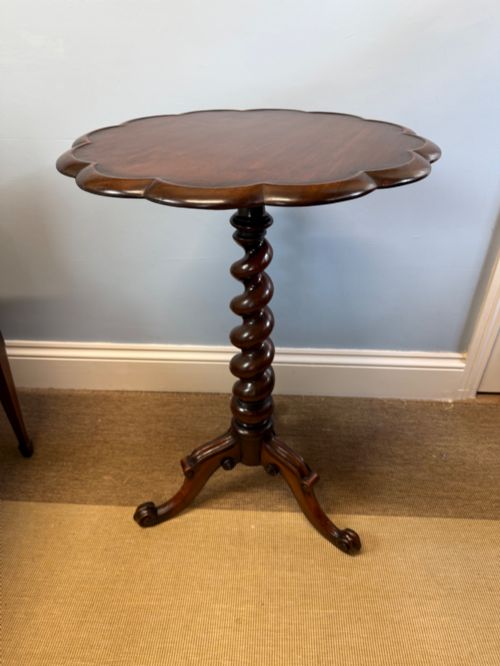
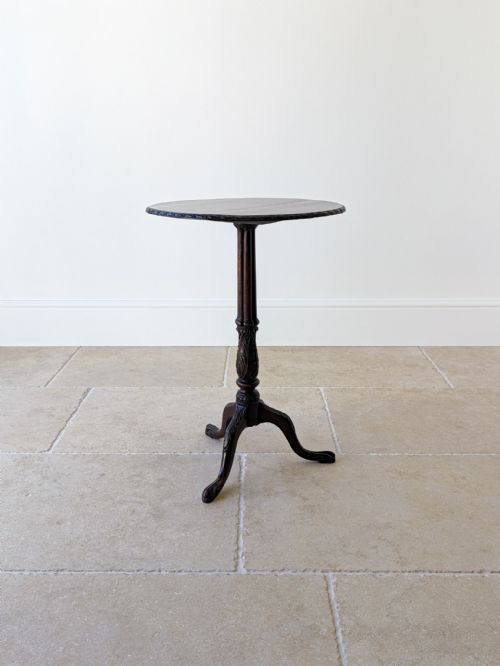
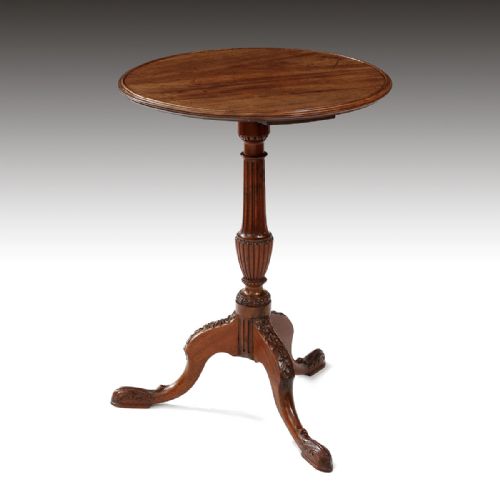
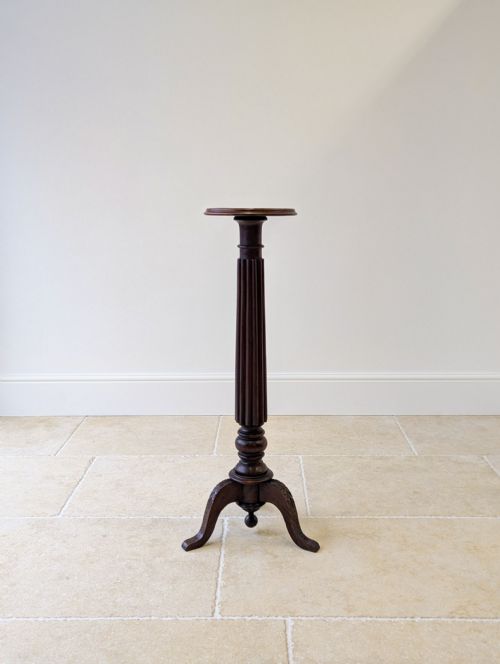
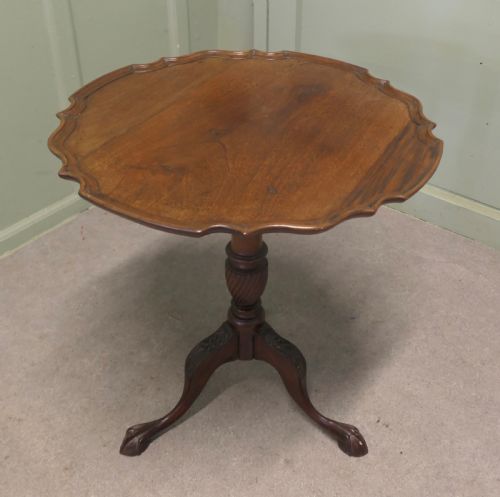
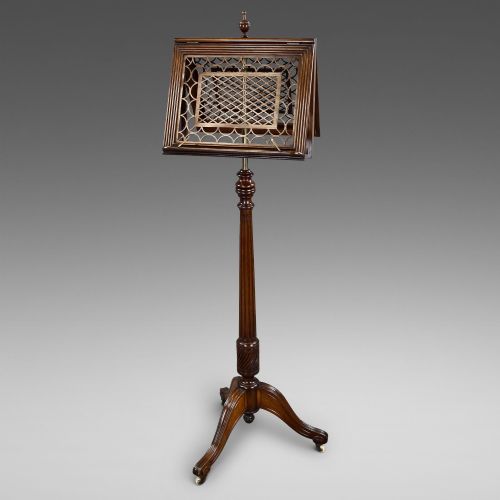
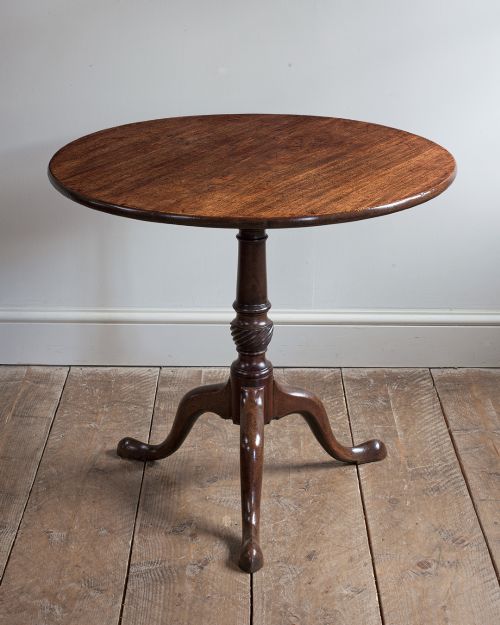
The primary forms appearing in these listings include wine tables, occasional tables, plant stands, torcheres, and music stands. Most pieces rest on a central pillar supported by three splayed legs.
Originating predominantly from Georgian and Victorian eras, these stands function today as lamp tables, display surfaces, and occasional furniture in modern interiors.
How they were made
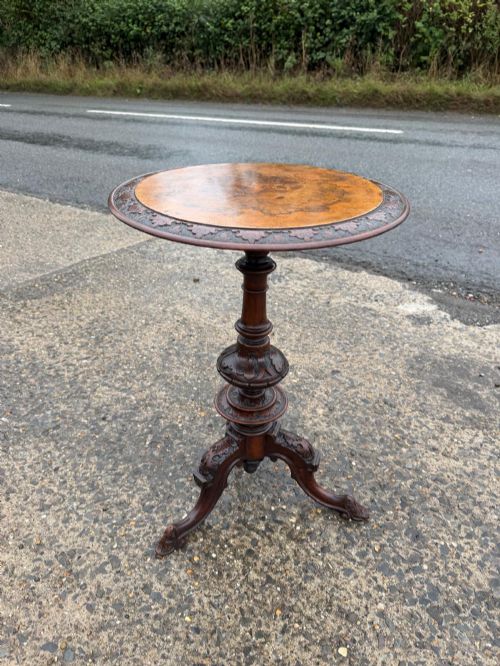
Cabinet makers utilised dense timber such as mahogany, frequently accented with walnut, oak, and burr wood veneers on the tops. Some examples incorporate brass fittings or subtle parcel gilt detailing to highlight carved motifs.
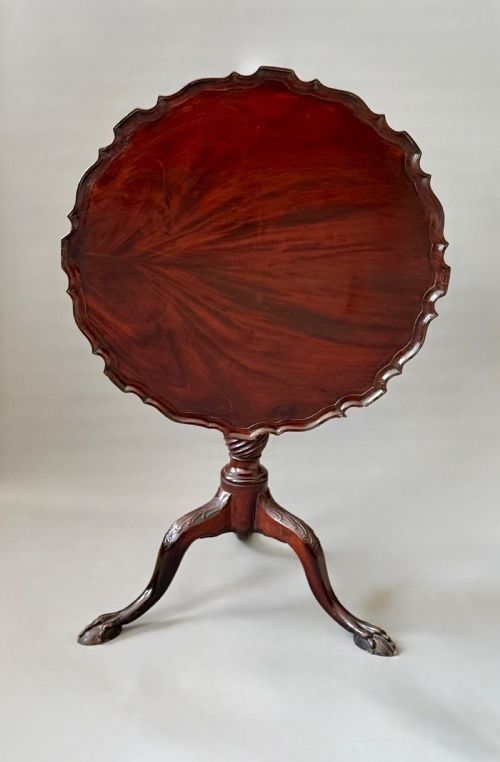
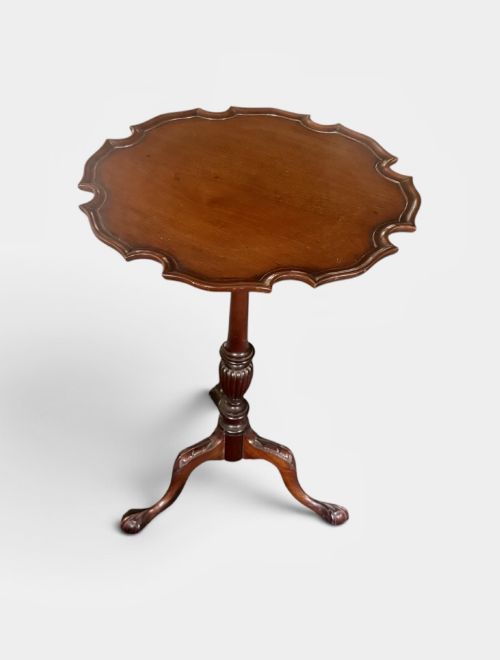
Construction methods rely on turned central columns joined to three shaped legs, often featuring tilt-top mechanisms or fixed tops with carved pie-crust rims and dishtop edges.
Some tilt-top stands spent centuries dodging elbows during Georgian dining sessions before retiring to hold modern reading lamps.
What varies in quality
The standard of carving on the knees, pillars, and edges distinguishes finer examples from simpler vernacular pieces. Crisp detailing in the Chippendale taste reflects superior workshop execution.
Timber selection and the integration of figured veneers like burr wood or rosewood elevate the visual weight of smaller surfaces. Structural stability in the tripod base and the original function of tilt mechanisms also affect the standing of an item.
Gillow
The Carved Mahogany Tripod Stand Glossary
- Tripod table
- A small occasional table supported by a central pillar and three legs. This construction prevents wobbling on uneven floors.
- Torchere
- A tall stand designed to hold a light or a plant. These slender items lift display objects to eye level.
- Tilt top
- A table top hinged to tip vertically when not in use. This feature allowed the furniture to be stored flat against a wall.
- Pie crust edge
- A raised, carved table rim shaped like pastry crimping. It prevents small items from rolling off the surface.
Carved Mahogany Tripod Stand: Frequently Asked Questions
What is a tripod stand used for?
These pieces traditionally served specific domestic tasks such as holding wine glasses, books, or candles near seating areas. Their compact footprints made them easy to move around panelled rooms as needed.
Today, they function well as lamp tables, plant holders, or display surfaces for decorative objects in both traditional and contemporary spaces.
How do I identify a Georgian stand?
Georgian examples often display characteristic carving styles influenced by Chippendale, featuring ball and claw feet or crisp gadrooning along the borders. The timber patination tends to show a deeper, richer reddish-brown tone developed over centuries.
Construction details such as hand-cut tenons and specific pillar turnings further distinguish 18th-century work from later Victorian and Edwardian revivals.
Where should I place a torchere?
Torcheres work best in empty corners or beside large pieces of furniture where their vertical height adds visual balance to a room. Because they have narrow footprints, they fit into tight spaces without blocking walkways.
They provide ideal platforms for trailing plants, urns, or modern table lamps that benefit from being elevated.