
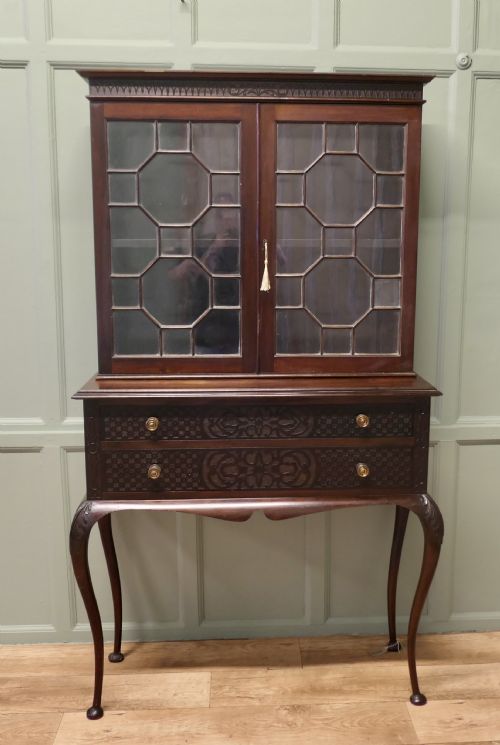
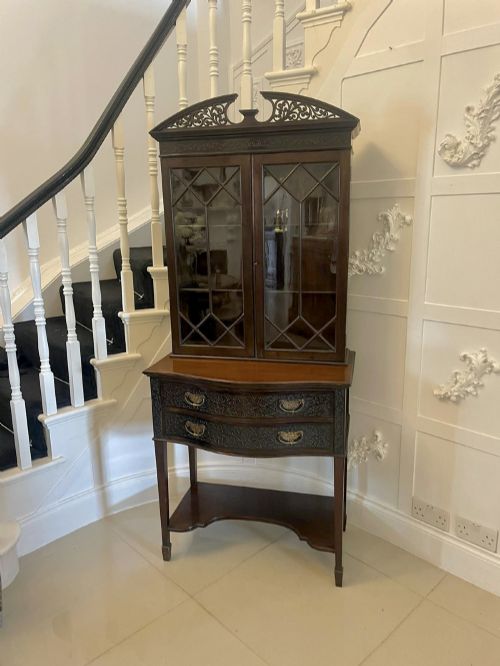
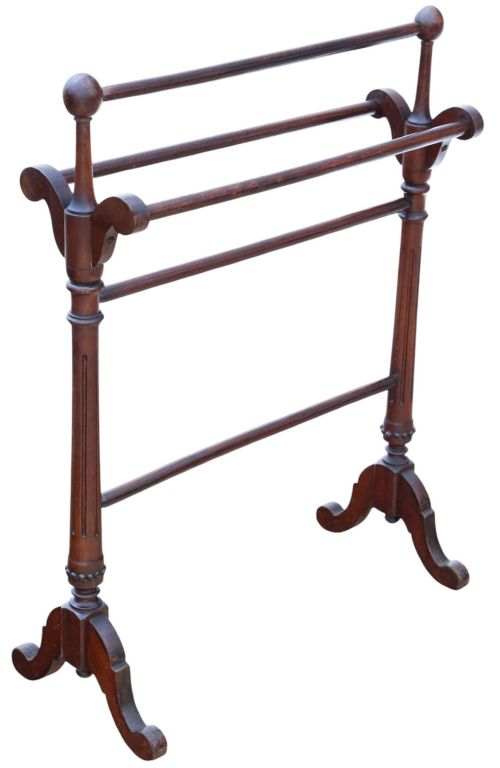
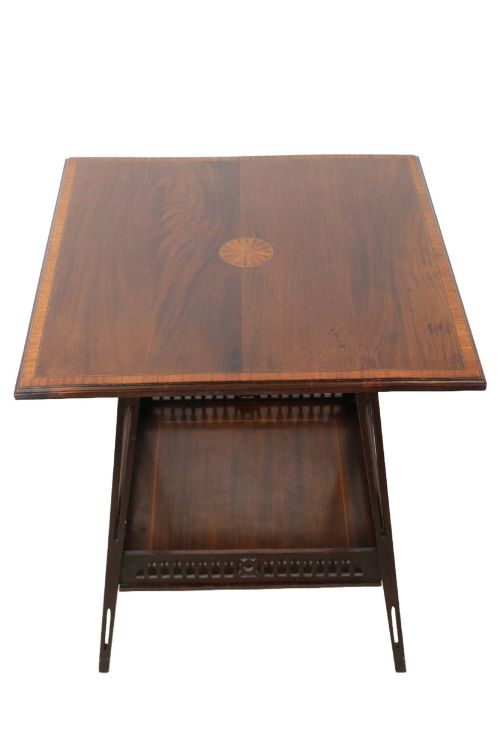

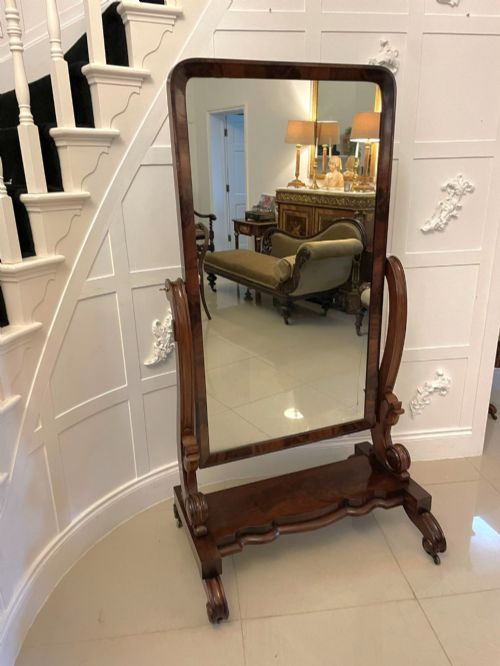
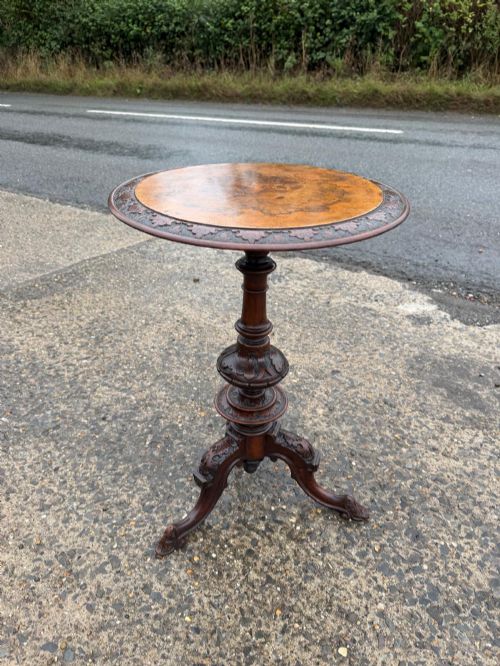
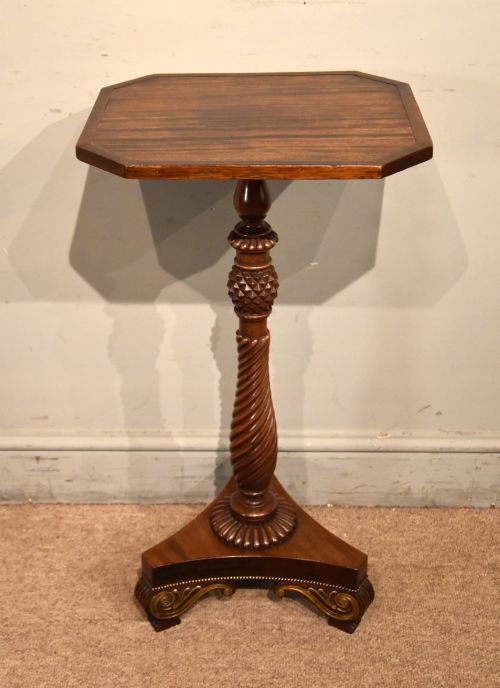
Carved Mahogany Stand
A carved mahogany stand brings solid timber architecture to the room, offering raised support for plants, lamps and displays.
Identifying the Carved Mahogany Stand
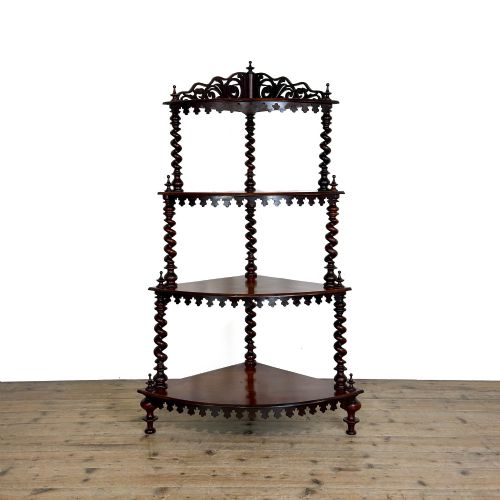
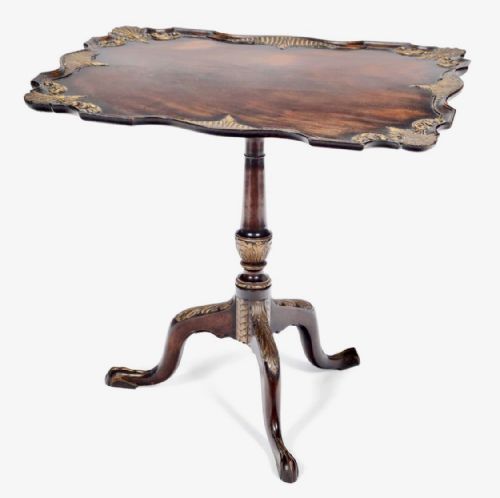
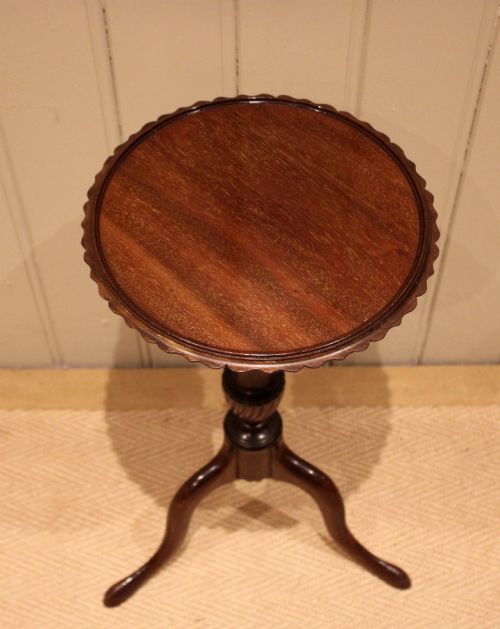
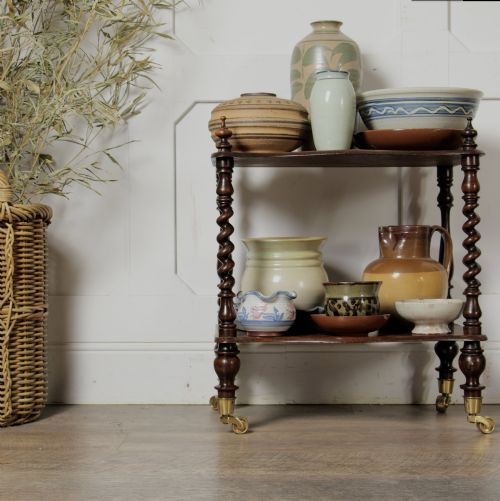
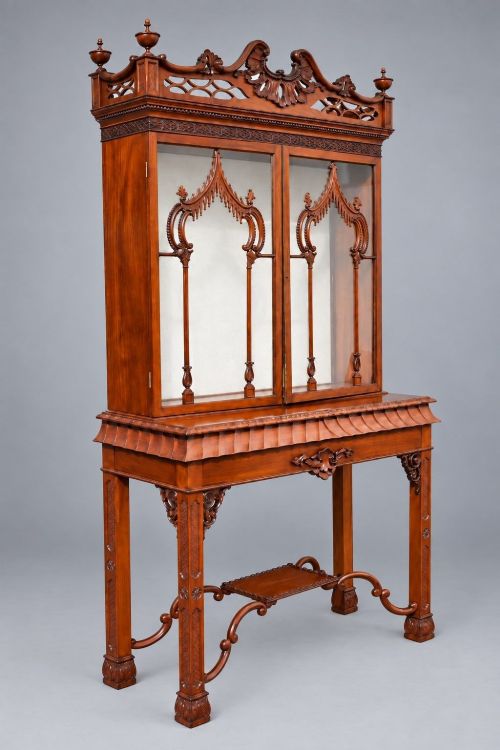
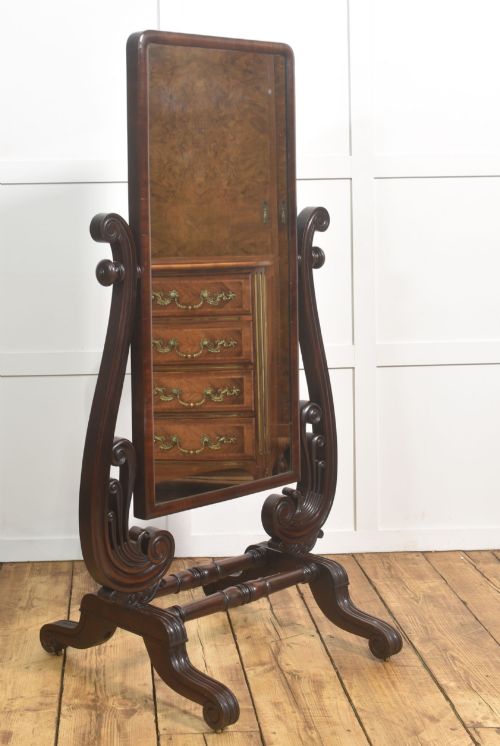
A carved mahogany stand spans utilitarian furniture and decorative display pieces, taking the form of torchères, plant stands, cake stands, and occasional tables. These pieces serve to elevate objects or provide compact surfaces within traditional interiors.
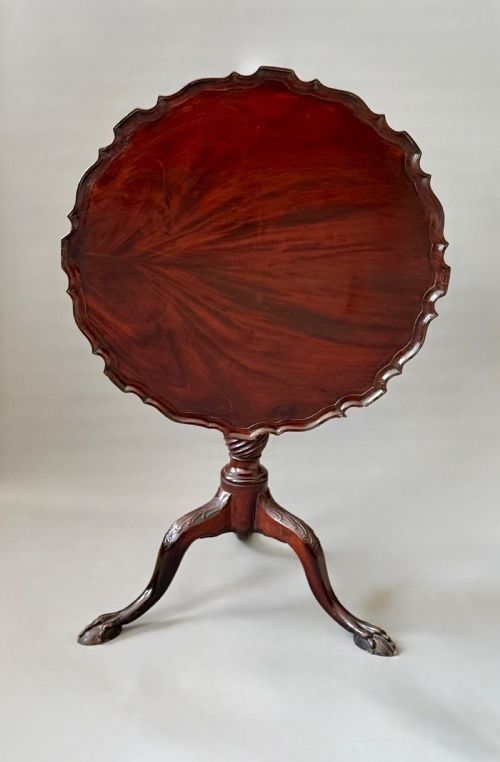
The selection ranges from eighteenth-century tripod designs to nineteenth-century torchères and twentieth-century tier structures. Victorian and Edwardian examples appear frequently alongside earlier Georgian forms.
Makers and workshops constructed these supports for specific domestic duties, such as holding kettles, displaying floral arrangements, or carrying lamps. Their varied heights and top configurations reflect distinct domestic requirements across multiple design periods.
Factors of Quality
Quality rests in the crispness of the hand carving and the proportional balance of the column or legs. Superior examples display deeply defined motifs, such as rope twists or neoclassical details, executed with precision across the timber.
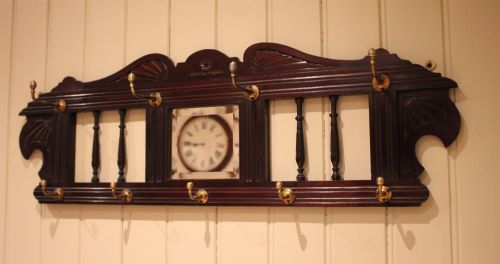
The integrity of the timber selection and stability of the joints dictate the durability of the piece. Subtle variations in turning work and the integration of subsidiary materials like brass or parcel gilding separate standard production from finer cabinet-making.
Retail Price Guide 2026
Typical UK retail prices for carved mahogany stand, calculated from the Sellingantiques database of over a million retail prices indexed since 2003. This retail price guide relies exclusively on Sellingantiques data; no external sources or auction records are used, so the figures do not describe the wider market.
Listings feature items spanning the eighteenth, nineteenth and twentieth centuries, utilising mahogany, parcel gilt, brass and glass.
C Hindley And Sons
The Carved Mahogany Stand Glossary
- Torchere
- A tall, slender stand designed to support a lamp, candle or decorative plant. These elevated supports often feature carved columns or tripod bases.
- Tripod Table
- A small table or stand supported by three legs radiating from a central pillar. This form provides stable placement on uneven floors.
- Parcel Gilt
- A decorative treatment where specific carved areas receive a thin application of gold leaf while the surrounding mahogany remains exposed.
- Jardiniere Stand
- A specialised piece intended to hold indoor plants or floral containers. These often incorporate waterproof liners or tiered platforms.
- Tilt Top
- A table mechanism allowing the surface to pivot to a vertical position when not in use. This clever engineering saved floor space in period rooms.
Frequently Asked Questions
What is a torchere stand used for?
A torchere stand serves as an elevated platform for lamps, candles or decorative plants. Historically placed in corners or beside seating, it draws the eye upward and illuminates darker areas of a room.
These tall supports make efficient use of floor space while adding vertical architectural interest to an interior scheme. Their slender profiles suit placement in hallways, drawing rooms and studies.
How do I date a mahogany stand?
Dating relies on examining the timber characteristics, carving styles and structural joints. Georgian pieces often display simpler, robust tripod forms, whereas Victorian and Edwardian examples introduce more complex turnings and decorative motifs.
Consulting the design period indicators, such as neoclassical influences or art nouveau touches, helps narrow down the decade of manufacture. Secondary materials like brass fittings and webbing also provide clues to the era.
Are these stands sturdy enough for daily use?
Most stands are built with sturdy timber frames and weighted tripod bases designed to support typical household objects. However, their slender proportions mean care should be taken in busy walkways.
Placing them on level flooring ensures stability for items like lamps or ceramic plant pots. Heavier tiered stands offer additional balance through their multi-level weight distribution.